
Applying a fresh overgrip to your tennis racket or pickleball paddle is one of the simplest ways to maintain control, comfort, and safety on the court. An overgrip is a thin, cushioned tape wrapped over the racket’s original base grip to absorb sweat, provide traction, and slightly adjust the handle size. Properly installing this accessory ensures that your equipment does not slip during high-velocity swings, reducing the risk of mishits and wrist strain. Whether you are playing under the intense tropical sun or in a humid indoor arena, mastering this quick wrapping technique keeps your gear performing reliably.
Recognizing When to Replace Your Overgrip
Overgrips are designed to be consumable items that wear down with regular play. The most obvious visual indicator that your overgrip needs replacing is physical degradation, such as peeling, fraying, or tearing along the bevels of the handle. You might also notice severe discoloration, especially on lighter-colored grips, where dirt, sweat, and oils from your hands accumulate over time.
Beyond visual wear, the tactile feel of the grip changes dramatically as it ages. A fresh overgrip offers either a tacky, sticky sensation or a soft, dry, suede-like texture. When the material loses this original texture, it becomes smooth, slippery, and unable to absorb moisture effectively. This loss of friction forces you to squeeze the handle harder, which can lead to premature forearm fatigue and control issues.
Products mentioned in this guide
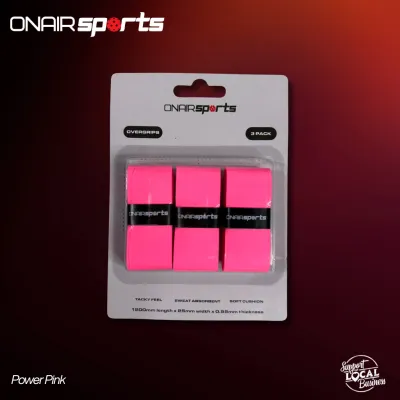
227 Lazada user ratings
Easy to install, Sweat-absorbent material, Comfortable cushion feel,
Comfortable cushion feel, Fast shipping, Universal fit for rackets,
Fast shipping, Comfortable cushion feel, Easy to install,
Comfortable cushion feel, Anti-slip performance,
🔨Durability:10 ✋Grip:10 🎧Comfort:10
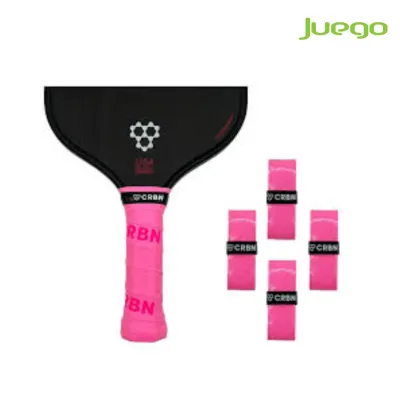
![[ Buy 2 Take 2 ] Yonex AC102EX Overgrip Yonex Thin Grip Belt Pickleball Tennis Badminton Racket Sweat-absorbent Belt Feather Racket Wrapped Belt Hand Rubbe Tennis Badminton Overgrip Grips Tapes](https://img.lazcdn.com/g/p/cf3d0be0e804a079d742737a426c4aee.jpg_400x400q80.jpg_.webp)
4,635 Lazada user ratings
It looks good and was well-packed. Hopefully, the quality is good and will last long. Gives a secure and firm grip, Provides a cool and comf…Read full reviewShow less
It looks good and was well-packed. Hopefully, the quality is good and will last long. Gives a secure and firm grip, Provides a cool and comfortable feel.
It looks authentic. We will give it away as prizes for our tournament. Hopefully, maganda yung quality at may good feedback.
Fits well on my paddle. Good grip and nice color. I bought several colors as a reserve. Legit buy (2) and get (2) for free.
Comfortable and durable overgrip, Variety of colors to choose from, Provides a cool and comfortable feel,
Gives a secure and firm grip, Provides a cool and comfortable feel, Great grip for tennis and badminton,
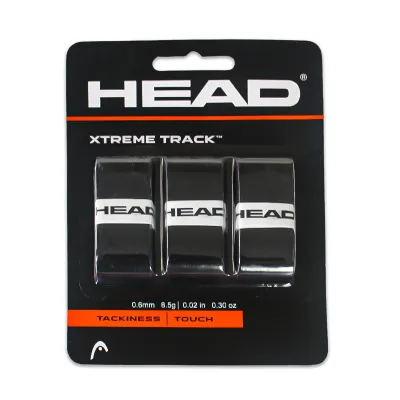
21 Lazada user ratings
Pasmado ko pero very okay naman for me yung item. Bago rin yung binigay so you can expect that it will last long. Madali rin ikabit agad and…Read full reviewShow less
Pasmado ko pero very okay naman for me yung item. Bago rin yung binigay so you can expect that it will last long. Madali rin ikabit agad and madikit yung tape. 🔨Durability:9/10 🎧Comfort:10/10 ✋Grip:8/10
Article arrived quickly. It matches the description and the brand is genuine, not a fake. I recommend it without any hesitation.
🔨Durability:amazing 🎧Comfort:amazing ✋Grip:amazing
Imitation lang ito. Iba sa original 👎
It's very good design
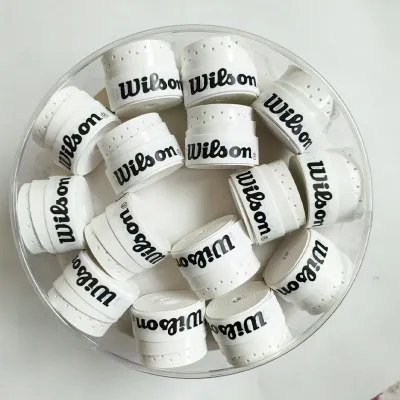
12 Lazada user ratings
The overgrips were thinner & the perforations (holes) patterns were made near the edges & not spread out through the whole overgrip. Compare…Read full reviewShow less
The overgrips were thinner & the perforations (holes) patterns were made near the edges & not spread out through the whole overgrip. Compared to the ones on my rackets which I had bought previously, these are definitely no good. Should have guessed that these weren’t good quality as the seller didn’t provide photos that showed the overgrips clearly. Definitely do not recommend to buy from this seller. Better to go look for others.
Great grip, kind of like Wilson, but the perforations are only on the top and bottom of the tape instead of all over. I’m curious to see how…Read full reviewShow less
Great grip, kind of like Wilson, but the perforations are only on the top and bottom of the tape instead of all over. I’m curious to see how it stands up to Florida weather! :)
got it just now it is 15 pieces as i ordered. i get to try it i don't know about the quality i hope it is excellent and that it doesn't wear…Read full reviewShow less
got it just now it is 15 pieces as i ordered. i get to try it i don't know about the quality i hope it is excellent and that it doesn't wear off easily
The overgrips look great!
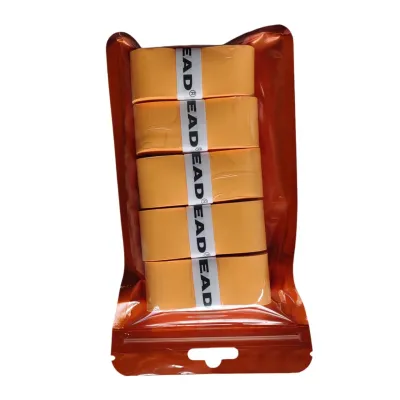
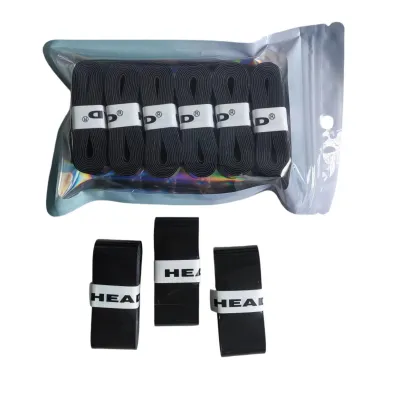
5 Lazada user ratings
✋Grip:good and very happy
Prices are valid at publication and may change. Please refer to the product page for the latest price.
Finally, hygiene and comfort are critical factors. Over time, the accumulated sweat and environmental moisture trapped in the fibers can cause the overgrip to develop an unpleasant, musty odor. In humid climates, the material may dry out between sessions and become hard, crusty, or brittle. If the surface feels rough or emits an odor, it is time to strip it off and apply a fresh layer.
Gathering Your Tools and Materials
Before you begin the wrapping process, having the correct tools on hand ensures a clean, professional finish that will not unravel during a match. You will need a new overgrip selected specifically for your preferred texture and sweat-absorption needs. Most overgrips come packaged with a strip of adhesive finishing tape, but keeping a roll of high-quality black electrical tape nearby is an excellent backup for securing the end.

You will also need a pair of sharp household scissors to make a clean, angled cut at the top of the handle. A clean, dry microfiber towel is essential for wiping down the handle before application. Having these items arranged on a flat, well-lit work surface allows you to maintain steady tension on the grip without having to pause mid-wrap to search for tools.
Step-by-Step Guide to Wrapping an Overgrip
Applying an overgrip is a systematic process that requires patience, steady hands, and attention to detail. The procedure moves from preparing the handle surface to anchoring the starting point, wrapping up the bevels with consistent overlap, and securing the top. Maintaining uniform tension throughout each stage prevents the grip from shifting, bunching, or unraveling during intense rallies.
Preparing the Racket Handle
Begin by carefully peeling off the old, worn overgrip from the handle. Take your time to remove any leftover adhesive residue or pieces of finishing tape that might have stuck to the base replacement grip or the butt cap. If the old grip was secured with staples or heavy adhesive, ensure the surface is completely flat and free of debris.
Once the old overgrip is removed, inspect the underlying base replacement grip. The base grip should be firmly attached to the handle, offering adequate cushioning without deep gouges, crumbling foam, or exposed wood or graphite. If the base grip is severely worn, compressed, or sliding off the handle, you must replace the base grip itself before applying a new overgrip.
After verifying the condition of the base grip, take your clean, dry towel and thoroughly wipe down the entire handle. This step removes any lingering dust, hand oils, or sweat that could prevent the new overgrip from adhering properly. Ensure the handle is completely dry to the touch before proceeding to the next step.
Starting the Wrap at the Butt Cap
Unroll your new overgrip and locate the tapered end, which usually features a small adhesive strip on the underside. Carefully peel off the protective plastic backing from the entire overgrip, being mindful not to let the grip fold over and stick to itself. If your overgrip has a specific top and bottom side, ensure the tacky or textured side faces outward.
Place the adhesive-backed tapered end flush against the bottom edge of the racket’s butt cap. For right-handed players, you will wrap the grip in a clockwise direction when looking down at the butt cap; left-handed players should wrap counter-clockwise. This direction ensures that your fingers naturally tighten the wrap rather than peeling it back when you squeeze the handle.
Hold the starting point firmly with your thumb and pull the overgrip with moderate tension. Complete one full, flat rotation around the very bottom of the butt cap, overlapping the starting point completely. This initial anchor turn must be tight and secure, as it forms the foundation that prevents the rest of the wrap from sliding upward during play.
Wrapping Up the Handle
Once the anchor turn is secure, begin wrapping upward toward the racket throat at a slight diagonal angle. As you spiral up the handle, maintain a consistent overlap of approximately 1/8 to 1/4 inch. Many overgrips feature a subtle embossed line or a slight color variation along the edge to serve as a visual guide for keeping your overlaps uniform.
Apply steady, moderate tension to the overgrip as you pull it around each bevel of the handle. The tension should be firm enough to stretch the material slightly so it conforms flatly to the octagonal shape of the handle, but not so tight that the grip tears or loses its cushioning properties. Avoid leaving any slack, which can cause the grip to bunch up and slide.
Keep the overgrip completely smooth and flat against the handle as you progress. Any wrinkles, bubbles, or uneven ridges created during this stage can cause friction points against your palm, leading to painful blisters during extended play sessions. If you notice a wrinkle or an uneven overlap, simply unwrap that section slightly, adjust your angle, and re-wrap with even tension.
Finishing and Securing the Grip
Continue wrapping until you reach the top of the handle, just below the racket throat or collar. Hold the wrapped grip firmly with one hand to maintain tension, and use your other hand to wrap the remaining material around the top to mark where it meets the collar. Use your sharp scissors to cut the overgrip at a diagonal angle, creating a straight, clean edge that aligns perfectly with the top of the handle.
While holding the cut end tightly against the handle, wrap the provided adhesive finishing tape around the top edge. Pull the finishing tape tight as you wrap it around the handle two to three times, ensuring it covers both the cut end of the overgrip and a small portion of the racket collar. If the included tape is too short or loses its stickiness, high-quality electrical tape provides an exceptionally secure, flexible alternative.
Once secured, slide the rubber collar band (if your racket has one) down over the finishing tape to provide an extra layer of protection and a clean, professional look. Finally, squeeze and twist the handle firmly in your hand to check for any loose edges, soft spots, or uneven overlaps. The grip should feel solid, uniform, and completely secure before you step onto the court.
Common Wrapping Mistakes to Avoid
One of the most frequent errors players make is wrapping the overgrip with excessive tension. Pulling the material too tightly stretches it thin, stripping away its built-in cushioning and sweat-absorption properties. This can also compress the underlying base grip permanently or cause the overgrip to tear prematurely along the sharp bevels of the handle.
Conversely, inconsistent overlapping creates a highly uneven surface. If some sections overlap by half an inch while others barely touch, the handle will feel lumpy and irregular in your hand. This lack of uniformity interferes with your ability to feel the bevels of the racket, which is essential for quick grip transitions between forehands and backhands.
Another common oversight is forgetting to remove the thin, clear protective plastic film from the face of the overgrip before wrapping. Leaving this film on results in an incredibly slick, non-absorbent surface that makes the racket virtually unusable. Always double-check both sides of the grip before starting to ensure you have exposed the actual playing surface.
Lastly, ignoring the natural guiding lines or wrapping in the wrong direction for your dominant hand can lead to rapid unraveling. If a right-handed player wraps counter-clockwise, the friction of their palm during a swing will actively peel the edges of the grip backward. Taking a moment to plan your wrapping direction saves time and prevents mid-match equipment failures.
Adjusting Grip Feel and Size for Humid Climates
In tropical, high-humidity environments like the Philippines, managing hand sweat and racket slippage is a constant challenge for players. Overgrips generally fall into two categories: tacky and dry. Tacky grips offer a sticky, high-traction feel that works exceptionally well in dry conditions or for players with minimal hand sweat, but they can become slick and greasy when saturated with moisture.
For highly humid conditions or players who sweat heavily, dry-feel overgrips are often the preferred choice. These grips utilize moisture-wicking materials that mimic the feel of a soft suede towel, actually becoming grippier as they absorb sweat. Experimenting with both types during practice sessions helps you determine which texture maintains the most secure connection to your hand during intense play.
Additionally, overgrips can be used strategically to fine-tune your handle size. If your racket handle feels slightly too small, applying a thicker overgrip—or even wrapping a second overgrip over the first—can build up the handle circumference safely. This method allows you to customize the grip size to prevent hand cramps without having to undergo the complex process of replacing the entire base grip.
Frequently Asked Questions (FAQ)
Can I put an overgrip directly on the bare racket handle?
No, you should never apply an overgrip directly onto the bare wood, graphite, or plastic handle of a racket. Overgrips are designed to be extremely thin, typically ranging from 0.4mm to 0.6mm in thickness, which does not provide sufficient shock absorption or cushioning. Playing with an overgrip on a bare handle can lead to severe hand fatigue, blisters, and joint pain from the unmitigated impact of the ball. A proper base replacement grip must always be installed first to protect your hand and the racket structure, with the overgrip serving as a protective, replaceable outer layer.
How often should I change my overgrip?
The frequency of changing your overgrip depends on how often you play, how much your hands sweat, and the local climate. As a general rule, casual players who hit once or twice a week may only need to change their overgrip every three to four weeks. However, competitive players or those playing in hot, humid conditions may need to replace their overgrip after every two to three sessions. You should change your overgrip immediately if you notice any slipping during swings, visible tearing, or if the material no longer absorbs sweat effectively.
Does the wrapping direction matter?
Yes, the wrapping direction is crucial for maintaining the structural integrity of the grip during play. Right-handed players should wrap the overgrip in a clockwise direction (when looking down at the butt cap), while left-handed players should wrap in a counter-clockwise direction. Wrapping in the correct direction ensures that the natural twisting motion of your hand when gripping and swinging the racket pulls the overlaps tighter. If wrapped in the opposite direction, the friction of your hand will cause the edges of the overgrip to roll up and unravel.
Community discussion
Share your experience or ask a question. Comments are reviewed before publication.