
Applying a castor oil patch to sore muscles and joints after an intense workout is an excellent, mess-free way to support your body’s natural recovery process. Unlike traditional liquid castor oil applications that require plastic wrap and messy layers of flannel, modern pre-infused patches offer a clean, targeted alternative for active individuals. To get the most out of your patch, you must apply it to clean, dry skin, secure the edges firmly, and follow the manufacturer’s recommended wear times.
In tropical climates like the Philippines, high humidity and heavy sweating can present unique challenges for adhesive products. Understanding how to properly prepare your skin and apply these patches ensures they stay firmly in place, allowing you to focus on your recovery. Whether you are a runner navigating humid morning routes or a gym enthusiast lifting weights, mastering this simple application process will help you integrate castor oil patches seamlessly into your post-workout routine.
When to Use Castor Oil Patches for Workout Recovery
Before reaching for a castor oil patch, it is essential to evaluate the type of discomfort you are experiencing. Post-workout soreness typically falls into the category of delayed onset muscle soreness (DOMS), which manifests as a dull, diffuse ache in the muscles you trained. This soreness usually peaks between 24 and 72 hours after exercise and is a normal response to micro-tears in the muscle fibers. Castor oil patches are highly suitable for managing this type of general muscle stiffness and joint fatigue.
Products mentioned in this guide
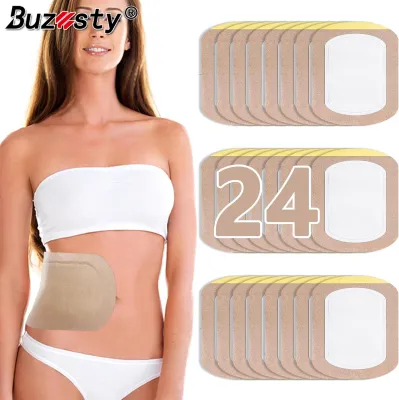
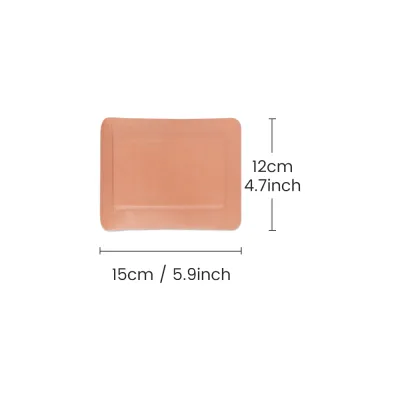
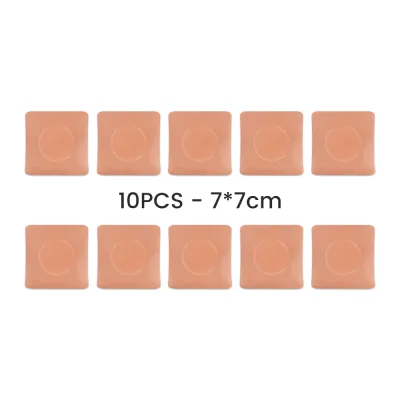
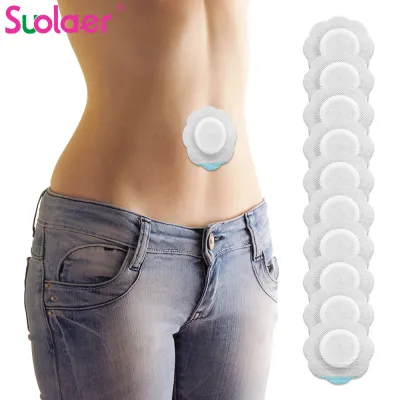
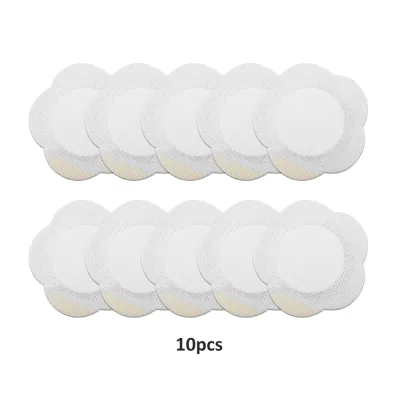
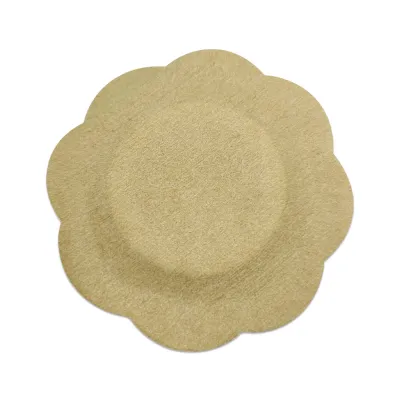
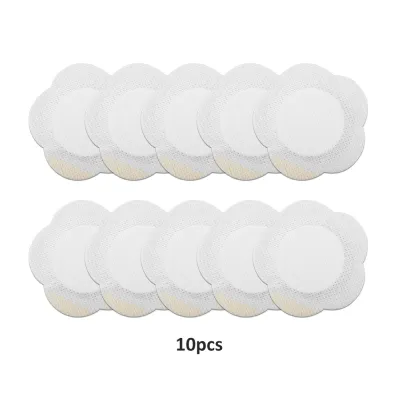
Prices are valid at publication and may change. Please refer to the product page for the latest price.
However, you must differentiate normal muscle soreness from acute injuries that require professional medical attention. If you experience sudden, sharp pain during your workout, rapid swelling, severe bruising, or joint instability, these are signs of a potential sprain, strain, or ligament tear. Castor oil patches are not a substitute for medical evaluation, and applying them to acute injuries without professional guidance can delay proper treatment.
Always read the product label carefully before your first application. Check the packaging for the intended use, active ingredients, and any specific contraindications. Some patches contain pure castor oil, while others may be blended with essential oils, warming agents, or herbal extracts that could trigger sensitivities.
The optimal time to apply a castor oil patch is after your body has fully cooled down from exercise and you have taken a shower. Applying a patch while your body temperature is still elevated and your sweat glands are active will prevent the adhesive from bonding properly. Waiting until you are clean and cool ensures maximum comfort and patch security.
Preparing Your Skin and Materials
Proper preparation is the foundation of a successful patch application, especially when dealing with humid conditions that naturally compromise adhesives. Before you begin, gather all your necessary materials in a clean, dry space. You will need your castor oil patch, a mild soap, a clean towel, and any skin barrier wipes recommended by the manufacturer. Having everything within reach prevents you from having to move around once the patch is partially applied.

Start by thoroughly washing the target area with mild soap and warm water. During exercise, your skin accumulates sweat, sebum, and environmental dust. If you train outdoors, you may also have layers of sunscreen, insect repellent, or body lotion on your skin. These substances create a microscopic barrier that prevents the patch’s adhesive from making direct contact with your skin cells, leading to premature peeling.
Once the area is clean, dry the skin completely using a clean towel. In humid environments, moisture can linger on the skin surface even after towel-drying. It is highly recommended to wait five to ten minutes after drying to ensure all residual moisture has evaporated. Applying an adhesive patch over damp skin can trap moisture, leading to skin maceration, irritation, and a quick loss of adhesion.
Step-by-Step Application Process
With your skin clean and dry, you are ready to apply the patch. Begin by carefully peeling the protective backing off the patch. Try to touch the adhesive edges and the active center as little as possible. Touching the sticky surface transfers natural oils from your fingertips to the adhesive, which can significantly reduce its ability to stay secure on your body.
Position the patch directly over the center of the sore muscle belly or the affected joint. Gently lower the patch onto the skin, ensuring there are no wrinkles, folds, or air bubbles. Wrinkles in the fabric not only reduce the surface area of the patch in contact with your skin but can also rub against your clothing, causing friction blisters or premature peeling.
Once the patch is in place, press down firmly starting from the center and moving outward toward the edges. Use the flat of your hand to apply even pressure for about ten to fifteen seconds. The warmth from your hands can help activate certain pressure-sensitive adhesives, ensuring a more robust bond with your skin. Pay extra attention to the corners and edges, as these are the areas most likely to catch on clothing.
Finally, consult the product packaging to note the manufacturer-specific wearing time limits and maximum daily usage. While some patches are designed to be worn for up to eight hours or overnight, others may have shorter recommended durations. Never exceed these limits in an attempt to speed up recovery, as prolonged exposure can lead to skin irritation. For budgeting your recovery gear, high-quality multi-packs of these patches in local sports outlets typically range from ₱300 to ₱900, making them an accessible addition to your athletic first aid kit.
Safety Precautions and When to Remove Early
While castor oil patches are generally safe for topical use, you must remain vigilant for any signs of adverse skin reactions. Monitor the application site closely, especially during the first hour. If you experience severe redness, burning, intense itching, or blistering under or around the patch, remove it immediately. These symptoms indicate an allergic reaction or contact dermatitis, and continuing use will only worsen the condition.
Never apply a castor oil patch to compromised skin. This includes open wounds, cuts, scrapes, active rashes, sunburns, or mucous membranes. Applying adhesive patches or active ingredients to broken skin can cause intense pain, increase the risk of infection, and lead to unwanted systemic absorption of the patch’s ingredients.
If your muscle or joint pain worsens significantly after application, spreads to other areas, or is accompanied by systemic symptoms like a fever or chills, stop using the patch immediately. These signs could point to an underlying infection or a more serious musculoskeletal injury that requires professional medical diagnosis and treatment.
Additionally, do not combine the patch with external temperature therapies. Avoid placing heating pads, hot water bottles, ice packs, or tight compression wraps over the patch unless the manufacturer’s instructions explicitly state it is safe to do so. External heat can dramatically increase the absorption rate of the patch’s active ingredients, potentially causing chemical burns or severe skin irritation, while ice packs can harden the adhesive and cause it to fail.
Removing the Patch and Post-Application Care
When the recommended wearing time has elapsed, removing the patch correctly is just as important as the application process. To minimize discomfort and avoid pulling your skin, gently peel the patch off in the direction of your hair growth. Pulling the patch off too quickly or against the hair can cause micro-tears in the skin, leading to irritation and folliculitis.
After removing the patch, you may notice some sticky adhesive or oily residue left behind on your skin. Wash the area gently with mild soap and warm water. If the adhesive is particularly stubborn, do not scrub the skin harshly. Instead, apply a small amount of baby oil, coconut oil, or a manufacturer-recommended adhesive remover to a cotton pad and gently wipe the residue away.
Once the skin is clean and dry, evaluate its condition. If the area feels dry or slightly sensitive, apply a mild, fragrance-free moisturizer to soothe the skin barrier. Avoid using harsh chemical exfoliants, alcohol-based rubs, or heavily perfumed lotions immediately after patch removal, as the skin in that area will be temporarily more sensitive.
Always allow your skin to breathe and rest before applying a new patch to the exact same location. A rest period of at least 12 to 24 hours is highly recommended. Constantly covering the same patch of skin without giving it time to recover increases the risk of developing localized skin irritation or sensitization over time.
Frequently Asked Questions (FAQ)
Can I wear a castor oil patch while swimming or showering?
Most standard castor oil patches are not designed to withstand prolonged submersion in water or direct exposure to a shower stream. Unless the product packaging explicitly states that the patch is fully waterproof, you should assume it is water-resistant at best. If the patch gets wet, the adhesive will likely degrade, causing the edges to peel or the entire patch to fall off. For the best results, remove the patch before swimming or showering, and apply a fresh one once your skin is completely dry.
How often can I reapply the patch to the same muscle group?
You should always adhere to the manufacturer’s recommended frequency and maximum daily usage limits printed on the packaging. To protect your skin barrier, it is best to allow a rest period of 12 to 24 hours between applications on the exact same spot. If you notice any lingering redness, mild itching, or dryness after removing a patch, wait until your skin has completely returned to its normal state before applying another one.
Should I apply the patch before or after stretching?
You should always apply the castor oil patch after you have completed your post-workout stretching routine, showered, and dried off. Stretching involves deep, repetitive movements and wide ranges of motion that pull and stretch your skin. If you apply the patch before stretching, the physical tension can cause the adhesive to pull away from the skin, wrinkle, or peel off entirely. Applying the patch as the very last step of your cool-down routine ensures it remains secure and comfortable while you rest.
Community discussion
Share your experience or ask a question. Comments are reviewed before publication.