
Determining the correct trolling motor thrust for your inflatable fishing boat is a critical decision that directly affects your safety, control, and performance on the water. While rigid-hull boats can often get by with less power, inflatable vessels require a more generous power-to-weight ratio due to how they sit on the water and react to wind. Before mounting any motor, you must understand your equipment’s physical limits, perform essential safety checks, and recognize that no amount of motor thrust can replace sound maritime judgment and proper safety training. Always monitor local weather advisories and ensure every passenger wears a certified personal flotation device (PFD) before launching.
To get moving efficiently, a reliable baseline for an inflatable fishing boat with motor setups is 4 to 5 pounds of thrust for every 100 pounds of fully loaded weight. While the standard rule of thumb for hard-sided boats is 2 pounds of thrust per 100 pounds, the unique physics of inflatable hulls—such as high-profile air tubes that act like sails in a breeze—demands this higher threshold. This extra power ensures you can safely navigate sudden currents, hold your position over active fishing spots, and return to shore safely if weather conditions deteriorate.
The Basic Thrust-to-Weight Rule for Inflatable Boats
Choosing the right electric trolling motor involves balancing physical power with operational control. Unlike gas outboards, which are designed for high-speed transit across large distances, trolling motors are engineered for quiet, precise maneuvering. They allow you to slip silently into shallow bays, navigate around structures, and maintain a steady speed while trolling.
Products mentioned in this guide
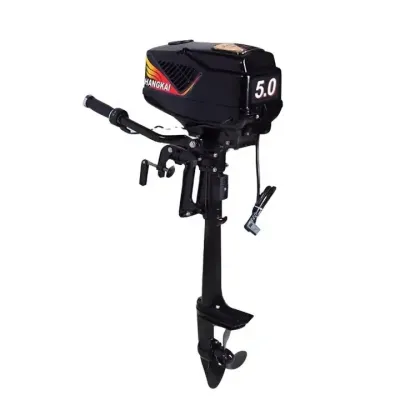
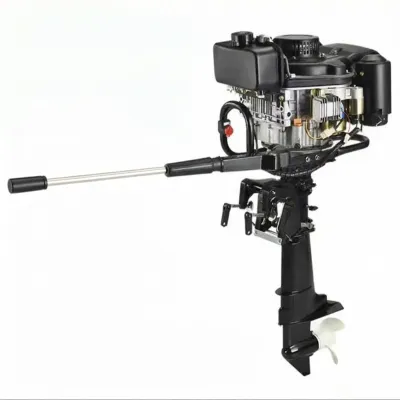
Prices are valid at publication and may change. Please refer to the product page for the latest price.
Because of this focus on control rather than speed, trolling motor power is measured in pounds of thrust rather than horsepower. For standard rigid-hull boats, a ratio of 2 pounds of thrust per 100 pounds of loaded weight is generally sufficient. However, inflatable boats sit high on the water’s surface, creating a high profile that catches wind easily. To compensate for this aerodynamic drag, experienced anglers recommend aiming for 4 to 5 pounds of thrust per 100 pounds of total gross weight.
This higher ratio is particularly important when navigating local waterways in the Philippines, where sudden tropical downpours, localized wind shifts, and tidal currents are common. If you are fishing in sheltered, glassy waters like small inland ponds, you might manage with the lower end of this spectrum. But if your plans include larger lakes like Laguna de Bay or coastal estuaries, having that extra thrust buffer is essential to prevent being swept off course by sudden wind gusts or strong currents.
Calculating the Total Loaded Weight of Your Fishing Boat with Motor
To apply the thrust-to-weight rule accurately, you must calculate the total gross weight of your boat when it is fully loaded for a day of fishing. Relying solely on the dry weight of the inflatable hull is a common mistake that leads to underpowered setups, sluggish handling, and potential safety hazards on the water.

To find your realistic maximum loaded weight, compile a detailed inventory of everything that will be on board. You can use the following breakdown as a checklist before making your final motor purchase:
- The Inflatable Hull: The dry weight of the boat itself, including the floorboards (aluminum, wood, or air deck) and seats. This typically ranges from 25 to 50 kilograms.
- Passengers and Personal Gear: The combined weight of yourself and any fishing partners, including the clothes and safety gear you are wearing.
- Fishing Equipment: Rods, reels, tackle boxes, bait buckets, anchors, and any electronics like fish finders.
- Consumables: Coolers filled with ice, food, and drinking water, which are essential for staying hydrated in hot, humid tropical climates.
- The Battery: A standard Group 27 or Group 31 deep-cycle marine battery can weigh between 20 and 30 kilograms. If you choose a 24-volt or 36-volt motor system, you will need to double or triple this battery weight.
- The Motor and Mount: The weight of the trolling motor assembly and the transom mounting hardware.
For example, if your inflatable boat weighs 35 kilograms, you and your partner weigh 150 kilograms combined, and your gear, battery, and motor weigh another 65 kilograms, your total loaded weight is approximately 250 kilograms (about 550 pounds). Applying the 5 pounds of thrust per 100 pounds rule, you would need a motor with at least 27.5 pounds of thrust. In this scenario, a standard 30-pound or 40-pound thrust motor would provide an excellent safety margin.
Adjusting Thrust for Wind, Current, and Inflatable Hull Design
The physical design of inflatable boats introduces unique aerodynamic and hydrodynamic challenges that do not affect traditional fiberglass or aluminum hulls. Understanding these factors will help you decide whether to size up your motor to handle more demanding environments.
The most significant factor is wind resistance. Inflatable boats feature large, buoyant outer tubes that sit high above the waterline. While this design provides exceptional stability and load capacity, it also acts as a sail. Even a gentle breeze can push a lightweight inflatable boat sideways or backward, making it incredibly difficult to maintain a straight tracking line or hold a stationary position over a productive fishing spot.
Additionally, the shape of an inflatable boat’s bow and bottom affects its hydrodynamic drag. Many inflatables have blunt bows and flat bottoms, which push water rather than slicing through it. This increased resistance requires more forward force to overcome. If you plan to fish in areas with noticeable tidal currents, river flows, or consistent coastal breezes, sizing up your motor is highly recommended.
Opting for a larger motor also offers significant efficiency benefits. Running a smaller, underpowered motor at 100% capacity to fight a headwind strains the internal components, generates excess heat, and drains your battery rapidly. Conversely, a higher-thrust motor can maintain the same speed at 60% or 70% throttle. This operational buffer keeps the motor running cool, extends its overall lifespan, and often results in better battery conservation over a full day of fishing.
Checking Transom and Mount Weight Limits for Safety
While it may be tempting to buy the largest, most powerful trolling motor available, you must carefully evaluate the physical and structural limits of your inflatable boat. Overloading your vessel’s transom or mounting bracket can lead to catastrophic structural failure, motor loss, or capsizing.
Inflatable boats typically utilize either an integrated rigid transom (common on heavy-duty sports boats) or a removable, aftermarket motor mount bracket that straps onto the rear tubes (common on lighter recreational inflatables). Each of these systems has strict weight and horsepower ratings specified by the manufacturer. You must verify these limits before purchasing your motor and battery setup.
A higher-thrust motor naturally requires heavier internal components, larger shafts, and more robust mounting brackets. Furthermore, high-thrust motors often operate on higher voltage systems. While a 12-volt motor runs on a single battery, a 24-volt motor requires two batteries wired in series, and a 36-volt motor requires three. Adding multiple heavy lead-acid batteries to a lightweight inflatable can easily exceed the boat’s maximum weight capacity or cause the stern to sit dangerously low in the water, increasing the risk of taking on water from waves.
Before installing your motor, carefully inspect the mounting area. Ensure the transom is securely bonded to the inflatable tubes, with no signs of peeling, cracking, or wear. If you are using a removable mount, double-check that all straps, D-rings, and frame components are tight and in good condition. If your calculated motor and battery weight approaches or exceeds the manufacturer’s recommended limits, do not attempt to use the setup. Stop immediately and consult the boat manufacturer or a professional marine rigger to find a safer, lighter alternative.
Frequently Asked Questions (FAQ)
Can I use a gas outboard instead of a trolling motor on my inflatable boat?
Yes, but they serve different purposes. Gas outboards provide the speed and range needed to travel long distances across large bodies of water. However, they are loud, emit fumes, and cannot match the silent, precise, micro-adjustments of an electric trolling motor when you are actively fishing. Additionally, gas outboards are significantly heavier and have much stricter transom weight and horsepower limits that you must verify before installation.
Does a higher thrust trolling motor drain the battery faster?
Not necessarily. While a higher-thrust motor draws more current at maximum speed, it also moves the boat more efficiently. Running a larger motor at a lower speed setting (such as 50% throttle) often consumes a similar amount of energy—or even less—than running a smaller motor at 100% throttle to fight the same wind and water resistance.
What shaft length do I need for an inflatable fishing boat?
To find the correct shaft length, measure the distance from the top of your transom or motor mount down to the waterline. Add at least 12 inches (approximately 30 centimeters) to this measurement. This ensures the propeller remains fully submerged at least 6 inches below the surface, preventing cavitation and keeping the motor quiet even when waves cause the inflatable hull to flex or ride up and down.
Community discussion
Share your experience or ask a question. Comments are reviewed before publication.