
Selecting a three-wheel cargo bike for adult use in the Philippines requires balancing stability, payload capacity, and adaptability to local road conditions. Unlike standard two-wheel bicycles, a three-wheel utility bike offers a stable platform that remains upright at a complete stop, making it an excellent choice for carrying heavy groceries, transporting goods, or navigating busy neighborhood streets. To find the right model, you must evaluate the wheel configuration, frame durability, cargo bed design, braking systems, and how well the components withstand tropical weather.
By focusing on these key specifications, you can identify a trike that matches your physical height, cargo requirements, and typical riding routes. This guide breaks down the essential technical details and practical considerations to help you make an informed decision before investing in a heavy-duty utility tricycle.
Choosing the Right Trike Configuration
When shopping for a three-wheel cargo bike, the first major decision is choosing between the two primary wheel layouts: Delta and Tadpole. A Delta configuration features one wheel in the front and two in the rear, with the cargo area typically positioned between the rear wheels. This design closely resembles a traditional tricycle, offering a familiar riding position and a highly spacious rear cargo bed that can handle wide or tall loads without blocking your forward view.
Products mentioned in this guide
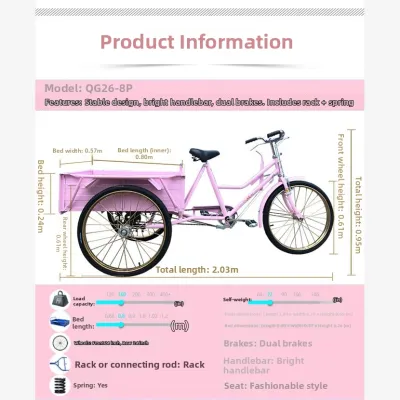
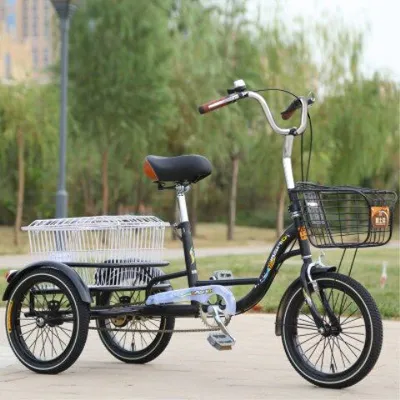
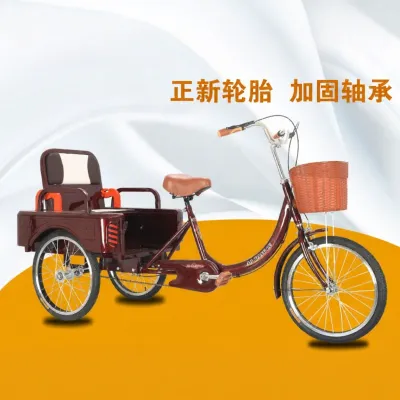
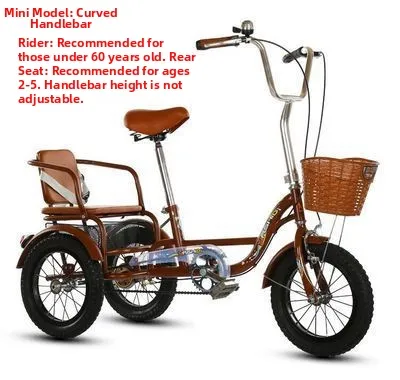
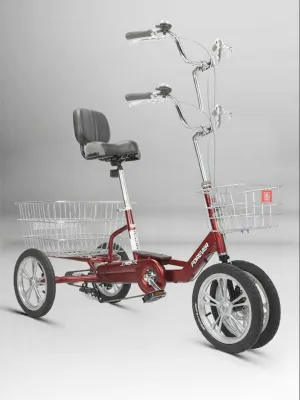
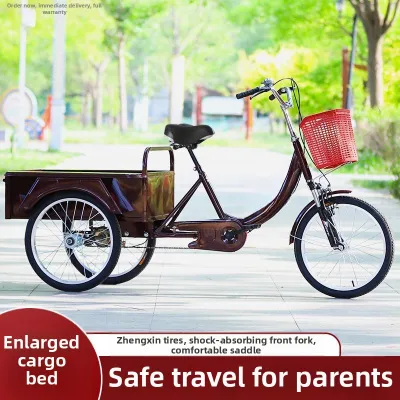
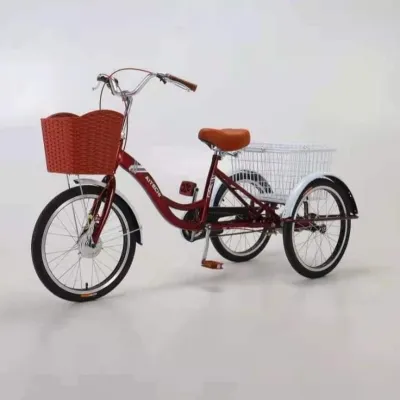
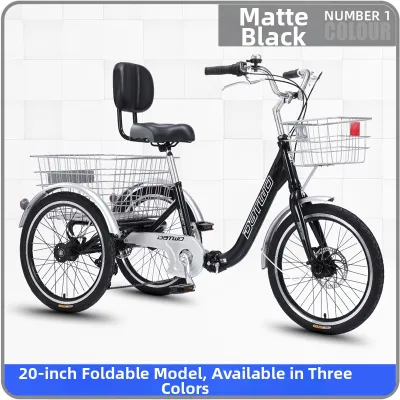
Prices are valid at publication and may change. Please refer to the product page for the latest price.
However, Delta trikes have specific handling characteristics that require careful attention during turns. Because the steering wheel is in the front and the weight is concentrated in the back, taking sharp turns at higher speeds can cause the inner rear wheel to lift, increasing the risk of a rollover. To minimize this risk, riders must slow down significantly before entering corners and keep heavy items positioned as low and as close to the rear axle as possible.
In contrast, a Tadpole configuration features two wheels in the front and one in the rear, with the cargo box usually mounted between the front wheels. This layout places the load directly in your line of sight, allowing you to monitor your cargo while riding. Tadpole trikes generally offer superior stability during cornering because the two front wheels track the turn more effectively, keeping the center of gravity low and centered.
Navigating tight urban streets, crowded public markets, or narrow residential alleys requires excellent maneuverability. Delta trikes often have a tighter turning radius in confined spaces, but they can feel wider at the back than they do at the front, which requires extra caution to avoid clipping obstacles. Tadpole trikes allow you to see the widest part of the vehicle in front of you, making it easier to judge whether you can squeeze through narrow gaps between parked vehicles or roadside stalls.
Frame Materials and Adult Sizing
The frame is the backbone of your cargo bike, determining both its structural lifespan and how easy it is to pedal. Steel frames are highly valued for their exceptional durability and natural ability to absorb road vibrations, providing a smoother ride on uneven surfaces. However, steel is significantly heavier than alternative materials, which increases the physical effort required to pedal up inclines or accelerate from a complete stop. Additionally, in the humid, tropical climate of the Philippines, steel frames require diligent maintenance and protective coatings to prevent rust from forming on chipped paint or exposed welds.

Aluminum frames offer a lighter alternative that is naturally resistant to rust and corrosion, making them highly suitable for coastal areas or regions with frequent rainfall. An aluminum trike is easier to maneuver and accelerate, though the material is stiffer than steel and may transmit more road vibration to the rider. When evaluating aluminum frames, look for robust, thick welds around the cargo mounts and bottom bracket to ensure the structure can handle heavy loads over time.
Frame geometry plays a critical role in rider safety and comfort, especially when the bike is fully loaded. A step-through frame design, which features a low top tube or no top tube at all, is highly recommended for adult cargo trikes. This design allows you to easily mount and dismount the bike by stepping through the frame rather than swinging your leg over the back, which is nearly impossible when the rear cargo bed is piled high with goods.
To ensure proper ergonomic fit, verify that the trike offers highly adjustable components. The seat post should have a quick-release clamp or a secure bolt system that allows you to adjust the saddle height so your knees maintain a slight bend at the bottom of the pedal stroke. Adjustable handlebar stems are also crucial, as they allow you to raise or sweep the handlebars back, ensuring an upright riding posture that reduces strain on your lower back, wrists, and neck during long rides.
Evaluating Cargo Capacity and Bed Design
Before purchasing a cargo trike, you must carefully read and interpret the manufacturer’s maximum payload rating. This rating represents the total allowable weight of the rider, the cargo, and the bike itself. Exceeding this limit puts severe stress on the frame welds, spokes, and axles, and can lead to catastrophic component failure or a complete loss of braking control. Always choose a model with a payload capacity that comfortably exceeds your anticipated daily cargo weight plus your own body weight.
Cargo beds come in several distinct styles, each suited to different transportation needs. Open flatbed designs offer the greatest versatility for hauling oversized, irregular, or bulky items like water jugs, propane tanks, or delivery boxes, but they require you to secure everything manually. Enclosed wooden or plastic boxes provide excellent containment for loose items, groceries, or tools, keeping them secure and shielded from road debris.
If you plan to carry a variety of items, look for a cargo bed equipped with integrated tie-down points, heavy-duty bungee hooks, or pre-drilled holes for cargo nets. A weather-resistant bed liner, such as a textured rubber mat or a marine-grade plywood base, is highly beneficial for preventing cargo from sliding around during transit and protecting the frame from scratches. For open bucket designs, check if the manufacturer offers a fitted, waterproof canvas cover to protect your goods during sudden tropical downpours.
Finally, check the physical dimensions of the cargo area to ensure it does not interfere with your riding mechanics. On Delta trikes, the rear basket must be positioned far enough behind the seat post to provide ample heel clearance, preventing your shoes from striking the cargo frame with every pedal stroke. On Tadpole trikes, the front cargo box must be shaped so that it does not restrict the turning angle of the front wheels or block your view of the road immediately ahead of the bike.
Drivetrain, Braking, and Safety Features
Moving a heavy three-wheel cargo bike from a complete stop requires a reliable drivetrain with appropriate gear ratios. Single-speed trikes are simple and low-maintenance, but they are incredibly difficult to pedal when loaded, even on minor inclines. Multi-gear systems are essential for adult cargo use. Internal gear hubs are highly recommended because they allow you to shift gears while standing completely still, which is incredibly helpful when you are stopped at a red light or a busy intersection with a heavy load.
External derailleur systems are more common and generally less expensive, offering a wide range of gears for climbing hills. However, derailleurs require the bike to be in motion to shift gears, meaning if you are forced to stop suddenly in a high gear, you will have to exert significant physical effort to get the trike moving again. External drivetrains also have exposed chains and gears that require frequent cleaning and lubrication to protect them from road grit and rain.
Braking systems are the most critical safety component on any cargo bike. Because of the high total weight, standard rim brakes are often insufficient. Disc brakes, whether mechanical or hydraulic, offer superior stopping power and remain highly effective in wet weather. Drum brakes are another excellent, low-maintenance option as they are completely sealed against water and dirt, though they may offer slightly less immediate stopping power than disc brakes.
When evaluating a trike’s brakes, pay close attention to how the dual wheels are controlled. If the trike uses independent brake levers for the left and right wheels, uneven squeezing can cause the bike to pull violently to one side. Look for systems with linked braking, where a single lever evenly distributes braking force to both rear wheels (on a Delta) or both front wheels (on a Tadpole). Additionally, a built-in parking brake or a locking lever mechanism is essential to keep the trike from rolling away when parked on sloped driveways or roadside shoulders.
Adapting to Local Terrain and Weather Conditions
The infrastructure and climate in the Philippines present unique challenges that your cargo trike must be equipped to handle. Local roads often feature uneven asphalt, concrete joints, potholes, and occasional unpaved gravel paths. To maintain traction and comfort, look for wide, high-volume tires with puncture-resistant casing. Tires with a width of 2.0 inches or greater provide a larger contact patch, which improves grip on wet roads and helps cushion the ride over rough surfaces.
To protect the bike and your cargo from water damage, full-coverage mudguards (fenders) are an absolute necessity. Fenders should wrap closely around all three wheels to prevent muddy water, road grime, and debris from spraying onto your back, the cargo bed, or the drivetrain components during the rainy season. Look for stainless steel or heavy-duty plastic fenders with sturdy mounting stays that will not rattle loose on bumpy roads.
Given the high humidity and seasonal heavy rains, rust prevention is key to preserving your investment. Check that the bike utilizes stainless steel hardware, rust-resistant chains, and sealed cartridge bearings in the hubs and bottom bracket. Sealed bearings prevent water and dirt from penetrating the moving parts, ensuring smooth rotation and reducing the frequency of mechanical overhauls.
While many cargo trikes feature rigid frames to maximize cargo stability, some models offer front fork suspension or spring-loaded seat posts. Suspension components help absorb the impact of potholes and speed bumps, reducing rider fatigue and protecting fragile cargo from excessive shaking. If you choose a model with suspension, ensure the seals are high-quality to prevent water and dust from degrading the internal springs or dampers.
Building Your Shortlist and Pre-Purchase Checks
To organize your search, create a simple comparison matrix of the models available through local distributors or reputable online marketplaces. List each option alongside its verified payload limit, frame material, braking type, gear system, and cargo bed dimensions. This structured approach allows you to quickly eliminate models that do not meet your minimum safety or capacity requirements.
| Feature / Specification | Entry-Level Utility Trike | Mid-Range Cargo Trike | Heavy-Duty Cargo Trike |
|---|---|---|---|
| Frame Material | Steel | Aluminum | Reinforced Steel or Alloy |
| Configuration | Delta (Rear Cargo) | Delta or Tadpole | Tadpole (Front Cargo) |
| Payload Capacity | Up to 110 kg (total) | Up to 150 kg (total) | Up to 200+ kg (total) |
| Brake Type | Rear Band / Front V-Brake | Dual Mechanical Disc | Dual Hydraulic Disc |
| Gearing | Single-Speed or 6-Speed | 7-Speed Derailleur | 3-to-8 Speed Internal Hub |
| Typical Price Range | ₱12,000 – ₱20,000 | ₱25,000 – ₱45,000 | ₱50,000+ |
When comparing prices in ₱, look beyond the base cost of the bike. Factor in the cost of shipping oversized boxes, professional assembly fees, and any necessary accessories like lights, locks, or waterproof covers. Buying from an authorized local dealer often includes professional assembly and a complimentary initial tune-up, which ensures the complex steering and braking linkages are set up correctly.
Inquire about the warranty terms for the frame and components, and ask the dealer about the long-term availability of replacement parts. Because cargo trikes use specialized parts like extra-long brake cables, wide axles, and specific hub configurations, choosing a model that uses standard, widely available bicycle components for its drivetrain and braking wear items will save you significant maintenance hassle down the road.
Before finalizing your purchase, always attempt to schedule a test ride, preferably with some weight added to the cargo bed. Use this opportunity to assess how the steering responds, how much effort is required to pedal from a stop, and how quickly the brakes can bring the loaded vehicle to a halt. Pay close attention to the trike’s stability when turning at slow speeds, ensuring you feel confident and secure behind the handlebars.
Frequently Asked Questions (FAQ)
Do I need a special license to ride a non-motorized cargo bike?
No, you do not need a driver’s license or a special permit to operate a standard, non-motorized cargo bike on public roads in the Philippines. However, you must follow general traffic rules for bicycles, such as riding in designated bike lanes where available, keeping to the right side of the road, and using hand signals. It is highly recommended to check your specific municipal ordinances, as some local government units have localized restrictions regarding slow-moving utility vehicles on major national highways.
How do I maintain a cargo bike during the rainy season?
To prevent rust and premature wear during the rainy season, establish a quick post-ride maintenance routine. After riding in the rain, wipe down the frame, spokes, and cargo bed with a dry cloth to remove standing water and road grime. Clean the chain regularly and apply a wet-weather chain lubricant, which is thicker and more resistant to being washed away by puddles. Periodically check the brake pads for embedded grit or sand, which can quickly wear down your wheel rims or disc rotors if left uncleaned.
Can I add an electric assist motor to a standard cargo trike later?
Yes, many standard cargo trikes can be retrofitted with an aftermarket electric conversion kit, such as a front hub motor or a mid-drive motor. Before proceeding, you must verify that your trike’s frame and fork dropouts are strong enough to handle the torque of an electric motor. Additionally, because an electric motor increases your average riding speed and overall weight, you must upgrade your braking system to high-quality disc brakes to ensure you can stop safely under the increased load.
Community discussion
Share your experience or ask a question. Comments are reviewed before publication.