
To find a reliable 3×3 tent cover, you must look beyond the generic label. The core decision matrix relies on verifying exact dimensions, frame attachment compatibility, fabric weather ratings, and packed weight. Never assume a “3×3” label guarantees a perfect fit; you must verify whether the manufacturer measured in meters or feet, as well as checking the specific attachment style.
Instead of relying on vague marketing terms like “waterproof” or “heavy-duty,” check the manufacturer’s product specifications for concrete ratings. Look for specific hydrostatic head measurements and UV protection factors on the product tag. A successful purchase ensures your cover matches your existing frame’s pole configuration while providing adequate protection against intense tropical elements.
Verifying Dimensions and Frame Compatibility
One of the most common pitfalls when purchasing a replacement tent cover is assuming all “3×3” models are identical. In the Philippines, outdoor gear is sold under both metric and imperial standards. A cover labeled as 3×3 meters measures exactly 300 by 300 centimeters, whereas an imperial 10×10 foot canopy translates to roughly 305 by 305 centimeters. This small five-centimeter discrepancy can make a cover either impossibly tight or excessively loose, leading to pooling water, wind flapping, or structural damage to your frame.
Products mentioned in this guide
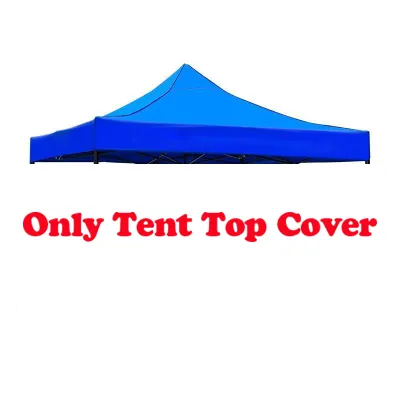
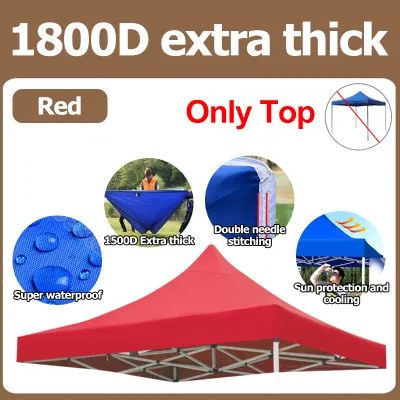
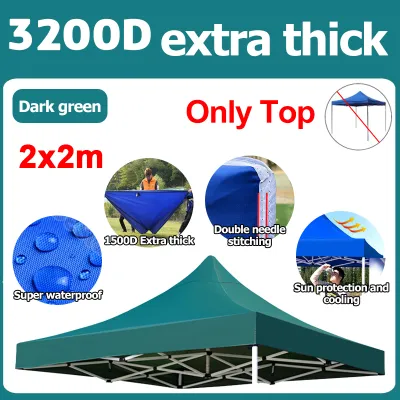
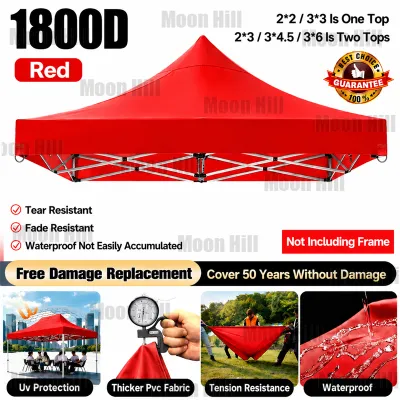
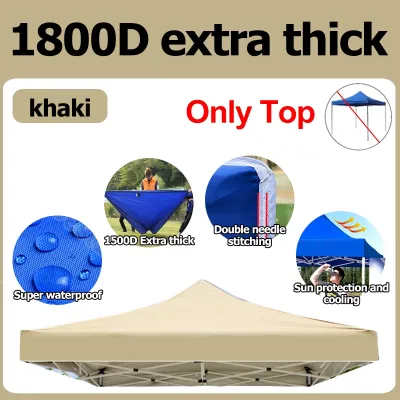
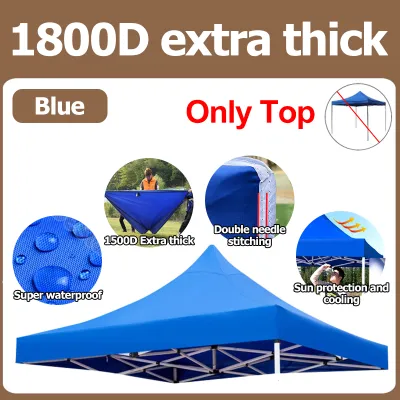
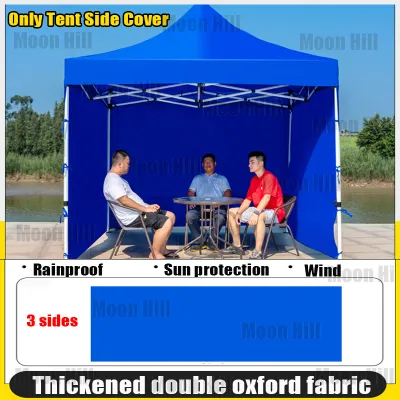
Prices are valid at publication and may change. Please refer to the product page for the latest price.
Beyond the footprint, you must evaluate how the cover attaches to your specific frame. Different manufacturers utilize distinct attachment systems, such as full-length pole sleeves, heavy-duty plastic clips, corner grommets, or internal Velcro straps. A cover designed exclusively for pole sleeves will not function on a frame that requires clip-on attachments. Similarly, pop-up canopy frames require specific corner pockets and tension straps that differ entirely from traditional dome or tunnel camping tent frames.
To avoid a costly mismatch, follow this step-by-step checklist to measure your existing frame before committing to a purchase:
- Measure the exact length of the frame's outer edges from corner to corner at the base.
- Measure the diagonal distance from one corner pole to the opposite corner pole.
- Determine the peak height by measuring from the ground to the highest point of the frame.
- Check the outer diameter of your frame poles using a caliper or a standard measuring tape.
- Inspect the angle of the roof joints or hub connectors to ensure the cover's cut matches the pitch of your roof.
If your frame’s manufacturer specifications are undocumented or unavailable, do not guess the measurements. Contact the original manufacturer’s customer support or seek advice from an outdoor gear specialist to verify compatibility. Attempting to force an ill-fitting cover onto an incompatible frame can bend poles, tear seams, and void any remaining product warranties.
Evaluating Fabrics and Coatings for Tropical Weather
The tropical climate of the Philippines subjects outdoor gear to extreme environmental stress, from intense UV rays to sudden torrential downpours. Selecting the right fabric is critical for long-term durability and safety. Polyester is the most common choice for general camping because it resists UV degradation, dries quickly, and does not stretch or sag when wet. Nylon is lighter and highly packable, making it excellent for trail use, though it can expand slightly when saturated. Heavy-duty canvas offers unmatched durability and breathability, but its substantial weight and high water absorption make it impractical for mobile camping.

When evaluating waterproof performance, look for the hydrostatic head (HH) rating on the manufacturer’s specification sheet. This rating, measured in millimeters, indicates the amount of water pressure the fabric can withstand before leaking. For reliable protection during the Philippine rainy season, look for a minimum rating of 2,000mm. Additionally, ensure the cover features factory-sealed or heat-taped seams. Unsealed seams contain thousands of tiny needle holes from the sewing process, which will quickly leak during a sustained tropical downpour.
Sun protection is equally important in tropical environments. Look for fabrics treated with a polyurethane (PU) coating and an integrated silver or titanium dioxide lining to block harmful ultraviolet radiation. These coatings help reflect solar heat, keeping the interior of the tent significantly cooler during hot midday setups. However, remember that material names alone do not guarantee performance; always verify the specific UPF (Ultraviolet Protection Factor) rating and coating thickness on the product tag.
Finally, pay close attention to the structural reinforcements of the cover. A high-quality tent cover should feature a reinforced bathtub floor design if it is an integrated model, which keeps ground moisture from seeping upward. All high-tension areas, such as guy-line attachment loops, corner pockets, and peak interfaces, must have double-stitched seams and extra fabric patches to distribute mechanical stress evenly and prevent tearing during sudden wind gusts.
Design Features That Improve Airflow and Comfort
In humid tropical environments, condensation is a constant challenge. As warm, moist air inside the tent meets the cooler fabric of the cover, water droplets form on the interior surface, dripping onto your gear. To mitigate this, prioritize covers designed with advanced ventilation systems. Look for models that feature large mesh wall panels, adjustable roof vents, and low-level ground vents. This configuration creates a natural chimney effect, allowing cool air to enter near the bottom while hot, humid air escapes through the top.
Door and window configurations also play a vital role in keeping you comfortable. A double-door design is highly recommended for 3×3 tents, as it allows for maximum cross-ventilation when aligned with the prevailing breeze. Ensure that all doors and windows are backed by fine, high-density mesh to keep out mosquitoes, sandflies (niknik), and other tropical insects without restricting airflow.
Another valuable design feature is an integrated awning extension or a spacious vestibule. A vestibule acts as a protective entryway, offering a dry space to store muddy hiking boots, backpacks, and cooking gear outside the main sleeping area. This not only maximizes your usable interior space but also prevents wet gear from introducing additional moisture into your sleeping quarters, which would otherwise worsen condensation.
Lastly, consider the ease of the setup mechanism. Sudden weather changes in the Philippines require a cover that can be pitched rapidly. Look for covers that incorporate color-coded webbing, quick-release buckles, and hubbed pole designs. These features streamline the assembly process, allowing you to secure your shelter in a matter of minutes before a sudden afternoon rainstorm begins.
Matching Tent Specifications to Your Camping Style
No single 3×3 tent cover is universally perfect for every outdoor scenario. The ideal choice depends entirely on your specific activity, transportation method, and environmental conditions. By matching the cover’s technical specifications to your camping style, you ensure optimal comfort and performance on your trips.
Backpacking and Trekking If you carry your shelter over long distances, such as hiking up Mount Pulag or exploring remote trails in Mindoro, weight and packed size are your primary concerns. Look for ultralight nylon covers with a high denier-to-weight ratio and compact, folding aluminum poles. These materials pack down small enough to fit inside a standard multi-day backpack without adding unnecessary physical strain. While these covers may sacrifice some interior headroom and extra features, their portability is unmatched.
Car Camping and Family Trips For car camping at established sites in Tanay or beachfront spots in Zambales, weight is secondary to overall comfort and livability. Prioritize tent covers that offer steep wall designs to maximize interior headroom, heavy-duty polyester fabrics that withstand frequent use, and multiple entry points for convenient access. These models often include abundant storage pockets, lantern hooks, and large vestibules, making them ideal for families or groups who plan to spend significant time inside the shelter.
Basecamp or Semi-Permanent Setups If you are setting up a long-term basecamp for research, disaster relief, or extended glamping, durability is the absolute priority. Look for heavy-duty canvas covers or thick, high-denier polyester (such as 150D to 300D) designed for prolonged exposure to the elements. These covers should feature heavy-duty guy-line loops, robust corner webbing, and thick steel or fiberglass poles. While they are heavy and bulky to transport, they provide the structural integrity required to withstand sustained winds and intense weather over weeks or months.
Ultimately, choosing the right 3×3 tent cover requires balancing these competing priorities. Assess where you camp most frequently, how you transport your gear, and the typical weather conditions you expect to encounter. Investing in a cover tailored to your specific style will guarantee a safer, more comfortable, and more enjoyable outdoor experience.
Frequently Asked Questions (FAQ)
Can I use a replacement cover on a different brand's 3×3 frame?
Universal compatibility among different tent brands is exceptionally rare. Even if two tents are marketed as 3×3 models, variations in pole diameter, hub angles, peak heights, and attachment mechanisms can prevent a proper fit. A cover that is too tight can snap poles or rip at the seams, while a loose cover will sag, collect water, and flap destructively in the wind. Always measure your existing frame precisely and compare those figures against the replacement cover’s published specifications. If the attachment methods, tension requirements, or physical dimensions are undocumented or conflict with your frame’s design, stop the purchase and consult the manufacturer directly.
How should I dry and store the cover to prevent mold in humid climates?
To prevent mold, mildew, and fabric degradation in the humid Philippine climate, you must thoroughly air-dry your tent cover before storing it. After returning from a trip, hang the cover in a shaded, well-ventilated outdoor area or indoors with a fan running. Never expose the wet cover to direct, intense sunlight for extended periods, as prolonged UV exposure can break down the waterproof polyurethane (PU) and UV-resistant coatings. Once the cover is completely dry to the touch, store it loosely in a breathable cotton or mesh storage bag rather than a tightly compressed plastic sack. Keep the stored cover in a cool, dry indoor closet away from direct heat and high humidity.
Community discussion
Share your experience or ask a question. Comments are reviewed before publication.