
Choosing the right back roller is the difference between active muscle recovery and unnecessary bruising. A back roller serves as a targeted self-myofascial release (SMR) tool designed to alleviate muscle tightness, improve joint range of motion, and support your overall posture. To find the perfect match, you must balance three critical factors: foam density, physical size, and surface texture.
In the warm, humid climate of the Philippines, selecting the right recovery gear also means looking closely at material durability and hygiene. Sweat and moisture can degrade low-quality foams quickly, turning a supportive tool into a soft, warped cylinder. By aligning your personal pain tolerance, fitness level, and specific recovery goals with the right design, you can establish a safe and effective routine that fits seamlessly into your active lifestyle.
Identify Your Recovery Goals and Pain Tolerance
Before looking at product listings, you must clarify what you want to achieve with a back roller. If your goal is general mobility maintenance after a long day of desk work, your needs will differ significantly from someone seeking post-workout recovery after intense weightlifting or trail running. Understanding your primary objective helps narrow down the structural designs and firmness levels that will actually benefit your body.
Products mentioned in this guide
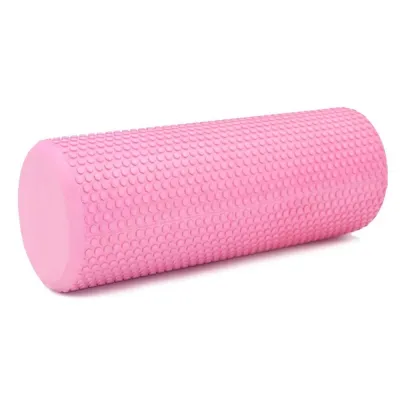
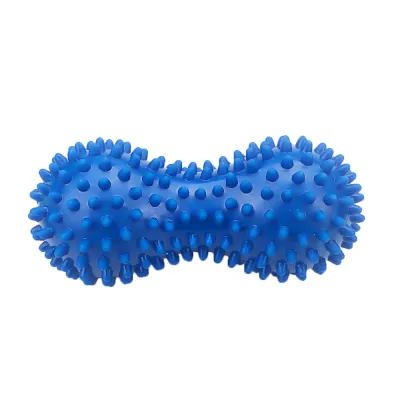
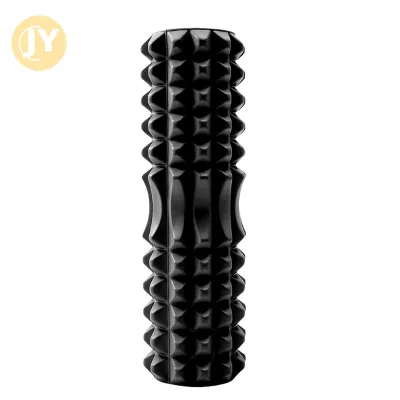
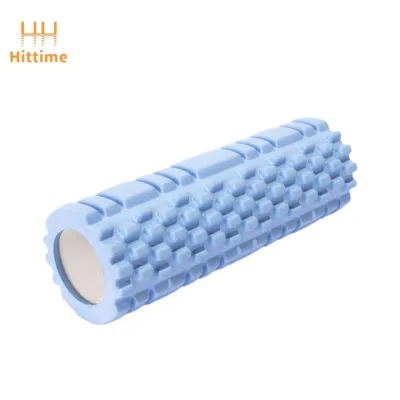
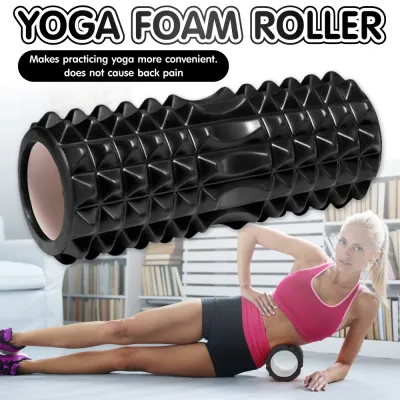
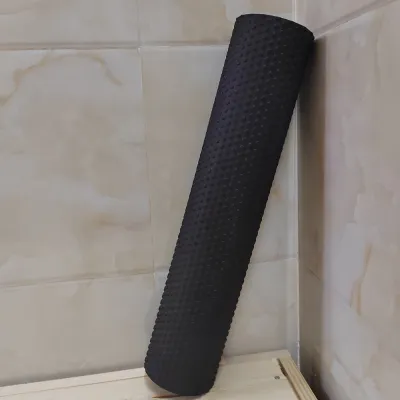
Prices are valid at publication and may change. Please refer to the product page for the latest price.
Evaluating your personal pain threshold is the next essential step in this selection process. Muscle tissue sensitivity varies widely from person to person, and what feels like a satisfying release to one individual may cause excruciating pain or defensive muscle tensing in another. If you are new to self-myofascial release, your nervous system is likely unaccustomed to the intense, localized pressure that these tools apply.
Beginners or individuals with high sensitivity should always start with gentler, more forgiving options that allow the body to adapt gradually. Conversely, advanced users, experienced athletes, or those with dense muscle mass may require more aggressive, firmer tools to penetrate deeper tissue layers. Selecting a tool that is too intense from the outset often leads to bruising or voluntary muscle guarding, which completely defeats the purpose of rolling.
It is also vital to establish a clear boundary regarding the purpose of these fitness accessories. A back roller is designed as a recovery aid to manage minor muscular tension and improve flexibility; it is not a medical treatment for chronic back pain, herniated discs, or structural spinal issues. If you experience persistent, sharp, or radiating pain, you must consult a healthcare professional or physical therapist before attempting any self-treatment.
Foam Density: Matching Firmness to Your Comfort Level
Foam density is the most critical specification to consider, as it directly dictates the intensity of the massage and how much the roller yields under your body weight. In the manufacturing process, density refers to the mass per unit volume of the foam material, which translates directly to the perceived firmness of the roller. A high-density roller will feel solid and unyielding, while a low-density model will compress easily under pressure.

To help you navigate these options, consider this decision matrix that aligns your fitness profile and recovery needs with the appropriate density level:
| User Profile | Experience Level | Recommended Density | Primary Recovery Focus | Price Band (Approximate) |
|---|---|---|---|---|
| Sedentary / High Sensitivity | Beginner | Soft Density | Gentle stretching, light blood flow, relaxation | Under ₱600 |
| Active / General Fitness | Intermediate | Medium Density | Daily muscle maintenance, mild knot release | ₱600 – ₱1,200 |
| Competitive Athlete / Dense Muscle | Advanced | Firm Density | Deep tissue mobilization, intense trigger point work | Above ₱1,200 |
Soft Density (Low Firmness)
Soft density rollers are engineered specifically for beginners, individuals with highly sensitive muscle tissue, or those recovering from mild fatigue. They compress significantly under pressure, distributing your body weight over a wider surface area to deliver a gentle, soothing massage. This low level of firmness is excellent for passive stretching, chest-opening exercises, and promoting blood circulation without causing discomfort.
However, soft foam rollers have distinct structural limitations that make them less suitable for long-term or deep-tissue work. Because they compress so easily, they cannot generate the concentrated pressure required to break up deep muscle adhesions or target knots in larger muscle groups like the lats or glutes. Over time, particularly under heavy daily use, soft rollers may lose their shape and fail to provide even the basic support needed for simple exercises.
Medium Density (Moderate Firmness)
Medium density rollers represent the standard, most versatile category in the fitness market, making them the default choice for general fitness enthusiasts. They offer a balanced compromise, yielding slightly under heavy pressure to protect sensitive tissues while remaining firm enough to massage deeper muscle layers. This moderate firmness makes them highly effective for regular maintenance, relieving moderate muscle tightness, and preparing the body for workouts.
If you are transitioning from a soft roller or are unsure where to start, a medium-density model provides a safe middle ground. It allows you to experiment with different rolling speeds and angles without the risk of extreme discomfort. This versatility ensures that the tool remains useful as your pain tolerance improves and your muscles become more accustomed to regular SMR.
Firm Density (High Firmness)
Firm density rollers are designed for deep tissue massage, targeting stubborn muscle knots, and addressing severe adhesions in dense muscle groups. These rollers are typically constructed with a solid inner core or made from highly compressed foam that does not deform under heavy body weight. They are best suited for competitive athletes, powerlifters, or individuals with high pain tolerance who require deep, intense pressure to restore tissue mobility.
You must exercise caution when using high-firmness rollers, especially on the delicate structures of the back. If a roller is too hard, your muscles may contract defensively to protect the area, which can cause bruising or exacerbate existing inflammation. Avoid firm rollers entirely if you experience sharp, localized pain or have highly sensitive back muscles that react poorly to direct pressure.
Size and Shape: Targeting Specific Back Muscles
The physical dimensions and structural shape of a back roller dictate which muscle groups you can target effectively and how stable the tool feels during use. While standard cylindrical rollers are the most common, specialized shapes have emerged to address the unique anatomy of the human spine. Choosing the right dimensions ensures you can perform exercises comfortably without losing balance or putting unnecessary stress on your joints.
Long vs. Short Rollers
Long rollers, typically measuring around 36 inches (91 cm) in length, offer superior stability and are ideal for full-body alignment exercises. Their generous length allows you to lie vertically along the roller, supporting both your head and tailbone simultaneously. This position is highly effective for opening up the chest, stretching the pectoral muscles, and performing gentle spinal alignment movements that counteract a hunched posture.
Short rollers, ranging from 12 to 18 inches (30 to 45 cm), are designed for portability and highly targeted muscle work. Because they are compact, they are easy to pack into a gym bag or store in small spaces, making them popular for active individuals in the Philippines who commute to local fitness centers. Short rollers are exceptionally efficient at isolating specific areas like the upper back, shoulders, and lats, where a longer roller might feel cumbersome and difficult to maneuver.
Standard Cylinders vs. Contoured Shapes
Standard cylindrical rollers apply uniform pressure across the entire surface area that contacts your body. While highly versatile, they require careful positioning and constant core engagement to prevent the roller from pressing directly against your spinal column. When rolling your upper back with a standard cylinder, you must keep your shoulder blades spread wide to ensure the pressure is distributed across the surrounding muscle tissue rather than the bone.
Contoured or half-round shapes, such as rollers with a central groove or a ‘peanut’ profile, are designed to cradle the spine and protect the vertebrae from direct contact. These specialized shapes allow you to target the paraspinal muscles—the thick bands of muscle running parallel to your spine—more safely and with greater precision. Before using any contoured tool, always check the manufacturer’s guidelines to ensure you are positioning the groove correctly to avoid placing pressure on the spinal bones.
Surface Texture: Choosing Between Smooth and Deep Tissue
The texture of a back roller’s surface determines how pressure is distributed across your skin and muscle tissue. Smooth surfaces offer a uniform, predictable experience, while textured patterns manipulate the fascia in distinct ways to mimic professional massage techniques. Matching the texture to your specific recovery goals ensures you get the right balance of comfort and therapeutic benefit.
Smooth Surface
Smooth rollers feature a completely flat exterior that distributes your body weight evenly across the entire contact zone. This uniform distribution prevents any single point from receiving excessive pressure, making the rolling experience predictable and relatively comfortable. Smooth surfaces are the ideal choice for beginners, individuals with sensitive skin, or anyone looking for a relaxing, low-intensity session to wind down after a long day.
Because they do not have ridges or bumps, smooth rollers are also gentler on the superficial fascia and skin. They allow you to glide smoothly across large muscle groups without snagging or pulling, which is particularly beneficial if you are rolling in thin athletic wear. While they may not penetrate deep into stubborn knots, they are highly effective for general relaxation and promoting lymph drainage.
Grid and Multi-Density Patterns
Grid rollers feature a patterned surface with varying zones of height, width, and firmness, designed to mimic the physical sensation of a massage therapist’s hands. The flat, wide sections simulate the palms, the tubular ridges mimic the fingers, and the small, firm blocks feel like the thumbs or fingertips. This multi-density design allows you to shift your body weight to transition from a broad, gentle flush to a more focused, localized pressure.
These patterns are highly effective for daily recovery, helping to flush out metabolic waste from muscle tissue and address moderate knots. The channels between the raised patterns also allow for better tissue aeration and blood flow during the rolling process. This makes grid rollers an excellent upgrade for intermediate users who want a more dynamic and productive recovery session without the extreme intensity of fully knobby designs.
Knobby and Trigger Point Textures
Knobby rollers are covered in pronounced bumps, spikes, or aggressive ridges designed to dig deep into specific muscle fibers and trigger points. These textures concentrate your body weight onto tiny, localized areas, creating intense pressure that can break up stubborn, deep-seated adhesions. This style of roller is engineered strictly for advanced users with a high pain tolerance and dense muscle tissue that does not respond to standard rollers.
Due to the aggressive nature of these textures, you must observe strict safety boundaries when using them on your back. Never roll a knobby tool directly over your spine, ribs, or any bony prominences, as the concentrated impact can cause severe bruising, periosteal irritation, or joint inflammation. Keep the focus entirely on thick muscle bellies, and stop immediately if you feel any sharp, radiating, or nerve-like sensations.
Foam Materials: Comparing EVA, EPP, and Durability
When purchasing a back roller, it is easy to get distracted by marketing buzzwords like ‘pro-grade’ or ‘ultra-tough.’ However, these subjective labels do not guarantee performance or longevity; instead, you must verify the actual material composition listed on the product label. The physical properties of the foam determine how well the roller retains its shape under load, how it responds to moisture, and how long it will last.
EVA (Ethylene-Vinyl Acetate) Foam
Ethylene-Vinyl Acetate, commonly known as EVA, is a highly popular copolymer known for its softness, flexibility, and lightweight properties. It is the material of choice for most low-to-medium density rollers because it provides a comfortable, slightly rubbery texture that feels pleasant against the skin. EVA foam also offers excellent shock absorption, making it a forgiving option for those who find harder plastics uncomfortable.
The primary limitation of EVA foam is its susceptibility to permanent deformation and flattening over time. Under frequent, heavy use or high body weights, the cellular structure of EVA can gradually collapse, leaving you with an oval-shaped roller that no longer rolls smoothly. In the warm and humid conditions of the Philippines, cheap EVA rollers can degrade even faster if left in direct sunlight or stored in hot, unventilated spaces like car trunks.
EPP (Expanded Polypropylene) Foam
Expanded Polypropylene, or EPP, is a highly durable, bead-based foam known for its exceptional structural rigidity and shape retention. EPP rollers are lightweight yet incredibly tough, resisting deformation even under extreme weight and high-frequency use. This material is the industry standard for high-density, firm rollers found in commercial gym environments, where durability is a primary concern.
EPP rollers maintain their perfect cylindrical shape for years, ensuring a consistent and reliable rolling experience over their entire lifespan. The trade-off is that EPP is a very firm, unyielding material that can feel harsh or abrasive on sensitive skin or bony areas. If you choose an EPP roller, be prepared for a firm, deep-tissue experience that requires proper technique and controlled movement to avoid discomfort.
Verifying Material Claims
To ensure you are getting a high-quality product that matches your expectations, always inspect the manufacturer’s specifications or physical packaging for clear material acronyms like EVA or EPP. Avoid products that only use vague marketing terms without specifying the foam type, as these are often made from low-grade materials that degrade rapidly. Investing in a verified EVA or EPP roller ensures better performance, hygienic maintenance, and a much longer product lifespan.
Safety Boundaries: Correct Technique and When to Stop
Using a back roller can be incredibly beneficial, but improper technique can lead to serious injury or exacerbate existing spinal issues. Unlike large muscle groups like the thighs or calves, the back contains delicate skeletal structures, nerve pathways, and vital organs that require careful protection. Understanding where and how to roll is crucial for maintaining a safe, productive recovery routine.
First and foremost, you must never roll directly over your spine (the vertebrae), your neck (cervical spine), or your lower back (lumbar spine). The lower back lacks the protective cage provided by the ribs, and rolling over this area can force the lumbar spine into dangerous hyperextension while putting excessive pressure on your kidneys and internal organs. Similarly, rolling directly on the neck can compress delicate cervical vertebrae and restrict blood flow to the brain.
Instead, focus your efforts entirely on the thick muscle bellies of your upper and mid-back, such as the lats, rhomboids, and upper trapezius. To protect your spine when rolling the upper back, cross your arms over your chest to pull your shoulder blades apart, exposing the target muscles and creating a flat, supportive surface. Keep your core engaged and use your legs to control your movement, gliding slowly and mindfully over the muscle tissue.
You must immediately stop rolling and consult a qualified medical professional if you experience any of the following warning signs: sharp or shooting pain, numbness, tingling, acute joint pain, localized swelling, or inflammation. Individuals with diagnosed medical conditions such as osteoporosis, spinal stenosis, severe arthritis, acute muscle tears, or those who are pregnant should avoid foam rolling unless cleared by their physician. Remember that foam rolling should only produce a ‘good pain’—a mild, satisfying discomfort associated with muscle release—and should never cause sharp, joint, or nerve-related distress.
Frequently Asked Questions (FAQ)
Can I use a back roller every day?
Yes, you can safely use a back roller daily for light mobility work, gentle stretching, and promoting blood circulation. However, if you perform intense, deep-tissue rolling sessions that target stubborn muscle knots, your muscle fibers require time to repair. Avoid aggressive rolling on the same muscle group more than once every 24 to 48 hours, and always listen to your body’s feedback to prevent over-sensitizing the tissue.
How long should I roll my back per session?
You should aim to spend approximately 1 to 2 minutes per specific muscle group during a rolling session. Avoid staying on a single, highly tender spot for longer than 30 to 45 seconds at a time, as prolonged localized pressure can cause bruising, skin irritation, or nerve compression. Keep the roller moving slowly and mindfully, allowing the tissue to release gradually without causing unnecessary trauma.
Is a hard foam roller always better for muscle knots?
No, a harder foam roller is not always better for resolving muscle knots. If a roller is excessively hard, your nervous system may perceive the intense pressure as a threat, causing your muscles to contract defensively and tighten further. If you encounter a stubborn knot, it is often more effective to start with a medium-density roller to relax the surrounding tissue, or use a smaller, targeted tool like a massage ball for localized release.
Community discussion
Share your experience or ask a question. Comments are reviewed before publication.