
Choosing the right badminton bag for women is a practical decision that directly impacts how you protect your gear and how comfortably you travel to the court. A great bag does more than hold your rackets; it organizes your essentials, shields delicate equipment from tropical humidity, and fits your physical frame comfortably. Whether you are commuting through busy city streets, heading straight from an office, or packing for a weekend tournament, the ideal bag balances storage capacity with ergonomic design.
By focusing on key features like thermal protection, dedicated shoe compartments, and adjustable carrying systems, you can find a bag that matches your playing frequency and lifestyle. The goal is to select a model that prevents shoulder strain, keeps your gear organized, and stands up to the demands of regular court sessions.
Evaluating Capacity and Compartment Layout
Selecting the right bag starts with assessing how much gear you carry to the court on a regular basis. Badminton rackets are delicate instruments; their frames can warp and their strings can lose tension when exposed to extreme temperature fluctuations. This is particularly true in tropical climates where high heat and humidity are common. To safeguard your investment, look for a bag that features at least one thermal-lined racket compartment. This specialized lining acts as an insulating barrier, helping to maintain a stable internal temperature and preserving your string tension for longer periods.
Products mentioned in this guide
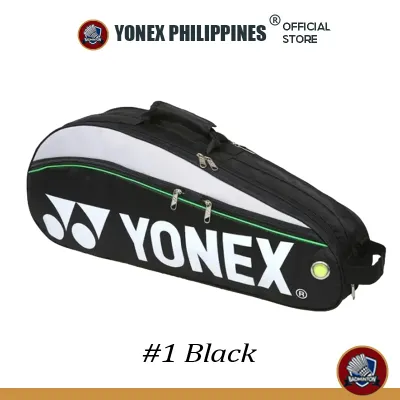
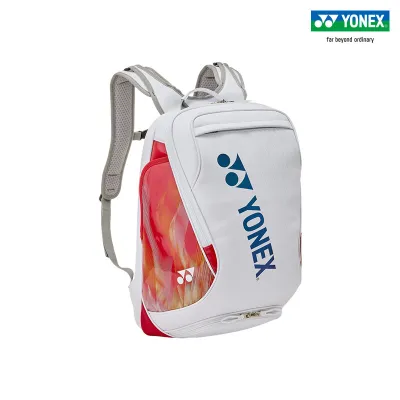
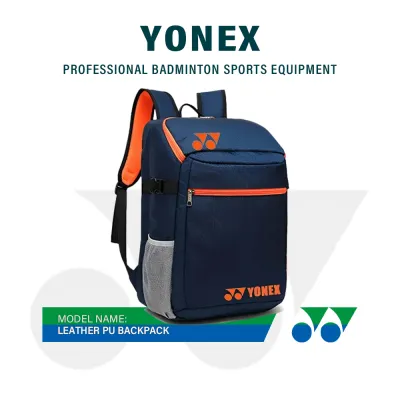
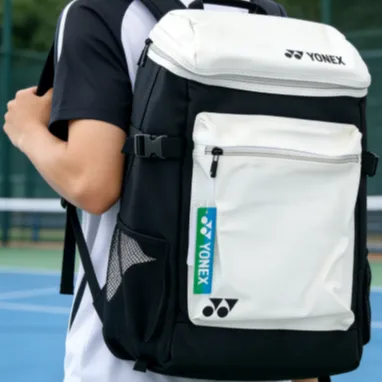
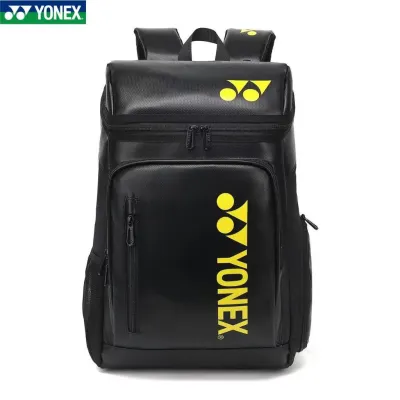
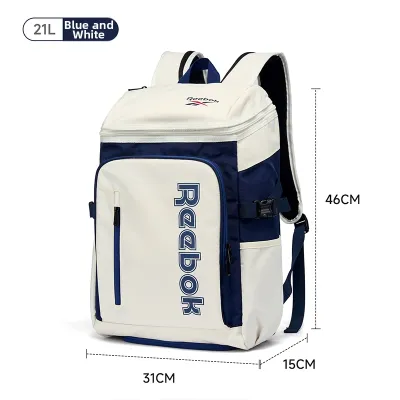
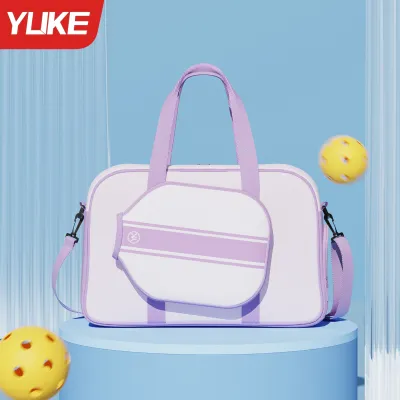
Prices are valid at publication and may change. Please refer to the product page for the latest price.
Racket capacity is another critical factor to consider. If you only play recreationally once a week, a compact bag designed for two to three rackets is usually sufficient. However, competitive players who carry backup frames, training rackets, and multiple sets of strings will benefit from a larger six-racket or nine-racket bag. Keep in mind that these capacity ratings refer to the maximum number of rackets the bag can hold without other gear; if you plan to pack clothing and accessories in the same compartment, you will need to scale up your size choice.
A dedicated, ventilated shoe compartment is an absolute necessity for any active badminton player. Court shoes accumulate dust, sweat, and grip residue during a match. Storing them in the same compartment as your clean apparel or rackets can transfer dirt and trap moisture, leading to unpleasant odors and potential mold growth. A separate shoe pocket, ideally located at the bottom or side of the bag with built-in mesh vents, isolates your footwear while allowing air to circulate freely.
Beyond rackets and shoes, your bag must accommodate a variety of smaller essentials. Look for specialized pockets designed for shuttlecock tubes, which prevent the delicate feathers from being crushed under the weight of other gear. Small zippered pockets are highly useful for organizing replacement grips, grip powder, scissors, and personal items like keys, phones, and jewelry. A dedicated wet/dry pocket lined with water-resistant material is also incredibly convenient for storing damp towels or sweaty shirts after an intense session on the court.
Choosing the Right Fit and Carrying Style
The way you transport your gear is just as important as what you pack inside. Badminton bags generally fall into two main categories: backpacks and traditional rectangular racket bags or shoulder totes. Backpacks are highly favored by active commuters who walk, ride motorcycles, or use public transportation to reach the sports center. They distribute weight evenly across both shoulders, reducing localized strain and keeping your hands free. Traditional rectangular bags and shoulder totes, on the other hand, offer a classic court aesthetic and are excellent for players who travel primarily by car and only need to carry their gear short distances.

Ergonomics play a vital role in preventing fatigue and discomfort, especially for players with shorter torsos or narrower shoulders. Many standard unisex badminton bags are designed with longer dimensions that can sag below the hips or slip off the shoulders of smaller frames. When evaluating a bag, look for adjustable, heavily padded shoulder straps that can be customized to sit snugly against your upper back. A breathable, padded mesh back panel is also essential in warm climates, as it promotes airflow and prevents sweat from soaking through your clothing during your commute.
Weight distribution features can make a significant difference when carrying a fully loaded bag. A sternum strap, which clips across the chest, helps secure backpack straps in place and prevents them from sliding outward. This feature is particularly useful if you are navigating crowded spaces or walking long distances. Additionally, look for sturdy, padded top grab handles. These allow you to lift the bag easily from car trunks, overhead bins, or locker room benches without putting unnecessary stress on the main shoulder straps.
Before finalizing your choice, consider how the bag sits against your body when fully packed. A bag that is too wide can restrict your arm movement, while one that is too deep can pull your center of gravity backward, causing posture issues. Opting for a streamlined profile that aligns with your natural shoulder width ensures a much more comfortable and stable carrying experience.
Checking Material Durability and Weather Protection
A badminton bag must be resilient enough to withstand the physical demands of daily use and exposure to various environments. The durability of a bag is largely determined by its fabric denier, which measures the thickness and density of the individual threads. Look for bags constructed from high-denier polyester or nylon, such as 600D or higher. These materials offer excellent resistance to tears, punctures, and abrasions, ensuring that the bag can handle the weight of multiple rackets, water bottles, and heavy gear without fraying at the seams.
Weather protection is another crucial consideration, particularly in regions prone to sudden tropical downpours. Water-resistant exterior coatings, such as polyurethane (PU) or thermoplastic polyurethane (TPU) laminates, help repel water droplets and keep the interior dry. Some advanced bags feature water-resistant zippers with protective fabric flaps to prevent moisture from seeping through the teeth. If you commute frequently in wet weather, look for models that include a built-in or detachable rain cover that can be quickly deployed over the entire bag.
The base of the bag is the area most vulnerable to wear and tear. Throughout a typical training session, your bag will be placed on dusty court floors, concrete benches, or even outdoor surfaces. To prevent the bottom from wearing through, high-quality bags feature reinforced, abrasion-resistant base panels. Materials like heavy-duty tarpaulin or textured rubber are ideal for this area because they are highly durable and easy to wipe clean with a damp cloth, preventing dirt and moisture from transferring to your car or home floors.
Additionally, pay close attention to the quality of the hardware. Double-stitched seams, reinforced stress points, and heavy-duty metal or molded plastic zippers are indicators of a well-constructed bag. Zippers should glide smoothly without catching on the lining, as stuck or broken zippers can render an otherwise perfect bag completely unusable.
Balancing Court Function with Everyday Style
For many players, a badminton bag needs to serve multiple purposes throughout the day. If you head to the court directly from work or university, carrying a bright, neon-colored sports bag into a professional or academic setting might not align with your personal style. Fortunately, modern designs offer a balance between court-ready functionality and everyday aesthetics. Many manufacturers now produce bags in neutral colorways, soft pastel tones, and minimalist patterns that transition seamlessly from a corporate office to the sports complex.
Sleek, low-profile designs help you avoid the bulky, aggressive look of traditional tournament bags. A streamlined backpack or a structured tote bag can easily pass as a standard commuter bag while still containing dedicated compartments for your rackets and court shoes. This versatility allows you to carry a single bag for the entire day, saving you the hassle of managing multiple items during your morning commute.
To truly function as an everyday carry option, the bag should include features that accommodate your non-sporting essentials. Look for models that incorporate a padded laptop sleeve or a dedicated tablet pocket. These compartments should be physically separated from the main gear storage to protect your electronics from any moisture, dirt, or impact from your rackets. Organized tech pockets for chargers, pens, and notebooks further enhance the bag’s utility as a daily workhorse.
By choosing a design that balances style and function, you get more value out of your purchase. A versatile bag that looks great in any environment encourages you to stay active, making it easier to fit a quick badminton session into your busy daily schedule.
Building Your Shortlist: A Pre-Purchase Checklist
Before making your final purchase, it is helpful to organize your requirements into a practical decision matrix. This ensures you select a bag that fits your actual usage patterns rather than one that simply looks appealing on a shelf or online listing. Start by mapping out your typical gear loadout. Lay out everything you plan to carry on a busy day—rackets, shoes, shuttlecocks, extra clothing, water bottle, and personal items—and verify that your shortlisted bags have the specific compartments to house them comfortably.
Setting a realistic budget is the next step. In the Philippines, high-quality badminton bags generally range from entry-level models around ₱1,000 to premium, fully featured tournament bags that can exceed ₱4,000. While it can be tempting to choose the most affordable option, it is wise to prioritize essential protective features. Investing a bit more in a bag with a thermal-lined racket compartment and a ventilated shoe pocket will protect your expensive rackets and shoes, saving you money on replacements and restringing in the long run.
Finally, always check the manufacturer’s detailed specifications before checking out. Pay close attention to the exact physical dimensions and the empty weight of the bag. A bag that is too heavy before you even pack your gear will quickly become uncomfortable to carry. If you are purchasing online, look for detailed photos of the strap system, back padding, and interior pockets. Checking the manufacturer’s warranty terms can also provide peace of mind regarding the long-term durability of the zippers and seams.
Frequently Asked Questions (FAQ)
Can I use a standard unisex badminton bag instead of a women-specific model?
Yes, you can absolutely use a standard unisex badminton bag, as the core function of protecting your gear remains the same. However, unisex bags are often designed around larger average body proportions, which can result in longer torso lengths and wider shoulder strap placements. For women with narrower shoulders or shorter torsos, these bags may slide off during movement or bounce uncomfortably against the lower back. If you choose a unisex model, look for highly adjustable straps and a compact overall length to ensure a secure, ergonomic fit.
How do I clean and maintain my badminton bag?
To prolong the lifespan of your badminton bag, always check the manufacturer’s care label for specific instructions before cleaning. As a general rule, avoid machine washing or submerging the bag in water, as this can damage water-resistant coatings and thermal linings. Instead, spot clean the exterior and interior surfaces using a soft cloth, mild soap, and lukewarm water. Pay special attention to the shoe compartment and base panel. After cleaning, open all the compartments and allow the bag to air dry completely in a shaded, well-ventilated area away from direct sunlight, which can fade fabrics and degrade materials over time.
Community discussion
Share your experience or ask a question. Comments are reviewed before publication.