
Setting up a home basketball court is a classic way to bring recreation, fitness, and family bonding right to your doorstep. In the Philippines, where basketball is a deeply ingrained part of daily life, having a reliable hoop in the driveway, backyard, or garage allows players of all ages to practice their shooting and enjoy casual games. However, finding the right basketball ring with ball set requires more than just picking the first bundle you see online. You must carefully evaluate your physical space, the local climate, and the specific needs of the players who will use it.
A complete home basketball set typically includes the rim, backboard, support system, and a matching ball. While the convenience of a bundled package is undeniable, the quality of these components can vary significantly. To make a smart investment that provides years of safe, active play, you need to understand how different materials and designs perform under local conditions. This guide will walk you through the essential decision factors, installation safety checks, and purchasing considerations to help you choose the perfect basketball set for your home.
Key Factors for Choosing a Home Basketball Set
Before browsing available products, you must assess the physical environment where the basketball set will stand. The first step is measuring your available driveway or backyard dimensions. A standard half-court requires a substantial flat area, but even a single-car driveway can accommodate a hoop if you plan carefully. Ensure the ground is level, as playing on an incline can affect ball bounce, player balance, and the overall stability of the hoop structure.
Products mentioned in this guide
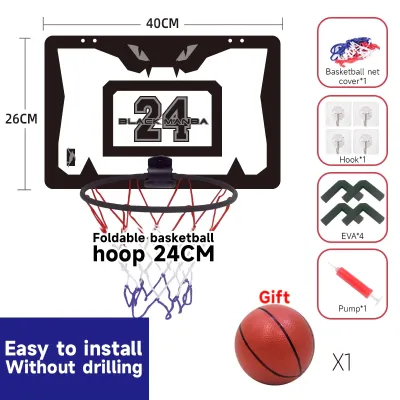
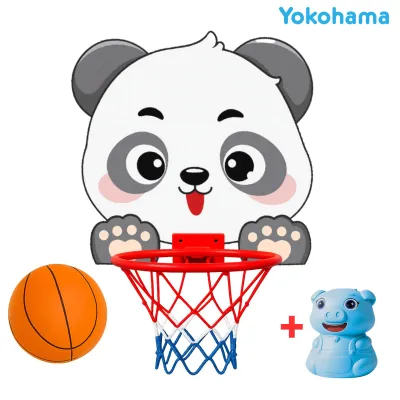
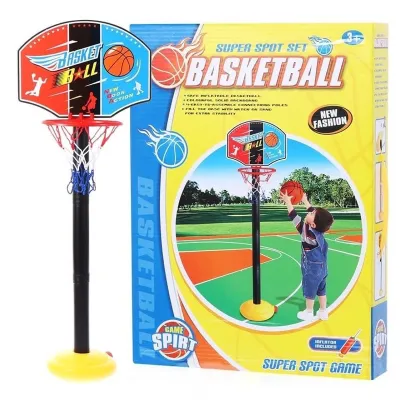
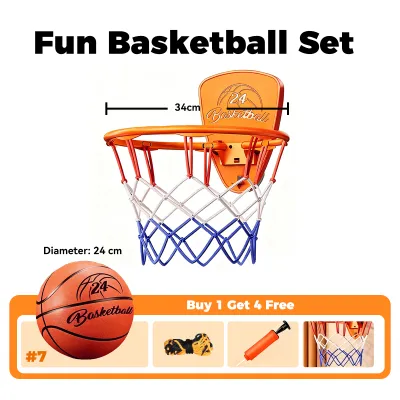
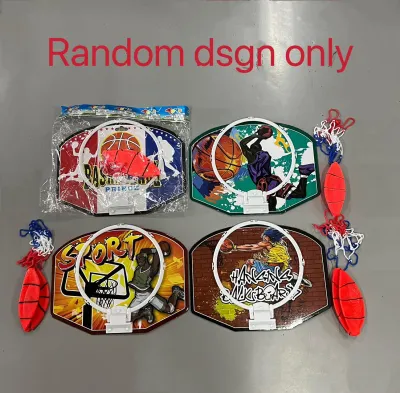
Prices are valid at publication and may change. Please refer to the product page for the latest price.
Equally important is checking for overhead clearance. Look up to identify potential obstructions such as tree branches, roof gutters, low-hanging utility lines, or carport ceilings. A basketball shot requires a high arc, and hitting these obstacles can ruin the game and create serious safety hazards. Ensure there is at least several feet of clear vertical space above the maximum height of the backboard to allow for natural shots and rebounds.
Next, match the hoop’s height adjustability to the age and skill level of the players in your household. While the standard regulation rim height is 10 feet (3.05 meters), younger children need lower rims to develop proper shooting mechanics without straining their muscles. Look for systems that adjust from 5 or 7 feet up to the regulation 10 feet. Telescoping poles that adjust in fixed increments are common in entry-level sets, while crank-actuated systems allow for smooth, continuous adjustments that can grow alongside your children.
Finally, consider local weather exposure. The tropical climate in the Philippines presents unique challenges for outdoor sports equipment. High humidity, intense solar radiation, and heavy seasonal rainfall can quickly degrade substandard materials. Steel parts that lack proper powder coating will rust, while cheap plastics will become brittle and crack under constant sun exposure. When evaluating a set, check the specifications for rust-resistant coatings on the metal pole and rim, as well as UV inhibitors on the backboard and base.
Types of Basketball Hoops for Backyards and Driveways
Selecting the right hoop mounting style is crucial for matching your property layout and mobility needs. The three primary configurations are in-ground, portable, and wall-mounted systems. Each type offers distinct advantages and trade-offs regarding stability, space efficiency, and installation complexity.

In-ground systems offer the highest level of stability and the most realistic rebound performance because the support pole is permanently anchored in a concrete foundation. They take up the least amount of ground space, making them excellent for tight driveways. However, they require a permanent installation process involving digging and pouring concrete, which means they cannot be moved once set. Before choosing this option, verify your property boundaries and check with your homeowners’ association (HOA) or local barangay guidelines to ensure permanent structures are permitted near the street or property line.
Portable systems feature a large plastic base that you fill with ballast to keep the system upright. They offer excellent flexibility because you can roll them out of the way when you need to park a car or store them during severe weather. The main decision when setting up a portable hoop is whether to fill the base with water or sand. Water is highly convenient, easy to fill, and simple to drain if you need to relocate the hoop. However, water can slowly evaporate or leak if the plastic base develops a hairline crack. Sand is significantly heavier and provides superior stability against strong winds, but it is much harder to fill and makes the hoop extremely difficult to move once loaded.
Wall-mounted hoops are a highly efficient alternative if you have limited ground space but a sturdy structural wall. These sets mount directly to the exterior wall of a house, garage, or a concrete pillar. They eliminate the need for a ground pole or a bulky base, leaving the playing surface completely clear. The critical requirement here is structural integrity. You must verify that the wall is made of solid concrete, reinforced hollow blocks, or heavy timber framing capable of handling the constant vibration and downward force of a basketball hitting the rim. Never mount a hoop to simple drywall, thin siding, or unreinforced brick.
Matching the Ball and Backboard to Your Playing Surface
To ensure a satisfying playing experience, you must select a basketball and backboard material that suits your home court surface and outdoor conditions. The interaction between the ball, the backboard, and the ground determines the quality of play and the lifespan of your equipment.
The type of basketball included in your set dictates how well it performs on your specific playing surface. For outdoor concrete or asphalt driveways, a durable rubber basketball is the most practical choice. Rubber balls resist abrasion from rough ground, maintain their grip even when dusty, and are highly water-resistant. Composite leather balls offer a softer feel and better grip, mimicking the feel of professional indoor balls, but they wear down much faster on rough outdoor surfaces. Genuine leather balls should never be used outdoors, as moisture and concrete will quickly ruin the material.
The backboard material directly affects both the durability of the set and the quality of the rebound. Polycarbonate backboards are virtually indestructible and highly resistant to hard impacts, making them excellent for households with active teenagers. However, polycarbonate tends to absorb energy, resulting in a “dead” rebound where the ball does not bounce back lively off the board. Acrylic backboards offer a much cleaner, professional look and a more active rebound, but they can scratch over time. Tempered glass is the gold standard used in professional courts, providing the truest rebound and scratch resistance, but it is heavy, expensive, and requires a highly robust support frame to prevent shattering.
Finally, verify that the included ball size and weight match the rim size and player age. A standard rim has an inner diameter of 18 inches (45.7 cm), which easily accommodates all standard basketball sizes. However, a full-size basketball (Size 7) can be too heavy and large for children, leading to poor shooting form and potential wrist strain. If the bundled set comes with a standard ball but you have younger players, plan to purchase a separate youth-sized ball to ensure safe and enjoyable play.
Installation, Safety, and Space Requirements
Setting up a home basketball hoop requires careful planning to prevent accidents, injuries, and property damage. Because basketball is a dynamic, high-impact sport, the equipment must be installed securely and positioned in a way that minimizes risks to players and bystanders.
Before assembling your hoop, map out a safe playing zone. There should be at least 3 to 5 feet of clear space behind the backboard and along the sides of the court area to prevent players from running into walls, fences, or garden beds. Ensure the court is positioned far away from glass windows, sliding doors, and parked vehicles to avoid accidental property damage. Most importantly, keep the play area away from active streets or blind driveways where players chasing a loose ball could run into oncoming traffic.
Always follow the manufacturer’s step-by-step instructions for anchoring and assembly. For portable models, never allow anyone to play on the hoop or shoot at the rim until the base is completely filled with the recommended amount of water or sand. Playing on an unweighted hoop can cause the entire structure to tip forward, leading to severe head or bodily injuries. Use a level during assembly to ensure the pole stands perfectly vertical; a tilted pole puts uneven stress on the joints and makes shooting frustratingly inaccurate.
Know when to pause the installation and seek professional assistance. If you encounter underground pipes, electrical conduits, or extremely rocky soil while digging for an in-ground pole, stop immediately and consult a utility locator or professional contractor. Similarly, if you are mounting a hoop to a wall and find that the concrete is crumbling, uneven, or lacks internal reinforcement, do not proceed with standard anchors. A professional structural installer can assess whether additional steel brackets or backing plates are required to secure the load safely.
Building Your Shortlist: What to Check Before Buying
Equipped with an understanding of your space and material needs, you can now create a practical verification checklist to evaluate bundled sets on ecommerce platforms or in physical sporting goods stores. Taking the time to verify these details will prevent buyer’s remorse and ensure you get a complete, functional system.
Establish a clear budget in Philippine Pesos (₱) before browsing. Entry-level portable sets typically range from ₱3,000 to ₱8,000, which are suitable for younger children and casual shooting. Mid-range systems with sturdier steel poles and acrylic backboards generally cost between ₱10,000 and ₱25,000, offering a good balance of durability and performance. Heavy-duty, semi-professional systems can exceed ₱40,000. Compare the cost of a complete bundle (which includes the hoop, net, ball, and pump) against buying the components individually to ensure you are getting the best value for your money.
Carefully read the product description and customer reviews on your chosen ecommerce platform to verify exactly what is included in the package. Some listings may feature images of a complete setup but only sell the rim and net, or exclude the ball and pump. A true “ring with ball” set should explicitly list the rim, backboard, mounting brackets or pole system, net, at least one basketball, and a manual inflation pump with a needle.
Outdoor sports equipment in a tropical environment undergoes significant wear and tear. Before finalizing your purchase, check the manufacturer’s warranty terms, particularly for the backboard and structural frame. Additionally, verify if the seller or brand offers easily accessible replacement parts. Soft components like nylon nets, base caps, and inflation needles are prone to weathering and loss, so knowing you can easily source replacements will extend the lifespan of your investment.
Frequently Asked Questions (FAQ)
Can I leave a portable basketball hoop outside during heavy rain or storms?
Yes, high-quality portable hoops are designed for outdoor use, but extreme weather requires active precautions. During heavy tropical rains, the materials should withstand moisture, provided they have rust-resistant coatings. However, when a typhoon or severe wind warning is issued, you must take immediate steps to secure the structure. Lower the adjustable pole to its lowest height setting to minimize wind resistance. If possible, roll the hoop into a garage, carport, or against a sturdy wall where it is shielded from the wind. If you cannot move it indoors, lay the entire structure down flat on the grass or ground with the backboard facing upward to prevent the wind from catching it and slamming it down, which can shatter the backboard or bend the rim.
What size basketball is appropriate for younger players at home?
Choosing the right basketball size is crucial for helping young players develop proper shooting form and hand-eye coordination. For children aged 9 and under, a Size 5 basketball (measuring 27.5 inches in circumference) is highly recommended because it is lighter and easier for small hands to grip. Players aged 10 to 12, as well as female players aged 12 and older, should use a Size 6 basketball (28.5 inches). Male players aged 13 and older should transition to a standard Size 7 basketball (29.5 inches). If your bundled set only includes a standard Size 7 ball, consider purchasing a separate, smaller ball if younger children will be the primary players, ensuring they can play safely without straining their joints.
Community discussion
Share your experience or ask a question. Comments are reviewed before publication.