
Finding the right belt bag for jogging requires looking beyond basic storage capacity to focus on stability, moisture protection, and a secure fit. Unlike casual walking packs, a dedicated running belt must withstand the continuous vertical and lateral forces of your stride. In tropical climates where high humidity and sudden downpours are common, selecting a bag with sweat-resistant materials and a bounce-free design is essential to prevent painful chafing and protect your expensive electronics. By focusing on adjustable, elasticated waistbands and dedicated compartments, you can ensure your gear remains secure and dry throughout your run.
Why Standard Waist Packs Fail During Jogging
Standard waist packs and fashion-focused fanny packs are designed for low-impact activities like walking, traveling, or running errands. When subjected to the high-impact biomechanics of jogging, these bags quickly reveal their limitations. The constant up-and-down movement of running creates vertical oscillation, causing a loose or inelastic bag to bounce violently against your lower back or pelvis. This repetitive impact not only disrupts your running rhythm but also leads to friction-induced chafing against your skin or clothing.
Furthermore, everyday packs typically feature loose, non-adjustable compartments where heavy items like smartphones and keys can shift freely. This uneven weight distribution forces the bag to sag or slide down your hips, requiring constant manual adjustments mid-run. The tension of standard nylon straps often loosens under the stress of repetitive movement, forcing you to pull the strap tighter, which can restrict your breathing or dig uncomfortably into your waist.
Products mentioned in this guide
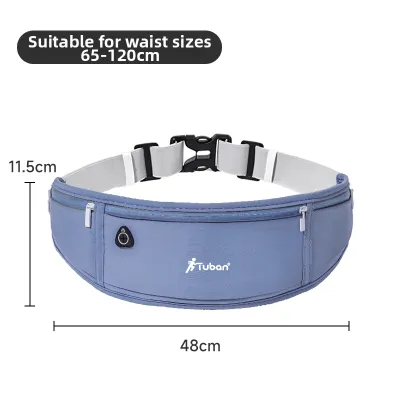
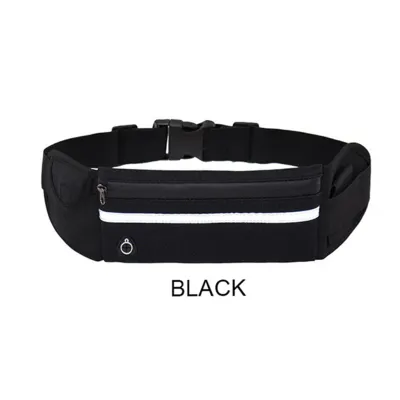
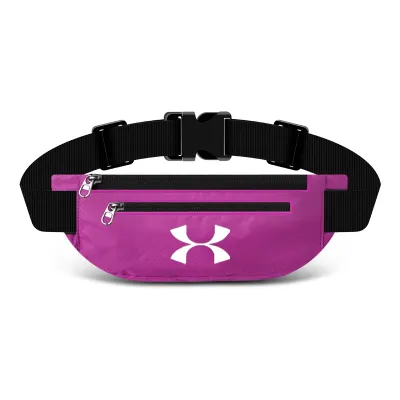
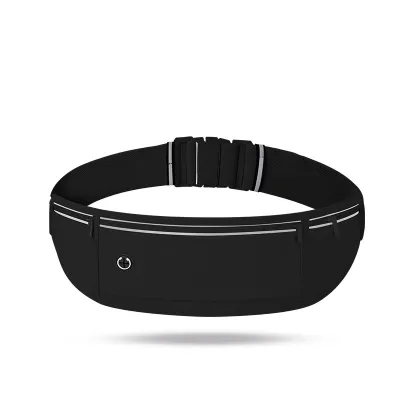

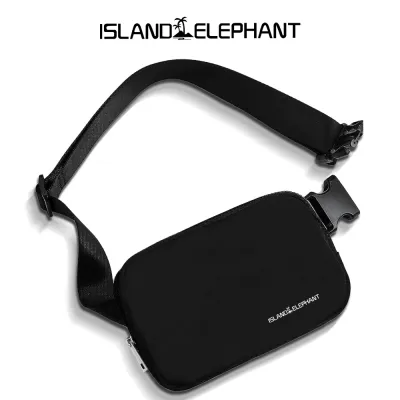
Prices are valid at publication and may change. Please refer to the product page for the latest price.
Moisture damage is another significant risk when using non-specialized bags for jogging. Standard fabrics like canvas, cotton, or basic nylon absorb sweat and environmental moisture rather than repelling it. During a humid run, your body heat and perspiration will quickly saturate the back panel of a standard pack, transferring moisture directly to your smartphone, car keys, or paper currency. Over time, this constant exposure to salty sweat can corrode charging ports, damage delicate electronic components, and ruin physical documents.
Essential Features for a Running Belt Bag
To avoid the discomfort and gear damage associated with standard packs, you must look for a belt bag engineered specifically for athletic performance. A high-quality running belt relies on three core design pillars: exceptional stability, optimized storage capacity, and robust weather protection. Evaluating these pillars ensures your bag supports your fitness goals rather than hindering them.

Bounce-Free Fit and Adjustability
The foundation of any high-performing running belt is its ability to remain completely stationary against your body. To achieve a bounce-free fit, look for a belt that features a wide, highly elasticated waistband. Narrow straps tend to concentrate pressure in a small area, which can cause the belt to dig into your skin or roll over during movement. A wider band distributes the weight of your gear across a larger surface area, keeping the pack stable without requiring restrictive tightness.
In addition to elasticity, examine the fastening and adjustment mechanisms of the belt. Low-profile, heavy-duty buckles or secure hook-and-loop fasteners are ideal because they minimize bulk and prevent accidental unclipping. Many specialized running belts also incorporate internal silicone grip linings or textured patterns on the inner side of the strap. These grips cling gently to your running shorts or shirt, preventing the belt from riding up toward your waist or sliding down your hips as you sweat.
Adjustability is equally critical for accommodating different clothing layers and body changes. Ensure the belt offers a wide adjustment range that can be easily tightened or loosened while on the move. A belt that fits perfectly over thin summer singlets should also adjust to fit securely over a light windbreaker or rain jacket during wet weather. Testing the elasticity of the strap before purchasing helps verify that it can stretch to accommodate your breathing expansion while maintaining enough tension to hold your gear in place.
Phone Compartment Size and Accessibility
Modern smartphones are essential tools for many runners, serving as GPS trackers, music players, and emergency communication devices. However, their increasing physical size and weight present a challenge for running belt design. When selecting a belt bag, you must carefully measure the internal dimensions of the main pocket against your specific phone model, taking into account the thickness of your protective phone case. A pocket that is too tight will stretch the fabric to its limit, making it difficult to insert or remove the device quickly.
To protect your screen and internal components, look for a dedicated, padded sleeve within the main compartment. This sleeve keeps your phone isolated from other items, preventing scratches from keys or coins. Water-resistant zippers, often featuring a polyurethane coating or a protective fabric flap, are crucial for preventing rain and sweat from seeping through the zipper teeth.
Accessibility is another key factor to consider during your selection process. Evaluate the placement of the zipper and the size of the pull-tab. A zipper that runs horizontally across the front of the belt is generally easier to operate with one hand than a vertical or top-loading opening. Large, textured pull-tabs or cord loops allow you to unzip the compartment and retrieve your phone without breaking your running stride or having to look down at your waist.
Sweat Resistance and Breathable Materials
Jogging in warm, humid conditions guarantees significant sweat production, making material selection one of the most critical aspects of choosing a belt bag. The main body of the bag should feature water-resistant or waterproof materials, such as treated ripstop nylon, neoprene, or thermoplastic polyurethane (TPU) laminates. These fabrics act as a barrier, preventing external moisture and body sweat from penetrating the storage compartments and damaging your valuables.
While the outer shell must repel moisture, the back panel—the side that rests directly against your body—must prioritize breathability. Look for belts that utilize a soft, multi-layered mesh or perforated foam backing. This design promotes continuous airflow, allowing heat to escape and reducing the accumulation of sweat against your skin. A breathable back panel also dries much faster than solid fabrics, reducing the risk of bacterial growth and unpleasant odors between runs.
Conversely, you should avoid heavy, non-breathable materials like standard canvas, thick cotton blends, or heavy leather. These fabrics trap heat, absorb moisture like a sponge, and become significantly heavier when wet. The added weight of a waterlogged bag increases bouncing, while the rough texture of wet canvas can cause severe skin irritation and chafing within just a few kilometers of jogging.
Secondary Features Based on Your Running Route
While stability and moisture protection are universal requirements, your specific running environment and routine will dictate which secondary features are necessary. Factors such as your average running distance, the terrain you traverse, and the time of day you prefer to exercise all play a role in determining your storage and safety needs.
Storage for Hydration, Keys, and Nutrition
For longer runs, you will need to carry more than just a phone. Look for a belt bag that offers dedicated, separate compartments for small essentials. A small, zippered key pocket with an internal clip is highly beneficial; it keeps your keys secure and prevents them from bouncing around and scratching your phone screen or tearing your energy gel packets.
If your routes extend beyond an hour, hydration and nutrition become vital. Some running belts feature external elastic loops designed to hold energy gels, allowing for quick access without opening the main pocket. Other designs include expandable mesh pockets or specialized holsters that can accommodate small, flexible soft flasks. When evaluating these features, ensure the hydration storage is positioned centrally or symmetrically to prevent the belt from tilting or pulling to one side under the weight of the liquid.
However, it is important to avoid overloading your belt bag. Prioritize a minimalist storage layout that matches your actual needs for a typical run. Carrying unnecessary items adds bulk and weight, which increases the likelihood of bouncing and places extra strain on the elastic waistband, ultimately reducing the lifespan of the belt.
Reflective Elements and Visibility
Safety should always be a primary concern, especially if you jog during the early morning hours before sunrise or in the evening after dusk. To ensure you are visible to motorists, cyclists, and other pedestrians, look for a belt bag equipped with integrated reflective elements. These can include reflective strips along the zippers, high-visibility logos, or fully reflective front panels that catch and bounce back light from vehicle headlights.
For maximum safety in low-light conditions, verify if the belt bag includes a dedicated attachment loop or clip point for a small, blinking LED safety light. Placing a light on your waist provides a stable, highly visible signal to anyone approaching from behind. If you prefer to run in high-traffic urban areas, choosing a belt in a bright, high-visibility color like neon yellow, orange, or pink can significantly enhance your daytime visibility as well.
If you primarily run on closed tracks or well-lit paths during the day, you might prioritize aesthetic preferences or stealthier, dark-colored designs. However, having at least some reflective detailing on your gear is always a wise precaution, as weather conditions can change rapidly, reducing visibility even during daylight hours.
How to Test and Verify the Fit Before Buying
Before committing to a specific belt bag, it is essential to test its fit and performance under simulated running conditions. If you are purchasing from a physical retail store, do not hesitate to try the belt on and adjust it to your waist. If you are ordering from an online marketplace, make sure to conduct these tests immediately upon delivery within the retailer’s return or exchange window.
To conduct a realistic test, load the belt bag with the actual items you plan to carry on your runs, such as your smartphone, a set of keys, and a few cards. Wearing the loaded belt, perform a series of dynamic movements in place. Try doing high knees, jumping jacks, and gentle torso twists to simulate the multi-directional forces of jogging. Pay close attention to whether the belt shifts, bounces, or rides up your torso during these movements.
While moving, check for any signs of strap slippage. The adjustment buckles should hold the elastic strap firmly in place without allowing it to loosen under the weight of your loaded gear. Lean forward into your natural running posture and assess whether the buckle or the adjustment clips rub uncomfortably against your hips or stomach. You should also practice opening and closing the zippers while wearing the belt to ensure you can access your items easily without looking.
Finally, carefully review the retailer’s return policy, paying close attention to any clauses regarding hygiene or wear-and-tear. Some brands do not accept returns once an item has been worn for an actual workout due to sweat exposure. Conducting a thorough indoor test allows you to verify the belt’s stability and comfort before taking it out on the road, saving you from the frustration of being stuck with an ill-fitting bag that causes chafing.
Condition-Based Shortlist: Matching Features to Running Styles
To help you navigate the wide variety of running belts available, it is helpful to match specific feature combinations to your primary jogging style. Different environments and distances demand different trade-offs between storage capacity, weight, and visibility.
The Minimalist City Jogger typically runs shorter distances on paved sidewalks or park paths. For this style, an ultra-slim, lightweight belt with a single expandable phone pocket and a highly breathable mesh back is ideal. This setup keeps bulk to an absolute minimum, allowing for maximum speed and freedom of movement.
The Long-Distance Endurance Runner requires a belt that can support them for hours on the road or trail. This runner should prioritize multi-compartment layouts, dedicated loops for energy gels, and a wider, highly supportive waistband to distribute weight evenly and prevent fatigue. Hydration compatibility, such as a holster for a soft flask, is a must-have feature for this profile.
The Low-Light Commuter Runner often jogs during dawn, dusk, or along busy roads. For these runners, safety and visibility are the highest priorities. Their ideal belt features 360-degree reflective detailing, high-visibility fabrics, a dedicated clip for an LED safety light, and secure, separate compartments to keep commuter essentials like keys, cards, and cash organized and safe.
The following table summarizes the key feature recommendations for each runner profile:
| Runner Profile | Must-Have Features | Nice-to-Have Features | Acceptable Trade-offs |
|---|---|---|---|
| Minimalist City Jogger | Ultra-slim profile, single phone pocket, breathable mesh | Key clip, sweat-resistant lining | Limited storage space, no hydration capacity |
| Long-Distance Endurance Runner | Wide weight-distributing band, gel loops, multi-pockets | Soft flask holster, water-resistant zippers | Increased overall weight, larger physical footprint |
| Low-Light Commuter Runner | 360-degree reflective details, secure key pocket, light clip | High-visibility colors, water-resistant shell | Slightly bulkier design, higher price point |
Frequently Asked Questions (FAQ)
Should I wear my jogging belt bag over or under my shirt?
For most runners, wearing the belt bag over your shirt is the most comfortable and practical option. This positioning creates a protective fabric barrier between the belt and your skin, significantly reducing the risk of friction-induced chafing and sweat rash. It also allows for quick, unobstructed access to your phone, keys, or nutrition mid-run.
However, if you are running in heavy rain or through crowded areas where security is a concern, wearing a slim belt under a light, breathable jacket or windbreaker can provide extra weather protection and keep your valuables hidden. You should avoid wearing the belt directly against bare skin, as the synthetic materials, buckles, and silicone grips can cause severe skin irritation, friction burns, and accelerate sweat absorption into the bag’s lining, leading to odor buildup.
How do I clean a sweat-resistant running belt bag?
To preserve the elasticity of the waistband and protect the water-resistant coatings of your running belt, hand-washing is highly recommended. Fill a basin with cool or lukewarm water, add a small amount of mild, sports-specific detergent, and gently agitate the bag by hand. Pay special attention to the mesh back panel where sweat and body oils accumulate. Rinse the bag thoroughly with clean water to remove all soap residue.
Avoid using a washing machine, as the spinning cycle can stretch out the elastic fibers and damage plastic buckles. Never use bleach, fabric softeners, or harsh chemical cleaners, as these can degrade waterproof membranes and silicone grip linings. Always air-dry your belt bag flat or hang it up in a well-ventilated area away from direct sunlight and heat sources like radiators, which can warp the materials and weaken the adhesives. Always check the manufacturer’s care label inside the bag before cleaning.
Community discussion
Share your experience or ask a question. Comments are reviewed before publication.