
Finding a mini belt bag for women that stays completely still during a high-intensity run can feel like an endless search. Many active individuals grab a standard waist pack, only to spend their entire workout adjusting a bouncing pouch or nursing painful friction burns on their waistline. To find a bag that truly remains stable and comfortable, you must look beyond casual aesthetics and focus on technical design elements. A running-specific belt bag relies on a low-profile shape, wide elastic compression straps, secure tension locks, and breathable, high-friction backing materials to eliminate movement.
Why Fashion Mini Belt Bags Fail During High-Impact Workouts
Casual fashion belt bags are designed for walking, travel, and everyday errands where vertical movement is minimal. When subjected to the high-impact, repetitive motion of running, these designs quickly show their structural limitations.
The primary issue lies in weight distribution. Fashion bags often feature a bulky, boxy shape that projects outward from the body. This outward projection shifts the center of gravity away from your torso, creating a pendulum effect that amplifies every stride into a noticeable bounce.
Products mentioned in this guide
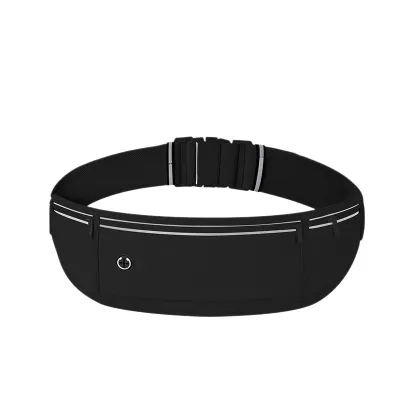
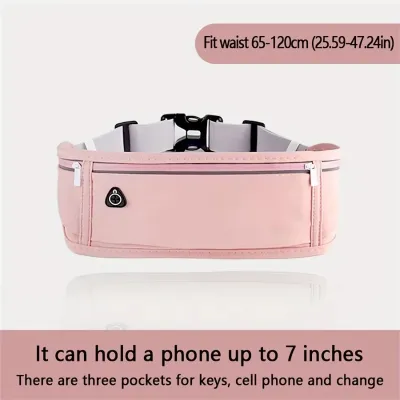
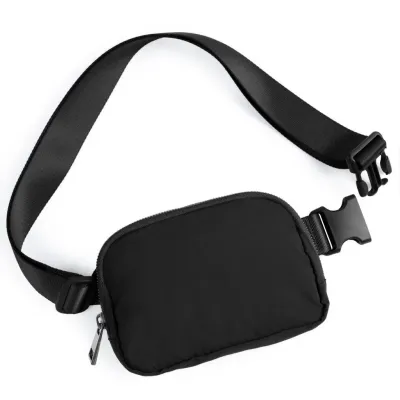
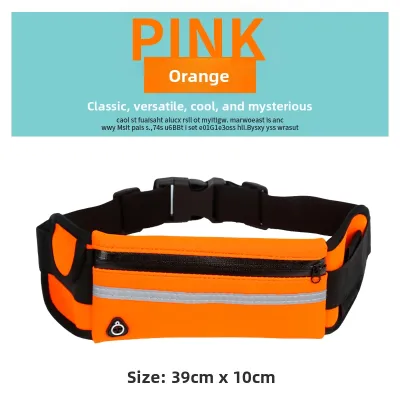
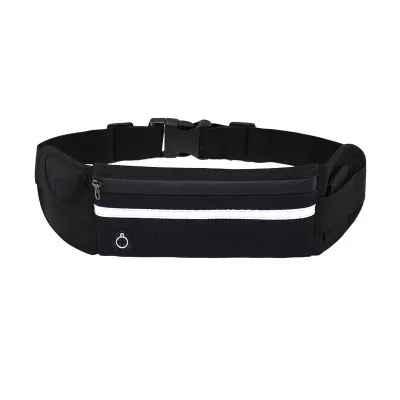
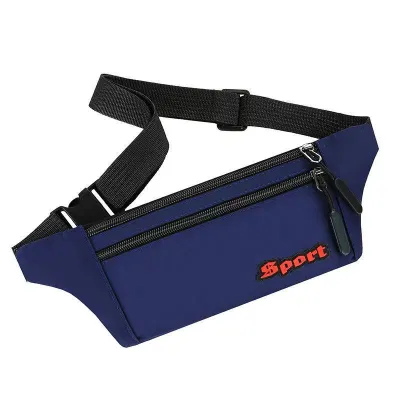
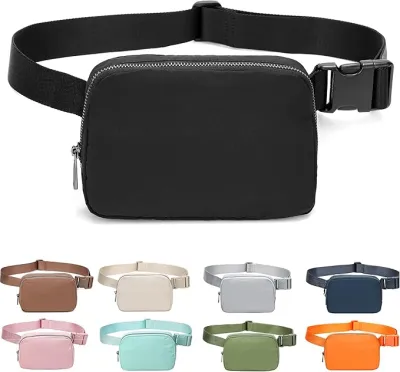
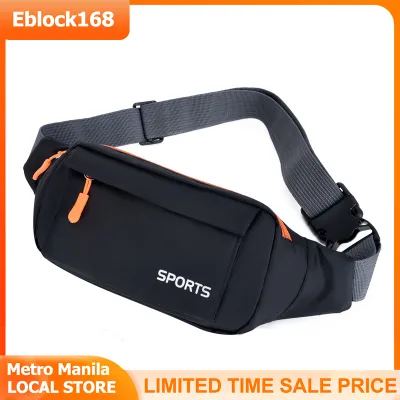
Prices are valid at publication and may change. Please refer to the product page for the latest price.
Furthermore, casual bags typically lack any form of compression or internal stabilization. Without a snug compartment to hold items flat, your phone, keys, and cards bounce freely inside the pouch, which further destabilizes the bag.
The straps on fashion bags are also a major culprit. They are usually made of slick, non-stretch nylon or heavy canvas that slides easily against activewear. These materials lack the elastic tension required to hug your body dynamically as you move, leading to gradual loosening and constant slipping.
Finally, the materials and hardware used in casual designs are not built for athletic performance. Stiff zippers, heavy metal buckles, and rough canvas seams create immediate friction points. In hot, humid tropical climates like the Philippines, where sweat accumulates rapidly, these rough edges rub against damp skin or thin activewear, leading to severe chafing within the first few kilometers of your run.
Essential Design Features for a Bounce-Free Fit
To ensure your mini belt bag for women remains completely stable, you must prioritize specific structural features that lock the bag to your body.

Strap Width and Elasticity The strap is the foundation of a stable belt bag. Look for a strap that is at least 1.5 inches wide to distribute the weight of the bag evenly across your hips or waist. Narrow straps tend to cut into the skin and concentrate pressure, which can restrict your movement and cause discomfort. Additionally, the strap must feature high-quality, semi-elastic webbing. This elasticity allows the belt to stretch slightly as your diaphragm expands during deep breathing, maintaining a secure grip without restricting your lung capacity.
Secure Buckle and Adjustment Systems Standard slide adjusters on casual bags easily slip under tension. For running, look for bags equipped with low-profile, heavy-duty tension locks or double-back plastic buckles. These mechanisms bite into the strap webbing, ensuring that once you set the tightness, it remains locked in place regardless of your pace. Some athletic designs also feature dual-side adjustments, allowing you to center the pouch perfectly on your body while keeping the buckle away from high-friction areas like your spine or hip bones.
Contoured, Low-Profile Shaping The physical shape of the pouch determines how it interacts with your body’s natural movement. A bounce-free bag features a tapered, wedge-like profile that sits flush against your lower back or the curve of your hips. By keeping the depth of the bag minimal, the weight of your belongings is held as close to your body as possible. This low-profile design minimizes the leverage that causes the bag to tip forward and bounce during high-impact workouts.
Preventing Chafing: Materials, Backing, and Edges
Chafing is the result of repetitive friction, moisture, and heat. When choosing a belt bag, the materials that come into contact with your body must be engineered to handle heavy sweat and continuous movement.
Anti-Slip Backing Materials Turn the bag over and inspect the panel that rests against your body. A high-quality running bag will feature a textured backing designed to grip your clothing or skin. Look for patterns of raised silicone, textured rubberized mesh, or perforated neoprene. These materials create a high-friction barrier that prevents the bag from sliding laterally or riding up your waist, eliminating the primary cause of friction-induced skin irritation.
Moisture-Wicking and Breathability In tropical climates, a non-breathable back panel acts as a moisture trap, leading to heat rash and accelerated chafing. Ensure the body-facing side of the bag is constructed from moisture-wicking technical mesh. This fabric pulls sweat away from your skin and allows air to circulate, keeping the contact area dry and cool. Avoid solid plastic, vinyl, or heavy nylon backings that seal in moisture.
Seamless Construction and Soft Edges Examine the seams and edges of both the pouch and the straps. Stiff, heat-cut nylon edges can act like a saw against bare skin. Look for bags that utilize flatlock stitching, heat-bonded seams, or soft fabric edge binding. The buckle should also be positioned or padded so that it does not press directly into your skin or rub against your hip bones during your stride.
How to Test and Adjust Your Belt Bag Before a Long Run
Even the best-designed mini belt bag for women will bounce if it is not fitted and adjusted correctly. Use this systematic approach to find your perfect setup before heading out.
Step 1: Determine Your Optimal Positioning Runners generally prefer one of two positions: the natural waist or the low hips.
- Natural Waist: Positioning the bag high on your waist, just above your belly button, is ideal for runners with a straight torso or those wearing high-waisted leggings. This position keeps the bag clear of your leg stride.
- Low Hips: Placing the bag lower, across the widest part of your hip bones, works well for runners with a pronounced waist-to-hip ratio. The flare of your hip bones acts as a natural shelf, preventing the bag from sliding down.
Step 2: Perform the Jump Test Once you have positioned the bag and tightened the straps, stand in front of a mirror and perform a quick movement simulation. Jump up and down vertically ten times, then run in place with high knees. Observe the bag’s behavior:
- If the bag slides down your hips, the strap is either too loose or the backing material lacks sufficient grip.
- If the bag flips forward or sags, the weight inside is poorly distributed or the profile is too deep.
Step 3: Verify Your Breathing Clearance Take several deep, exaggerated belly breaths. The belt should feel snug enough to stay in place during your jumps, but it must stretch sufficiently to allow your abdomen to expand fully. If you feel a sharp restriction or pinching when breathing deeply, loosen the strap slightly and re-test the vertical bounce.
Packing Strategy: Balancing Weight for Maximum Stability
How you pack your mini belt bag is just as important as how you wear it. An improperly loaded bag can ruin the stability of even the most advanced technical design.
Keep Heavy Items Close Always place your heaviest item—typically your smartphone—in the main compartment directly against the back panel. Keeping the heaviest mass closest to your body minimizes the rotational force and leverage that causes the bag to pull away and bounce.
Avoid Overstuffing A mini belt bag is designed strictly for the essentials. Overpacking forces the fabric to stretch outward, turning a flat, contoured pouch into a rounded ball. This rounded shape reduces the contact area against your body, making the bag highly unstable and prone to rolling or bouncing. Limit your gear to your phone, a single key, an ID, and perhaps a small energy gel.
Secure Loose Items Rattling keys and loose coins are not just annoying; their shifting weight constantly alters the bag’s balance. Use internal mesh dividers, dedicated card slots, or built-in key clips to lock these smaller items in place. If your bag lacks internal organization, wrap your keys in a small tissue or sweatband to prevent them from sliding around.
Frequently Asked Questions (FAQ)
Can I wear a mini belt bag over my clothes to prevent chafing?
Yes, wearing your belt bag over a technical running shirt or high-waisted shorts is an excellent way to protect sensitive skin from direct friction. However, be aware of the fabric of your clothing. Slippery synthetic fabrics, like certain polyester blends, can reduce the grip of the bag’s backing, causing it to slide upward during your run. If you wear the bag over clothing, ensure the strap is adjusted slightly tighter to compensate for the reduced friction.
How do I clean sweat and salt buildup from the anti-slip backing?
To maintain the grip and breathability of your bag, you must clean it regularly to remove dried sweat and salt crystals. Always check the manufacturer’s care label first. In general, hand-wash the bag in cool water using a mild, sports-specific detergent. Gently agitate the fabric, paying close attention to the mesh and silicone backing. Avoid using fabric softeners or bleach, as these can degrade elastic fibers and ruin silicone grips. Always air-dry the bag in a shaded, well-ventilated area; never use a machine dryer or expose it to direct, intense sunlight, as high heat can warp the technical materials.
Community discussion
Share your experience or ask a question. Comments are reviewed before publication.