
Selecting a bow and arrow set for hunting requires a fundamental shift in mindset from recreational target shooting. For a beginner, the ideal setup must balance physical manageability, ethical power delivery, and field-ready durability. Unlike target equipment designed for controlled environments, a true hunting setup is a specialized system optimized for stealth, maneuverability, and terminal performance. Finding the right bow and arrow set for hunting means matching the equipment to your physical measurements, understanding the mechanical requirements for an ethical harvest, and selecting accessories that can withstand demanding outdoor conditions.
Understanding the Difference: Hunting Bows vs. Target Archery
Target bows prioritize stability, consistency, and forgiveness over long distances. They often feature long, heavy stabilizers, bright colors, and highly adjustable but delicate components designed for flat, open ranges.
In contrast, hunting bows prioritize compact size, noise reduction, and kinetic energy delivery. When pursuing game, you must navigate dense brush, climb trees, or sit in cramped blinds. A long, heavy target bow quickly becomes a physical liability in these tight, unpredictable spaces.
Products mentioned in this guide
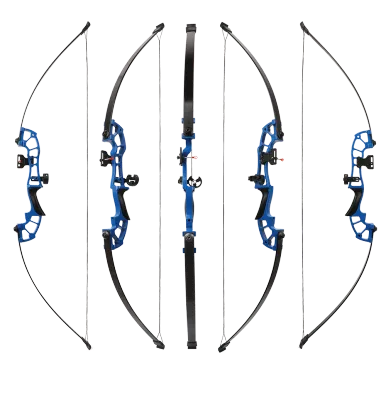
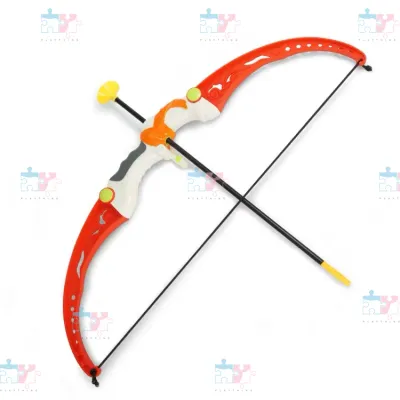
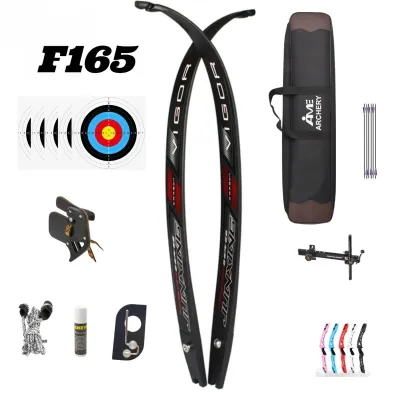
Prices are valid at publication and may change. Please refer to the product page for the latest price.
Visual stealth is another critical factor. Hunting gear features matte, camouflaged, or dark finishes to avoid reflecting sunlight and alerting game. Noise dampeners are built directly into the limbs and strings to prevent the sudden “twang” that can cause an animal to jump the string upon release.
Hunting bows are also built to withstand harsh weather conditions, including high humidity and sudden tropical downpours. The accessory mounting options are designed for rugged, secure attachments that will not shake loose during a long trek through rough terrain. A hunting setup is a specialized system where every component must work together silently under pressure.
Step 1: Selecting the Right Bow Type and Physical Fit
Compound vs. Recurve Bows for Hunting
Compound bows dominate modern hunting due to their mechanical efficiency. They use a system of cams and cables that reduces the holding weight at full draw by 70% to 90%, a feature known as let-off. This let-off allows you to hold the bow drawn for extended periods while waiting for an animal to present a clean, ethical shot opportunity.

Recurve bows require you to hold the full draw weight throughout the aiming process. This demands immense physical stamina and consistent form, making it much harder for beginners to maintain accuracy under pressure.
Compound bows also store and transfer energy much more efficiently than traditional bows. This mechanical advantage results in faster arrow speeds and flatter trajectories, which makes estimating distances slightly more forgiving in the field.
Beginners typically achieve consistent accuracy much faster with a compound bow. The integration of mechanical sights, release aids, and a solid back wall at full draw helps establish repeatable form. Recurve bows offer a traditional, instinctive shooting experience but require years of dedicated practice to master for ethical hunting.
Measuring Draw Length and Axle-to-Axle Clearance
Your draw length is the distance from the nocking point to the throat of the grip at full draw. To estimate your draw length at home, stand with your arms spread wide, measure your wingspan in inches from fingertip to fingertip, and divide that number by 2.5.
An incorrect draw length ruins accuracy, alters arrow flight, and can cause painful string slap or shoulder injuries. If the draw length is too long, you will overextend your arm and lose stability; if it is too short, you will struggle to find a consistent anchor point. Always have a professional pro shop verify this measurement before purchasing your bow.
Axle-to-axle (ATA) length is the distance between the center of the top cam and the bottom cam. Shorter ATA bows, typically between 28 and 32 inches, are highly maneuverable in tight spaces, such as thick tropical forests or elevated tree stands. Longer ATA bows offer more stability but are cumbersome to carry through dense brush.
Step 2: Setting the Right Draw Weight for Ethical Hunting
Overbowing occurs when a shooter selects a draw weight that is too heavy for their physical strength. The risks of overbowing include muscle strain, poor shooting form, and an inability to draw the bow smoothly under pressure. If you have to point the bow upward toward the sky to pull it back, you are overbowed and risk serious injury.
An ethical harvest requires clean, rapid penetration through vital organs, which demands a minimum level of kinetic energy. This energy is directly tied to your bow’s draw weight and arrow speed.
Before purchasing any equipment, check the local forestry and wildlife regulations in your specific region. In the Philippines, hunting regulations are overseen by the Department of Environment and Natural Resources (DENR). Ensure your bow meets or exceeds any minimum draw weight requirements specified for the game you intend to pursue.
Do not just test your bow while standing comfortably in an air-conditioned pro shop. Test your ability to draw the bow smoothly while seated, kneeling, or wearing bulky outdoor gear. High humidity and physical fatigue can make a draw weight feel significantly heavier in the field than it does during a warm-up session.
Remember that a smooth, silent, and controlled draw is far more important than boasting high poundage. If you struggle to draw the bow, you will alert the animal and compromise your shot placement. Start with an adjustable compound bow that allows you to lower the weight for practice and raise it as you build strength.
Step 3: Choosing Hunting Arrows and Terminal Tackle
Arrow Materials and Spine Matching
Carbon arrows are the modern standard for hunting due to their incredible durability, consistency, and memory. Unlike aluminum arrows, which are prone to bending over time and ruining accuracy, carbon arrows either remain perfectly straight or break completely upon impact.
Arrow spine refers to the stiffness of the arrow shaft. When a bow is released, the sudden force causes the shaft to flex. If the spine is too weak or too stiff for your draw weight and draw length, the arrow will wobble wildly in flight, reducing accuracy and wasting kinetic energy.
Always consult the manufacturer’s specific spine selection chart before buying. You will need your exact draw weight, arrow length, and point weight to find the correct spine rating. Using an incorrectly spined arrow is highly dangerous and can result in the arrow shattering upon release.
Broadheads vs. Field Points
Field points are simple, aerodynamic metal tips used exclusively for target practice. They mimic the weight of hunting tips but do not cause the hemorrhaging required for an ethical harvest.
Broadheads are hunting-specific tips designed to cut through tissue and bone. Fixed-blade broadheads feature rigid, razor-sharp blades that offer maximum reliability and penetration. Mechanical broadheads remain closed during flight and deploy sharp blades upon impact, offering superior aerodynamics but requiring higher kinetic energy to function reliably.
Broadheads catch the air differently than field points, acting like tiny wings on the front of your arrow. You must tune your bow specifically for your chosen broadheads to ensure they hit the same point of impact as your practice field points.
Ethical Warning: Never use field points, target points, or blunt tips for hunting game. Doing so is highly unethical, will cause unnecessary animal suffering, and is a violation of ethical hunting standards.
Step 4: Upgrading to Hunting-Specific Accessories
Multi-pin sights feature several fiber-optic pins set for specific distances, such as 20, 30, and 40 meters. They allow for quick aiming without adjusting the sight in the field. Single-pin sights feature a dial system to adjust a single pin to the exact distance, offering a clearer sight picture but requiring manual adjustment before the shot.
Arrow rests hold your arrow in place before and during the shot. Containment rests, such as a whisker biscuit, hold the arrow securely on all sides, preventing it from falling off when you tilt the bow or walk through brush. Drop-away rests support the arrow during the draw but drop out of the way completely upon release, eliminating contact friction for maximum accuracy.
A mechanical release aid attaches to the bowstring and uses a trigger mechanism to release the arrow, providing a much cleaner release than bare fingers can achieve. This accessory is essential for consistent accuracy with modern compound bows.
A peep sight is a small circular insert in your bowstring that aligns with your front sight, acting like a rear sight on a rifle to ensure consistent head placement. A quiet, secure quiver holds your arrows close to the bow’s riser, protecting the broadheads and preventing vibration noise.
Always verify that your chosen accessories are fully compatible with your bow’s riser, mounting holes, and cable system. Quality beginner compound bow packages typically range from ₱15,000 to ₱35,000, and they often include these basic accessories to get you started safely.
Step 5: Testing, Tuning, and Pre-Hunt Safety Checks
Paper tuning involves shooting an arrow through a sheet of paper from a short distance to analyze the tear pattern. A clean bullet-hole tear indicates perfect arrow flight, while horizontal or vertical tears indicate that your rest, nocking point, or arrow spine needs adjustment.
If your bow exhibits excessive vibration, unusual metallic clicking, structural stress, or visible cracks in the limbs, cease shooting immediately. Do not attempt to shoot a damaged bow. Consult a professional archery pro shop for a thorough safety inspection.
High humidity and tropical rain can quickly damage archery gear if left unchecked. Use the following maintenance checklist to protect your equipment:
- Check for rust: Inspect cams, axles, and mounting screws regularly. Wipe down metallic parts with a light coat of rust-preventative oil.
- Wax the string: Apply high-quality bowstring wax to the exposed strands of your string and cables, avoiding the serving areas, to seal out moisture and prevent fraying.
- Inspect nocks and blades: Check arrow nocks for hairline cracks and ensure broadhead blades remain razor-sharp and free of corrosion.
Frequently Asked Questions (FAQ)
Can I use my existing target archery set for hunting?
Target bows are generally unsuitable for hunting due to their bright colors, long stabilizers, and lack of noise-dampening components. They also typically feature lower draw weights and lack the kinetic energy required for clean penetration. While some highly adjustable target bows can be modified with camo wraps and hunting accessories, it is almost always safer and more effective to use a dedicated hunting bow designed to withstand rugged field conditions.
How do I maintain my bowstring and cables in a tropical climate?
In a hot, humid tropical climate, moisture can seep into the synthetic fibers of your bowstring, causing stretching, rot, or serving separation. Inspect your string before every shooting session for any signs of fraying or loose serving thread. Apply bowstring wax frequently to repel water. Never attempt to change cables, adjust cam timing, or replace strings without a professional bow press; doing so without the proper equipment can cause catastrophic bow failure and severe personal injury.
Community discussion
Share your experience or ask a question. Comments are reviewed before publication.