
Selecting the right boxing gloves dryer requires balancing your training frequency, the material of your gear, and the specific climate of your training space. In highly humid tropical environments, sweat-soaked gloves rarely dry completely on their own, creating a breeding ground for structural breakdown and persistent odors. A dedicated dryer accelerates moisture removal, but choosing the wrong type can warp your gloves or fail to fit your specific gear collection. By comparing drying mechanisms, sanitization features, capacity, and power requirements, you can find a device that keeps your equipment fresh and structurally sound.
Drying Mechanism and Speed: Airflow vs. Heat
Evaluating how a dryer removes moisture is the most critical step in protecting your investment. Dryers generally rely on either forced ambient air or heated airflow. Forced ambient air systems use a fan to circulate room-temperature air deep into the finger compartment of the glove. This method is highly gentle and carries virtually no risk of heat damage, making it suitable for premium genuine leather gloves that are sensitive to temperature fluctuations.
Heated drying mechanisms speed up the evaporation process significantly, which is highly beneficial if you train multiple times a day. However, elevated temperatures can dry out natural leather, causing it to crack, or degrade the synthetic binders in polyurethane and vinyl gloves. If you choose a heated model, verify that it features a low-heat setting or a thermal safety switch. Always check your glove manufacturer’s care label before applying any heat source to ensure you do not void the warranty or compromise the internal foam padding.
Products mentioned in this guide
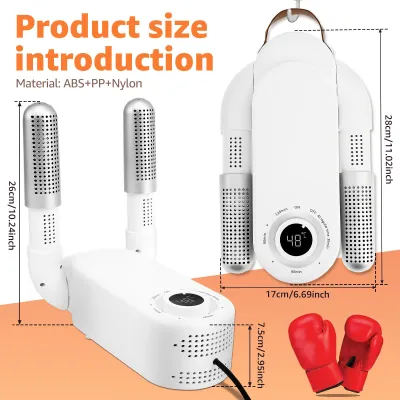
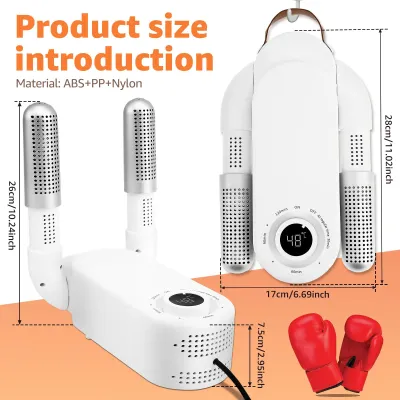
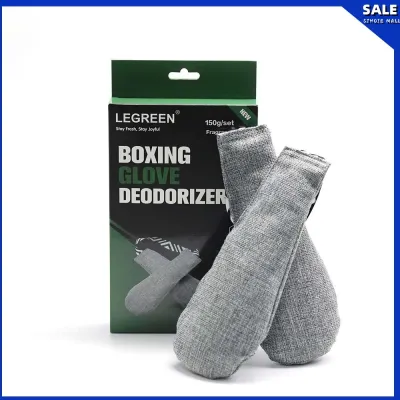
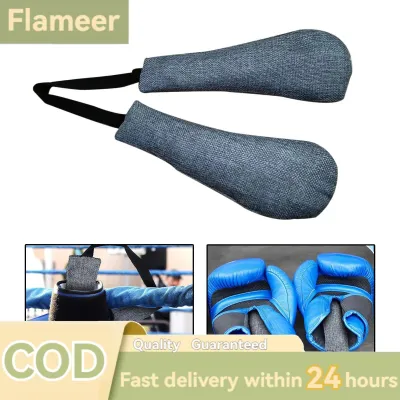
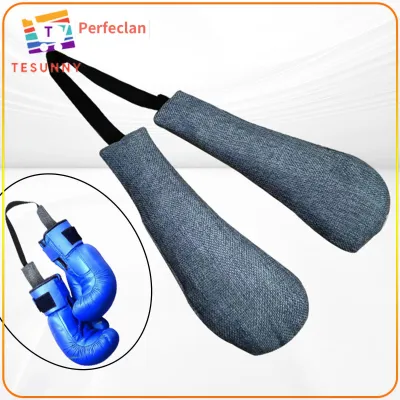
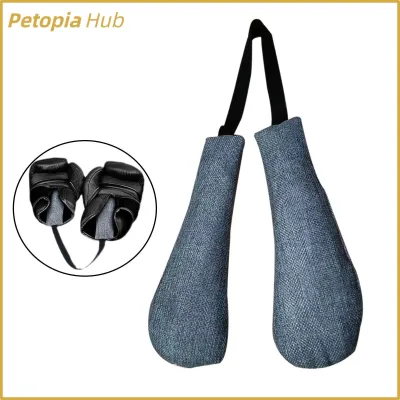
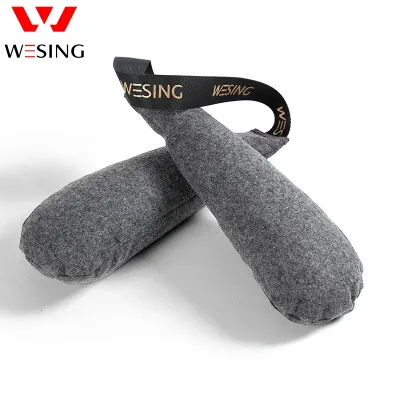
Prices are valid at publication and may change. Please refer to the product page for the latest price.
Your training frequency should dictate the drying speed you require. If you step into the gym daily, a slow, passive drying rack may not prepare your gear in time for your next session. For rapid turnaround times, look for devices that offer adjustable fan speeds, allowing you to customize the airflow volume based on how saturated your gloves are after a heavy sparring session.
Sanitization Features: Evaluating UV and Ozone Claims
Many modern glove dryers incorporate supplemental features like ultraviolet (UV) light or ozone generation to target odor-causing bacteria. UV sanitization typically relies on built-in bulbs near the tips of the drying nozzles. When evaluating these models, check the manufacturer’s specifications regarding the effective irradiation range, as the light must directly reach the inner surfaces of the glove to provide any sanitizing benefit.

Ozone deodorization works by releasing trioxygen gas, which penetrates deep into the porous foam padding where light cannot reach. While highly effective at neutralizing stubborn odors, ozone is a powerful oxidizer. Over time, frequent exposure to high concentrations of ozone can degrade natural rubber, elastic bands, and certain synthetic foams. Review the product manual to confirm that the ozone function operates on a temporary cycle rather than running continuously throughout the entire drying process.
Safety must be a priority when operating devices that generate ozone or utilize strong UV light. Always run these sanitizing cycles in well-ventilated rooms rather than tight, enclosed closets. Ensure the device is positioned away from pets and direct human exposure during operation, and follow all manufacturer guidelines regarding safe distance and cycle limits.
Capacity and Form Factor: Matching Your Gear Collection
Dryers come in several physical configurations, including single-pair tabletop stands, multi-pair wall-mounted racks, and highly portable insertable sticks. Tabletop stands are excellent for dedicated home gym spaces, providing a stable base that keeps your gloves upright and open for maximum ventilation. Portable insert dryers, which often utilize USB power or flexible cords, are ideal for tossing into your gym bag to begin the drying process immediately after training.
If you own multiple pairs of gloves for sparring, bag work, and pad work, a multi-port drying station can save significant time. When comparing these larger units, evaluate the physical footprint and the length of the power cord to ensure the device fits comfortably near your gear storage area. A cramped setup can restrict intake vents, reducing the dryer’s overall efficiency.
Physical stability is another crucial factor, especially for heavier training gear. A lightweight plastic stand may tip over when loaded with wet 16-ounce (oz) sparring gloves or heavy-duty headgear. Check the product specifications for load-bearing capacity and look for designs with wide, weighted bases or secure wall-mounting hardware to prevent accidental falls that could damage both the dryer and your gloves.
Power Consumption and Noise Levels
Because glove dryers often need to run for several hours at a time, understanding their power consumption helps you manage your household energy use. You can estimate the operating cost by multiplying the device’s rated wattage by your local electricity rate and the number of hours you plan to run it daily. Low-wattage ambient air models typically consume very little power, while heated units draw more electricity to run their heating elements.
Operational noise can be a significant disruption, particularly if you live in an apartment or prefer to dry your gear overnight. Dryers equipped with high-velocity fans can produce a noticeable hum. Look for product specifications that list noise levels in decibels, and seek out models featuring brushless motors, which tend to operate more quietly and offer greater long-term durability.
To conserve energy and prevent over-drying, prioritize models with built-in timers or automatic shut-off sensors. A timer allows you to set a specific operating window—such as two or four hours—and leave the device unattended. This feature prevents the heating elements or fans from running indefinitely, protecting your gear from unnecessary exposure and keeping your utility bills in check.
Building Your Selection Checklist
To make an informed purchase, compile a checklist tailored to your specific training habits. Start by matching the dryer’s heating options to your glove material, opting for ambient air or low-heat settings for genuine leather. Next, verify that the physical design can support the weight and size of your specific glove collection without tipping over.
When browsing online marketplaces or specialty sports retailers, read user reviews specifically to check for common pain points, such as fragile plastic nozzles, weak fan motors, or short power cords. Verify the manufacturer’s warranty terms to ensure you are covered against electrical or mechanical failures.
Finally, establish clear boundaries for safe operation. Stop using any dryer immediately and contact the manufacturer if you notice unusual electrical noises, a burning smell, excessive heat coming from the housing, or if your gloves develop a persistent, musty odor that suggests moisture is trapped deep inside the padding despite running full drying cycles.
Frequently Asked Questions (FAQ)
Can I use a regular hair dryer or shoe dryer for my boxing gloves?
Using a standard household hair dryer is highly discouraged because the concentrated, high-intensity heat can easily melt synthetic liners, crack genuine leather, and warp the internal protective foam of your boxing gloves. While some shoe dryers utilize a similar low-heat, dual-nozzle design that can safely accommodate gloves, dedicated boxing glove dryers are specifically shaped to keep the glove’s wrist cuff open. This specialized shape ensures that airflow reaches the very tip of the finger compartment, where sweat accumulates most.
How often should I dry my boxing gloves after training?
You should thoroughly dry your boxing gloves after every single training session. Immediately after wrapping up your workout, wipe down the exterior and interior of the gloves with a clean, dry cloth to remove excess sweat. Insert your glove dryer as soon as possible to eliminate remaining moisture before bacteria can multiply. Consistent daily use of a dryer prevents deep-seated odors from developing and preserves the structural integrity of the internal padding over the lifespan of your gear.
Community discussion
Share your experience or ask a question. Comments are reviewed before publication.