
Choosing the right groin protector depends on whether your training focuses on stand-up striking, which requires a rigid cup to deflect direct impacts, or grappling, which requires padded compression shorts to maintain mobility and prevent pinching. In combat sports, selecting the correct protective gear is the very first step toward a safe and sustainable training journey.
Why a Proper Boxing Groin Protector Matters for Beginners
In sports like boxing, Muay Thai, and mixed martial arts (MMA), the groin and pelvic area are highly vulnerable to accidental low blows. A split-second miscalculation, an off-target leg kick, or an awkward sprawl can lead to severe, agonizing injuries.
Using a dedicated boxing groin protector is an essential safety measure, but it is vital to understand its limits. Gear is a secondary line of defense; it does not replace proper defensive footwork, hip positioning, and maintaining a solid guard. A protector is designed to mitigate the force of accidental impacts, reducing the risk of trauma, but it cannot guarantee a completely pain-free experience if you disregard fundamental defensive techniques.
Products mentioned in this guide
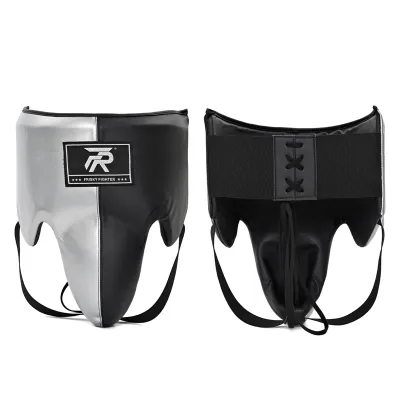
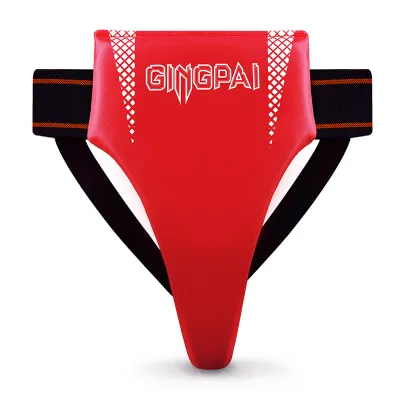
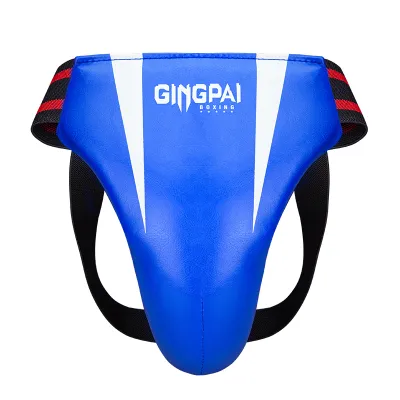
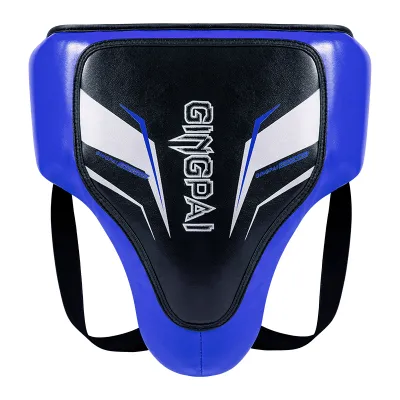
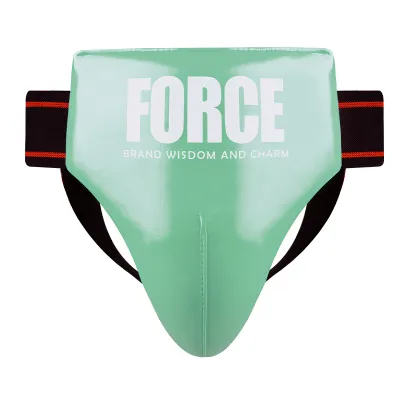
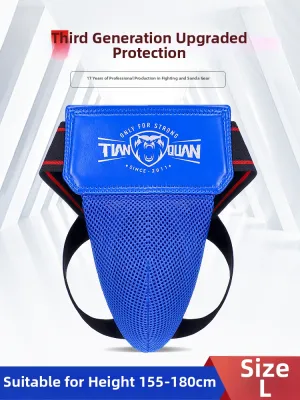
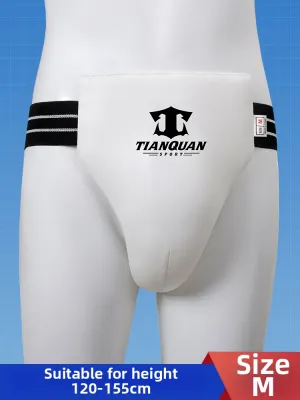
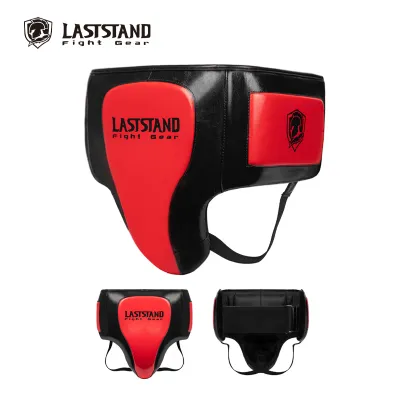
Prices are valid at publication and may change. Please refer to the product page for the latest price.
For a beginner stepping into a gym—whether in the humid heat of a local boxing stable or a modern MMA facility in the Philippines—wearing the right protective equipment provides the mental confidence needed to focus on learning. When you are not constantly worrying about a stray strike causing a debilitating injury, you can commit fully to your drills, spar with controlled intensity, and develop your skills safely.
Hard Cups vs. Padded Shorts: Choosing the Right Style
Selecting the right style of groin protection is not a one-size-fits-all decision. The market generally splits into two primary categories: traditional rigid hard cups and integrated padded compression shorts.

Your choice must align directly with the specific martial art you practice. If your training is dominated by stand-up striking where high-velocity kicks and punches are common, your physical needs will differ vastly from a grappling-heavy environment where you spend significant time on the mats transitioning, sweeping, and holding positions.
Traditional Hard Cups and Jockstraps
Traditional hard cups utilize a rigid, contoured shell made from high-impact plastic, carbon fiber, or steel. This design is engineered to absorb direct, blunt-force impacts and distribute the kinetic energy across the strong pelvic bones rather than the sensitive soft tissues underneath.
To keep this rigid shell securely in place, it is typically inserted into a specialized pouch within an elastic jockstrap or a pair of loose fight shorts. This setup ensures the cup remains centered over your anatomy even during explosive hip rotations, such as when throwing a cross or a roundhouse kick.
This configuration is the gold standard for pure striking disciplines like boxing, Muay Thai, and kickboxing. In these arts, the risk of a direct, high-velocity low blow is high, and only a solid barrier can prevent severe injury.
Before purchasing, check your local gym rules or the guidelines of regional amateur sports associations. Some amateur boxing and Muay Thai tournaments mandate specific plastic or composite cups and explicitly prohibit metal or steel-rimmed cups due to safety regulations for both competitors. Entry-level plastic cups generally cost between ₱400 and ₱1,000, while professional-grade steel or leather-wrapped cups can range from ₱1,500 to over ₱4,000 on online marketplaces.
Padded Compression Shorts (No-Foul Shorts)
Padded compression shorts, sometimes referred to as no-foul shorts in boxing or grappling shorts, feature high-density foam or shock-absorbing gel panels integrated directly into the fabric. These panels cover the groin, lower abdomen, and sometimes the hips or thighs, offering a streamlined profile.
Because there is no solid, protruding plastic or metal piece, these shorts offer superior mobility and flexibility. They allow you to move dynamically on the ground without the risk of a hard cup digging painfully into your inner thighs, pinching your skin, or causing discomfort to your training partners during close-quarters grappling.
This makes padded compression shorts the ideal choice for Brazilian Jiu-Jitsu (BJJ), wrestling, and MMA training sessions that focus heavily on ground transitions. They prevent chafing during long rolling sessions, which is a common complaint when wearing traditional jockstraps in hot, humid gym environments.
However, you must recognize their protective limits. Padded shorts absorb and disperse impact rather than deflecting it entirely. While they are excellent for shielding against accidental knee nudges during a guard pass, they do not provide sufficient protection against a full-force, direct kick to the groin. For pure striking sparring, they are not a safe substitute for a rigid hard cup. High-quality padded compression shorts typically retail from ₱1,200 to ₱3,500 depending on the brand and padding technology.
How to Measure and Select the Correct Size
A groin protector that does not fit perfectly is highly dangerous. If it is too loose, it will shift during movement, exposing your anatomy or even pinching you when an impact occurs. If it is too tight, it will restrict your movement, cause chafing, and impede blood circulation.
Sizing metrics differ significantly between hard cups and padded shorts, requiring distinct approaches to measurement:
- For traditional hard cups: The sizing is a two-part equation. The waistband or jockstrap is sized based on your standard waist measurement in inches or centimeters. However, the cup itself is sized by its physical volume, depth, and width. You must select a cup size that fully encloses your anatomy without leaving gaps or pressing hard against the soft tissue. Most manufacturers offer cups in small, medium, large, and extra-large sizes; do not let ego dictate your choice, as an oversized cup will slip and cause severe pinching, while an undersized cup will fail to cover the vulnerable areas.
- For padded compression shorts: Sizing is much closer to standard athletic apparel. You will need to measure both your waist and your widest hip circumference. Because these shorts rely on compression to keep the built-in padding flush against your body, they must fit snugly.
Always consult the specific manufacturer’s size chart before making a purchase. Sizing standards, fabric elasticity, and cup pocket depths vary widely across different brands.
Apply the “snug but not restrictive” rule when trying on your gear. The waistband must sit securely on your hips without slipping down when you perform dynamic movements like high kicks, sprawling, or clinching. At the same time, the elastic should never dig deep enough into your skin to restrict your breathing, hinder your digestion, or cut off blood flow to your legs.
Step-by-Step Guide to Wearing and Adjusting Your Protector
To ensure maximum safety and comfort during your training sessions, follow this systematic approach to putting on and adjusting your groin protector:
- Step 1: Prep the base layer. Decide on your undergarments based on the design of your protector. If you are using a traditional jockstrap or compression shorts with a built-in cup pocket, wearing a thin, moisture-wicking synthetic underwear layer underneath can prevent chafing. Alternatively, many fighters prefer to wear compression shorts directly against the skin to eliminate extra layers of fabric that can bunch up, trap sweat, and cause slipping in hot, humid tropical conditions. Avoid loose cotton underwear, as it retains moisture and leads to severe chafing.
- Step 2: Position the protection. If using a hard cup, slide it into the designated pouch. Ensure the cup sits flat and flush against your pelvic bone. The narrow, tapered end of the cup must point directly downward, and the wider, rounded top should rest comfortably against your lower pelvic area. If you are wearing padded shorts, pull them up fully, ensuring the integrated foam or gel panels are perfectly centered over your groin and lower abdomen without twisting.
- Step 3: Secure the straps or waistband. For jockstraps, pull the leg straps down and position them comfortably under your glutes. Adjust the tension so the straps hold the cup firmly against your body during movement, but ensure they do not cut into your inner thighs. For compression shorts, pull the waistband up to your natural waistline and ensure it sits flat without rolling over.
- Step 4: The mobility test. Before stepping onto the canvas or mats, perform a brief physical check. Execute a few shadowboxing moves, bring your knees up high, perform three deep squats, and execute a sprawl. If the cup shifts, pinches your inner thighs, or rides up toward your stomach, step away to readjust the straps or pocket. If the shifting persists despite adjustment, it is a clear sign that you need to size down or try a different cup shape.
Cleaning, Maintenance, and Replacement Signals
In a tropical climate, keeping your protective gear clean is not just about eliminating odors; it is a critical health requirement. The warm, humid environment of a gym bag is a breeding ground for bacteria, ringworm, and fungal infections.
After every session, remove the rigid cup from its pouch or jockstrap. Wash the cup thoroughly by hand using warm water and a mild, antibacterial dish soap. Avoid using harsh chemical solvents or boiling water, which can warp or degrade the plastic or composite materials. Wipe it dry immediately with a clean towel.
Machine wash the fabric jockstrap or padded compression shorts using a gentle cycle with cold water and mild detergent. Always refer to the manufacturer’s care label first. Crucially, air-dry these items completely in a well-ventilated space out of direct, intense sunlight. Never throw padded shorts into a high-heat dryer, as extreme heat can melt, warp, or permanently degrade the internal foam or gel padding, destroying its shock-absorbing capabilities.
Groin protectors do not last forever, and training with compromised gear increases your risk of injury. Regularly inspect your equipment for these critical replacement signals:
- For Hard Cups: Check for visible hairline cracks, deep dents, or chips along the edges. Any structural compromise means the cup can shatter or collapse under the force of a strike.
- For Padded Shorts: Feel the protective panels. If the foam has become permanently compressed, paper-thin, or lumpy, it can no longer disperse impact.
- For Straps and Waistbands: If the elastic on your jockstrap or compression shorts has stretched out, lost its rebound, or if the stitching is fraying, the protector will shift during training, making it unsafe to use.
Frequently Asked Questions (FAQ)
Can I use a boxing groin protector for MMA or BJJ?
While you can physically wear a boxing groin protector during mixed martial arts or Brazilian Jiu-Jitsu training, it is generally highly discouraged and often banned in grappling environments. Traditional rigid cups designed for striking have hard, prominent edges. During close-quarters grappling, ground transitions, or when holding a guard, these hard edges can dig painfully into your own pelvis or cause severe discomfort and bruising to your training partner. For BJJ and grappling-heavy MMA sessions, padded compression shorts or specialized soft-rimmed grappling cups are much safer and more practical choices.
Do female fighters need a specific type of groin protector?
Yes, female fighters require pelvic protectors specifically engineered for female anatomy. Often called pelvic guards or female groin protectors, these pieces feature a flatter, wider, and more contoured design. They are shaped to sit flush against the female pelvic bone, protecting the lower abdomen, pubic bone, and bladder area from blunt force. Using a protruding cup designed for male anatomy will not fit securely, will shift constantly, and will fail to provide the necessary anatomical protection.
Community discussion
Share your experience or ask a question. Comments are reviewed before publication.