
Setting up a home training corner requires balancing physical space, equipment durability, and workout engagement. A boxing machine with music has emerged as a popular solution for those looking to combine high-intensity cardiovascular training with rhythmic coordination. To choose the right machine for your home, you must evaluate how well its audio-visual technology synchronizes with your movement, how its physical footprint fits your living space, and whether its construction can withstand repetitive, high-impact force.
In the Philippines, where residential spaces range from compact high-rise condominiums in Metro Manila to suburban townhouses, managing noise transmission and tropical humidity are equally critical factors. Selecting the wrong equipment can lead to structural damage, noise complaints from neighbors, or rapid gear degradation. By understanding the core technical specifications, audio features, and installation requirements, you can build an engaging and durable home workout setup that keeps you motivated session after session.
Evaluating Audio and Smart Features for Rhythm Training
The defining characteristic of a music-enabled boxing machine is its ability to merge auditory rhythm with physical striking targets. However, not all audio systems are engineered equally. When evaluating these machines, the primary technical distinction lies between units that rely solely on built-in, pre-programmed sound chips and those equipped with modern Bluetooth connectivity.
Products mentioned in this guide
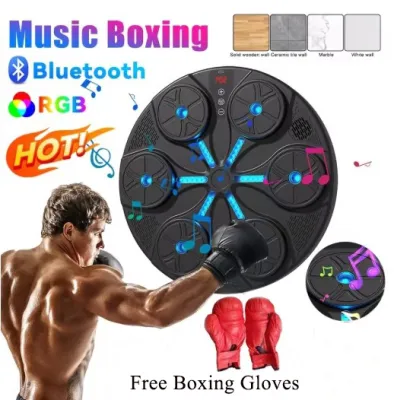
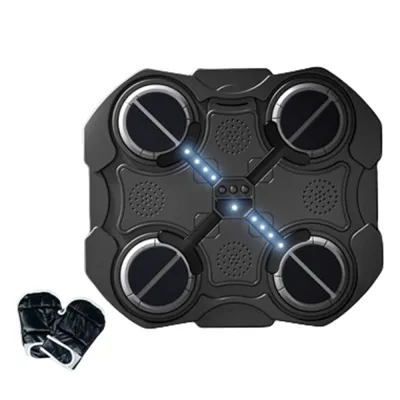
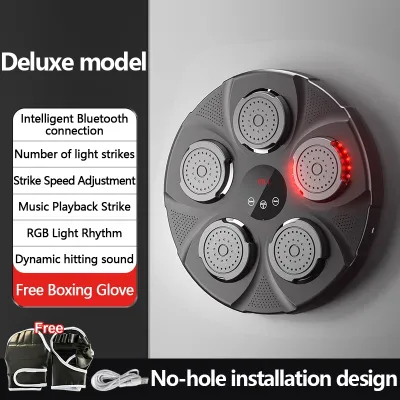
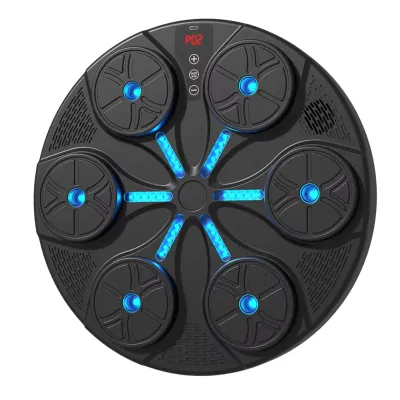
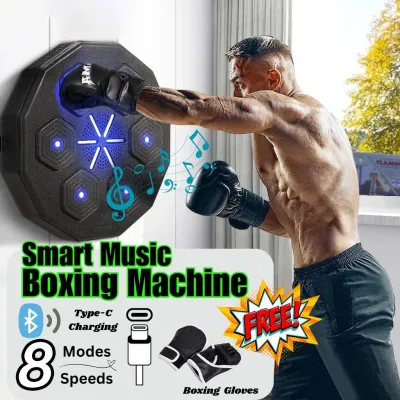
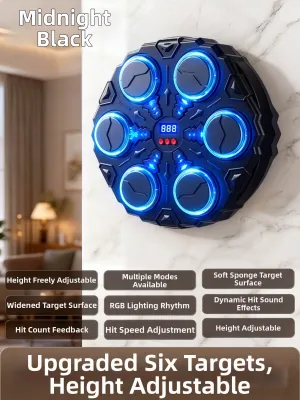
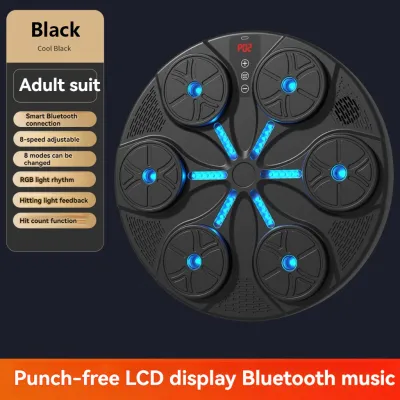
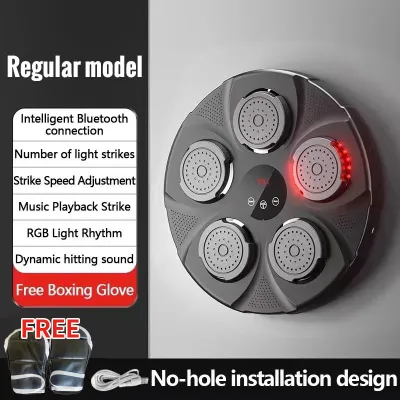
Prices are valid at publication and may change. Please refer to the product page for the latest price.
- Built-In Audio vs. Bluetooth Connectivity: Entry-level machines often feature built-in speakers pre-loaded with a limited selection of generic, synthesized rhythm tracks. While convenient, these tracks can quickly become repetitive, diminishing your long-term workout motivation. Conversely, models with Bluetooth 5.0 or higher allow you to pair the machine directly with your smartphone, tablet, or home audio system. This enables you to stream your personal playlists from platforms like Spotify or Apple Music, tailoring the tempo and energy of the music to your specific training goals.
- Rhythm-Based Training Modes and Latency: High-quality music boxing machines feature LED target pads that light up in synchronization with the beat of the music, guiding your punch combinations. The critical technical metric here is audio-to-visual latency. Cheap processing chips often suffer from signal lag, where the light cues and target triggers fall out of sync with the actual audio beat. This latency disrupts your natural striking rhythm, impairs hand-eye coordination, and can negatively train your muscle memory. Prioritize machines that specify low-latency synchronization or feature adjustable rhythm sensitivity within their companion apps.
- Acoustic Quality and Volume Management: High-intensity interval training (HIIT) relies heavily on low-end frequencies (bass) to drive physical exertion. Tinny, low-quality speakers require you to crank the volume to maximum to hear the beat, which causes harsh high-frequency distortion and rapid hearing fatigue. Look for machines with dual-speaker configurations or integrated equalization (EQ) settings that emphasize clear bass response. Additionally, verify that the machine has a dedicated headphone jack or allows audio-out routing. This is a crucial feature for late-night training sessions in shared households, allowing you to hear the prompts clearly without disturbing others.
Managing Space, Noise, and Installation at Home
Integrating physical striking equipment into a residential environment requires careful spatial planning and acoustic management. Failing to account for these factors can result in damaged walls, cracked floor tiles, or immediate friction with family members and neighbors.

- Physical Footprint and Clearance: Wall-mounted boxing boards offer a highly compact footprint, protruding only 10 to 15 centimeters from the wall surface. However, you must still calculate the active clearance zone around the machine. You require at least 1.5 to 2 meters of unobstructed space behind and to the sides of the target to allow for full arm extension, lateral footwork, and defensive slipping. Freestanding units require a much larger dedicated footprint, as their stabilizing bases typically measure 50 to 60 centimeters in diameter and require a clear circular radius to prevent tipping into nearby furniture.
- Acoustic Isolation and Vibration Mitigation: Striking a boxing machine generates two distinct types of noise: airborne noise (the physical slap of the glove hitting the pad) and structure-borne noise (the kinetic energy vibrating through the walls or floor). In typical Philippine concrete hollow block (CHB) homes or multi-story condominiums, structure-borne vibrations travel easily through the building frame. To mitigate this, place a high-density, closed-cell EVA foam puzzle mat (at least 2 centimeters thick) beneath freestanding units to absorb base impact. For wall-mounted boards, install heavy-duty rubber dampening gaskets or neoprene washers between the mounting bracket and the wall to absorb shock before it vibrates the structural studs.
- Wall Integrity and Base Weight Requirements: If you choose a wall-mounted unit, you must verify the structural integrity of your wall. Mounting a high-impact machine directly into standard drywall without locating solid wood studs will inevitably cause the screws to tear through the plaster. For concrete or solid masonry walls, standard plastic wall plugs are insufficient; you must use heavy-duty steel sleeve anchors or expansion bolts to handle the continuous shear force of your punches. For freestanding models, the base must be filled to capacity to prevent sliding. While water is easy to fill, dry masonry sand is highly recommended because it is denser, heavier (providing roughly 1.5 times the weight of water), and does not slosh around during high-velocity combinations.
Assessing Striking Performance and Build Quality
A music boxing machine must serve as a legitimate piece of athletic training equipment rather than a fragile electronic novelty. Assessing the physical materials and sensor technology ensures the machine can withstand daily high-impact use over several years.
- Striking Surface Materials: The exterior padding of the target zones must balance impact absorption with surface durability. Look for high-grade polyurethane (PU) leather or textured thermoplastic polyurethane (TPU) wrappers enclosing high-density EVA foam. In warm, humid tropical climates, sweat accumulation is highly corrosive. Cheap vinyl covers will quickly dry, crack, and peel under these conditions. High-quality PU leather resists moisture absorption, prevents sweat from seeping into the internal electronics, and is easy to sanitize with a simple post-workout wipe-down.
- Base and Mounting Stability: For freestanding units, look for bases equipped with heavy-duty silicone suction cups on the underside. These suction cups grip smooth surfaces like ceramic tiles or polished hardwood, preventing the entire unit from "walking" across the room during a workout. If your floor has textured concrete or rough stone tiles, suction cups will not seal properly; in this scenario, you must rely entirely on a sand-filled base to keep the unit stationary.
- Sensor Accuracy and Sweat Resistance: The internal sensors behind each target pad must accurately detect the velocity and force of your strikes. Premium machines utilize piezoelectric sensors that can differentiate between a light jab and a heavy cross, tracking your performance metrics accurately in a companion app. Because sweat will inevitably drip down the face of the machine during intense workouts, verify that the unit carries an ingress protection rating of at least IPX4. This certification guarantees that the electronic components are shielded against splashing water from any direction, preventing short circuits and premature hardware failure.
Recommended Types of Music-Enabled Boxing Machines
To select the ideal machine, you should match the equipment design to your specific fitness level, spatial limitations, and training objectives.
Smart Reaction Targets with Rhythm Modes
These systems feature a series of compact, interconnected LED target pads mounted on a lightweight frame or stand. The lights flash in complex, randomized patterns synchronized to the music, requiring you to strike the correct target to score points and maintain the rhythm.
- Best For: Beginners, cardio-focused fitness enthusiasts, and individuals looking to improve hand-eye coordination, agility, and reaction time.
- Limitations: These units prioritize speed over power. The target pads are relatively small and do not offer the deep impact absorption required for heavy power-striking. Punching these targets with maximum force can damage the internal sensors and lead to wrist strain due to the shallow padding.
Bluetooth-Enabled Freestanding Heavy Bags
This style combines a traditional, full-sized punching bag with integrated smart sensors and built-in Bluetooth speakers. The sensors are typically located in a collar around the neck or base of the bag, tracking strike frequency and intensity while playing music through the integrated audio system.
- Best For: Intermediate to advanced martial artists, heavy hitters, and those who want to practice realistic boxing combinations, including body shots, hooks, and low kicks.
- Limitations: These units require a significant amount of floor space and are highly visible. They are also much heavier, making them difficult to move once filled with sand. You must perform regular maintenance checks to ensure the base seals remain intact and the heavy-duty neck spring is properly lubricated to prevent squeaking.
Wall-Mounted Music Boxing Boards
These are shield-like electronic boards that mount flat against a wall, featuring five or six circular target zones arranged in an ergonomic layout. They utilize integrated LED tracks that flow from a central hub to the outer target zones, indicating exactly when and where to strike.
- Best For: Apartment dwellers, individuals with limited floor space, and those who want a permanent, highly visual workout station in a dedicated room corner.
- Limitations: Installation is semi-permanent and requires drilling into walls. If mounted on shared apartment walls, they require extensive dampening materials to prevent sound transmission. They also lack height adjustability once mounted, unless installed on a dedicated vertical sliding rail system.
Pre-Purchase Checklist and Safety Boundaries
Before finalizing your purchase, run through this critical checklist to ensure a safe, functional, and injury-free training experience:
- Power Supply and Cable Management: Determine whether the machine operates on an internal rechargeable battery or requires a continuous AC power connection. If it requires a power cord, map out the routing carefully. Never allow a power cable to cross your active footwork zone, as this creates a severe tripping hazard during dynamic movement. Use adhesive cord covers to secure cables flat against the wall or baseboards.
- Ergonomic Alignment: For wall-mounted units, the center of the target array must align precisely with your shoulder height. Mounting the machine too high forces you to punch upward, putting excessive strain on the rotator cuff and anterior deltoid. Mounting it too low causes you to round your lower back, leading to poor posture and potential lumbar strain.
- Personal Protective Equipment: Never strike a music boxing machine with bare hands, regardless of how soft the manufacturer claims the padding is. The repetitive micro-impacts of punching a rigid, wall-mounted surface can cause micro-fractures in the metacarpal bones and strain the delicate tendons in your wrists. Always wrap your hands with athletic hand wraps (at least 3 to 4.5 meters in length) to secure the wrist joints, and wear properly padded boxing gloves (minimum 12 oz for cardio training, or 14 oz to 16 oz for heavier hitting) to ensure adequate shock absorption.
Frequently Asked Questions (FAQ)
Can I use my own playlists with these boxing machines?
Yes, provided the machine is equipped with standard Bluetooth connectivity. When a machine features open Bluetooth pairing, it acts as a wireless receiver, allowing you to stream music directly from any app on your phone, such as Spotify or Apple Music. However, be aware that budget-tier models may only sync their LED lights to pre-programmed internal tracks, meaning your custom Bluetooth music will play through the speakers, but the lights will flash in a generic, non-synchronized pattern. For true beat-matching with your own music, verify that the machine utilizes dynamic beat-detection technology or features a companion app that analyzes imported audio files.
Are freestanding boxing machines safe for heavy hitters?
Freestanding boxing machines can be safe for heavy hitters, but only if the base is properly stabilized and the machine is engineered with high-tension shock absorption. If you are a heavy hitter, you must fill the base completely with dry sand rather than water to maximize the weight and lower the center of gravity. Additionally, look for models that feature a heavy-duty steel neck spring wrapped in protective rubber; this spring absorbs the kinetic energy of heavy strikes, preventing the base from lifting off the ground. If you observe the base tilting, sliding, or lifting during use, you must reduce your striking power to 70% to 80% or add external sandbags over the base to prevent tipping accidents.
Community discussion
Share your experience or ask a question. Comments are reviewed before publication.