
Choosing a carbon road bike in the Philippines requires balancing performance goals with local riding realities. Whether you aim to conquer steep climbs in Sierra Madre, complete long-distance endurance rides along coastal highways, or improve your fitness on weekend loops, the right carbon frame geometry and component setup will determine your comfort and speed. Matching a frame’s design to your physical flexibility and typical routes is the most critical step in making a lasting investment.
Quick Guide to Matching Carbon Bikes to Riding Styles
Frame geometry dictates how a bike handles and how your body feels after hours in the saddle. Race frames prioritize aerodynamics and power transfer, while endurance frames focus on stability and vertical compliance to absorb road vibrations. Fitness-oriented carbon setups often bridge the gap, offering a more upright posture that reduces strain on your lower back and neck.
When reviewing manufacturer specification sheets, look closely at the carbon layup descriptions. High-modulus carbon fibers are often utilized in key areas like the bottom bracket and head tube to maximize stiffness, while more compliant layups are engineered into the seatstays to damp road buzz.
Products mentioned in this guide
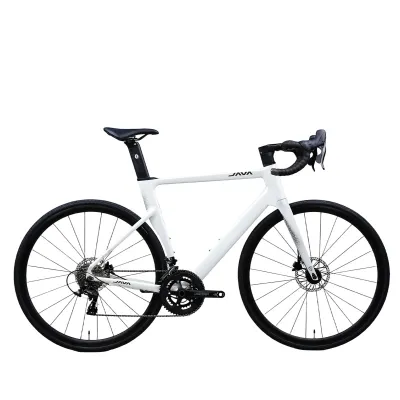
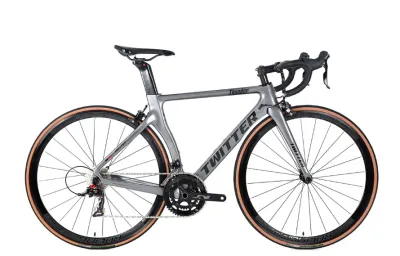
Prices are valid at publication and may change. Please refer to the product page for the latest price.
To quickly assess your own riding priorities, consider this self-assessment checklist before browsing local bike shops:
- Flexibility: Can you comfortably touch your toes, or do you require a higher handlebar position to avoid lower back pain?
- Primary Terrain: Will you spend most of your time on flat, smooth bypass roads, or climbing steep, uneven mountain passes?
- Ride Duration: Are your typical outings quick, high-intensity one-hour workouts, or do you plan to spend four or more hours exploring provincial routes?
- Handling Preference: Do you prefer quick, twitchy steering for tight corners, or stable, predictable handling at high speeds?
Defining Your Primary Riding Purpose
Before committing to a carbon road bike, you must clearly define your primary riding habits. A bike designed for competitive racing is built to go fast under a rider with excellent core strength and flexibility, but it can quickly become uncomfortable during a casual weekend group ride. Conversely, an endurance bike offers a relaxed posture that excels during long-distance touring but might feel slightly less responsive during a fast town-line sprint.

Local riding conditions in the Philippines play a massive role in how a bike performs. Many provincial roads and city streets feature a mix of rough asphalt, concrete joints, and unexpected potholes. Additionally, popular riding destinations often involve significant elevation changes, requiring a frame that can climb efficiently without sacrificing control on steep, technical descents.
The tropical climate brings intense heat, high humidity, and sudden heavy downpours. These environmental factors demand a bike that can handle wet surfaces and resist moisture buildup in the frame and bearings. Your physical conditioning, particularly your core strength and hamstring flexibility, must align with the bike’s design to prevent fatigue.
Frame Geometry and Design by Riding Style
To find the perfect fit, you must look beyond frame sizes like “Small” or “52cm” and focus on specific geometry measurements. The most reliable metrics for comparing bike fits across different brands are stack and reach. Stack represents the vertical distance from the center of the bottom bracket to the top of the head tube, while reach is the horizontal distance between those same two points.
By analyzing these measurements alongside the head tube angle, you can determine exactly how aggressive or relaxed a bike will feel. A steeper head tube angle results in quicker steering, while a slacker angle provides more stability, especially when descending at high speeds.
Aggressive Race Geometry and Stiffness
Race-oriented carbon road bikes are engineered to minimize aerodynamic drag and maximize power transfer. These frames feature a lower stack and a longer reach, forcing your torso into a flat, aerodynamic position that cuts through the wind.
- Power Transfer: Manufacturers design these frames with oversized bottom bracket shells and beefy chainstays to ensure that every watt of pedal input translates directly into forward motion.
- Handling: The short wheelbase and steep head tube angle make the bike highly responsive, allowing for rapid line changes in a peloton or tight corner.
- Trade-offs: This stiffness and aggressive positioning come at the cost of comfort. On rough concrete roads, a highly rigid race frame will transmit more road vibration directly to your hands, saddle, and lower back, which can accelerate fatigue if you are not accustomed to the posture.
Endurance Geometry and Vibration Damping
Endurance carbon road bikes are designed for riders who prioritize comfort, stability, and long hours on the road. These frames feature a higher stack and a shorter reach, allowing you to sit in a more upright position that relieves pressure on your wrists, neck, and lower back.
- Vibration Damping: Manufacturers incorporate specific carbon layups and frame shapes, such as curved seatstays or specialized seatposts, to absorb high-frequency road vibrations before they reach your body.
- Tire Clearance: A key feature of modern endurance frames is generous tire clearance. Many designs easily accommodate tires up to 32mm or even 35mm wide, allowing you to run lower tire pressures for a smoother ride on uneven provincial roads.
- Stability: A longer wheelbase and a slacker head tube angle provide predictable, stable handling, making the bike much easier to control when riding through crosswinds or descending unfamiliar hills.
Drivetrain, Brakes, and Wheelset Considerations
The components attached to your carbon frame should match both your riding style and the local terrain. For steep climbs like those in Tagaytay, Antipolo, or the Cordillera region, a compact chainset (50/34T) paired with a wide-range cassette (11-32T or 11-34T) provides the low ratios needed to keep your pedaling cadence high. For flatter coastal routes, a semi-compact chainset (52/36T) offers higher top-end speeds.
Disc brakes have become the standard for modern carbon road bikes, and they are particularly beneficial in tropical climates. Hydraulic disc brakes provide consistent, powerful stopping performance in both dry and wet conditions, giving you confidence during sudden afternoon downpours or long, damp descents. They also eliminate the risk of overheating carbon rims during prolonged braking on steep hills.
When evaluating wheelsets, consider the balance between aerodynamics and stability. Deep-section carbon wheels (45mm to 60mm) offer excellent aerodynamic advantages on flat roads but can be difficult to handle in strong coastal crosswinds. Shallow, lightweight wheels (under 35mm) are better suited for climbing-heavy routes where weight reduction and stability in unpredictable winds are your primary concerns.
Verifying Frame Quality and Sizing
Before making a purchase, it is essential to verify the frame’s specifications and ensure the sizing is correct for your body proportions. Do not rely solely on your height to choose a frame size; instead, compare the stack-to-reach ratio of your current comfortable bike to the geometry chart of the new carbon frame. A ratio closer to 1.4 or lower indicates an aggressive race fit, while a ratio of 1.5 or higher points to a more comfortable endurance fit.
You should also check the frame’s hardware standards to ensure long-term maintenance compatibility. Look for standard thru-axle dimensions (typically 12x100mm front and 12x142mm rear) and common bottom bracket standards. Avoid proprietary or overly complex internal routing systems if you prefer to perform your own maintenance, as these can make simple cable or headset bearing replacements highly challenging.
Finally, always plan to invest in a professional bike fit. A professional fitter can adjust critical contact points, such as swapping the stem length, adjusting the saddle setback, or changing the handlebar width, to tailor the carbon bike perfectly to your unique biomechanics. This step is crucial to prevent chronic injuries and ensure you get the maximum performance and enjoyment out of your new carbon road bike.
Frequently Asked Questions (FAQ)
Is a carbon frame necessary for casual fitness riding?
While a carbon frame is not strictly necessary for casual fitness riding, it offers noticeable benefits in ride quality and comfort. Carbon fiber allows manufacturers to engineer specific areas of the frame to flex slightly, absorbing road vibrations far better than traditional aluminum frames. This vibration damping can significantly reduce physical fatigue, allowing you to ride longer and feel fresher afterward. However, if you are on a tight budget, a high-quality aluminum frame paired with a carbon fork can offer a highly capable and cost-effective alternative for weekend fitness goals.
How do I verify carbon frame quality without independent test data?
When independent test data is unavailable, you can evaluate a carbon frame’s quality by closely examining the manufacturer’s warranty terms and local distributor support. Reputable brands typically offer a lifetime or multi-year warranty on the frame, along with a clear crash replacement policy. Additionally, inspect the physical details of the bike: look for clean, smooth entry and exit ports for internal cable routing, a high-quality paint finish without blemishes, and robust, well-aligned dropouts. Purchasing from an established local bike shop with a strong track record of customer service ensures you will have reliable support if any manufacturing defects arise.
Community discussion
Share your experience or ask a question. Comments are reviewed before publication.