
Choosing the right cargo tricycle bike requires balancing your daily hauling requirements with the mechanical limits of the vehicle. Unlike standard bicycles, these three-wheeled utility vehicles are built to carry substantial weight, making them excellent tools for local deliveries, family transport, or running errands in busy neighborhoods. To find the right model, you must evaluate how much weight you plan to carry, where you will ride, and how the frame design affects your balance and control.
In tropical environments like the Philippines, factors such as high humidity, sudden downpours, and varied road conditions play a major role in your decision. A trike that performs well on flat, dry pavement might struggle on steep, wet inclines or rough roads. By focusing on structural integrity, braking reliability, and practical frame layouts, you can select a vehicle that remains stable and safe under load.
Assess Your Hauling Needs and Load Capacity
Before looking at specific models, you need to understand how manufacturers define weight limits. The most critical specification to check is the Gross Vehicle Weight Rating (GVWR). This figure represents the maximum allowable weight of the entire setup, including the tricycle itself, the rider, and all cargo. To find your usable payload capacity, you must subtract the weight of the empty tricycle and your own body weight from the GVWR.
Products mentioned in this guide
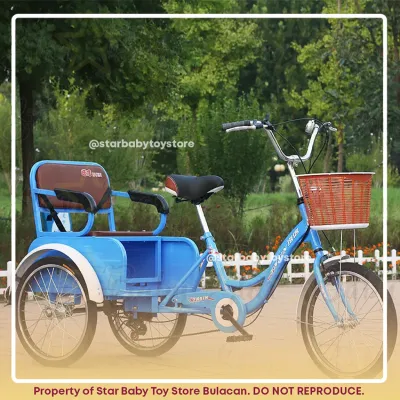
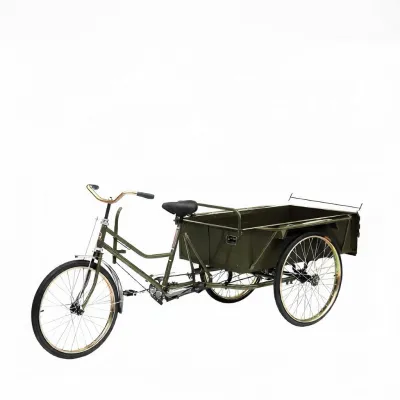
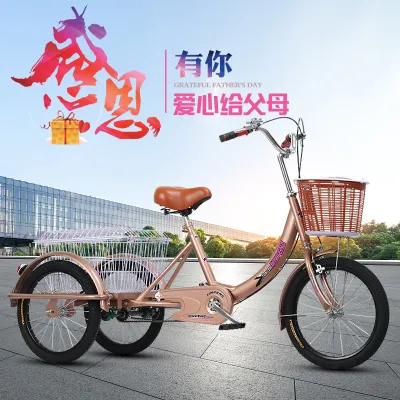
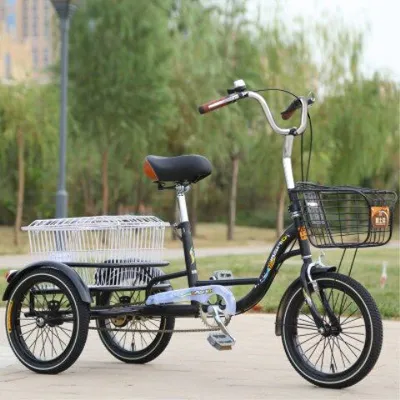
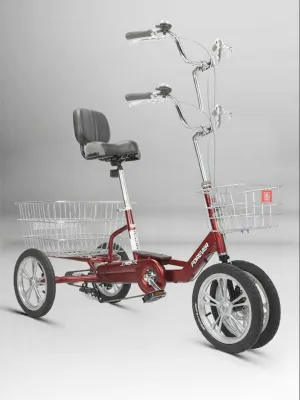
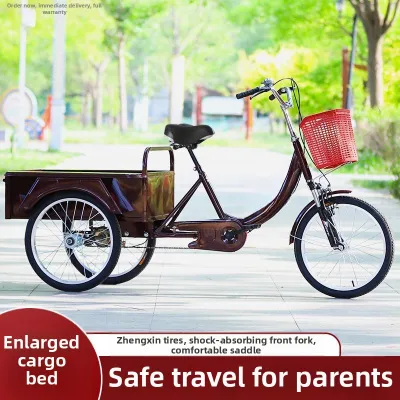
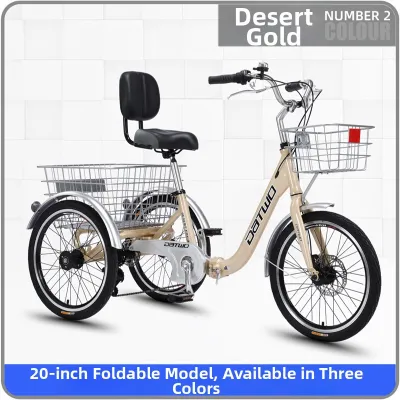
Prices are valid at publication and may change. Please refer to the product page for the latest price.
Calculating your typical load requires a realistic assessment of your daily activities. If you plan to haul heavy water jugs, agricultural produce, or commercial goods, write down the estimated weight of these items. Underestimating this total can lead to premature frame fatigue, broken spokes, or compromised braking. Always leave a safety margin rather than operating at the absolute limit of the vehicle’s rated capacity.
The physical dimensions and shape of your cargo also dictate how the tricycle will handle. Tall or irregular loads raise the center of gravity, which can make the tricycle feel unstable when cornering or navigating uneven road surfaces. Low-slung cargo beds help keep the weight closer to the ground, improving lateral stability. When planning your routes, consider how shifting loads might affect your steering, especially when climbing or descending local streets.
Evaluate Frame Types and Cargo Bed Designs
Cargo tricycle bikes generally fall into two main structural layouts: front-loading and rear-loading. Front-loading designs, often referred to as box bikes, place the cargo area between the rider and the front wheel. This configuration allows you to keep a constant eye on your load or passengers while riding. However, front-loading trikes require a linkage steering system that can feel unfamiliar at first and demands a wider turning radius.

Rear-loading platform configurations place the cargo bed behind the rider, supported by two rear wheels. This layout typically offers a more traditional bicycle steering feel and can often accommodate wider, heavier platforms. The trade-off is that you cannot monitor your cargo while riding, and the wide rear axle requires extra caution when passing through narrow gates, alleyways, or congested traffic lanes.
The materials used in the cargo bed affect both durability and cargo security. Wooden boxes offer a classic look but require regular sealing to prevent rotting in humid, rainy climates. Metal mesh or solid steel beds are highly durable but can be noisy and prone to rust if the protective coating is scratched. Look for beds equipped with integrated tie-down points or rail systems, which allow you to secure cargo straps tightly and prevent items from sliding during sudden stops.
Frame accessibility is another vital consideration, particularly when the tricycle is fully loaded. A step-through frame features a low top tube, allowing you to mount and dismount the bike without swinging your leg over the seat. This design is highly recommended for cargo trikes, as tilting a heavily loaded vehicle to climb aboard can cause you to lose balance and tip over. Step-over frames may offer slightly more structural rigidity, but they require more physical effort and stability to mount.
Check Drivetrain, Braking, and Stability Features
Propelling a loaded cargo tricycle requires a drivetrain tailored to your local terrain. If you operate in flat coastal areas, a simple internal gear hub or a multi-speed derailleur system may be sufficient. However, if your route includes steep hills or flyovers, you will need low gear ratios to keep the pedals turning without straining your knees. For heavy commercial hauling, an electric-assist motor can provide the necessary torque to start from a complete stop on inclines, though you must verify local regulations regarding motor wattage.
Stopping a fully loaded tricycle requires significantly more braking power than stopping a standard bicycle. Mechanical or hydraulic disc brakes are highly recommended for cargo applications because they offer consistent stopping power in wet weather. Look for systems that feature dual-wheel braking in the rear to prevent pulling to one side. A parking brake lock is also an essential safety feature, keeping the tricycle stationary while you load or unload cargo on sloped surfaces.
Stability on three wheels differs fundamentally from two-wheeled riding. Tricycles do not lean into corners, meaning centrifugal force pushes the rider and cargo outward during turns. Smaller wheels, such as 20-inch diameters, help lower the overall center of gravity and increase wheel strength under heavy loads. Wide, puncture-resistant tires provide a larger contact patch with the road, improving traction on wet or sandy surfaces.
Additionally, check if the tricycle utilizes a differential axle mechanism. A differential allows the two drive wheels to rotate at different speeds when turning, which prevents the inner wheel from slipping and ensures smooth, predictable cornering. Tricycles with a solid, single-axle drive can feel stiff and may skid or resist turning when loaded, making them harder to control in tight spaces.
Inspect Build Quality and Maintenance Requirements
The longevity of a cargo tricycle bike depends heavily on its construction quality and your maintenance routine. Inspect the frame joints for clean, reinforced welds, particularly around the head tube, bottom bracket, and rear axle junctions. In humid tropical regions, steel frames must have high-quality rust-resistant paint or powder coating. Aluminum frames are naturally more resistant to corrosion and lighter, though they can be more expensive and harder to repair locally if damaged.
Because cargo trikes carry heavy loads, their components wear out much faster than those on standard bicycles. Before purchasing, verify that the model uses standard, widely available replacement parts. Components like chains, brake pads, inner tubes, and wheel bearings should be easy to source from local bike shops. Proprietary parts or unusual wheel sizes can lead to long periods of downtime while waiting for imported replacements.
Routine maintenance is critical to ensure safe operation. Establish a checklist to inspect load-bearing components, steering linkages, and spoke tension at regular intervals. Heavy loads put immense stress on wheels, making spoke checks essential to prevent wheel buckling. Keep the drivetrain clean and lubricated, especially after riding through heavy rain or muddy streets, to prevent premature wear on the chain and gears.
Plan Your Budget and Sourcing Strategy
When planning your purchase, look beyond the base price of the tricycle. You must factor in the cost of essential accessories to make the vehicle practical for daily use. In regions with frequent rainfall, a high-quality waterproof weather cover or canopy is necessary to protect your cargo. Heavy-duty locks, cargo straps, and high-visibility lighting systems are also vital additions that should be included in your initial budget in ₱.
Sourcing your cargo tricycle from an authorized local dealer offers distinct advantages over ordering directly from overseas online marketplaces. Local dealers can assemble the tricycle correctly, which is crucial given the complexity of steering linkages and differential axles. They also provide a physical location for warranty claims, professional tune-ups, and immediate access to spare parts, reducing the risk of being left with an unusable vehicle.
Before finalizing your decision, carefully review the manufacturer’s warranty terms. Pay close attention to what is covered under the structural warranty for the frame and cargo bed, as well as the mechanical warranty for the drivetrain and brakes. Reliable after-sales support ensures that if a structural weld fails or a specialized component breaks under normal use, you have a clear path to repair or replacement without incurring high out-of-pocket costs.
Frequently Asked Questions (FAQ)
Do I need a special license to ride a cargo tricycle bike?
In most jurisdictions, standard human-powered cargo tricycles do not require a driver’s license or vehicle registration. However, if the tricycle is equipped with an electric-assist motor, local traffic authorities may classify it differently based on its top speed and motor wattage. It is important to check your specific municipal ordinances, as some local government units restrict three-wheeled utility vehicles from major national highways or require registration for commercial use.
How should I store a cargo tricycle bike outdoors?
If indoor storage is not possible, protect your tricycle from tropical humidity and rain by using a heavy-duty, breathable, and waterproof cover. Secure the cover tightly to prevent wind from blowing it off. To protect the tires and rims, store the tricycle on a flat, elevated surface or use tire cradles to prevent flat spots from forming under the vehicle’s weight, and keep the chain well-lubricated to ward off rust.
Can I convert a standard bicycle into a cargo tricycle?
While DIY conversion kits exist, converting a standard bicycle into a cargo tricycle presents structural and safety challenges. Standard bicycle frames are not engineered to handle the twisting forces and heavy payloads of a three-wheeled cargo setup, which can lead to frame failure at high-stress points. Additionally, matching axle widths and ensuring compatible, reliable braking systems on a converted frame is difficult, making a purpose-built cargo tricycle a much safer and more durable choice.
Community discussion
Share your experience or ask a question. Comments are reviewed before publication.