
Living in a modern condominium in the Philippines, whether it is a cozy studio in Makati or a compact unit in Quezon City, requires smart space management. Finding fitness equipment that delivers a high-intensity cardiovascular workout without dominating your limited floor area can be a major challenge. The ideal solution for many urban dwellers is a compact stepper. These space-saving machines provide an excellent lower-body workout, mimicking the action of climbing stairs, while occupying a fraction of the space required by treadmills or stationary bikes.
When searching for a compact steper exercise indoor machine, the best fit is typically a mini stepper or a folding stepper with collapsible handlebars. These units generally require less than 0.3 square meters of floor space for storage, making them perfect for tight living quarters. By understanding your specific spatial constraints, the physical limits of different stepper designs, and the operational clearance needed for safe use, you can establish a highly effective home gym setup that keeps you active without cluttering your home.
Assessing Your Condo Space and Stepper Dimensions
Before purchasing any fitness equipment, you must accurately measure both your available floor space and your vertical clearance. Many condo residents make the mistake of looking only at the manufacturer’s listed dimensions, which represent the static footprint of the machine. The static footprint is simply how much space the stepper occupies when it is sitting idle or stored away. While this is crucial for determining if a machine will fit under your bed, inside a wardrobe, or behind a door, it does not tell the whole story of how the machine functions during a workout.
Products mentioned in this guide
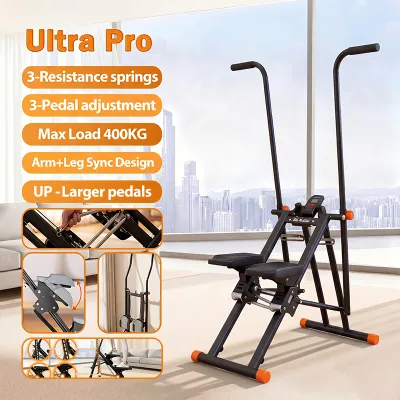
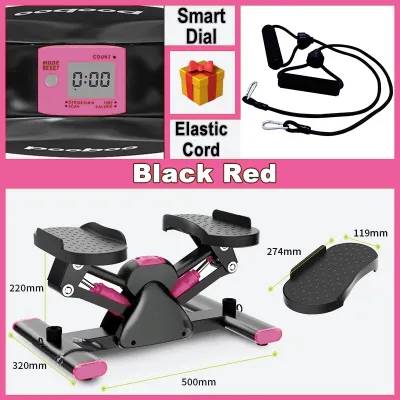
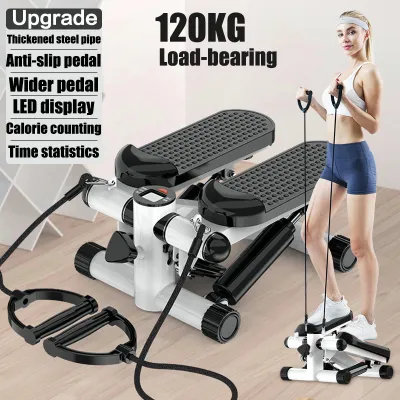
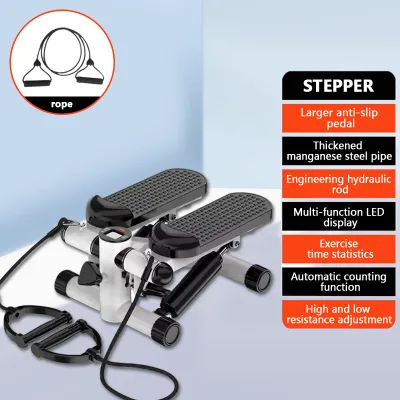
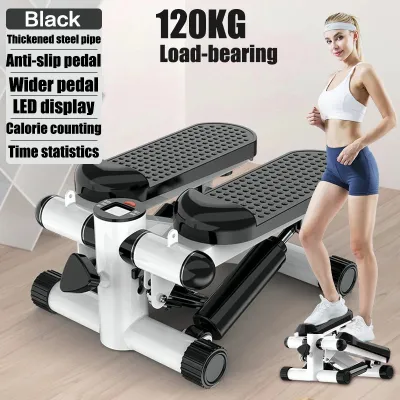
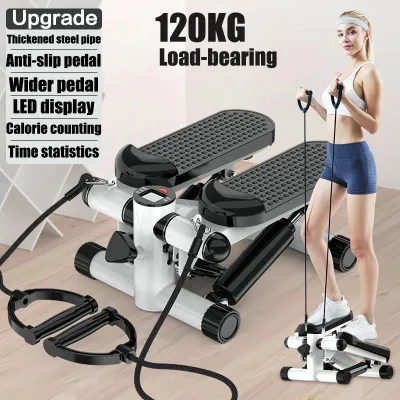
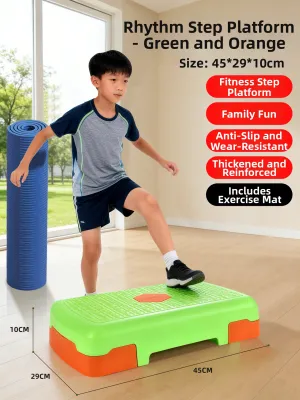
Prices are valid at publication and may change. Please refer to the product page for the latest price.
You must also calculate the dynamic clearance, which is the actual space required when you are actively using the equipment. As you step, your body moves up and down, your knees rise, and your arms may swing naturally or hold onto resistance bands. To exercise safely, you should maintain a clearance zone of at least 50 to 60 centimeters of open space around all sides of the machine. This buffer prevents you from accidentally bumping into walls, television consoles, or delicate glass furniture during a vigorous workout session.
Vertical clearance is another critical factor that is frequently overlooked in residential buildings. When standing on a stepper, the pedals elevate your feet anywhere from 15 to 30 centimeters off the ground at the peak of the stride. If your condo has standard or lower-than-average ceilings, you must add your height to the maximum pedal elevation of the stepper. Ensure you have at least 15 to 20 centimeters of clearance between the top of your head and the ceiling, ceiling fans, or low-hanging light fixtures to avoid painful accidents.
Finally, consider the daily flow of your living space. A stepper should not block essential walkways, door swings, or access to your balcony or kitchen. If you have to constantly move heavy furniture just to set up your workout area, you are far less likely to use the machine consistently. Choose a dedicated spot where the stepper can be quickly deployed and packed away without disrupting the functionality of your home.
Types of Indoor Steppers for Limited Spaces
Selecting the right type of steper exercise indoor equipment depends heavily on your balance, fitness goals, and storage options. Compact steppers generally fall into two main categories, each offering distinct advantages and trade-offs in terms of spatial efficiency and stability. In the Philippines, budget-friendly mini steppers typically range from ₱1,500 to ₱3,500 on local online marketplaces, while premium folding models with advanced resistance systems can range from ₱5,000 to over ₱10,000.

Mini Steppers and Portable Pedal Exercisers
Mini steppers are ultra-compact, standalone units consisting of two pedals and a hydraulic drive system, completely omitting any tall frame or handlebars. These machines are the ultimate space-savers, often measuring no more than 40 centimeters in length and 30 centimeters in width. Because of their low profile, they can easily be slid under a bed, tucked into the bottom of a closet, or placed neatly under a work desk when not in use.
Another highly portable option is the seated pedal exerciser, which allows you to get a low-impact cardiovascular workout while sitting on your sofa or a dining chair. These devices eliminate the need for standing balance entirely, making them excellent for multi-tasking during remote work hours or while watching television. They occupy minimal floor space and can be stored effortlessly in small cabinets.
However, these ultra-compact models come with specific trade-offs. Because mini steppers lack handlebars, they require a higher level of core stability and balance from the user. While many models come with attachable elastic resistance bands to provide a basic upper-body workout, they do not offer the same level of physical support as framed machines. If you are recovering from an injury or have balance concerns, a handlebar-free design may not be the safest choice for your fitness level.
Folding Steppers with Handlebars
For those who require more stability and a more intense, full-body workout, folding steppers with integrated handlebars are an excellent alternative. These machines feature a taller frame that provides a secure handhold, allowing you to maintain your balance during high-resistance training. The handlebars also enable you to lean slightly forward, targeting different muscle groups such as the glutes and hamstrings more effectively.
To accommodate small condo spaces, these steppers are designed with a folding mechanism that allows the handlebar frame to collapse flat against the base. Once folded, the unit can be stored vertically against a wall, behind a wardrobe, or inside a utility closet. This design offers the safety and stability of a traditional gym machine while still respecting the spatial limitations of a modern apartment.
Before choosing a folding model, it is vital to verify both the folded dimensions and the overall weight of the unit. Adding a steel handlebar frame significantly increases the weight of the machine, often making it heavier and more cumbersome to move than a simple mini stepper. Ensure that you can comfortably lift and maneuver the folded machine to its storage location without straining your back, or look for models that feature built-in transport wheels to ease the process.
Key Features for Condo-Friendly Steppers
Beyond physical dimensions, several critical features dictate how well a stepper will integrate into a shared residential environment like a condominium. Paying attention to these details will ensure your workouts are safe, comfortable, and neighbor-friendly.
- Noise and Vibration: In a multi-story condo building, sound and vibration can easily travel through concrete floors and disturb your downstairs neighbors. Most compact steppers utilize hydraulic cylinders to generate resistance. While these cylinders are generally quiet, producing only a soft whooshing sound as they compress, they can generate significant heat and minor vibrations during use. High-end models may feature magnetic resistance systems, which are virtually silent but tend to have a slightly larger physical footprint. Reading user reviews specifically focusing on operational noise can help you identify models prone to squeaking or clicking.
- Floor Protection: Protecting your condo's flooring—whether it is laminate, engineered wood, vinyl planks, or ceramic tiles—is essential. The concentrated weight of a stepper, combined with the dynamic force of your stepping motion, can easily scratch, dent, or discolor delicate floor surfaces. Sweat dripping during intense workouts can also damage wood or laminate over time. To prevent this, always place a high-density rubber or PVC equipment mat underneath your stepper. This mat acts as a protective barrier, absorbs vibrations, dampens noise, and prevents the machine from sliding around during use.
- Portability: Since you will likely need to move your stepper between its storage spot and your active workout area, portability is key. Look for machines constructed with lightweight yet durable materials, such as high-grade steel or aluminum. Built-in transport wheels are an invaluable feature for folding steppers, allowing you to roll the machine across the room rather than carrying its full weight. For mini steppers, a sturdy built-in carrying handle makes it much easier to lift and slide the unit under furniture.
- Weight Capacity and Stability: Never sacrifice safety for a smaller footprint. It is crucial to check the manufacturer's maximum weight capacity label on the product or in the user manual before purchasing. Compact machines must have a robust frame and a wide, stable base to prevent tipping during vigorous exercise. If a stepper feels wobbly or flexes under your weight, it is not safe to use. Choose a machine with a certified weight capacity that comfortably exceeds your actual body weight to ensure long-term durability and structural integrity.
Common Space-Measuring and Placement Mistakes
Avoiding common pitfalls during the planning and setup phases will save you from the frustration of owning unusable or dangerous equipment.
One of the most frequent mistakes is measuring only the physical base of the stepper while ignoring the space your body occupies. When you stand on the machine, your hips, elbows, and shoulders extend beyond the narrow metal frame. If you place the stepper too close to a wall or a piece of furniture, you may find yourself constantly scraping your knuckles or bumping your shoulders, which severely limits your range of motion and compromises your workout form.
Another critical error is placing the stepper on an uneven surface or a thick, plush carpet. An uneven floor causes the machine to wobble, which accelerates wear on the hydraulic cylinders and increases the risk of the stepper tipping over. Thick carpets can also block the airflow around the base of the machine, trapping heat and potentially causing the hydraulic fluid in the cylinders to overheat and leak. Always ensure the stepper is placed on a flat, level surface, and use a firm equipment mat to stabilize it.
In the tropical climate of the Philippines, indoor temperature control is vital during exercise. Placing your stepper in a stagnant corner of your condo without adequate ventilation or air conditioning can quickly lead to overheating and exhaustion. Avoid blocking air conditioning vents or placing the machine directly under a low-hanging ceiling fan where your hands or head could make contact. Position your stepper in a well-ventilated area, perhaps near a window or in the direct path of an electric fan, to maintain a comfortable body temperature.
Lastly, many users forget to check if their stepper has adjustable leveling feet. If your condo floor has minor imperfections or slopes slightly, failing to calibrate these feet will result in an annoying wobble. Take a few minutes during assembly to adjust the leveling feet until the machine sits perfectly flat and stable on the ground. Before setting up or adjusting your stepper, always check the product’s safety label and the manufacturer’s instructions to ensure proper assembly and avoid voiding the warranty.
Frequently Asked Questions (FAQ)
Can I use a stepper on a carpeted condo floor?
While you can technically place a stepper on a carpeted floor, doing so is generally not recommended without proper precautions. Thick, plush carpets can create an unstable foundation, causing the machine to tilt or wobble during use, which increases the risk of injury and uneven wear on the stepper’s joints. Additionally, carpets can trap heat generated by the hydraulic cylinders. To ensure safety and protect your carpet from friction wear and sweat stains, always place a firm, non-slip equipment mat over the carpet to create a level, stable surface.
How do I check if a compact stepper is safe for my weight?
To verify if a compact stepper can safely support your weight, locate the manufacturer’s official maximum user weight specification. This information is typically printed on a safety label on the machine’s frame, listed in the user manual, or detailed on the official product page of authorized retailers. For optimal safety and longevity of the equipment, select a stepper with a maximum weight capacity that exceeds your current weight by at least 10 to 15 kilograms. Never exceed the stated limit, as doing so can cause structural failure or hydraulic leaks.
Are hydraulic steppers noisy enough to bother downstairs neighbors?
Hydraulic steppers themselves are relatively quiet, emitting only a soft, rhythmic whooshing sound as the cylinders compress and expand. However, the primary source of noise that bothers downstairs neighbors is the impact of the pedals hitting the base frame and the physical vibrations transferring through the concrete slab floor. You can easily minimize this noise transfer by using a thick, high-density rubber mat under the machine and practicing controlled, smooth stepping motions that prevent the pedals from bottoming out hard against the frame.
Community discussion
Share your experience or ask a question. Comments are reviewed before publication.