
The best Decathlon microfiber towel for your child depends on their height, how independently they change, and where they will use it. For younger children who need hands-free warmth after a swim, a hooded poncho style is often the most practical choice. For older, more independent kids, a compact, standard rectangular towel offers the best balance of quick drying and easy packing. In the tropical climate of the Philippines, where high humidity can make drying gear a challenge, selecting the right fabric thickness and style ensures your child stays comfortable without bringing home a damp, musty bag.
When preparing for a day at the pool or beach, parents often face the challenge of packing light while ensuring their kids stay warm and dry. Microfiber has become a staple for water sports due to its lightweight nature and rapid drying capabilities. However, because children have different comfort levels, motor skills, and sensitivity to cold, a one-size-fits-all approach to buying towels does not work. By evaluating how your child interacts with their gear, you can choose a towel that supports their independence and fits seamlessly into your family’s outdoor routine.
It is also important to remember that while a cozy towel or poncho keeps a child warm poolside, it is never a substitute for water safety equipment or active adult supervision. Whether your child is splashing in a shallow resort pool or playing in the ocean surf, keeping them safe requires constant vigilance. The right towel simply serves as a functional tool to make the transition from wet play to dry land as smooth and comfortable as possible.
Products mentioned in this guide
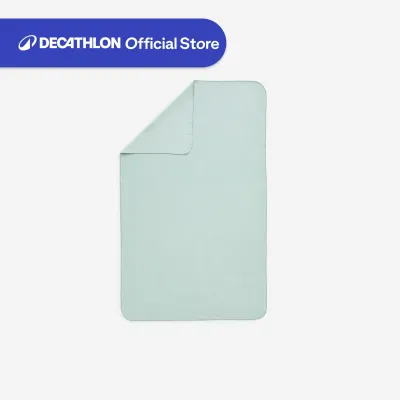
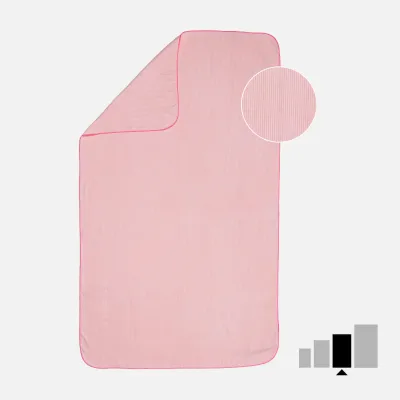
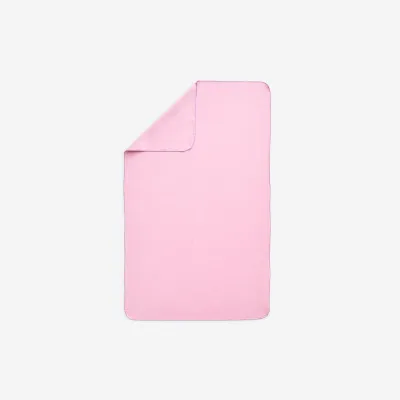
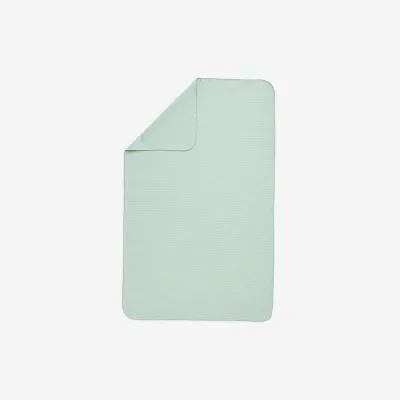

Prices are valid at publication and may change. Please refer to the product page for the latest price.
Matching Towel Styles to Your Child's Independence
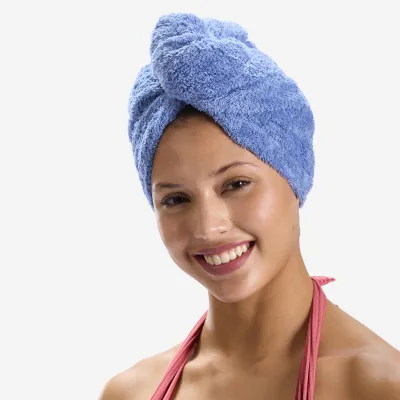
Selecting the right towel format depends heavily on how your child changes clothes, moves around, and manages their own gear after swimming. For toddlers and younger children, hooded poncho towels are highly effective. These slip over the head easily, providing instant warmth and wind protection without requiring the child to hold the towel in place. This hands-free design is highly useful on busy beaches, allowing parents to dry their kids off quickly while keeping the child’s hands free. Ponchos also offer a private, mobile changing space, making it easier to swap wet swimwear for dry clothes right on the sand.
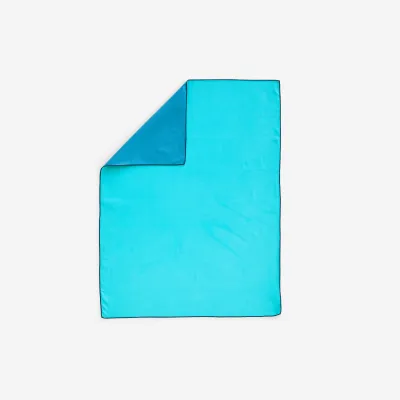
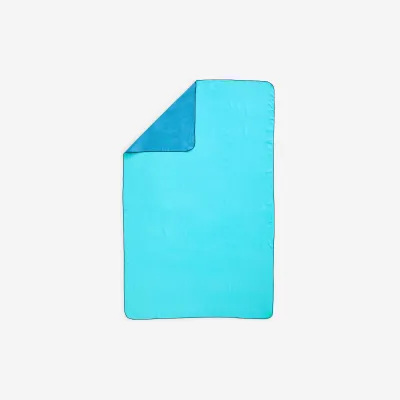
For older, more independent children, standard rectangular microfiber towels are usually the most practical option. These kids have the coordination to wrap a towel around themselves securely and can easily fold their own gear after use. Rectangular towels are incredibly versatile; they can be laid flat on a beach chair, used to wipe down wet feet, or rolled up tightly to save space. Because they lack the extra fabric of hoods or sleeves, standard rectangular towels are the easiest to pack into a tight school backpack or a small swim drawstring bag, making them ideal for independent school-age swimmers.
For highly active children who fall between these stages, wearable towels equipped with armholes, buttons, or snaps offer an excellent middle ground. These towels secure around the waist or chest, staying in place while the child runs around the poolside or plays in the sand. This prevents the towel from slipping off, dragging on wet ground, and collecting dirt. When choosing these styles, look for designs that allow adjustable fastening so the towel can grow with your child over multiple swim seasons.
Sizing Guidelines Based on Height and Coverage Needs
Choosing the correct towel dimensions is crucial to ensure full-body coverage without creating safety hazards. A towel that is too large can easily become a tripping hazard, especially when a wet child is navigating slippery pool tiles or uneven beach sand. To find the right fit, measure your child’s height from their shoulders down to their shins or ankles. Compare this measurement against the length of the towel listed on the product packaging. Ideally, a wearable poncho or wrapped towel should hang no lower than the mid-calf to allow for safe, unrestricted movement.

There is always a trade-off between maximum coverage and portability. Larger sizes, such as medium or large rectangular towels, provide excellent coverage for wrapping up completely after a cold swim, and they offer more surface area to lie on when relaxing on the sand. However, they also take up more space in a bag and take slightly longer to dry. Smaller sizes are incredibly compact and lightweight, making them easy for a child to carry in their own backpack, but they may only cover the torso, leaving legs exposed to cool breezes.
Because sizing conventions and product lines can change, always check the manufacturer’s specific size chart on the product label or the official store page before making a purchase. Decathlon’s microfiber range often categorizes towels by standard sizes like S, M, or L, or by specific age recommendations for ponchos. Rather than guessing based on age alone, rely on physical height measurements to ensure the towel fits your child’s current build. Checking these details beforehand prevents the hassle of returning an ill-fitting item.
Pool vs. Beach: Adjusting Your Choice by Environment
The functional requirements for a chlorinated indoor pool differ significantly from those of a sandy, windy beach. For beach trips, prioritizing wind protection and sand management is essential. Coastal breezes can quickly chill a wet child, making a hooded poncho or a larger, thicker microfiber towel highly beneficial. When spending a day on the coast, look for towels with printed patterns or darker colors. These designs naturally hide outdoor stains, soil, and stubborn sand particles that can cling to the fine fibers of microfiber fabric, keeping the towel looking cleaner throughout the day.
For regular pool sessions, such as weekly swimming lessons or school swim club, the focus shifts to portability and rapid drying. Pool bags are often packed alongside school books and lunchboxes, meaning space is at a premium. A lightweight, ultra-compact microfiber towel is ideal for these scenarios because it folds down to a fraction of the size of a traditional cotton towel. It also needs to dry rapidly between lessons or multiple daily training sessions, ensuring that your child does not have to pack a heavy, waterlogged towel back into their school bag at the end of the day.
When choosing between different microfiber options, consider the thickness and weight of the fabric in relation to your local climate. In the humid tropical environment of the Philippines, thin, lightweight microfiber towels are highly advantageous because they dry incredibly fast on a clothesline or balcony, minimizing the risk of sour odors and mildew. However, if your child frequently swims in heavily air-conditioned indoor pools or during cooler, rainy-season afternoons, a slightly thicker, plush microfiber towel may be worth the extra bulk to provide immediate warmth and comfort when they step out of the water.
Practical Features to Verify Before Checkout
Before finalizing your purchase, take a moment to inspect the small design details that can greatly improve daily usability and longevity. A sturdy hanging loop is one of the most important features to look for. This simple elastic or fabric loop allows the towel to hang securely from a pool fence, a beach umbrella, or a bathroom hook. Hanging the towel up immediately after use maximizes airflow, which is critical for quick drying and preventing the buildup of unpleasant damp odors in humid weather.
Another highly useful feature is an integrated storage pouch or a built-in elastic band. Some Decathlon microfiber towels include a small mesh pocket or a band that keeps the towel tightly rolled and compressed when not in use. This makes packing much easier and helps isolate a damp, sandy towel from dry clothes, clean underwear, and electronics inside a shared family beach bag. It also teaches children to pack away their own gear neatly after their swim session is over.
Finally, closely examine any fasteners, such as snaps, velcro, or zippers, on wearable or poncho-style towels. Ensure that the hardware is durable, rust-resistant, and safe for a child’s sensitive skin. Plastic snaps are generally preferred over metal ones for water sports, as they will not rust when exposed to saltwater or chlorine. Additionally, check that velcro strips are soft and positioned in a way that prevents them from scratching your child’s skin or snagging the delicate microfiber fabric of the towel itself during use.
Frequently Asked Questions (FAQ)
How do I wash microfiber towels to keep them absorbent?
To maintain the quick-dry and water-absorbing properties of microfiber fabrics, always wash them without fabric softeners or bleach. Fabric softeners leave a thin, waxy coating on the synthetic fibers, which clogs the microscopic channels that trap water, drastically reducing the towel’s absorbency over time. Use a mild detergent on a gentle cycle, and always check the care label for specific washing temperature limits. Avoid high heat when drying, as excessive temperatures can melt or damage the polyester and polyamide fibers, causing the towel to lose its soft texture.
Can one microfiber towel work for both the pool and the beach?
Yes, a single versatile microfiber towel can easily serve both environments if chosen carefully. A mid-sized rectangular towel or a flexible poncho style can bridge the gap perfectly, provided it is compact enough to fit into a daily swim bag while still offering enough surface area to protect your child from coastal winds and sand at the beach. When looking at options, compare the price tags in ₱ at your local store to find a durable, multi-purpose option that fits your family’s budget and meets your child’s height requirements for both activities.
Community discussion
Share your experience or ask a question. Comments are reviewed before publication.