
Standard silicone mask straps are notorious for snagging hair, slipping out of place, and creating uncomfortable pressure points during a dive. When exploring the vibrant marine sanctuaries of the Philippines, from the deep walls of Tubbataha to the macro havens of Anilao, a shifting mask can quickly disrupt your focus. Upgrading to a dedicated dive headband or strap cover is one of the simplest and most effective ways to secure your mask while protecting your hair.
These accessories replace or encase the standard thin silicone strap with a wider, softer material. By distributing the tension across a larger surface area at the back of your head, they prevent the strap from rolling or digging into your scalp. This modification is especially beneficial for divers with long or textured hair, as it eliminates the painful friction and tearing that occurs when wet silicone grips individual strands.
In tropical and highly humid environments, gear comfort becomes even more critical. High humidity and warm saltwater make your skin more sensitive to chafing, while standard straps tend to slip more easily on sweaty or sunscreen-coated skin before you enter the water. A high-quality dive headband provides immediate stability, ensuring your mask stays positioned correctly from the moment you giant-stride off the boat to the end of your safety stop.
Products mentioned in this guide
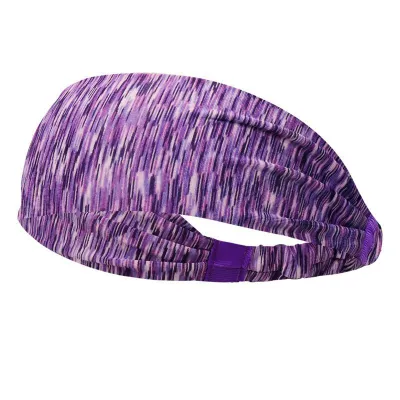
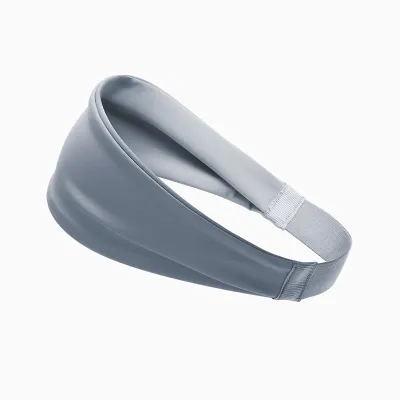
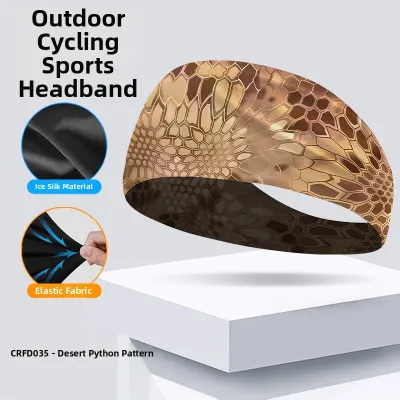
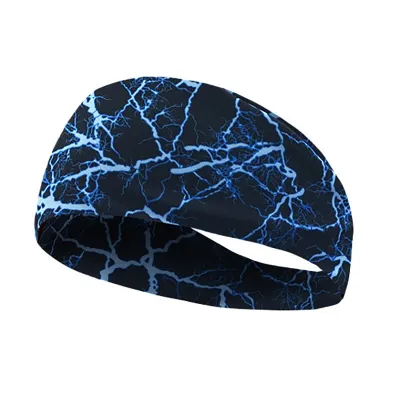
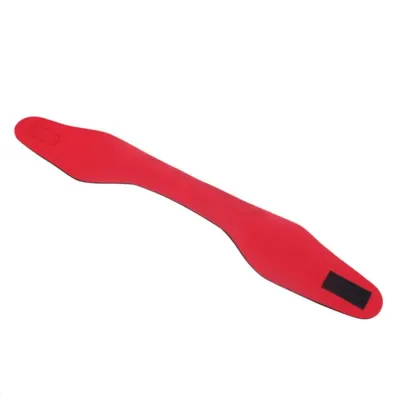
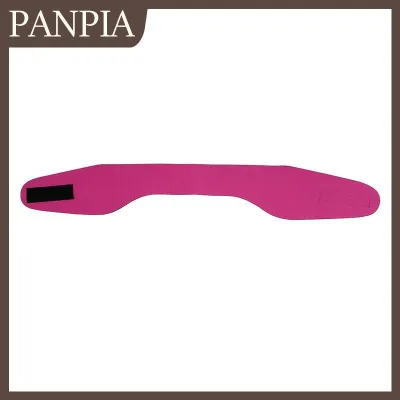
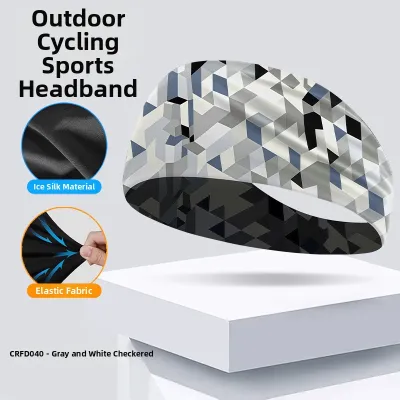
Prices are valid at publication and may change. Please refer to the product page for the latest price.
Furthermore, these headbands streamline the process of putting on and taking off your mask, commonly referred to as donning and doffing. Instead of carefully stretching a sticky silicone band over your head—often pulling a clump of hair with it—a fabric-covered strap slides smoothly over your hair. This ease of use is particularly valuable during training sessions or drift dives where quick adjustments are necessary.
Key Factors to Consider Before Buying
Choosing the right dive headband requires looking beyond color and pattern. Because masks vary widely in buckle design, strap width, and frame structure, a headband that works perfectly on one model might cause another to leak or slip. Evaluating key dimensions before making a purchase ensures your upgrade enhances your diving experience rather than creating new gear complications.
Material Properties The material of your headband dictates its comfort, grip, and longevity in saltwater. Neoprene is the most popular choice, offering a soft, cushioned feel and a tiny amount of positive buoyancy, which can help prevent your mask from sinking to the ocean floor if dropped. Silicone headbands, on the other hand, provide exceptional grip directly against the skin or a neoprene hood, making them highly durable and resistant to UV degradation. Padded or fleece-lined options offer the highest level of hair protection by providing an ultra-smooth glide, though they require more thorough rinsing to remove salt crystals and organic debris.
Strap Compatibility Before purchasing a headband, you must verify how it attaches to your existing mask. Some headbands are simple sleeves that require you to thread your original silicone strap through the middle. For this style, the internal width of the sleeve must closely match the widest part of your mask strap to prevent the material from bunching up or sliding side-to-side. Other designs feature Velcro or zipper closures that wrap around the strap, making installation easier but adding a small amount of bulk that might interfere with certain mask buckles.
Diving Environment The conditions of your typical dive sites play a major role in material selection. If you frequently dive from boats in tropical climates, your gear will face intense UV exposure, high salinity, and humid air that slows drying times. A headband that retains too much water can quickly develop mold or a sour odor if packed away damp. Opting for materials with high saltwater resistance and fast-drying properties ensures your gear remains hygienic and structurally sound over hundreds of dives.
Hair Type and Length Your hair texture and length should heavily influence your choice. Divers with long, thick, or curly hair benefit most from wide, smooth neoprene covers that prevent individual strands from tangling around the strap. Conversely, divers with very short hair or those who always wear a thick neoprene hood may prefer a low-profile silicone band. The silicone-on-silicone or silicone-on-hood contact provides maximum grip without any risk of hair pulling, maintaining a streamlined profile in the water.
Best Dive Headband Types for Your Diving Style
Different underwater activities place unique demands on your equipment. A recreational scuba diver exploring a shallow reef has different comfort and hydrodynamic needs than a freediver descending on a single breath or a spear-fisher stalking prey along a rocky drop-off. Matching the headband type to your specific diving style ensures optimal performance and safety.

Neoprene Strap Covers for Scuba Diving and Resort Snorkeling
For the vast majority of recreational scuba divers and snorkelers, a neoprene strap cover is the ideal choice. These covers typically slide over your existing silicone strap, providing a thick, cushioned barrier against the back of your head. The soft texture of neoprene allows the mask to slide on and off effortlessly, making it a favorite for resort divers who make multiple entries and exits throughout the day.
Beyond comfort, neoprene covers offer a small safety advantage by adding slight positive buoyancy to your mask assembly. If your mask is knocked off at the surface, the neoprene cover can slow its descent or help it float, giving you a better chance of retrieving it. The material is also highly durable and handles the compression of deeper recreational dives without losing its shape or cushioning properties.
However, neoprene covers do have a few limitations. The fabric can trap fine sand particles if you wade through surf zones or practice beach entries, which can cause abrasive irritation against your scalp if not rinsed out thoroughly. When choosing a neoprene cover, inspect the quality of the stitching and any Velcro or zipper closures. The closure mechanism should lay completely flat against your head; exposed Velcro hooks or rough zipper edges can easily snag fine hair, defeating the primary purpose of the cover.
Low-Profile Silicone Bands for Freediving and Spearfishing
Freediving and spearfishing demand high hydrodynamics, minimal drag, and absolute gear stability during rapid descents and ascents. In these high-performance disciplines, thick neoprene covers are often too bulky. They can catch the water during dynamic movement, causing the mask to shift and break its seal. Instead, a low-profile silicone band is the preferred solution for low-volume freediving masks.
Silicone bands are designed to replace the original strap entirely or fit snugly over a narrow strap without adding bulk. They feature textured inner surfaces or micro-ridges that grip the back of your head or your wetsuit hood securely, preventing any shifting during high-speed swimming or when looking down into the blue. Because silicone does not absorb water, it maintains zero buoyancy and dries almost instantly once you surface.
Before choosing a low-profile silicone band, it is vital to recognize your personal limits and prioritize safety. Freediving and spearfishing carry inherent risks, including shallow water blackouts. Your equipment must never interfere with your ability to perform a quick-release or adjust your mask in an emergency. Ensure the silicone band does not block the mask’s quick-adjust buckles. If you must adjust your mask tension while preparing for a dive, the mechanism must operate smoothly without sticking. Equipment can enhance your comfort, but it cannot replace formal safety training, a vigilant buddy, and sound underwater judgment.
Padded and Fleece-Lined Headbands for Long Hair and Sensitive Skin
If your primary struggle is severe hair tangling, breakage, or skin sensitivity around your ears and scalp, a padded or fleece-lined headband offers the ultimate protection. These specialized headbands feature a soft, plush lining—often made of high-tech fleece or micro-terry fabric—that glides smoothly over even the most fragile hair types. By distributing pressure evenly, they eliminate the localized headaches that can occur when a thin strap is pulled too tight.
The primary trade-off with padded and fleece-lined headbands is their water retention. Unlike silicone or closed-cell neoprene, these absorbent fabrics hold a significant amount of water. In the humid tropical climate of the Philippines, a wet fleece headband can take a long time to dry completely. If left damp in a plastic gear bag, it can quickly become a breeding ground for bacteria and unpleasant odors.
To maintain hygiene, look for designs where the padded liner is removable and machine-washable, or ensure you rinse the headband thoroughly in fresh water after every dive day. Hanging the headband in a shaded, well-ventilated area—rather than direct sunlight—will allow it to dry safely without degrading the elastic fibers or fading the fabric.
How to Match the Headband to Your Specific Mask
Even the most comfortable headband is useless if it does not fit your mask’s hardware. Incorrect matching can distort the angle of the strap, pull the frame unevenly, and cause the mask skirt to leak. To ensure a perfect seal and optimal comfort, you must analyze how your mask’s strap and buckles interact with your chosen headband.
Single vs. Split Straps Mask straps generally fall into two categories: single continuous bands or split-strap designs that divide into two parallel bands at the back of the head. If your mask has a split strap, a standard sleeve-style headband can be tricky to install. Forcing both halves of a split strap into a narrow sleeve defeats the purpose of the split, which is designed to cradle the crown of your head for vertical stability. For split straps, look for a wrap-around headband with Velcro closures that allows you to route each strap through its own designated section, or select a wide headband designed specifically to accommodate the split shape without bunching.
Buckle Clearance The adjustment buckles on modern dive masks are often integrated directly into the frame or attached via flexible tabs. When installing a headband, you must ensure that the cover does not slide too close to these buckles. If the headband presses against the buckle housing, it can jam the release levers or prevent the strap from adjusting smoothly. In worse cases, the extra thickness of the headband near the temple can push the mask skirt away from your face, creating a persistent leak. Always leave at least a two-centimeter gap between the edge of the headband and the adjustment buckles.
Strap Width Measurement To get a secure fit, measure the widest part of your original mask strap using a ruler. Most standard silicone straps range from 4 to 6 centimeters at their widest point. Compare this measurement to the internal sleeve width specified by the headband manufacturer. If the headband sleeve is too wide, it will slide back and forth, bunching up at the buckles and failing to protect your hair. If the sleeve is too narrow, you will struggle to pull the strap through, and the compressed silicone inside will create lumpy, uncomfortable pressure points against your skull.
Material and Feature Comparison
To help you finalize your decision, the table below summarizes the key differences between the three primary dive headband materials. Each option presents distinct trade-offs in terms of grip, hair protection, and drying speed, making them suitable for different underwater environments and activities.
| Headband Type | Grip on Wet Hair | Hair Protection Level | Drying Speed | Best Suited Diving Style |
|---|---|---|---|---|
| Neoprene | Moderate (slides easily) | High (prevents tangles) | Moderate | Recreational Scuba & Snorkeling |
| Silicone | High (anti-slip) | Moderate (can grab fine hair) | Fast | Freediving & Spearfishing |
| Padded / Fleece | Low (maximum glide) | Very High (no friction) | Slow | Long Hair & Sensitive Skin |
When selecting your headband, consider which compromise aligns best with your diving habits. For instance, if you prioritize quick drying times for multiple boat transfers, silicone is unmatched. However, if your primary goal is protecting long, color-treated hair from breakage, the slower drying time of a padded or fleece headband is a worthwhile trade-off for its superior protection.
Frequently Asked Questions (FAQ)
Can I use a dive headband with a prescription dive mask?
Yes, dive headbands are fully compatible with prescription dive masks. Because headbands attach to the strap rather than the mask frame, they do not interfere with the corrective lenses. However, you must ensure the headband is adjusted correctly so it does not pull the frame at an uneven angle. Any uneven tension on a prescription mask can distort your field of vision or compromise the facial seal, leading to water entry that obscures your sight.
How do I clean and maintain a neoprene dive headband?
To extend the lifespan of your neoprene headband, rinse it thoroughly in clean, fresh water after every dive to remove salt, sand, and chlorine. Avoid using harsh detergents; a mild baby shampoo or dedicated wetsuit wash is sufficient if it needs deep cleaning. Always air-dry the headband flat or hanging in a well-ventilated, shaded area. Keep it out of direct sunlight, as UV rays break down neoprene and degrade elastic fibers over time. Regularly inspect the Velcro or zipper closures to clear out any trapped sand or hair.
Will a dive headband stop my mask from leaking?
A dive headband will not fix a leaking mask if the mask skirt does not fit your face shape. The primary function of a headband is to improve comfort, distribute strap tension, and prevent slipping. While a stable strap helps maintain the correct position of the mask, a proper seal relies entirely on the fit of the silicone skirt against your skin. If your mask continues to leak despite adjusting the strap tension, you may need to test different mask models to find one that matches your facial contours.
Community discussion
Share your experience or ask a question. Comments are reviewed before publication.