
Finding a diving mask that fits perfectly is the single most important gear decision you will make, as even the most advanced features cannot compensate for a poor seal. A leaking mask ruins your visibility, increases anxiety, and disrupts your buoyancy control. To find the right fit, you must match the mask’s skirt design to your unique facial structure, perform a reliable dry fit test, and understand how to adjust the strap for a secure, comfortable hold.
Whether you are exploring vibrant coral reefs or training in a local pool, a properly fitted mask ensures you can focus on your surroundings rather than constantly clearing water. This guide will walk you through the essential steps to identify your face shape, test mask compatibility, and troubleshoot leaks so you can enjoy safe, comfortable underwater adventures.
Identify Your Face Shape and Skirt Compatibility
Every face is unique, and diving mask manufacturers design their products to accommodate different facial structures. To find a mask that creates a reliable seal, you must first assess your own facial features, including the width of your nose bridge, the prominence of your cheekbones, and the distance between your nose and upper lip. A mask that fits a friend perfectly might leak constantly on you simply because of a slight difference in cheekbone height or forehead curvature.
Products mentioned in this guide
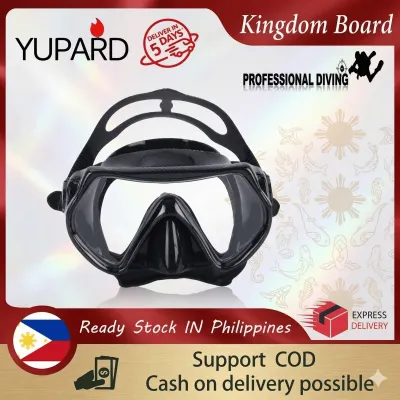
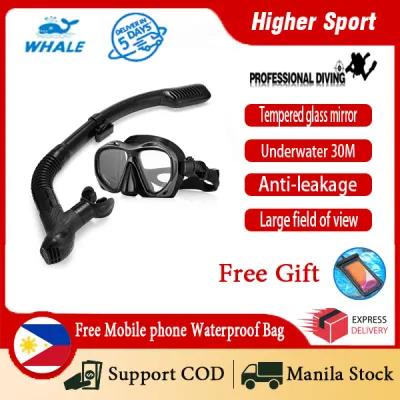
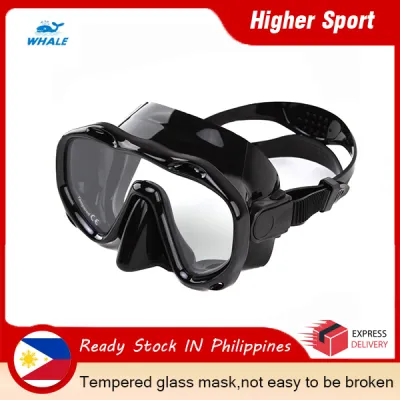

Prices are valid at publication and may change. Please refer to the product page for the latest price.
The skirt is the soft, flexible part of the mask that directly contacts your skin to create a watertight seal. High-quality masks use liquid silicone, which is highly flexible, durable, and conforms to the contours of your face. Cheaper masks often use plastic or PVC skirts, which are stiff, prone to warping in tropical heat, and rarely provide a reliable seal. When evaluating a mask, look for a double feathered edge, which features an additional inner flap along the skirt boundary to provide a secondary barrier against water entry.
Nose bridge width is a critical factor in mask fit. If you have a high, narrow nose bridge, you need a mask with a deep, defined nose pocket to prevent the hard frame from pressing painfully against your bone. Conversely, if you have a flatter or wider nose bridge, a mask with a shallower nose pocket and a wider skirt angle will prevent gaps from forming at the sides of your nose.
Cheekbone prominence and upper lip space also dictate skirt compatibility. High cheekbones can push the bottom of the skirt upward, causing gaps near the temples or under the eyes. Additionally, if you have a short distance between your nose and upper lip, a wide skirt may overlap with your lip, causing the seal to break every time you insert a snorkel or regulator mouthpiece. Reviewing manufacturer sizing guides and trying on various profiles is the best way to match these specific facial dimensions.
Perform a Dry Fit Test to Verify the Seal
Before you ever get close to the water, you must perform a dry fit test to verify that the mask can create a reliable vacuum seal on your face. This test should be done without using the mask strap, as strap tension should never be used to force a seal. Relying on a tight strap to stop leaks is a common mistake that leads to discomfort, headaches, and skirt deformation.

To begin the dry fit test, look up slightly toward the ceiling and place the mask gently on your face, ensuring that all hair is cleared away from your forehead and temples. Do not put the strap over your head; let it hang loose in front of the mask. Inhale gently and steadily through your nose, then hold your breath.
While holding your breath, let go of the mask with your hands. If the mask fits your face shape, the gentle suction created by your inhalation should hold the mask securely in place. If the mask immediately falls off or if you feel air rushing in around the edges, the skirt is not making continuous contact with your skin, indicating an incompatible fit.
While the mask is held in place by suction, pay close attention to the skirt edges. Look in a mirror or ask a buddy to inspect the seal around your temples, under your nose, and across your upper lip. Any visible gaps, folds, or puckers in the silicone indicate that the mask is too wide, too narrow, or poorly shaped for your face.
Crucially, you must also test the mask with a snorkel or regulator mouthpiece in your mouth. Inserting a mouthpiece changes the shape of your cheeks and upper lip, which can easily break a seal that seemed perfect when your face was relaxed. If the mask loses its suction or if you feel gaps forming when you bite down on a mouthpiece, you need to try a different mask model.
Finally, check for uncomfortable pressure points. Press gently on the front of the mask while it is on your face. If you feel the hard plastic frame touching the bridge of your nose, your forehead, or your cheekbones, the mask’s internal volume is too low for your facial structure, and it will cause pain during a dive.
Select Lens and Frame Configurations for Comfort
Once you have identified a selection of masks that pass the dry fit test, you can choose between different lens and frame configurations to optimize your comfort and field of vision. These design variations affect the mask’s internal volume, weight distribution, and compatibility with corrective lenses.
Low-volume masks are designed to sit very close to your face, minimizing the amount of air trapped inside the mask. This low internal volume makes the mask incredibly easy to clear if water does enter, and it requires very little air to equalize as you descend. This makes low-volume masks the preferred choice for freedivers and spearfishers, as well as scuba divers who prefer a lightweight, streamlined profile. Standard-volume masks sit further from the face, offering a more spacious feel that some divers find less claustrophobic, though they require more effort to clear.
You must also choose between single-lens and dual-lens designs. Single-lens masks feature a continuous pane of tempered glass without a center frame, providing an uninterrupted view directly ahead. Dual-lens masks have two separate glass panes divided by a central frame. This design is essential if you wear glasses, as dual-lens masks can easily be fitted with prescription lenses.
Frameless masks mold the silicone skirt directly to the glass lens, eliminating the heavy plastic frame entirely. This makes them highly flexible, lightweight, and easy to pack flat into a pocket as a backup mask. Framed masks utilize a rigid plastic structure to hold the lenses and skirt together, offering excellent durability and structural support, though they are bulkier to pack.
Adjust the Strap and Buckles for a Secure Hold
After finding a mask that fits your face shape, proper strap adjustment is key to maintaining that watertight seal throughout your dive. The mask strap is not designed to pull the mask tight against your face; rather, its sole purpose is to keep the mask positioned correctly so that water pressure can do the work of sealing it.
To position the strap correctly, place the mask on your face and pull the strap over the back of your head. The strap should rest on the crown of your head, slightly above your ears. If the strap is positioned too low near your neck, the mask will slide downward, causing leaks under your nose. If it is positioned too high, the mask can slide upward, breaking the seal on your upper lip.
Adjust the tension evenly on both sides of the mask using the buckles. The strap should be just tight enough to hold the mask in place without slipping. If you feel the silicone skirt pressing hard against your face or if you develop deep red marks around your eyes after a short time, the strap is too tight.
Over-tightening is one of the most common causes of mask leaks. When you pull the strap too tight, you warp the flexible silicone skirt, causing it to fold and buckle. These folds create direct channels for water to enter the mask. Keep the strap comfortably loose, and let the natural pressure of the water press the mask gently against your face as you descend.
Troubleshoot and Clear Leaks Underwater
Even with a perfectly fitted mask, minor leaks can occur due to facial movement, hair getting trapped under the skirt, or accidental bumps from gear. Knowing how to clear your mask quickly and calmly is an essential skill that every diver and snorkeler must master before entering deep water.
To clear water from your mask while submerged, press the top frame of the mask firmly against your forehead with one hand. Look up slightly, take a deep breath through your mouth, and exhale steadily and continuously through your nose. The exhaled air will rise to the top of the mask, creating pressure that forces the water out through the bottom of the skirt.
If your mask leaks repeatedly, check for common triggers. The most frequent culprit is hair trapped under the silicone skirt. Even a few strands of hair across your forehead or temples can break the seal and allow water to seep in. Ensure your hair is pulled back securely before putting on your mask. Other triggers include a twisted strap, a snorkel pulling the mask to one side, or excessive smiling and laughing, which alters your facial contours.
While minor leaks are easily managed, you must recognize when a mask issue requires you to abort your activity. If your mask floods completely and repeatedly, or if you are unable to maintain a clear field of vision despite multiple clearing attempts, you must signal your buddy and safely ascend. Equipment cannot replace proper training and calm judgment; continuing a dive with a constantly flooding mask increases the risk of panic and buoyancy accidents.
Frequently Asked Questions (FAQ)
Does facial hair affect the mask seal?
Yes, facial hair such as mustaches, beards, and long sideburns will interfere with the silicone skirt’s ability to make direct contact with your skin. The hair creates thousands of tiny micro-channels that allow water to slowly seep into the mask. To mitigate this, you can trim the very top edge of your mustache just below your nose to create a clean strip of skin for the skirt to rest on. Alternatively, applying a thin layer of food-grade silicone grease or petroleum jelly to your mustache before diving can help create a temporary watertight barrier. If you have a thick, full beard, you may need to try multiple mask models with exceptionally soft, high-stretch silicone skirts, or accept that minor clearing will be a regular part of your dive.
How often should I replace my diving mask?
There is no fixed time limit or expiration date for a diving mask; instead, you should base your replacement decision on the physical condition of the materials. Over time, exposure to UV rays, salt water, chlorine, and tropical humidity will degrade the mask. Inspect the silicone skirt regularly for signs of aging, such as stiffness, yellowing, permanent warping, or fine cracks. Check the strap and buckles for brittleness, loss of elasticity, or stress fractures. If the silicone loses its flexibility, it will no longer conform to your face shape, and the mask must be replaced to ensure your safety and comfort underwater.
Community discussion
Share your experience or ask a question. Comments are reviewed before publication.