
Choosing the right diving respirator for Philippine waters requires shifting your focus from cold-water insulation to tropical challenges like fine volcanic sand, salt crystallization, and local service logistics. While warm waters are forgiving, your breathing apparatus remains your primary life-support system. It must operate flawlessly across diverse environments, from deep wall drifts to sandy shore entries. Remember that no equipment can replace proper training, pre-dive safety checks, and sound underwater judgment; always know your personal limits and stop the dive if conditions exceed them.
First Stage Design and Environmental Sealing for Sandy Conditions
The first stage of a diving respirator reduces high-pressure air from your scuba cylinder to a stable, intermediate pressure. This mechanism typically utilizes either a piston or a diaphragm design to control the airflow. Piston first stages can be open to the surrounding water or sealed, while diaphragm systems are inherently isolated from the external environment.
In colder climates, environmental sealing is heavily marketed to prevent internal components from freezing. In the warm waters of the Philippines, however, the primary benefit of a sealed first stage is keeping out fine volcanic sand, silt, and salt crystals. If you frequently participate in shore entries—such as those in Anilao or Dauin—or dive in low-visibility, high-sediment areas, these particulates can easily bypass unsealed mechanisms, causing internal wear or sudden performance degradation.
Products mentioned in this guide
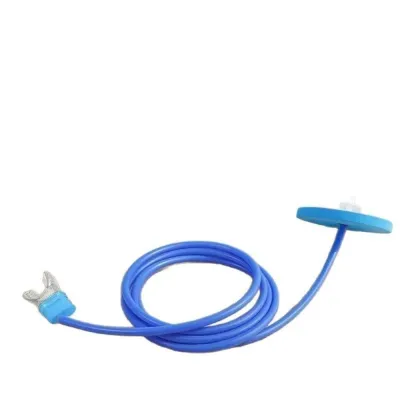
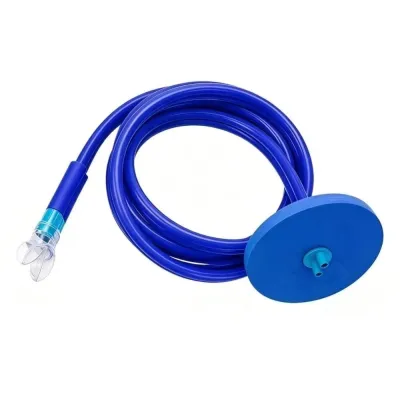
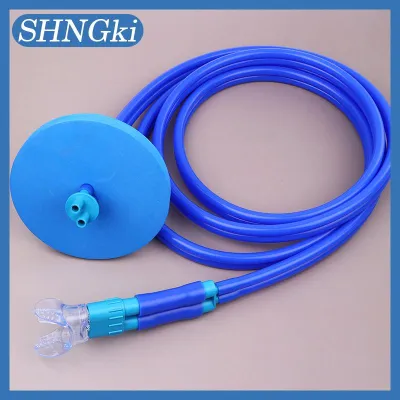
![[COD] E-WOITD 1PC Full Dry Respirator 3 Meter Diving Swimming Equipment Breathing Tube Diving Suit For Adult Men And Women](https://img.lazcdn.com/g/p/1d9a2ef7e7c11f07049268615e943f6e.jpg_400x400q80.jpg_.webp)
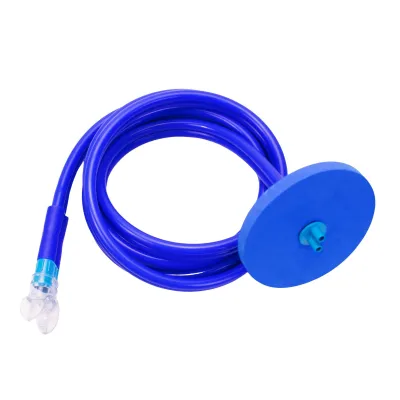
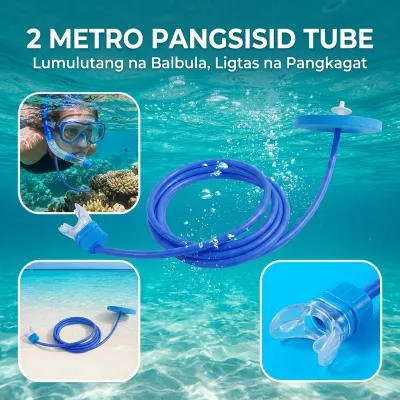
Prices are valid at publication and may change. Please refer to the product page for the latest price.
When selecting your first stage, consider your typical dive profile. A sealed diaphragm or a sealed piston regulator is highly recommended if you regularly dive from sandy shores or explore silt-heavy muck sites. Conversely, an unsealed piston model may perform adequately if you primarily conduct clear-water boat dives and commit to rigorous post-dive rinsing.
Do not assume that a more complex regulator with numerous moving parts offers superior performance. Simpler, well-sealed designs are often more reliable, less prone to mechanical failure, and significantly easier to service at local dive shops across the country.
Second Stage Specs: Ensuring Smooth Airflow at Varying Depths
The second stage of your diving respirator delivers air at ambient pressure when you inhale. This component is classified as either balanced or unbalanced, which directly impacts your breathing comfort at different depths.

A balanced second stage uses a design that counters the force of the incoming intermediate air pressure. This ensures that your breathing resistance remains consistently low, regardless of whether your tank pressure is at 200 bar or 50 bar, and whether you are at 5 meters or 40 meters. This consistency is highly beneficial during deep reef wall descents or challenging drift dives where currents demand steady, effortless respiration.
In contrast, an unbalanced second stage is a budget-friendly alternative. While highly reliable, it requires slightly more physical effort to inhale as your tank pressure drops or as you descend deeper. These models are best suited for shallow, relaxed recreational diving where air consumption and depth are minimal.
Many modern second stages feature adjustable airflow controls, such as Venturi switches or inhalation effort knobs. A Venturi switch alters the airflow path inside the casing to prevent free-flows when you are preparing to giant-stride off a bangka or swimming through surface chop. Inhalation knobs allow you to fine-tune the breathing resistance manually, which is incredibly useful when swimming against strong channels or conserving air.
Remember that high-end specifications cannot compensate for poor breathing habits or a lack of physical preparation. Always match your equipment choices with proper, calm breathing techniques and ensure your regulator undergoes regular professional servicing to maintain its safety parameters.
Hose Configurations and Connections for Boat and Reef Diving
Configuring your regulator hoses and tank connections correctly is essential for safety and comfort in local diving environments. The standard hose length for a recreational regulator setup is typically around 70 to 75 centimeters, which keeps the second stage close to your body and reduces drag.
For technical diving, cave penetration, or navigating tight reef swim-throughs, some divers prefer a long-hose setup (often 1.5 to 2 meters). This configuration allows for easier air-sharing in single-file spaces but requires specialized training to deploy safely without entanglement. For standard recreational boat diving, a standard hose configuration is generally less cumbersome and easier to manage.
When choosing how your regulator connects to the tank cylinder, you must decide between DIN and Yoke (A-clamp) connections. DIN systems screw directly into the tank valve, creating a highly secure seal that is rated for higher pressures and is less likely to trap sand. However, the Yoke connection, which clamps over the valve, remains the dominant standard for rental tanks at the vast majority of resorts and dive centers across the Philippines.
If you purchase a DIN regulator, it is wise to carry a DIN-to-Yoke adapter. These adapters are inexpensive, typically costing around ₱1,500 to ₱3,000, and ensure you can seamlessly connect your gear to any standard rental tank provided by local operators.
Additionally, consider the hose material. Standard rubber hoses are heavy and robust but can be stiff. Braided flex hoses are lighter, more pliable, and reduce jaw fatigue, but they can be more susceptible to snagging on sharp coral or degrading under intense UV exposure when left on open boat decks.
Material Durability and Local Serviceability Checks
The tropical, highly humid climate of the Philippines, combined with warm saltwater, creates an aggressive environment for dive gear. Selecting durable materials is key to ensuring your regulator’s longevity.
Look for regulators constructed from corrosion-resistant materials such as marine-grade chrome-plated brass, high-quality polymers, or titanium. Titanium is exceptionally light and completely impervious to saltwater corrosion, though it carries a premium price tag and is incompatible with high-oxygen gas mixes. Chrome-plated brass remains the industry workhorse, offering excellent durability and thermal properties at a more accessible price point.
Before committing to a specific brand or model, verify the local availability of authorized service centers and certified technicians in the Philippines. Even the most expensive regulator is useless if you cannot source replacement O-rings, diaphragms, or official service kits in major diving hubs like Batangas, Cebu, or Dumaguete.
Proper post-dive care is your first line of defense against premature wear. Always soak your regulator in clean, fresh water as soon as possible after diving, ensuring the first-stage dust cap is dried and securely screwed or clamped in place to prevent water from entering the high-pressure inlet.
Never let basic maintenance slip; no advanced material or design can replace annual professional servicing and thorough pre-dive visual inspections. Regularly check your hoses for cracking, examine O-rings for dry rot, and inspect the metal fittings for green salt buildup before every dive trip.
Frequently Asked Questions (FAQ)
Can I use a cold-water diving respirator in tropical waters?
Yes, cold-water rated regulators work exceptionally well in warm tropical environments. While the anti-freeze mechanisms and specialized internal lubricants are unnecessary in warm waters, the environmental sealing typically found on these models provides excellent protection against sand, silt, and salt intrusion.
How often should I service my regulator if I only dive occasionally?
Most manufacturers recommend professional servicing every 12 to 24 months, or after a specific number of dives, whichever comes first. Even if your regulator remains in storage, internal rubber O-rings can dry out, degrade, and crack over time, making regular time-based inspections critical for your safety.
Community discussion
Share your experience or ask a question. Comments are reviewed before publication.