
To play soccer on concrete, asphalt, or street courts, you need a specialized street soccer ball designed with a highly durable outer cover—such as thick vulcanized rubber or reinforced polyurethane (PU)—and a heavy-duty butyl bladder. Standard soccer balls designed for natural grass or artificial turf will quickly tear, lose their grip, and puncture when exposed to the relentless friction of rough hard courts. By selecting a ball engineered specifically for street play, you secure a reliable bounce, optimal foot control, and a lifespan that survives the daily grind of urban matches.
In many communities, finding a proper grass pitch is a luxury, making concrete basketball courts, paved plazas, and empty neighborhood streets the primary arenas for beautiful games. While these hard surfaces foster incredible technical skill and quick reflexes, they are unforgiving on standard soccer gear. A regular match ball can show signs of severe wear, such as peeling panels and frayed stitching, after just one afternoon of play on a rough street court. Understanding how to navigate the specific material requirements and structural features of street-ready soccer balls is essential for any player looking to get the most value and performance out of their equipment.
Why Concrete and Street Courts Require Specialized Soccer Balls
Playing soccer in the Philippines often means adapting to the local landscape. While professional leagues and high-end academies train on lush turf, the heart of local street football—often referred to as street futsal or casual pickup games—beats on concrete basketball courts, barangay multi-purpose pavements, or asphalt streets. These hard-court venues are highly accessible and foster a vibrant community spirit, but they act like high-grit sandpaper on standard athletic equipment. Every bounce, drag, slide, and kick against unpolished concrete strips away the delicate outer layers of a traditional ball, rendering it useless within a few sessions.
Products mentioned in this guide
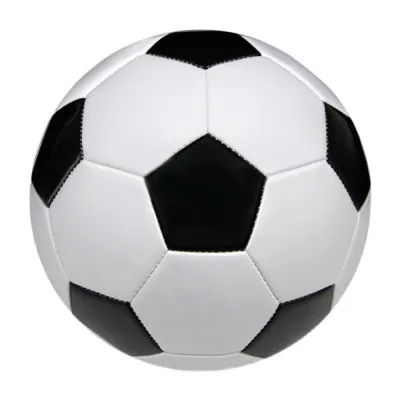
Prices are valid at publication and may change. Please refer to the product page for the latest price.
The friction generated by dry, unpolished concrete or asphalt is significantly higher than that of natural grass or synthetic turf. When a standard soccer ball slides across these rough surfaces, the abrasive texture micro-tears the outer skin. This abrasion not only ruins the ball’s appearance but also compromises its aerodynamic stability, water resistance, and overall grip. Furthermore, when these balls are kicked at high velocities against concrete walls, metal fence posts, or steel goal frames, the sudden, unyielding impact stresses the internal panel seams. Without structural reinforcement, the stitching can easily snap, causing the ball to warp, develop bulges, or burst.
Environmental factors in tropical climates further accelerate this degradation. In the Philippines, outdoor concrete courts absorb and retain intense solar heat throughout the day, with surface temperatures often climbing far higher than the ambient air temperature. This extreme heat softens weak adhesives used in standard ball construction, degrades low-quality plastics, and causes the air inside the ball to expand rapidly. Standard balls exposed to these conditions are highly susceptible to seam separation and rapid pressure loss, making specialized construction an absolute necessity.
Ultimately, the goal of choosing a street-specific soccer ball is to find an option that balances extreme abrasion resistance with acceptable touch and control. You want a ball that can survive hundreds of hours of friction against concrete while still providing a predictable trajectory, a comfortable feel on your foot, and enough grip to execute precise dribbles and passes. Understanding how different materials and construction methods handle these harsh elements is the key to making a smart investment that keeps your games running smoothly.
Choosing the Right Cover Material for Abrasive Surfaces
The outermost layer of a soccer ball, known as the casing or cover, is your first line of defense against the abrasive nature of street courts. It determines how well the ball resists scratches, how it feels when you make contact, and how much grip you have during fast-paced play. For concrete surfaces, standard materials like soft polyurethane or genuine leather are highly impractical, leaving you with two primary durable alternatives: rubber and reinforced polyurethane.

Rubber Covers for Maximum Durability
Vulcanized rubber is the traditional and most resilient material choice for soccer balls used on pure concrete, asphalt, and highly textured street courts. Because rubber is naturally dense and highly resistant to abrasion, it can withstand repeated scraping against rough ground without peeling or tearing. This makes rubber street balls exceptionally long-lasting, even when subjected to daily play on unpaved or poorly maintained neighborhood courts.
In addition to its tough exterior, rubber is highly weather-resistant and does not absorb moisture, making it ideal for the sudden downpours common during the tropical wet season in the Philippines. If you frequently play on dusty, damp, or uneven outdoor surfaces, a rubber-covered ball will maintain its structural integrity far better than synthetic leather alternatives. It provides a consistent, heavy feel that helps keep the ball grounded on windy outdoor courts.
However, the primary trade-off of a rubber cover is its rigid, unforgiving feel on the foot. Rubber does not compress or cushion impacts the way high-quality synthetic leather does, which can make powerful kicks feel hard and uncomfortable, especially for younger players or those playing barefoot. It also lacks the soft, responsive touch required for intricate, high-level ball control, meaning it is best suited for recreational play, physical street matches, and high-intensity durability needs.
Reinforced PU for a Balance of Feel and Toughness
For players who refuse to sacrifice the soft touch of a traditional match ball, reinforced Polyurethane (PU) serves as the modern, high-performance alternative. Unlike standard PU, which is thin and easily scuffed, reinforced PU covers feature multiple layers of backing materials—such as polyester or cotton blends—and specialized outer textures designed to resist abrasion while maintaining elasticity. This provides a superior grip and a much softer, more responsive feel when dribbling, passing, and shooting.
Reinforced PU is highly suited for smoother street environments, such as painted concrete multi-use games areas (MUGAs), indoor concrete courts, or polished asphalt. The textured surface of a premium street PU ball allows for excellent friction against your shoe, giving you the control needed to perform advanced street skills and quick direction changes. It mimics the performance of a professional match ball while offering the structural toughness required to survive hard-court friction.
When shopping for a PU ball for hard courts, look specifically for labels such as “street,” “all-terrain,” or “rough ground.” Manufacturers design these models with a thicker outer skin and reinforced backing layers specifically to handle abrasive wear. While a reinforced PU ball may wear down faster than a pure rubber ball on highly abrasive, unpolished concrete, its superior playability makes it the preferred choice for competitive street football and skill-focused players.
Materials to Avoid on Concrete
To protect your investment and avoid premature gear failure, certain materials must be strictly avoided when selecting a ball for street play. Standard, thin PU balls designed for grass or turf will scuff, peel, and lose their outer coating almost immediately upon contact with concrete. Similarly, genuine leather balls should never be used outdoors on hard courts; leather is highly porous, meaning it will absorb moisture, dirt, and concrete dust, quickly becoming heavy, waterlogged, and prone to severe cracking.
You must also avoid cheap, unreinforced Polyvinyl Chloride (PVC) balls. While PVC is highly durable and water-resistant, low-grade PVC casings become extremely hard and slippery when exposed to dust on outdoor courts, making control difficult and increasing the risk of slips or ankle strains. Under the intense heat of the Philippine sun, unreinforced PVC can also become brittle, leading to cracks and seam splits after only a few hard impacts against concrete walls.
Selecting the Best Bladder and Construction Method
While the cover material protects the exterior of the ball, the internal bladder and panel construction dictate how well the ball retains its shape, holds air, and resists structural failure over time. A ball with a tough cover will still fail if its seams split or if it requires constant reinflation. Understanding these internal components ensures you choose a ball that remains playable and round through months of hard-court abuse.
Butyl vs. Latex Bladders for Air Retention
The bladder is the innermost chamber of the soccer ball that holds the air pressure. For street and concrete play, butyl bladders are highly recommended over latex alternatives. Butyl is a synthetic rubber compound that offers outstanding air retention, allowing the ball to maintain its pressure for weeks without needing a top-up. This is incredibly practical for street players who may not always have a pump or pressure gauge handy at the local court.
In contrast, natural latex bladders are favored for professional grass matches because they offer a livelier, more responsive bounce and a softer feel. However, latex is highly porous and slowly leaks air, requiring reinflation before almost every session. On hard concrete courts, the extreme heat accelerates this air loss. Furthermore, the high-intensity bounce of a latex bladder can make a ball difficult to control on unyielding concrete surfaces, making the stable, low-maintenance butyl bladder the superior choice for street environments.
Panel Construction: Stitched vs. Thermally Bonded
How the panels of a soccer ball are joined plays a massive role in its durability on rough ground. Machine-stitched balls are common and affordable, but they are generally not recommended for abrasive concrete. The sewing threads on machine-stitched balls are exposed on the surface, meaning they will quickly fray and snap when dragged across rough asphalt, causing the panels to peel open.
Hand-stitched balls offer a much higher level of durability for street play. Skilled craftspeople use thicker, pre-waxed polyester threads and pull the seams deeper into the panels, protecting the stitching from direct contact with the concrete. This deep-seam construction ensures that even if the outer cover gets scuffed, the structural threads remain intact, keeping the ball round and tightly bound through heavy impacts.
Thermally bonded or seamless balls represent the pinnacle of modern construction, eliminating stitching entirely by using heat and adhesive to fuse the panels together. This seamless design prevents water absorption and eliminates the risk of fraying threads. However, you must exercise caution when using thermally bonded balls on hot concrete courts; extreme tropical heat combined with high-velocity impacts against hard walls can weaken the adhesives over time, potentially causing the panels to lift or peel. For pure concrete durability, a high-quality hand-stitched ball or a specialized vulcanized rubber ball remains the safest bet.
Sizing, Weight, and Bounce Control for Street Play
Choosing the right soccer ball for concrete also requires looking at how the ball behaves physically on a hard surface. Standard soccer balls are designed to bounce on soft grass, which absorbs a significant amount of impact energy. When that same ball hits concrete, the hard surface absorbs almost no energy, resulting in a high, fast, and often unpredictable bounce that can make close-range street play incredibly frustrating.
To maintain control in tight urban spaces, many street-specific soccer balls are engineered with low-rebound properties, similar to indoor futsal balls. These low-bounce balls feature dampening materials inside the bladder to keep the ball closer to the ground, allowing for faster footwork, easier trapping, and more controlled passing on hard courts. If your local games focus on quick, short passes and technical dribbling, a low-rebound street ball will significantly improve your playing experience.
In terms of physical dimensions, standard sizing rules still apply to ensure proper skill development and muscle memory. Players aged 12 and older should use a standard Size 5 ball, while younger players should opt for a Size 4. However, street balls often have a slightly heavier, more robust feel than standard match balls. This added weight is intentional; it helps the ball resist strong winds on open outdoor courts and ensures it stays grounded during fast-paced play, preventing runaway balls from flying into traffic or neighboring properties.
How to Inspect and Maintain Your Street Soccer Ball
To ensure you get the maximum lifespan out of your street soccer ball, you must know how to verify its quality before buying and how to care for it after intense sessions. A few simple maintenance habits can prevent premature damage and keep your ball performing optimally on harsh concrete courts.
First, perform a pre-purchase inspection if you are buying from a physical store. Check the ball for uniform panel alignment and ensure there are no loose threads or uneven seams. Press down firmly on the surface to verify that the casing feels consistent and does not have hollow or overly rigid spots. Inspect the air valve to make sure it is securely fitted and flush with the cover, as a loose valve can easily collect abrasive concrete dust and cause slow air leaks.
When inflating your ball, always refer to the manufacturer’s recommended pressure range, which is typically printed directly on the ball near the valve. Use a pressure gauge to avoid over-inflation. On concrete, an over-inflated ball behaves like a rock, transferring intense shock directly to the seams and bladder upon impact, which drastically increases the risk of a blowout. Always moisten the inflation needle with a drop of glycerin or soapy water before inserting it to protect the valve seal from tearing.
After playing, take a moment to wipe down the ball with a damp cloth to remove concrete dust, dirt, and abrasive grit. If left on the ball, these fine particles can grind into the seams and wear down the stitching over time. Finally, store your ball in a cool, shaded indoor space. Never leave it in the trunk of a car or exposed to direct tropical sunlight on a balcony; extreme heat and UV rays will dry out the rubber, degrade synthetic covers, and cause the air inside to expand, warping the ball’s shape.
Frequently Asked Questions (FAQ)
Can I use an indoor futsal ball on outdoor concrete courts?
While indoor futsal balls feature the low-bounce characteristics that are highly desirable for tight street games, they are not built to withstand outdoor concrete. Futsal balls are specifically designed for smooth wooden or synthetic indoor courts, meaning their outer covers are typically made of soft, unreinforced materials that will scuff, tear, and degrade rapidly on rough outdoor asphalt or concrete. Using them outdoors will quickly ruin the ball and ruin your play.
How often should I check the air pressure of a street soccer ball?
You should check your street soccer ball’s air pressure before every playing session. Because outdoor concrete courts in tropical climates experience dramatic temperature shifts—absorbing intense midday heat and cooling down rapidly at night—the air inside the ball will expand and contract. These temperature fluctuations can cause noticeable drops in pressure, which affects the ball’s bounce and increases strain on the seams if played while under-inflated.
Community discussion
Share your experience or ask a question. Comments are reviewed before publication.