
Selecting the ideal foam roller for your yoga recovery routine requires balancing your body’s specific physical needs with the physical characteristics of the roller itself. Rather than choosing a roller based solely on color or popularity, you must evaluate its density, size, and surface texture to ensure it complements your yoga practice. A well-matched roller helps relieve muscle tension and supports flexibility, while an incorrect choice can lead to discomfort or ineffective recovery sessions. By understanding how these variables interact with your muscles, you can make an informed decision that enhances your post-yoga routine.
Understanding Foam Roller Density for Muscle Recovery
Foam roller density is the most critical factor determining how deeply the roller penetrates your muscle tissue and how much pressure you will experience during a recovery session. Choosing the right density ensures that your post-yoga rolling is both effective and tolerable, preventing unnecessary bruising or muscle guarding.
Soft or low-density foam rollers are designed to compress easily under your body weight, offering a gentle, cushioned surface. These rollers are highly suitable for beginners who are new to myofascial release, practitioners of restorative or yin yoga, and individuals with highly sensitive muscle groups. If you frequently experience intense muscle soreness or have a lower pain tolerance, a soft roller provides a supportive way to introduce your body to rolling without triggering defensive muscle tension.
Products mentioned in this guide
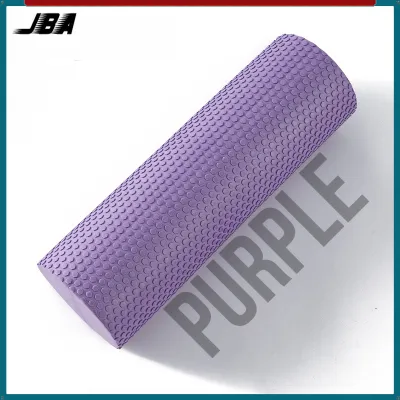
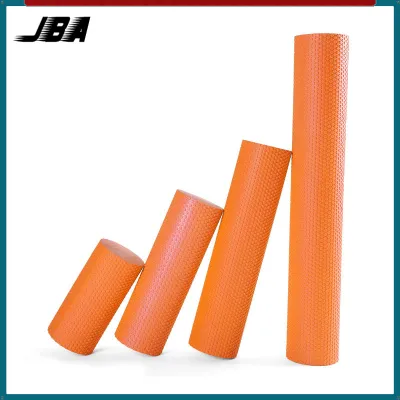
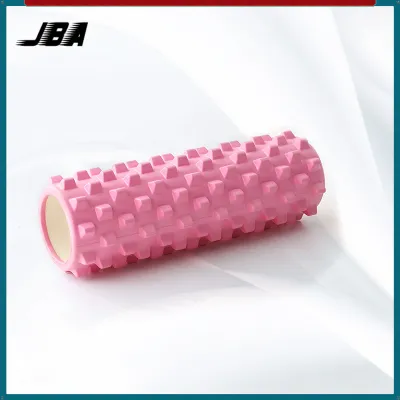
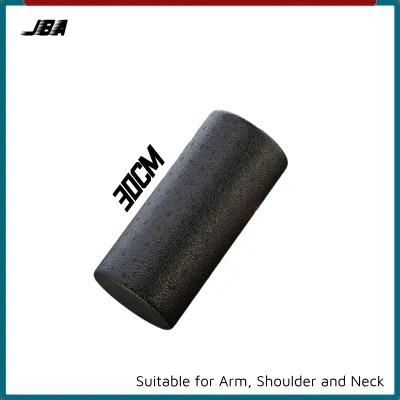
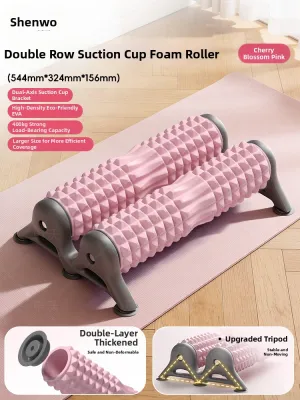
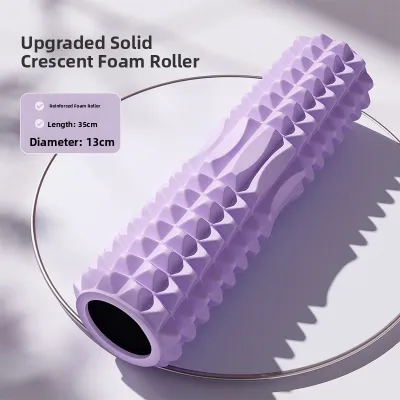
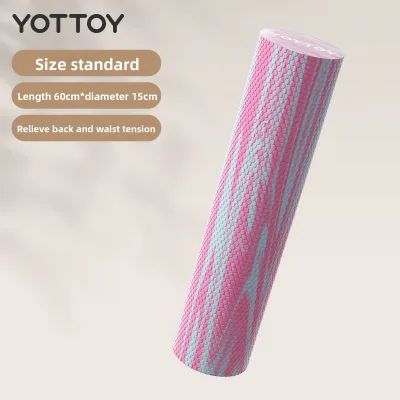
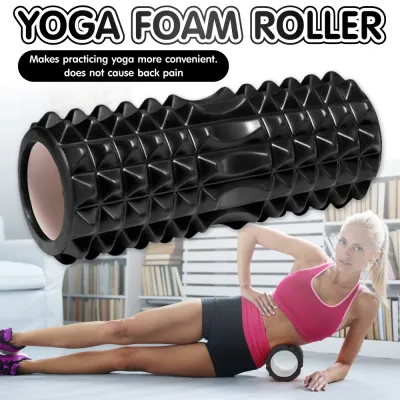
Prices are valid at publication and may change. Please refer to the product page for the latest price.
Medium-density rollers represent a versatile middle ground, offering a balance between structural support and surface yield. They are well-suited for routine relaxation after daily hatha or vinyasa yoga sessions, providing moderate-depth tissue massage without being overly aggressive. A medium-density roller allows you to target common areas of tension, such as the calves and outer thighs, with a comfortable level of pressure that promotes circulation and muscle relaxation.
Firm or high-density rollers are engineered for deep tissue work and are typically preferred by experienced practitioners or those engaging in high-intensity power yoga. These rollers undergo minimal compression under heavy loads, allowing them to reach deeper muscle layers and stubborn trigger points. However, because they apply intense, concentrated pressure, they require proper technique and a high level of physical tolerance to prevent soft tissue irritation.
When evaluating density, it is essential to verify the material specifications and density indicators on the product packaging or manufacturer’s website rather than relying solely on a subjective hand-squeeze test. Materials like Expanded Polypropylene (EPP) generally offer a firmer, more rigid structure, while Ethylene-Vinyl Acetate (EVA) is known for its resilient, slightly yielding texture. Checking these technical specifications ensures you select a roller with a consistent, predictable density that aligns with your recovery goals.
Selecting the Right Size and Shape for Your Practice
The physical dimensions and shape of a foam roller dictate which muscle groups you can target effectively, how stable the roller will feel during use, and how easily you can store or transport the equipment. Matching these dimensions to your personal space and practice habits is key to long-term usability.

Long rollers, typically measuring approximately 36 inches in length, offer the greatest versatility for full-body recovery. Their generous width allows you to lie along the roller vertically, supporting your entire spine from head to tailbone, which is highly beneficial for chest-opening exercises and spinal alignment after long yoga sessions. Additionally, a long roller provides a stable base on your yoga mat, preventing you from rolling off the edges when massaging broad areas like your back or both thighs simultaneously.
Medium to short rollers, ranging from 12 to 18 inches in length, are optimized for targeting specific, isolated muscle groups such as the calves, glutes, or arms. Because of their compact size, they are highly portable and easy to pack into a gym bag or carry-on luggage for travel. They also require significantly less storage space at home, making them a practical choice for smaller living environments where floor space is limited.
Specialty shapes, such as half-round rollers or rollers with integrated handles, serve specific niche functions that you should evaluate carefully. Half-round rollers feature a flat side that prevents rolling, making them useful for balance training, ankle stability, or gentle physical therapy exercises. Handled rollers allow you to apply pressure manually without using your body weight. Before purchasing these specialty designs, consider whether they genuinely support your yoga recovery needs or if they lean toward other fitness modalities that may not align with your routine.
To ensure practical usability, cross-reference the actual dimensions of the roller with your home storage capacity and the size of your yoga mat. A roller that is too long may feel cumbersome in a tight room, while a roller that is too short might limit your ability to perform certain restorative back exercises. Measuring your dedicated practice space beforehand helps prevent purchasing a tool that is awkward to use or store.
Evaluating Surface Texture for Targeted Relief
The surface texture of a foam roller determines how the pressure is distributed across your muscles and how deeply the roller can stimulate specific trigger points. Selecting the appropriate texture allows you to customize the intensity of your myofascial release to match your personal pain tolerance and recovery requirements.
Smooth-surfaced foam rollers provide uniform, even pressure across the entire contact area. This design is highly recommended for beginners, individuals recovering from mild muscle fatigue, or those who prefer a gentle, relaxing sensation after yoga. Because the pressure is distributed widely, smooth rollers minimize the risk of localized discomfort, making them an excellent choice for sensitive areas or for general circulatory stimulation across large muscle groups.
Grid or textured rollers feature raised patterns, ridges, or channels designed to mimic the hands, fingers, and palms of a massage therapist. These variations in the surface create alternating zones of high and low pressure, allowing you to target specific muscle knots and tight bands with greater precision. The channels also help channel blood and oxygen through the tissues as you roll, which can assist in flushing out metabolic waste after an active yoga practice.
Aggressive or knobby rollers feature prominent, pointed protrusions that penetrate deeply into the muscle tissue. These rollers are intended strictly for experienced users who have developed a high tolerance for deep tissue work and possess precise control over their body weight distribution. Beginners should approach these designs with caution, as the highly concentrated pressure can cause significant discomfort or muscle guarding if your body is not accustomed to intense myofascial release.
Before finalizing your choice, inspect the texture edges of any patterned roller to ensure they are not overly sharp or rigid. Sharp plastic seams or poorly molded edges can cause skin abrasion or bruising during rolling, especially when used on bare skin or thin yoga apparel. Opt for rollers with smooth, rounded contours on their textured elements to ensure a safe and comfortable recovery experience.
Material Durability and Maintenance Checks
Investing in a foam roller made from durable materials ensures that the tool retains its shape, density, and hygienic properties over time. In tropical climates like the Philippines, where high humidity and sweat are constant factors, understanding material characteristics and proper maintenance is essential for preserving your equipment.
The most common materials used in foam rollers are Ethylene-Vinyl Acetate (EVA) and Expanded Polypropylene (EPP). EVA is a premium, highly resilient polymer known for its excellent shock absorption and resistance to permanent deformation under repeated loads. EPP is a lightweight, high-density bead foam that offers exceptional firmness and structural integrity, though it can sometimes feel slightly less pliable. When purchasing, check the manufacturer’s specifications regarding weight capacity and deformation resistance to ensure the roller can withstand regular use without flattening.
The cellular structure of the foam plays a vital role in hygiene and moisture management. Closed-cell foam structures do not absorb moisture, sweat, or oils, making them highly resistant to bacteria buildup and unpleasant odors. This is particularly important in humid environments where moisture evaporates slowly. Open-cell foam, by contrast, acts like a sponge, absorbing sweat and environmental moisture, which can lead to rapid material degradation and hygiene issues. Always verify that your chosen roller features a closed-cell construction.
Maintaining your foam roller requires a simple but consistent cleaning protocol to prevent the buildup of sweat and dirt. Wipe down the surface after each use using a soft cloth dampened with mild soapy water. Avoid using harsh chemical solvents, alcohol-based sprays, or abrasive scrubbing pads, as these substances can degrade the foam’s cellular structure, causing it to become brittle or lose its elasticity.
Regularly monitor your foam roller for signs of aging and wear that indicate it is time for a replacement. Key signals include severe surface flaking, permanent indentations or flat spots that do not pop back up, and a noticeable loss of overall firmness. Using a degraded roller can result in uneven pressure distribution and reduced recovery effectiveness, making timely replacement necessary for your physical safety.
Building Your Yoga Recovery Shortlist
To find the right foam roller, you can synthesize your physical needs, practice intensity, and lifestyle habits into a clear, conditional purchasing profile. This approach helps you narrow down the options available in online marketplaces or local fitness stores to find the exact match for your routine.
If you are a beginner or prefer a gentle, restorative practice, your profile should focus on a medium-length roller (around 18 to 36 inches) with a soft to medium density and a smooth surface. This combination provides a stable, comfortable, and non-intrusive introduction to myofascial release, allowing you to relax your muscles without triggering pain responses.
For advanced practitioners or those engaging in intense, physically demanding yoga styles, an advanced recovery profile is more appropriate. Look for a medium to long roller (24 to 36 inches) made of high-density EVA or EPP with a grid or textured surface. This setup delivers the deep, targeted pressure required to address deep-seated muscle knots and support recovery after strenuous sessions.
If you travel frequently or have limited storage space in your home, a portable profile is the ideal solution. Focus on short rollers (12 inches or less) constructed from lightweight, high-density materials that offer compact storage features, such as a hollow core that can be stuffed with yoga straps or clothing. This ensures you can maintain your recovery routine wherever you go without sacrificing valuable space.
Before making a purchase, perform a thorough pre-purchase verification. Check the retailer’s return policies to ensure you can exchange the roller if the density does not match your expectations upon arrival. Verify the actual dimensions against the product description, and carefully review any manufacturer safety warnings or weight limits to ensure the product is fully compatible with your body type and intended use.
Safe Usage Guidelines and When to Stop
While foam rolling is an excellent supplementary tool for yoga recovery, it must be practiced with care to prevent soft tissue damage or joint strain. Understanding the physical boundaries of safe rolling ensures that your recovery sessions remain beneficial and injury-free.
There are several anatomical areas that you must strictly avoid rolling. Never apply direct pressure to bony prominences, joints, the neck, or the lower back (lumbar spine). The lower back lacks the protective rib cage structure of the upper back, and rolling this area can place excessive, unsafe pressure on your kidneys and lumbar vertebrae. Instead, focus your rolling efforts on large muscle groups such as the upper back, glutes, calves, and thighs.
Pacing and pressure control are vital for safe myofascial release. Move slowly along the muscle, traveling no faster than one inch per second. When you encounter a tight spot or trigger point, pause and hold the pressure for 20 to 30 seconds while breathing deeply, allowing the muscle to release. Avoid lingering on a single spot for longer than a minute, as prolonged, concentrated pressure can irritate nerves and bruise the underlying tissues.
Pay close attention to your body’s signals and stop rolling immediately if you experience sharp or shooting pain, numbness, tingling, or dizziness. These sensations indicate nerve compression or circulatory restriction rather than normal muscle release. If these symptoms occur, cease use immediately and consult a qualified medical professional or physical therapist.
Always position the foam roller as a supplementary recovery tool designed to support your overall wellness, not as a replacement for professional physical therapy, medical diagnosis, or treatment. If you have chronic pain, joint instability, or an active injury, consult a healthcare provider before incorporating a foam roller into your routine to ensure it is safe for your specific condition.
Frequently Asked Questions (FAQ)
Can I use a foam roller every day after yoga?
Yes, you can use a foam roller daily after your yoga practice, provided you adjust the intensity and duration based on your body’s feedback. For daily use, focus on gentle, light-pressure rolling to promote circulation and muscle relaxation rather than deep, aggressive tissue work. If you perform intense deep-tissue rolling that leaves your muscles feeling slightly tender, allow 24 to 48 hours of recovery time before targeting those same muscle groups again to let the tissues heal.
Does a higher price guarantee better yoga recovery results?
A higher price does not guarantee better recovery results, as the effectiveness of a foam roller depends entirely on how well its density, size, and texture match your personal physical needs. Higher-priced rollers often reflect enhanced material durability, specialized texture designs, or brand premiums. While a durable, closed-cell roller is a worthwhile investment, a budget-friendly roller with the correct specifications will deliver excellent recovery outcomes if used with proper technique.
How do I clean a textured foam roller without damaging the grooves?
To clean a textured foam roller without damaging its grooves, use a soft-bristled brush, such as an old toothbrush, dipped in a solution of warm water and mild dish soap. Gently scrub the crevices and channels to remove accumulated sweat, dust, and skin oils. Wipe the roller down with a clean, damp cloth to remove any soap residue, and allow it to air-dry naturally in a well-ventilated indoor space away from direct sunlight, which can degrade the foam material.

Community discussion
Share your experience or ask a question. Comments are reviewed before publication.