
Selecting the right foot massager roller for plantar fasciitis relief after running is a highly individualized process. There is no single roller that works perfectly for every runner, as the ideal choice depends on your specific foot structure, pain tolerance, and recovery goals. For most runners dealing with arch tightness, a medium-firm, ergonomically contoured roller offers the best balance of gentle stretching and targeted pressure without aggravating sensitive tissues. By understanding how different materials, textures, and designs interact with your feet, you can select a recovery tool that safely and effectively supports your training.
Running on hard surfaces, such as concrete roads or paved running tracks in the Philippines, subjects your feet to repetitive impact. In tropical climates, high heat and humidity can cause your feet to swell during long runs, placing additional stress on the plantar fascia—the thick band of tissue supporting your arch. A dedicated foot massager roller serves as a practical, portable solution to help manage this tension immediately after you kick off your running shoes.
Understanding Plantar Fasciitis Tension in Runners
To choose the right recovery tool, you must first distinguish between general post-run muscle fatigue and the specific tension associated with plantar fasciitis. General fatigue typically presents as a dull, widespread ache across the entire sole of the foot after a long training session. In contrast, plantar fascia tightness often manifests as a sharp, localized stiffness or a stabbing sensation near the heel bone, which is frequently most intense during your first steps in the morning or immediately after cooling down from a run.
Products mentioned in this guide
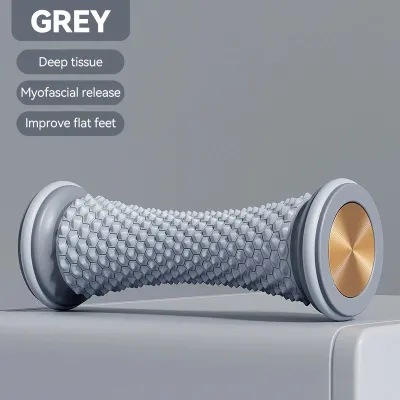
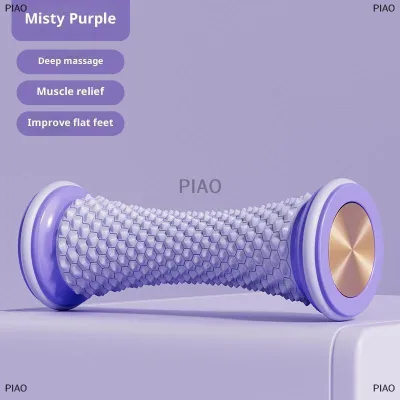
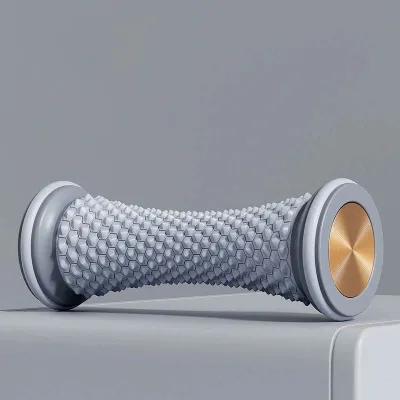
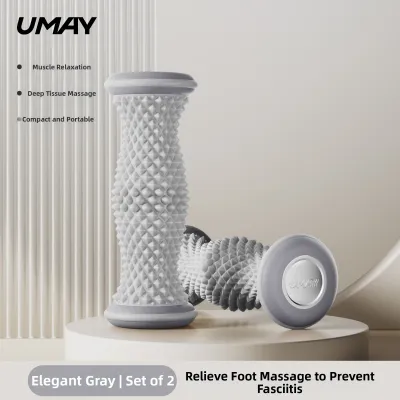
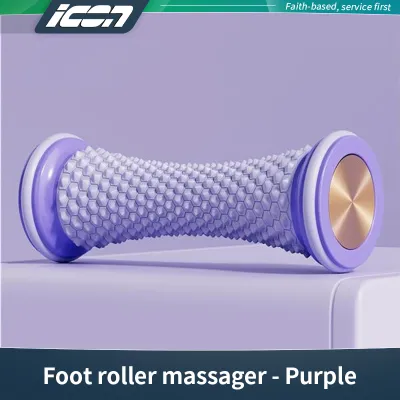
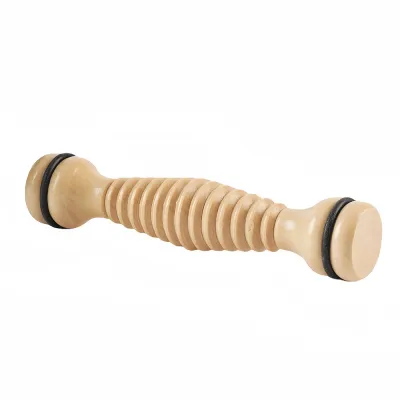
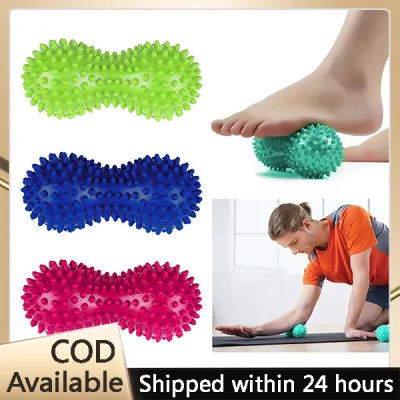
Prices are valid at publication and may change. Please refer to the product page for the latest price.
The mechanical goal of using a foot massager roller is to promote localized blood circulation and gently stretch the fascia, rather than forcefully breaking up deep tissue. Many runners mistakenly believe they need to apply maximum pressure to “crush” knots or scar tissue. In reality, aggressive pressure can micro-tear the already inflamed fibers of the fascia, worsening your condition. Gentle, consistent rolling helps desensitize the nervous system, relaxes the surrounding intrinsic foot muscles, and encourages nutrient-rich blood flow to support natural tissue repair.
It is important to remember that a foot roller is a supportive recovery tool and not a standalone medical cure for chronic or severe injuries. While it can provide significant temporary relief and assist in daily maintenance, it should be combined with proper footwear, targeted strengthening exercises, and adequate rest. If you experience persistent, debilitating pain, you should seek a comprehensive evaluation from a sports medicine professional.
Key Selection Criteria for Foot Rollers
Choosing a foot massager roller requires evaluating several physical attributes to ensure the tool matches your current level of sensitivity. The three primary decision axes to consider are material firmness, surface texture, and physical dimensions.

Your personal pain tolerance and the current state of your foot inflammation should dictate your starting point. Selecting a roller that is too aggressive can cause your foot muscles to contract defensively, while a roller that is too soft may not provide enough stimulation to relieve deep tension.
Material and Firmness Levels
When browsing options on an online marketplace or at a local sports depot, you should check the product specifications for material density rather than relying solely on generic material names. Rollers are commonly made from materials like ethylene-vinyl acetate (EVA) foam, polyurethane, dense silicone, or natural wood. High-density EVA foam offers a slight give that is forgiving on tender arches, while solid wood or hard plastics provide an unyielding surface for deep, intense pressure.
If you are new to foot rolling or are currently experiencing acute sensitivity, you should start with a medium-firm option. This level of firmness provides enough structural support to massage the arch without causing excessive discomfort.
To test a roller’s firmness safely before use, press your thumbs firmly into the surface to see how much the material yields. You can also perform an initial test by rolling it under your forearm or calf, where you can easily control the applied pressure, before subjecting the roller to your lower body weight.
Surface Texture and Trigger Point Design
The surface texture of a foot massager roller determines how the pressure is distributed across your sole. Smooth rollers distribute your body weight evenly, making them excellent for gentle, broad strokes and for runners with highly sensitive feet. Textured or knobby rollers feature raised ridges, bumps, or small spikes designed to mimic the fingers of a massage therapist, allowing you to target localized trigger points in the arch.
You should avoid starting with aggressive, sharp spikes if your plantar fascia is currently highly inflamed or acutely painful. Applying pointed pressure directly to an active inflammatory site can bruise the delicate tissues and exacerbate your symptoms.
Instead, look for rollers with ergonomic contours or an hourglass shape that matches the natural longitudinal arch of the human foot. This design ensures that the roller maintains consistent contact with the curved inner arch, rather than just pressing against the outer edges of your foot.
Size, Shape, and Portability
The physical dimensions of your roller affect both its usability and how easily you can integrate it into your daily routine. Full-foot length rollers are wider and allow you to roll both feet simultaneously or provide a highly stable base that prevents the tool from slipping. Compact, travel-sized rollers are much smaller, often measuring only a few inches in length, making them incredibly easy to pack.
Before purchasing, you should check the roller’s width to ensure it comfortably accommodates your foot size. If a roller is too narrow, your foot may slide off the edges during use, which can disrupt your rhythm or cause you to lose your balance.
Consider your primary usage scenario and storage space. If you plan to use the roller exclusively at home while sitting at your desk, a larger, heavier model is ideal. If you are a runner who travels to local running tracks, parks, or gyms, a lightweight, compact roller that fits easily into a small gym bag or backpack is a more practical choice.
Comparing Common Roller Types
As you explore the market, you will find that foot massager rollers fall into several distinct categories based on their mechanical design and integrated technology. The main options include manual rollers, tech-enhanced (vibrating or heated) models, and dual connected rollers.
While advanced features can enhance your recovery experience, they also increase the complexity and cost of the product. For many runners, a basic, well-designed manual roller is entirely sufficient for effective fascia relief.
Smooth vs. Textured Rollers
Understanding the practical use cases for smooth versus textured manual rollers can help you decide which style fits your current recovery phase. Smooth rollers are highly versatile and serve as an excellent tool for pre-run warm-ups and daily post-run maintenance. They gently stimulate the sensory receptors in your feet and promote blood flow without causing muscle guarding.
Textured rollers are better suited for targeted, deeper pressure sessions once the acute phase of pain has subsided. When you identify specific, persistent tight spots or “knots” in your arch or near the base of your toes, the ridges of a textured roller can help apply localized pressure to encourage relaxation.
If your budget and storage space allow, you might consider owning both types, or selecting a dual-sided roller that features a smooth center section with textured ends, allowing you to switch techniques easily.
Manual vs. Vibrating or Heated Rollers
Tech-enhanced rollers introduce vibration or heat to assist in the recovery process, but you must evaluate whether these features offer practical benefits for your routine. When considering a vibrating or heated roller, you should verify the battery life, charging methods, and heat safety limits on the manufacturer’s specification sheet. Ensure the device has built-in safety features, such as an automatic shut-off timer, to prevent overheating.
Vibration can help distract your nervous system from pain sensations, making it easier to tolerate pressure on sensitive areas, while heat can promote muscle relaxation and increase tissue elasticity. However, neither of these technologies replaces the physical, mechanical stretching of the fascia provided by rolling.
Manual rollers require no charging, have no electronic components that can fail over time, and are generally far more durable for heavy, daily use. They are also completely silent and highly resilient in humid tropical environments where moisture can sometimes compromise electronic devices.
Single vs. Dual Connected Rollers
Deciding between a single-foot roller and a dual connected roller depends on how you prefer to manage your recovery time. Dual connected rollers feature two parallel rolling surfaces joined by a central frame, allowing you to treat both feet simultaneously. This design is highly efficient and ensures that both feet receive a symmetrical recovery session while you sit comfortably.
Single rollers, on the other hand, offer much more precise control over the angle and amount of pressure you apply to each individual foot. They allow you to tilt your foot inward or outward to target the specific lateral or medial bands of the plantar fascia.
If you choose a dual roller, you should check its stability and base width. Look for models with non-slip rubber feet or a weighted base to prevent the unit from tipping or sliding across tiled or wooden floors during use.
Safe Usage Routine After Running
To get the most benefit from your foot massager roller without risking further irritation, you should follow a structured, low-risk post-run routine. Begin by ensuring your feet are clean and dry, which is especially important after a sweaty run in hot weather. Place your roller on a stable, non-slip surface, such as a yoga mat, a rubber gym tile, or a carpeted floor; avoid using it on bare, slippery tiles where the roller could suddenly shoot out from under your foot.
When starting your rolling session, always sit comfortably in a chair rather than standing up. Standing places your full body weight onto the roller, which is often too intense and can damage the inflamed fascia. Gradually apply gentle pressure by pressing your foot down onto the roller, and begin rolling slowly from the base of your toes down to the front of your heel. Avoid applying direct, heavy pressure to the heel bone itself or to any acutely inflamed, throbbing areas.
Keep your rolling sessions short and controlled, aiming for approximately 1 to 2 minutes per foot. Prolonged, aggressive rolling can cause micro-tears and increase inflammation. To maximize your recovery, combine your rolling routine with gentle calf stretches and toe flexes, as tightness in the Achilles tendon and calf muscles directly contributes to plantar fascia tension.
Red Flags and When to Stop Rolling
While mild discomfort or a stretching sensation can be a normal part of myofascial release, you must remain highly sensitive to your body’s warning signs. You should stop rolling immediately if you experience sharp, shooting, or stabbing pain, numbness, tingling, or a sensation of deep bruising. These symptoms often indicate nerve compression or acute tissue damage rather than therapeutic muscle release.
It is crucial to differentiate between “good” discomfort—which feels like a dull, satisfying release of tension—and “bad” pain, which causes you to hold your breath, tense your shoulders, or pull your foot away. Rolling through severe pain will only trigger a defensive inflammatory response, delaying your recovery.
If your morning heel pain continues to worsen, if you notice visible swelling or redness on the sole of your foot, or if rolling provides no relief after several weeks of consistent, gentle use, you should stop using the roller and consult a physical therapist or a sports medicine professional. A qualified specialist can help identify the root cause of your pain and design a comprehensive treatment plan.
Purchasing Checklist and Retailer Verification
Before finalizing your purchase on an online marketplace or at a local sporting goods retailer, you should perform a few quick quality checks. Verify the seller’s authenticity by reading verified buyer reviews, paying close attention to feedback regarding the roller’s actual firmness and long-term durability. Look for comments that mention whether the roller maintains its shape under pressure or if the surface texture is too sharp for comfort.
Check the product description for clear manufacturer labels and material listings. Ensure the roller is made from non-toxic, skin-safe materials, and verify the weight capacity if you plan to use it while standing (once your feet have fully recovered).
If you are purchasing a tech-enhanced model, ensure it carries recognized safety certifications and comes with a transparent warranty and return policy. Taking these steps helps ensure you receive a safe, high-quality tool that will reliably support your running recovery for seasons to come.
Frequently Asked Questions (FAQ)
Can I use a foot roller every day after running?
Yes, daily, gentle rolling is generally safe and highly beneficial for routine maintenance and post-run cool-downs. However, you should avoid aggressive, deep-tissue rolling on a daily basis, as this can overwork the tissues and lead to chronic irritation. Always adjust the pressure and duration of your rolling sessions based on how your feet feel each day, and give your feet a break if you notice any lingering soreness.
Is a harder roller always better for deep tissue relief?
No, a harder roller is not always better. If a roller is excessively hard, your foot muscles will instinctively tense up to protect themselves from the pain, which prevents the roller from reaching the deeper layers of tissue. For effective recovery, you should choose a firmness level that allows your foot muscles to relax and yield to the pressure, prioritizing comfort and controlled tension release over sheer hardness.
Community discussion
Share your experience or ask a question. Comments are reviewed before publication.