
Protecting your golf clubs from sudden tropical downpours requires more than a basic plastic sheet. In the Philippines, where a clear afternoon can instantly turn into a torrential monsoon rain, a reliable golf bag cover is an essential piece of gear for any golfer. Water seeping into your golf bag does more than just wet your towel; it can ruin expensive leather grips, rust steel shafts over time, and damage the delicate electronics of modern GPS rangefinders or launch monitors stored in your pockets. Choosing the right cover ensures your equipment remains dry, functional, and protected throughout the wet season.
When selecting a cover, you must balance water resistance, ease of use, and compatibility with your specific bag type. A cover that is too tight can tear under the tension of your bag’s stand mechanism, while one that is too loose can catch the wind like a sail, potentially tipping your entire setup onto the wet turf. By understanding the key material specifications, fit requirements, and maintenance practices, you can confidently select a cover that will withstand the demanding tropical climate.
Essential Features for Effective Rain Protection
Evaluating the material and construction standards of a golf bag cover is the first step in ensuring your clubs stay dry. Many entry-level covers are marketed as water-resistant, but there is a significant functional difference between water-resistant coatings and true waterproof membranes. Water-resistant covers typically rely on a chemical coating applied to the exterior of the fabric, which causes water to bead up and roll off. While this is sufficient for light drizzle, these coatings can saturate quickly during a heavy tropical downpour, allowing water to seep through the fabric fibers and onto your clubheads.
Products mentioned in this guide
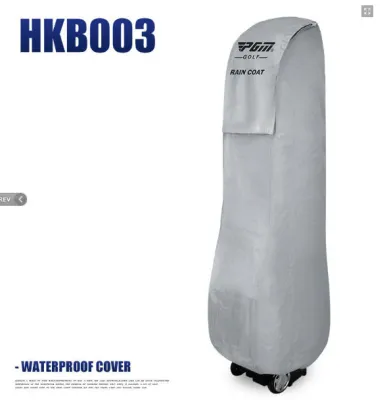
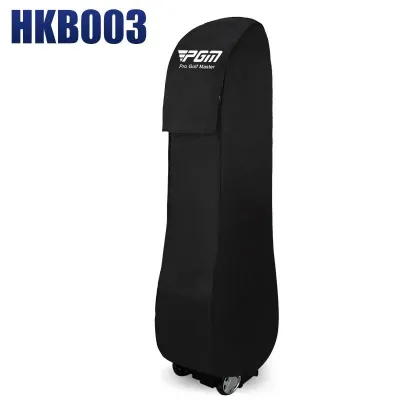
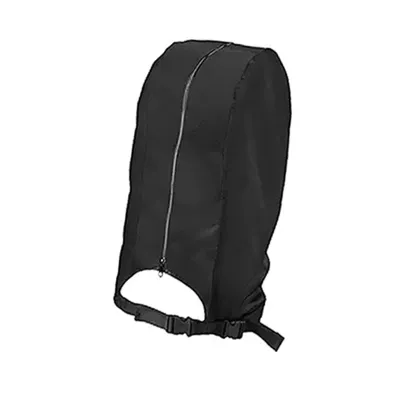
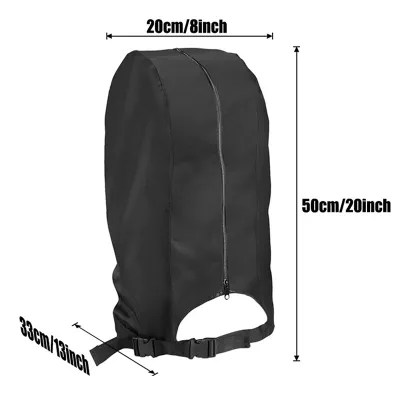
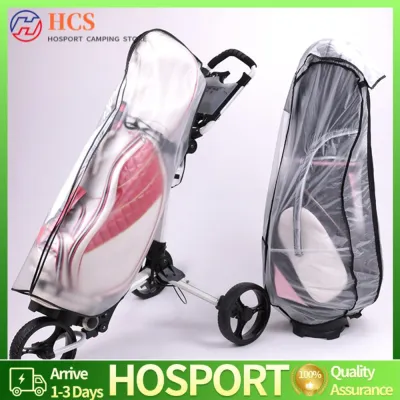
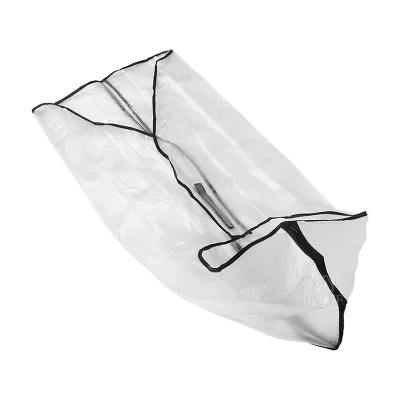

Prices are valid at publication and may change. Please refer to the product page for the latest price.
For reliable protection during intense rain, look for covers constructed with waterproof membranes, such as polyurethane (PU) or heavy-duty polyester laminates. These materials feature a physical barrier that prevents water molecules from passing through, even under the pressure of wind-driven rain. When reviewing product specifications, check for a hydrostatic head rating, which measures the water pressure a fabric can withstand before leaking. A rating of 5,000mm or higher is generally suitable for handling heavy rain on the golf course.
Even the most advanced waterproof fabric will fail if the seams are poorly constructed. Standard stitching creates thousands of tiny needle holes along the seams of the cover. Under the weight of pooling water, capillary action can draw moisture through these holes and directly onto your gear. To prevent this, prioritize covers that feature heat-sealed or taped seams. This manufacturing process applies a waterproof tape over the stitched seams, sealing the needle holes and creating a continuous barrier against moisture.
Finally, pay close attention to the closure mechanisms. The cover must seal tightly around the opening of your bag to prevent water from dripping down the shafts. Look for heavy-duty drawstrings with secure plastic toggles, elasticized bottom hems that grip the base of your bag, and waterproof zippers. Zippers are a common failure point; they should be equipped with storm flaps—strips of waterproof fabric that fold over the zipper teeth—to prevent water from penetrating the zipper track during a storm.
Matching the Cover to Your Specific Golf Bag
Your choice of golf bag cover must align with the specific style of bag you carry on the course. Golf bags vary significantly in volume, shape, and structural features, meaning a cover designed for a compact carry bag will not fit a bulky staff bag. Staff bags, often used by professionals or players who prefer maximum storage, require oversized covers with generous volume to accommodate their wide top cuffs and protruding pockets. Attempting to stretch a standard cover over a staff bag will strain the seams and likely lead to tearing.

Cart bags, designed specifically to sit flat on a riding cart or push trolley, present a different set of requirements. Because these bags remain upright and strapped to a vehicle, the cover must allow easy access to the clubs without requiring you to remove the entire cover. Look for cart-specific covers that feature a zippered front panel or a magnetic flap, allowing you to quickly grab a club and reseal the cover. Additionally, ensure the cover has dedicated cutouts or pass-through channels for the cart straps, so you can secure the bag to the cart without pinching or damaging the cover fabric.
Stand bags, which feature dual shoulder straps and retractable leg mechanisms, require the most specialized fit. The cover must have sufficient clearance around the leg hinges to allow them to deploy fully when you set the bag down. If the cover restricts the legs, the tension can rip the fabric or prevent the stand from opening, causing your bag to fall onto the wet ground. Look for stand-bag-compatible covers that feature flexible side panels or elasticized cutouts designed to accommodate the leg mechanisms without compromising waterproof integrity.
When verifying compatibility, also consider how the cover interacts with your carrying method. If you prefer to walk the course using a double-strap backpack harness, the cover must not block the attachment points where the straps connect to the bag. Some universal covers wrap entirely around the bag, which can make carrying it on your shoulders nearly impossible. Look for designs that cover the top cuff and upper portion of the bag while leaving the harness area clear and accessible.
Adapting to Tropical Weather and Sudden Downpours
Playing golf in the Philippines means preparing for rapid weather transitions. A sunny, humid morning can quickly give way to a sudden afternoon squall. Because of this, your rain cover must be highly packable and quick to deploy. A cover that is bulky, heavy, or difficult to unfold will likely remain in your trunk rather than your bag. Look for lightweight designs that fold down into a compact, integrated storage pouch that can easily slide into a side pocket of your golf bag. When a sudden downpour begins, you should be able to retrieve, unfold, and secure the cover over your clubs in under thirty seconds.
High humidity is another critical factor to consider. When cold rain hits a warm, humid golf bag, condensation can rapidly form on the inside of a completely sealed cover. This trapped moisture creates a greenhouse effect, leading to rust on your club shafts and the growth of mold or mildew on your bag’s fabric. To combat this, look for covers that incorporate breathable materials or strategically placed venting options. Mesh-lined ventilation flaps allow warm air and moisture vapor to escape from the inside of the cover while preventing rain from entering from the outside.
Furthermore, tropical golf courses often subject your gear to intense ultraviolet (UV) radiation during the sunny intervals between rain showers. Cheap plastics and untreated nylon can degrade rapidly under strong sunlight, becoming brittle, fading, and eventually cracking. To ensure long-term durability, select a cover treated with UV-resistant coatings. This protection helps the fabric maintain its strength and flexibility, ensuring it does not tear when stretched over your clubs after months of exposure to the tropical sun.
Wind resistance is also vital during stormy rounds. Strong gusts can easily blow a loose cover off your bag, exposing your clubs to the elements. Ensure the cover features secure fastening systems, such as adjustable buckle straps that wrap around the bag’s body or heavy-duty hook-and-loop fasteners. These attachment points keep the cover firmly anchored to your bag, even when facing strong winds on open, coastal fairways.
Building Your Shortlist and Verifying the Fit
Before purchasing a golf bag cover, take the time to measure your equipment to ensure a precise fit. Start by measuring the diameter of your bag’s top cuff, including any protruding clubheads or alignment sticks. Next, measure the overall height of your bag from the base to the top of your longest club, which is typically the driver. Finally, measure the maximum width of the bag, taking into account fully loaded side pockets. Having these exact dimensions on hand will prevent you from purchasing a cover that is either too tight or excessively loose.
Once you have your measurements, cross-reference them with the manufacturer’s sizing charts. Do not rely solely on generic labels like “universal fit” or “standard size,” as sizing standards vary significantly between brands. If your bag’s dimensions fall near the upper limit of a cover’s specified range, it is generally safer to size up. A slightly larger cover can be tightened using drawstrings or straps, whereas a cover that is too small will put constant stress on the zippers and seams, leading to premature failure.
When researching options on online marketplaces or specialty golf retail sites, pay close attention to user feedback, particularly from golfers living in tropical or high-rainfall regions. Look for recurring comments regarding fit issues, seam failures, or material degradation. If multiple reviews mention that a cover tears easily near the stand legs or that the zippers jam when wet, these are clear indicators to look elsewhere. Conversely, positive feedback regarding ease of deployment and wind resistance can help validate your choice.
Finally, verify the seller’s return and exchange policies before finalizing your purchase. Because golf bag shapes can be highly irregular, there is always a slight risk that a cover will not fit your specific pocket configuration or stand mechanism as expected. Ensure you can return or exchange the product within a reasonable timeframe, provided it is in unused condition. This precaution protects your investment and ensures you do not end up with an unusable piece of gear.
Post-Round Care and Mold Prevention
Proper maintenance after a rainy round is essential for prolonging the lifespan of your golf bag cover and protecting your expensive clubs. Never fold up a wet cover and stuff it back into your golf bag pocket immediately after your round. Leaving a damp cover crumpled in a dark, unventilated pocket is a primary cause of mold, mildew, and unpleasant odors. It can also cause the waterproof membrane or backing to stick to itself, peeling away and ruining the cover’s water-resistant properties.
Instead, make it a habit to air-dry your cover completely as soon as you return home. Hang the cover in a shaded, well-ventilated area, such as a covered patio or utility room. Avoid hanging it in direct, intense midday sunlight for extended periods, as excessive heat and UV exposure can degrade the waterproof coatings over time. Ensure both the interior and exterior surfaces of the cover are completely dry before folding it for storage.
During a wet round, your cover will inevitably collect mud, grass clippings, sand, and environmental residue from the course. To clean the cover, wipe it down gently with a soft cloth, mild soap, and lukewarm water. Avoid using harsh chemical detergents, bleach, or abrasive scrubbing pads, as these can strip away the durable water repellent (DWR) coating applied to the fabric. Never put your golf bag cover in a washing machine or a clothes dryer, as the mechanical agitation and high heat can delaminate the waterproof membrane and melt the seam tape.
Once the cover is clean and thoroughly dry, fold it loosely and store it in a cool, dry place away from direct sunlight. If you live in a highly humid environment, consider placing a small silica gel packet inside the storage pouch to absorb any residual moisture. By taking these simple maintenance steps, you can ensure your cover remains supple, waterproof, and ready to protect your clubs during the next sudden downpour.
Frequently Asked Questions (FAQ)
Can I use a universal rain cover for a large staff bag?
Universal rain covers are typically designed to fit standard stand and cart bags, which have a smaller profile than professional staff bags. While some universal covers with highly elasticized hems may stretch over a staff bag, the fit is often extremely tight. This excessive tension can expose the clubheads to rain, strain the zippers, and cause the seams to split. If you use a large staff bag, it is highly recommended to purchase an oversized cover specifically designed for staff bags or a brand-specific model that matches your bag’s exact dimensions to ensure complete coverage and durability.
Should I leave the rain cover on my bag during storage?
No, you should not leave the rain cover on your golf bag during long-term storage. Doing so can trap ambient humidity inside the bag, creating a moist environment that promotes the growth of mold and mildew on your bag’s fabric and leather grips. Additionally, trapped moisture can cause rust to form on your club shafts and clubheads. Always store your golf bag and your rain cover separately in a cool, dry, and well-ventilated area, ensuring both are completely dry before putting them away.
Community discussion
Share your experience or ask a question. Comments are reviewed before publication.