
Choosing a golf ball stamp marker requires balancing ink durability, stamp mechanism, and design clarity to ensure your ball remains easily identifiable throughout your round. In tropical playing conditions, such as those found in the Philippines, high humidity, heavy morning dew, and sudden rain showers can quickly smudge inferior ink. By selecting a marker that matches your specific playing habits, alignment preferences, and environmental conditions, you can avoid costly penalty strokes and speed up play on the fairway.
Identifying your ball quickly is not just a matter of convenience; it is a fundamental aspect of the rules of golf. A personalized mark helps prevent the accidental playing of an incorrect ball, which carries a two-stroke penalty in stroke play. The right marking tool should provide a clean, smudge-free impression that withstands repeated high-velocity impacts with clubfaces, turf, and sand.
Understanding Golf Ball Stamp Marker Types and Mechanisms
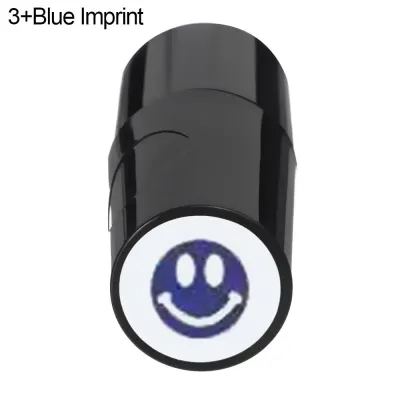
Golf ball stamp markers generally fall into two primary mechanical categories: self-inking stamps and manual stamps. Self-inking models feature an internal spring-loaded mechanism that holds the printing die against an integrated ink pad when at rest. When pressed down onto the ball, the mechanism rotates or slides to transfer the freshly inked die directly to the ball surface. This design is highly convenient for quick, repetitive marking on the tee box or in the clubhouse, as it eliminates the need to carry a separate ink bottle or pad.
Products mentioned in this guide
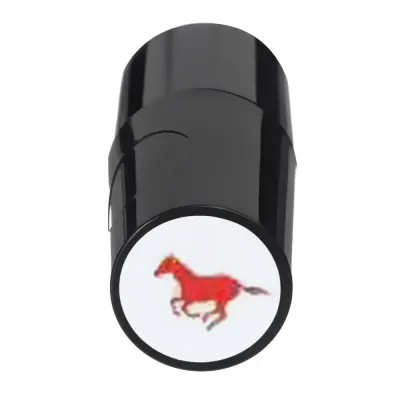
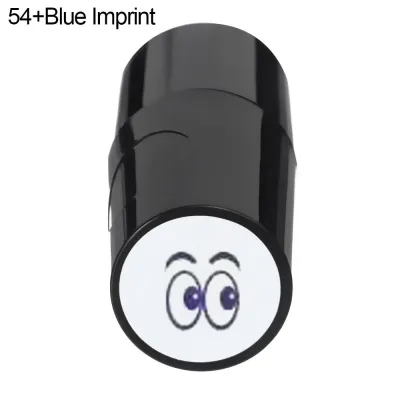
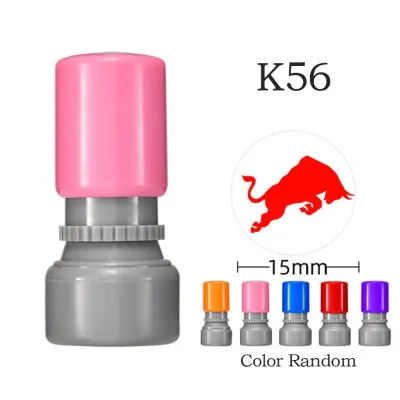
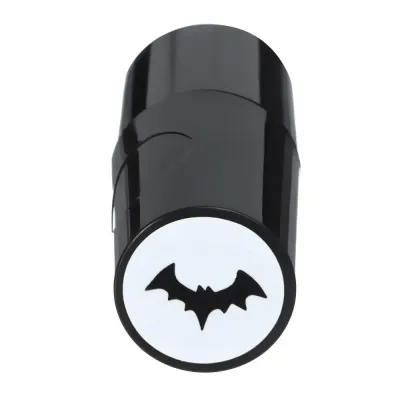
Prices are valid at publication and may change. Please refer to the product page for the latest price.
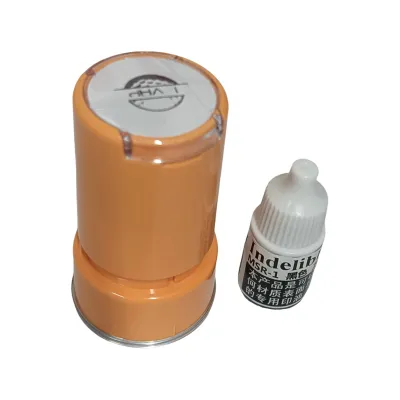
Manual stamps, by contrast, require you to apply ink to the stamp face manually before each transfer. This is often done using a separate ink pad or by applying a few drops of specialized ink directly to the stamp surface. While manual stamps require a bit more preparation and care to avoid messy fingers, they often allow for greater control over ink volume. This control can be advantageous when working with highly detailed custom logos or when using specialized, fast-drying inks that might otherwise dry out too quickly inside a self-inking chamber.
Beyond the ink delivery system, the physical shape of the stamp face significantly impacts the quality of the impression. Standard flat-face stamps are designed for flat paper surfaces and require a careful, rocking motion when applied to a spherical golf ball. If you do not roll the stamp evenly across the curved cover, you risk creating a partial or distorted image. To address this challenge, many manufacturers offer curved or contoured cradles specifically engineered to hug the spherical surface of a golf ball. These curved stamps allow for a direct, downward press that transfers the entire design evenly in a single motion, reducing the likelihood of slipping or smudging.
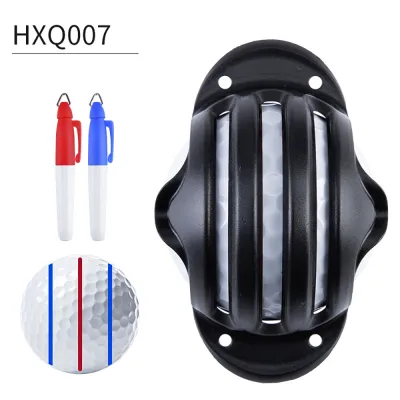
Finally, you must consider the functional purpose of the stamp design itself. Custom logo, monogram, or initial stamps are primarily intended for quick personal identification. These designs are usually compact and placed on a blank area of the ball cover. In contrast, dedicated alignment line stamps are engineered to assist with putting and tee-shot accuracy. These markers often feature long, straight lines, crosshairs, or triple-track patterns designed to align with the target line on the green, serving as a vital visual aid during your pre-shot routine.
Evaluating Ink Types for Weather and Turf Resistance
The performance of a golf ball stamp marker depends heavily on the chemical formulation of its ink. Because golf balls are subjected to harsh environmental conditions, standard office ink is entirely unsuitable. When playing early morning rounds in humid climates, heavy dew on the grass will instantly dissolve water-based inks, causing them to bleed across the ball cover and transfer onto your hands, clubface, or towel. Therefore, selecting a highly water-resistant or waterproof ink formulation is essential for maintaining a legible mark.

In addition to water resistance, the drying time of the ink is a critical factor on the course. Quick-drying formulations are designed to cure within seconds of application. This rapid drying prevents the ink from smearing when you immediately place the stamped ball into your pocket, onto a tee, or into a ball sleeve. If you choose an ink with a slow drying time, you must set the ball aside to cure, which can slow down your pre-round preparation and lead to accidental smudges on your gear.
When evaluating different markers, it is also wise to check the manufacturer specifications regarding ink longevity and UV resistance. The intense tropical sun can rapidly fade certain ink pigments over the course of an eighteen-hole round. High-quality inks are formulated to resist UV degradation, ensuring the mark remains vibrant even after hours of exposure to direct sunlight. Furthermore, you should verify whether the stamp is compatible with third-party re-inking solutions or if it requires a proprietary brand-specific ink. Opting for a system that allows easy re-inking will extend the lifespan of your stamp and provide better long-term value.
The material of your golf ball cover also plays a role in how well the ink adheres. Modern golf balls typically feature either a Surlyn (ionomer) or a urethane cover. Surlyn is a hard, slick material that requires highly adhesive, solvent-based inks to prevent chipping upon impact. Urethane covers are softer and slightly more porous, which can allow ink to bond deeply, but they also require a clean, grease-free surface for the best results. Wiping the ball with a dry microfiber towel before stamping will remove manufacturing oils and dirt, ensuring maximum ink adhesion regardless of the cover material.
Selecting Design Size and Alignment Features
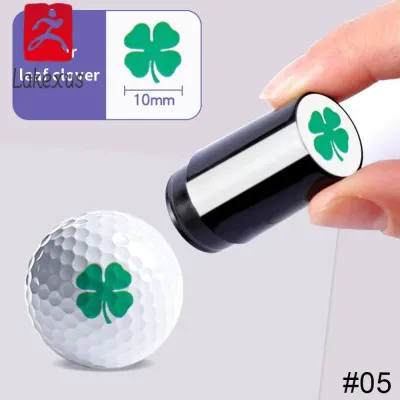
When choosing a stamp design, you must balance your personal identification needs with practical on-course utility. Small initials, minimalist icons, or simple geometric shapes are excellent for discreet identification. These compact designs, typically measuring between three to five millimeters in diameter, fit neatly between the ball’s existing brand markings and dimples. They provide a clean, professional look that does not clutter the ball’s visual field, allowing you to focus entirely on your shot without distraction.
If your primary goal is to improve your putting accuracy, a larger alignment line or directional arrow stamp is more appropriate. These designs are engineered to wrap around a portion of the ball’s circumference, providing a clear visual reference when lining up putts on the green. Some alignment stamps feature parallel lines or crosshair configurations that help you square the putter face to the target line. When using these larger stamps, ensure the design is bold and high-contrast, as faint or thin lines can be difficult to see from a standing address position.
Before purchasing a stamp, it is crucial to verify the physical dimensions of the stamp face against standard golf ball specifications. Under the Rules of Golf, a standard ball must have a diameter of no less than 1.68 inches (approximately 42.7 millimeters). A stamp design that is too large or lacks the proper curvature will fail to make full contact with the ball, resulting in partial, faded, or distorted impressions. For flat-face stamps, look for designs that do not exceed eight millimeters in width to ensure you can easily roll the stamp across the ball without losing contact.
Additionally, consider how the stamp design interacts with the ball’s dimple pattern. Golf ball dimples vary in depth, shape, and arrangement depending on the brand and model. A very intricate or highly detailed stamp design may lose its clarity when applied over deep dimples, as the ink may not reach the bottom of the depressions. For balls with deep, aggressive dimple patterns, simpler, bolder stamp designs with thicker lines generally yield the most legible and consistent results.
Assessing Build Quality and Durability for the Course
A golf ball stamp marker is an active piece of equipment that must survive the rigors of transport and outdoor use. The casing material is the first line of defense against damage. Lightweight, impact-resistant plastics are common and offer a budget-friendly option, but they can crack if dropped on concrete cart paths or compressed inside a heavy golf bag. For greater durability, consider stamps housed in aluminum or brass casings. These metal housings provide superior drop protection and are less prone to thread wear over years of use.
Leak prevention is another critical design feature to evaluate before buying. Because stamp ink is highly concentrated and permanent, a leak inside your golf bag can ruin expensive apparel, leather gloves, or the bag lining itself. Look for markers that feature secure locking caps, threaded closures, or sealed ink chambers. A cap that snaps firmly into place or screws down tightly prevents the stamp from accidentally opening when jostled inside a pocket or accessory pocket during transit.
Ergonomics and ease of use should also influence your decision, especially if you prefer to mark your balls while on the course. The stamp should feature a textured or non-slip grip area that allows you to hold the tool securely, even with sweaty hands in hot, humid weather. If you wear a standard golf glove, the mechanism should be simple enough to operate with one hand without requiring you to remove your glove. A well-designed stamp will allow you to apply consistent, even pressure with minimal effort, ensuring a perfect transfer every time.
Finally, examine the quality of the internal stamping pad or die. Over time, cheap foam pads can degrade, crumble, or lose their shape, leading to uneven ink distribution and blurry impressions. High-quality stamps utilize durable, closed-cell foam or solid rubber dies that resist tearing and maintain their structural integrity over hundreds of impressions. Choosing a marker with robust internal components ensures that the stamp face remains flat and even, preserving the clarity of your custom mark over multiple seasons.
Building a Conditional Shortlist: Matching Markers to Your Needs
To find the right golf ball stamp marker, you should match the tool’s specifications to your specific playing style, skill level, and on-course habits. Different golfers have different priorities, and identifying your primary needs will help you narrow down the options effectively.
Scenario A: The Competitive or Low-Handicap Player
If you play in competitive tournaments or maintain a low handicap, your primary focus is likely on precision, consistency, and rules compliance. For this scenario, a dedicated alignment line stamp with a curved cradle mechanism is highly suitable. This setup ensures that your putting lines are perfectly straight, uniform, and free of smudges that could distort your visual alignment. You should prioritize high-contrast, ultra-durable black or red waterproof inks that will not wear off when struck by high-velocity driver impacts. Additionally, look for stamps that allow you to verify the alignment line’s straightness easily before applying pressure.
Scenario B: The Casual or Recreational Player
If you play primarily for recreation, social enjoyment, or weekend club matches, your priorities may lean toward personalization, ease of use, and compact storage. A self-inking stamp featuring a custom monogram, initials, or a fun icon is an excellent choice for this style of play. These stamps are highly portable, fitting easily into a pocket or a small cart compartment for quick marking on the tee box. Prioritize models with secure, leak-proof caps so you can carry the marker in your pocket without worrying about ink stains. A simple, bold design will make your ball stand out in the rough, helping to speed up play and keep the game moving.
Key Pre-Purchase Verification Steps
Before making your final purchase, perform a few essential checks to ensure long-term satisfaction with your chosen marker:
- Ink Refill Availability: Verify if the manufacturer sells replacement ink bottles or pre-inked pads separately, and check their availability on local online marketplaces or at pro shops. Budgeting a small amount for future refills is more cost-effective than replacing the entire stamp unit.
- Drying Time Verification: Look for user feedback specifically addressing drying times in high-humidity environments. An ink that dries in five seconds in dry climates may take longer to cure in tropical humidity.
- Mechanical Wear Reviews: Check user experiences regarding the durability of the cap and spring mechanisms. A stamp with a weak cap or a flimsy spring will quickly become unusable, regardless of the ink quality.
- Design Simplicity: If you are choosing a custom logo, opt for clean lines and avoid overly intricate details that may fill with excess ink and blur on the ball's dimpled surface.
Frequently Asked Questions (FAQ)
Are golf ball stamp markers legal under official golf rules?
Yes, marking your golf ball for identification is fully permitted and actively encouraged under the Rules of Golf. Rule 6.3a states that the player should put an identifying mark on the ball to be used for each hole. Using a stamp marker to apply initials, logos, or symbols is a standard way to satisfy this requirement.
Regarding alignment lines, these are also legal for general play and standard tournament formats, provided they are applied before the stroke is made and are not used to physically touch the green to create a path. However, you must ensure that the marking process does not alter the physical properties of the ball, such as creating a raised, textured surface that could affect the ball’s aerodynamic flight or roll. Standard ink stamps do not alter the ball’s surface profile and are completely compliant with equipment regulations.
How often do I need to re-ink a golf ball stamp?
The frequency of re-inking depends on several variables, including the surface area of the stamp design, the storage conditions, and how frequently you use the tool. A small, simple initial stamp may yield several hundred clean impressions before requiring a refill, while a large, solid alignment line stamp will deplete the ink supply much faster due to the larger surface area of the die.
Environmental factors also play a significant role in ink depletion. If the stamp is stored in a hot car trunk or a humid golf bag without a tightly sealed cap, the solvent in the ink will evaporate quickly, causing the pad to dry out prematurely. To maximize the lifespan of your ink, always store the stamp in a cool, dry place with the cap securely fastened. When you notice the impressions becoming faint, uneven, or faded, refer to the manufacturer’s instructions to apply the correct type of compatible refill ink, allowing it to absorb fully into the pad before your next round.
Community discussion
Share your experience or ask a question. Comments are reviewed before publication.