
Maintaining dry equipment is one of the most straightforward ways to protect your score and extend the lifespan of your gear. When moisture, mud, or grass clippings settle on your clubface or golf ball, they disrupt the clean contact required for consistent launch angles and spin control. A reliable dry towel serves as your primary defense against these elements, ensuring your hands, grips, and equipment remain dry and functional throughout eighteen holes.
Selecting the right towel involves evaluating material performance, attachment styles, and size configurations to match your specific playing habits. Rather than relying on standard household alternatives, choosing a purpose-built golf towel allows you to manage moisture efficiently, even in challenging weather conditions. By understanding how different fabrics and designs perform on the course, you can establish a practical routine that keeps your equipment in optimal playing condition.
Why a Dedicated Golf Towel Matters for Your Game
Every swing relies on friction, particularly the connection between your hands and the grip, and the clubface and the ball. When moisture from humidity, morning dew, or sudden rain gets trapped between these surfaces, friction drops significantly. This loss of traction can cause the club to twist in your hands during a swing, leading to misaligned shots and lost distance.
Products mentioned in this guide
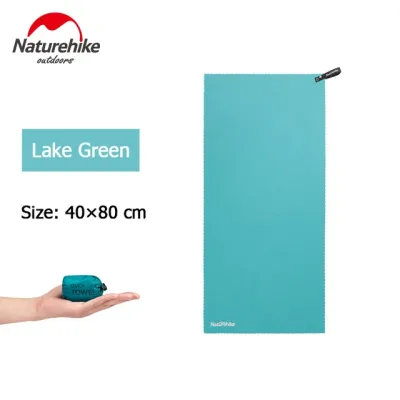
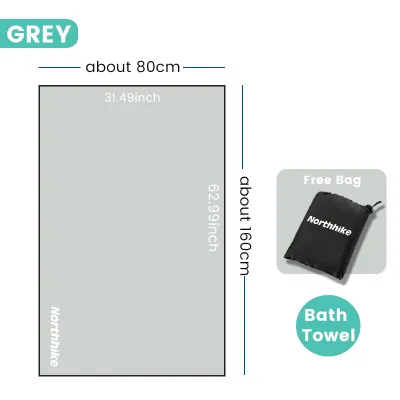
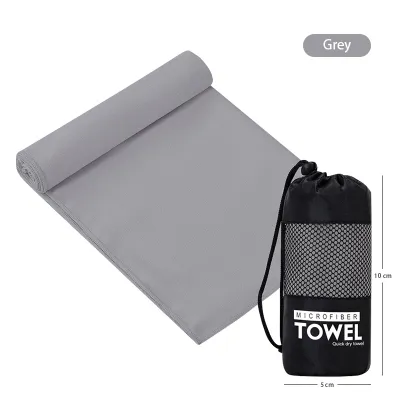
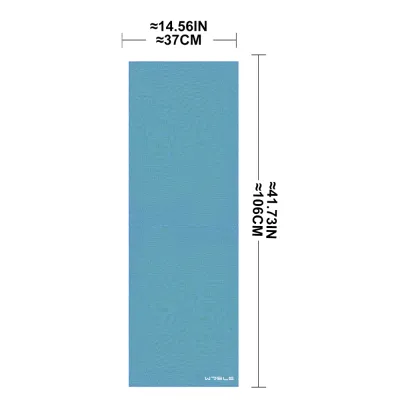
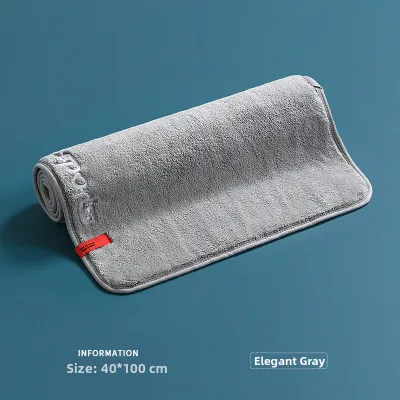
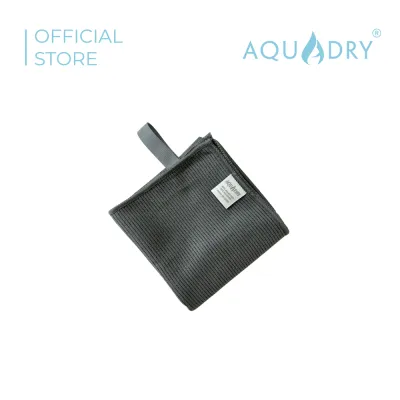
Prices are valid at publication and may change. Please refer to the product page for the latest price.
Moisture also accelerates the degradation of your golf glove. Leather gloves absorb sweat and environmental moisture, which causes them to stiffen, crack, and lose their tackiness over time. Using a dedicated dry towel to dry your hands and glove grip between shots helps preserve the leather’s flexibility and grip performance, saving you from premature replacements.
On the clubface, water and debris fill the grooves, which are designed to channel moisture away and generate backspin. If these grooves are clogged or wet, the ball can slide up the face without catching, resulting in a high-launching shot with very little spin, often referred to as a flier. A clean, dry clubface ensures the grooves can perform their intended aerodynamic and physical functions.
Standard household towels are generally unsuited for the golf course. They are typically made of thick cotton loops that absorb water slowly, retain moisture for a long time, and become heavy and bulky when wet. Furthermore, household towels lack secure attachment points, meaning they easily fall off the bag or drag along the grass, collecting dirt and debris instead of removing it.
Key Features to Evaluate When Selecting a Golf Towel
When evaluating different towels, material composition is the most critical factor influencing moisture-wicking speed and overall absorption capacity. Microfiber is the industry standard for golf towels due to its split-fiber construction, which creates a massive surface area capable of holding several times its weight in water. Microfiber also dries much faster than traditional fabrics, making it highly effective for continuous use during a round.

Cotton remains a viable option for players who prefer a heavier, more traditional feel. While cotton towels take longer to dry once saturated, they offer excellent scrubbing power for heavy mud and are highly durable. If you choose cotton, look for woven options rather than plush bath styles, as tight weaves handle the friction of cleaning metal clubheads much better without fraying.
Size and folding configurations dictate how much usable surface area you have and how the towel hangs on your bag. Large caddy towels, often measuring around 20 by 40 inches, are favored by players who want to keep one half of the towel wet for cleaning and the other half dry for wiping hands. Smaller tri-fold towels, usually around 16 by 21 inches, offer a more compact profile that hangs neatly without dragging on the ground or getting caught in the wheels of a pushcart.
Attachment mechanisms determine how easily you can access your towel during play. Carabiner clips and metal grommets are classic options that secure the towel directly to your bag’s accessory ring, preventing it from falling off during transit. Magnetic attachment systems utilize a strong, integrated magnet that allows you to detach the towel instantly, carry it to the green to clean your ball, and pick it up with your clubhead without bending down.
Texture variations play a significant role in how effectively a towel cleans your gear. Waffle-weave patterns feature a recessed grid design that traps dirt, sand, and grass clippings away from the cleaning surface, preventing you from rubbing abrasive debris back onto your clubs. Some specialized towels also feature integrated scrubbing patches or stiff nylon bristles on one corner to help clear stubborn, dried mud from club grooves.
Matching the Towel to Your Playing Conditions and Setup
Your local climate and course conditions should heavily influence your towel selection. In tropical climates like the Philippines, where high humidity, sweat, and sudden afternoon rain showers are common, a single small towel is rarely sufficient. Golfers in these environments should verify the fabric’s density, often measured in grams per square meter (GSM); a higher GSM indicates a denser, more absorbent microfiber that can handle high humidity without becoming saturated immediately.
If you frequently play in wet conditions, carrying multiple towels is a practical strategy. You can keep a primary waffle-weave towel on the exterior of your bag for cleaning clubs, while keeping a secondary, highly absorbent dry towel stored inside a waterproof pocket or zip-lock bag. This ensures you always have a completely dry surface to dry your hands and grips before critical shots.
Your carrying method also dictates the best towel setup. If you walk the course with a lightweight carry bag, minimizing weight is essential. A compact, single-fold microfiber towel with a secure carabiner clip keeps your setup streamlined and prevents the towel from flapping excessively in the wind. For those who use a riding cart, a larger caddy towel can be draped over the alignment sticks or hung from the cart frame, providing quick access for both driver and passenger.
Strategic placement on your bag is key to keeping your glove dry. Avoid hanging your primary dry towel directly next to wet umbrellas or rain hoods. Instead, position it on the side of the bag that rests against your body or cart, shielding it from direct rainfall while keeping it within arm’s reach immediately after you de-glove.
Building a Practical Golf Towel Setup for Your Bag
To build an effective gear-maintenance routine, consider implementing a two-towel system. The first towel should be a dedicated utility towel, which you can dampen slightly on one end before the round to wipe away mud, grass, and sand from clubfaces and golf balls. The second towel should remain completely dry and clean, reserved exclusively for your hands, face, and glove.
When shopping for a new towel on an online marketplace or at a local pro shop, always check the product labels for material composition. High-quality microfiber towels typically consist of an 80/20 or 70/30 polyester-to-polyamide blend. The polyamide content is what gives the microfiber its soft feel and superior water-absorption properties, so avoiding 100% polyester options will generally yield better drying performance.
Inspect the stitching along the edges of the towel before purchasing. Overlocked or bound edges prevent the fabric from fraying after repeated contact with sharp club grooves and velcro glove patches. If the towel features a metal grommet, ensure it is made of rust-resistant brass or aluminum, as cheap steel grommets will quickly rust when exposed to wet course conditions and laundry cycles.
Knowing when to replace your golf towel is essential for maintaining equipment performance. Over time, microfiber can become clogged with fine dirt particles, mineral deposits from tap water, and oils from your hands, which significantly reduces its wicking ability. If your towel feels stiff, has a persistent musty odor even after washing, or causes water to bead up on its surface rather than absorbing it instantly, it is time to replace it.
Frequently Asked Questions (FAQ)
How often should you wash your golf towel?
You should wash your golf towel after every two to three rounds, or immediately after a particularly muddy or rainy day on the course. Accumulated dirt, sweat, and grass stains not only harbor bacteria but also clog the microscopic fibers of microfiber towels, reducing their overall absorbency.
When washing, check the manufacturer’s care label for specific temperature instructions. Always wash microfiber towels separately from cotton items to prevent cotton lint from transferring and clogging the microfiber pores. Avoid using fabric softeners or dryer sheets, as these products leave a thin, waxy coating on the fibers that repels water and permanently diminishes the towel’s drying capability.
Can you use a regular bath or gym towel instead of a golf towel?
While a regular bath or gym towel can wipe away moisture in an emergency, it lacks the practical design features required for efficient on-course use. Standard cotton towels are often too bulky, making them heavy when wet and prone to dragging on the ground, which collects dirt and grass.
Additionally, regular towels do not have built-in attachment points like carabiners or magnets, meaning you must drape them over your clubs where they can easily fall off during transit. They also lack the specialized waffle-weave textures or scrubbing zones necessary to clear packed dirt out of deep club grooves quickly.
Is a magnetic golf towel better than a clip-on one?
Neither style is universally superior; the choice depends entirely on your playing style and bag setup. Magnetic towels offer unmatched convenience for players who ride in carts, as they can be stuck directly to the cart’s metal frame or picked up easily with a clubhead on the green. However, you must verify that the magnet is strong enough to withstand bumpy cart paths without falling off.
Clip-on towels, secured by carabiners or grommets, offer absolute security against loss. They are highly recommended for walking golfers who carry their bags, as they will not fall off during movement or in high winds. The trade-off is that they are more difficult to detach quickly when you need to take the towel with you to the putting green.
Community discussion
Share your experience or ask a question. Comments are reviewed before publication.