
Finding the right water tumbler for your gym and workout sessions in the Philippines is essential for maintaining peak physical performance. In a tropical climate characterized by high temperatures and intense humidity, proper hydration is not just a matter of comfort, but a critical safety measure to prevent dehydration and heat exhaustion. The ideal workout companion must balance three core pillars: a completely leak-proof seal to protect your gear, an ergonomic grip that won’t slip from sweaty hands, and a capacity tailored to your specific exercise environment.
While a standard office tumbler might keep your drinks cool at a desk, it often fails under the physical demands of a fitness center. Dynamic movements, sudden drops, and the rough-and-tumble environment of a gym bag require specialized design features that standard drinkware simply does not possess. By understanding how to evaluate these physical attributes, you can select a durable vessel that supports your fitness goals without causing messy spills or inconvenient interruptions.
Prioritizing Leak-Proof Seals, Ergonomic Grips, and Capacity
The primary decision matrix for any fitness enthusiast begins with three non-negotiable factors: leak-proof sealing, ergonomic grip, and appropriate capacity. When you are moving between workout stations, your tumbler is constantly in motion, meaning a weak seal will inevitably lead to water pooling in your gym bag or on the exercise floor. A secure container allows you to focus entirely on your form rather than worrying about protecting your phone, straps, or extra clothes from accidental leaks.
Products mentioned in this guide
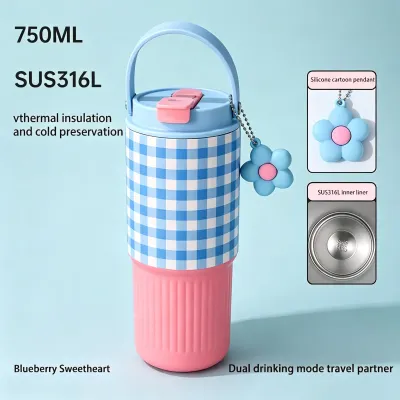
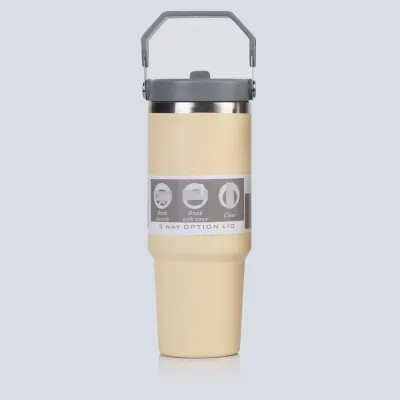
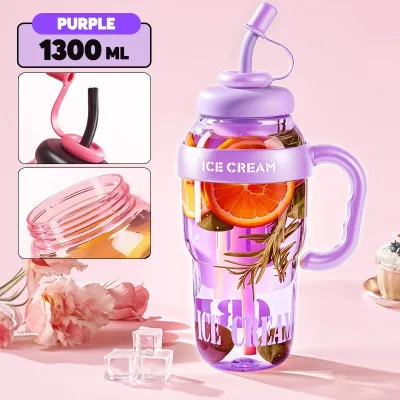
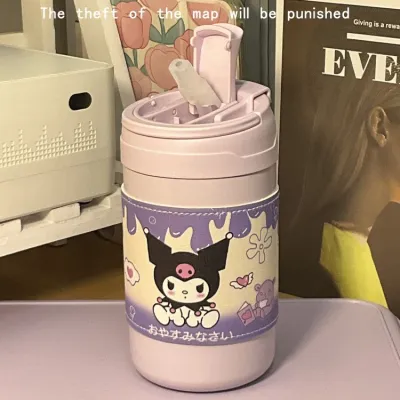
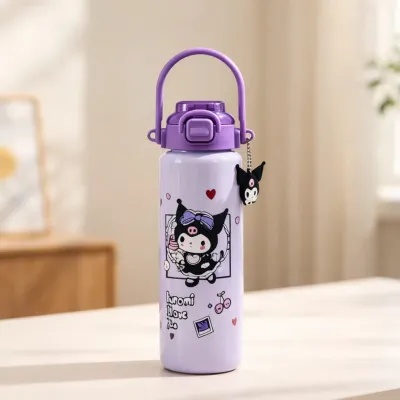
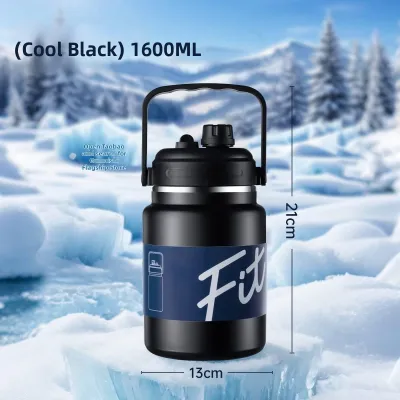
Prices are valid at publication and may change. Please refer to the product page for the latest price.
Standard office tumblers typically rely on simple press-fit lids or basic silicone friction rings that easily fail when subjected to dynamic movements. When a bottle is tossed into a gym bag or knocked over on a rubber floor mat, the sudden impact or change in orientation can dislodge a weak lid, causing immediate spills. Gym-specific models, by contrast, utilize threaded screw-on lids, heavy-duty gaskets, and physical locking clasps designed to withstand sudden drops and continuous movement.
Material safety is another critical baseline check that must be performed before purchasing any reusable drinkware. Look for clear product labels indicating that the materials are BPA-free, which ensures that harmful chemicals will not leach into your water, especially when the bottle is exposed to warm tropical temperatures. High-quality food-grade stainless steel, such as 18/8 or 304 grade, and durable copolyester plastics are the industry standards for maintaining water purity and resisting odor retention over long-term use.
Matching Tumbler Configurations to Your Workout Routine
Strength Training and Weightlifting For those who spend their time in the free-weight section or using resistance machines, durability and stability are the primary requirements. The gym floor is a high-risk zone where heavy dumbbells, plates, and metal equipment can easily crush or crack fragile plastic bottles. Selecting a tumbler made from thick-walled stainless steel ensures that the vessel can survive accidental impacts without leaking or losing its structural integrity.

Additionally, weightlifters should look for tumblers with wide, heavy bases that provide excellent stability when placed on uneven rubber gym tiles. One-handed operation is another highly beneficial feature; when your hands are fatigued from heavy lifts or covered in chalk, a quick-release push button or a flip lid allows you to take a quick sip without needing to unscrew a cap with both hands.
Cardio and High-Intensity Interval Training (HIIT) High-movement workouts like treadmill running, indoor cycling, and HIIT require a tumbler that prioritizes secure locking mechanisms and lightweight construction. Because these exercises involve rapid, repetitive body movements, any bottle placed in a machine holder or carried in hand must have a secondary locking clasp to prevent the lid from springing open accidentally.
Weight is a critical factor during cardio sessions, as carrying a heavy insulated bottle can disrupt your rhythm and increase fatigue. Lightweight, single-wall BPA-free plastics are often preferred over heavy double-wall steel for these high-intensity routines, especially if you have easy access to a water dispenser for quick refills. To combat the slippery condensation that forms on single-wall bottles in humid environments, choose models featuring integrated textured silicone bands or contoured shapes that ensure a secure hold.
Outdoor and Endurance Workouts For fitness enthusiasts training outdoors in the Philippines—whether running along coastal roads, cycling through urban routes, or practicing calisthenics in local parks—thermal retention is a non-negotiable feature. The intense tropical heat can quickly turn cold water lukewarm within minutes, making it less refreshing and harder to drink in large quantities. Double-wall vacuum insulation acts as a highly effective thermal barrier, preventing ambient heat from warming your beverage during long sessions under the sun.
Outdoor workouts also demand higher capacity options, typically ranging from 32 ounces (approximately 940 milliliters) to 40 ounces (approximately 1.2 liters), because public outdoor spaces rarely offer convenient or sanitary water refilling stations. Carrying a larger volume of water ensures you can complete your entire training block without running out of hydration, though you must balance this capacity against the physical effort required to transport the extra weight.
Evaluating Lid Mechanisms, Exterior Finishes, and Flow Rates
Lid and Sealing Mechanisms The lid is the most critical component of any gym tumbler, serving as both the primary barrier against leaks and the gateway to quick hydration. Screw-on lids offer the most secure seal because the physical threads lock the lid tightly against the silicone gasket, making them highly reliable for transport inside a packed gym bag. However, they require two hands to open, which can interrupt your workout flow during short rest periods.
Flip-top lids provide rapid, one-handed access but must be evaluated carefully for build quality; look for models that feature a physical metal or plastic locking loop that secures the button. Straw lids are highly convenient for cardio exercises because they allow you to drink without tilting your head back, keeping your eyes on the road or treadmill. However, straw mechanisms contain more moving parts and internal silicone seals, which increases the risk of wear and potential leaks over time.
Grip and Exterior Finish A secure grip is essential when handling a water bottle with sweaty, chalky, or tired hands during an intense workout session. Powder-coated finishes are highly recommended for stainless steel tumblers, as this textured, baked-on exterior provides excellent friction even when wet with sweat or condensation. This finish also resists scratching and chipping, ensuring the bottle maintains its appearance despite rough handling.
Silicone sleeves are another excellent option, particularly for plastic or glass bottles, as they provide both impact protection and a high-friction surface for your hands. Some tumblers feature ergonomic contours, such as indented finger grooves or tapered midsections, which make the bottle much easier to grip securely, especially for individuals with smaller hands who find wide-diameter bottles difficult to hold.
Mouthpiece and Flow Rate The size and shape of the mouthpiece directly affect how quickly and comfortably you can hydrate during heavy breathing. Wide-mouth tumblers are exceptionally easy to fill with ice cubes from local ice makers and are simple to clean thoroughly, but drinking from them while catching your breath can easily lead to water spilling down your chest.
Restricted spouts, often referred to as chug lids, offer a narrow, controlled stream of water that allows you to drink quickly and safely without spilling, even while walking or running. Straw mouthpieces offer the most controlled flow rate, making them ideal for steady sipping throughout a workout, though they may not deliver water fast enough if you are gasping for air after an intense sprint or a heavy lift.
Cleaning and Maintenance The warm, humid climate of the Philippines creates an ideal breeding ground for bacteria and mold, making ease of cleaning a vital consideration for any gym tumbler. Complex lid assemblies with multiple silicone gaskets, spring-loaded hinges, and internal straws can easily trap moisture and organic residue, leading to black mold buildup if not cleaned regularly.
Before purchasing, check the manufacturer’s instructions to verify which parts are dishwasher-safe, keeping in mind that many insulated bottles must be hand-washed to protect their vacuum seals. If you must hand-wash your gear, look for designs with removable silicone gaskets and wide openings that allow you to reach the bottom of the bottle with a standard cleaning brush.
Verifying Gear Compatibility and Manufacturer Limits
Dimensional Compatibility Before finalizing your purchase, it is crucial to measure the physical spaces where you plan to store and transport your tumbler. Many high-capacity insulated bottles have a base diameter exceeding 3.5 inches, which prevents them from fitting into standard car cup holders or the built-in bottle cages on treadmills and stationary bikes.
Measure the side mesh pockets of your gym backpack or duffel bag to ensure the bottle can slide in smoothly without tearing the fabric or falling out during your commute. If you plan to use the tumbler while driving to your local fitness center, verify that the base diameter matches your vehicle’s console cup holders to avoid the hazard of a heavy bottle rolling around on the floorboards.
Weight Considerations Water is heavy, weighing exactly one kilogram per liter, and this weight must be factored into your daily carrying load. A fully filled 40-ounce insulated stainless steel tumbler can easily weigh over 1.5 kilograms when accounting for the weight of the double-wall steel construction.
If you commute using public transportation, such as jeepneys, buses, or light rail transits, carrying a heavy bottle in your backpack can cause unnecessary shoulder strain during long walks. In these situations, you must decide whether the thermal performance of an insulated steel bottle is worth the extra physical effort, or if a lighter, single-wall plastic bottle is more practical for your daily commute.
Warranty and Manufacturer Guidelines Always review the manufacturer’s specifications regarding temperature limits, pressure ratings, and drop resistance before using your new tumbler. Many insulated bottles designed specifically for cold water are not rated for hot liquids, as the steam pressure can cause the lid to pop off violently or spray hot liquid when opened.
Similarly, carbonated beverages or effervescent electrolyte tablets can build up gas pressure inside a tightly sealed container, leading to leaks or sudden lid failure. Finally, understand the limits of your bottle’s drop resistance; while stainless steel will not shatter like glass, severe impacts can dent the outer wall, which can breach the vacuum seal and permanently destroy the bottle’s thermal insulation capabilities.
Frequently Asked Questions (FAQ)
Can I put pre-workout supplements or protein shakes in my gym tumbler?
Yes, you can use your gym tumbler for supplements, but you must choose the right design and maintain a strict cleaning routine. Opt for a wide-mouth tumbler with smooth interior walls, such as polished stainless steel or high-density plastic, which prevents powder from sticking and clumping in hard-to-reach corners. Avoid using complex straw lids or narrow spouts for thick protein shakes, as these mechanisms are incredibly difficult to clean thoroughly and can easily trap residue. Always rinse the bottle with clean water immediately after finishing your drink; leaving dairy-based protein or sugary pre-workout mixtures inside a sealed bottle in the tropical heat will quickly produce sour odors and stubborn mold that can permanently ruin the silicone gaskets.
How do I test if a tumbler is truly leak-proof before taking it to the gym?
To verify the seal integrity of a new tumbler without risking damage to your gym gear, perform a simple at-home test over a sink. Fill the bottle to approximately three-quarters capacity with plain water, secure the lid firmly, and ensure any secondary locking clasps are fully engaged. Invert the bottle completely and hold it upside down for 30 seconds, watching closely for any water seeping through the lid threads or the mouthpiece. Next, give the bottle several vigorous vertical and horizontal shakes to simulate the movement it will experience inside a bouncing gym bag. Finally, inspect the silicone gaskets inside the lid; if they are twisted, misaligned, or dry-rotted, the bottle will fail to maintain a reliable seal under pressure.
Does a heavier insulated tumbler affect my workout performance?
While a heavy tumbler will not directly decrease your physical strength, the added bulk can influence your energy levels and convenience during active training. For workouts that involve continuous movement, such as running on an outdoor track or performing dynamic cross-training, carrying a heavy, double-wall insulated steel bottle can be cumbersome and disruptive to your form. In these active scenarios, a lighter, single-wall plastic bottle is often more practical, even if your water warms up slightly over time. For stationary workouts like weightlifting, weight is less of an issue; you can simply leave your heavy insulated tumbler on a nearby bench or in a designated locker zone, allowing you to enjoy ice-cold water between sets without carrying the weight during your exercises.
Community discussion
Share your experience or ask a question. Comments are reviewed before publication.