
Climbing in tropical environments, from humid crags to sharp limestone cliffs, demands gear that can withstand intense friction, moisture, and heat. When climbers search for a “big rope heavy duty” option, they are looking for a workhorse—a rope designed to endure repeated falls, rough rock edges, and heavy use. However, a single rope cannot excel in every scenario. Selecting the right heavy-duty rope requires matching its specific construction, diameter, and stretch characteristics to your climbing style and route type.
In climbing, “heavy-duty” typically refers to dynamic ropes with larger diameters, robust sheath percentages, and specialized treatments. Your primary activity dictates which features to prioritize. Top roping demands maximum abrasion resistance to handle constant friction over anchors. Multi-pitch climbing requires a balance between durability and weight to prevent exhausting drag on long pitches. Rappelling and fixed-line work often call for static or low-stretch ropes that minimize bounce.
Before tying in, remember that no piece of equipment can replace proper instruction, sound judgment, and physical training. Climbing is an inherently high-risk sport where mistakes can be fatal. Always verify your skills, check your partner’s setup, and know your personal limits before attempting any route.
Products mentioned in this guide
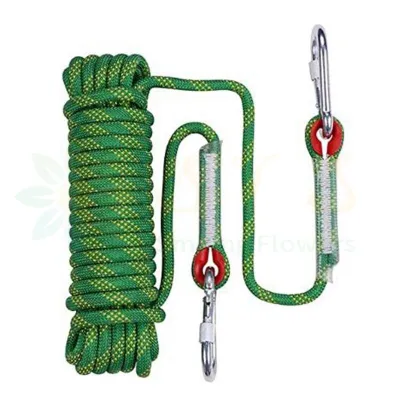
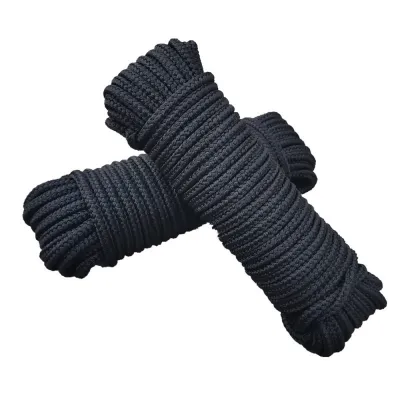
Prices are valid at publication and may change. Please refer to the product page for the latest price.
Matching Rope Characteristics to Your Climbing Style
Different climbing disciplines subject your rope to distinct types of wear, meaning you must evaluate where and how you climb most frequently.
Top Roping
Top roping is tough on ropes because the line is constantly loaded, running through top anchors, and rubbing against the rock face. For this style, a thick, heavy-duty dynamic rope is the ideal workhorse. Look for diameters ranging from 10.0 mm to 10.5 mm. These ropes feature a high sheath proportion, meaning more material is dedicated to protecting the inner core from sharp limestone edges and grit. While heavier to carry, their abrasion resistance ensures a longer lifespan under the constant friction of repeated laps.
Multi-Pitch Climbing
On multi-pitch routes, every gram of gear matters. Carrying a heavy, thick rope up long routes increases physical fatigue and creates significant rope drag through quickdraws. For multi-pitch climbing, a rope must balance durability with weight. Climbers often opt for diameters between 9.5 mm and 9.8 mm, which offer excellent safety margins but are easier to pack, carry, and manage at belay stations. They also glide smoothly through protection, reducing drag on long leads.
Rappelling and Fixed Lines
Rappelling, ascending, and hauling gear present entirely different mechanical demands than lead climbing. When descending a fixed line, you want to avoid the “bungee” effect caused by dynamic rope stretch. For dedicated rappelling, caving, or fixed lines, static or low-stretch ropes are the standard choice. These ropes stretch very little under body weight, providing a stable platform. However, because they lack the elasticity to absorb a fall, they must never be used for lead climbing or top roping.
Essential Specs to Verify on the Rope Label
Every climbing rope comes with a detailed technical label. Understanding these specifications is crucial for verifying that a rope meets your safety and performance needs.

Diameter and Weight
The rope’s diameter, measured in millimeters, is the most obvious indicator of its heavy-duty status. However, you should also look at the weight per meter, expressed in grams (g/m). A higher weight per meter indicates a denser weave and a thicker sheath, translating to better durability. When comparing two ropes of the same diameter, the heavier one often has a more robust construction. Consider your carrying method and approach distance; a heavy rope can turn a long hike into a grueling chore.
Impact Force and Fall Rating
Look for the UIAA or CE certification marks on the label. The UIAA fall rating indicates how many factor-1.77 test falls the rope can sustain under laboratory conditions before failing. For a heavy-duty single dynamic rope, look for a rating of at least 7 to 10 falls. The impact force rating measures how much energy is transmitted to the climber and anchor during a fall; a lower impact force means a softer catch, which is gentler on your body and protection.
Sheath Slippage and Construction
Sheath slippage measures how much the outer jacket slides along the inner core. A rating close to zero millimeters is ideal to prevent the sheath from bunching up over time. Additionally, pay attention to the sheath percentage. A higher sheath percentage (such as 40% or more) means more of the rope’s weight is in the protective outer layer, making it highly resistant to wear. For tropical climates like the Philippines, where high humidity and sudden downpours are common, look for ropes with dry-treated cores and sheaths. This treatment prevents fibers from absorbing water, which can double the rope’s weight and reduce its dynamic strength.
Cross-Scenario Compatibility and Trade-Offs
While it is tempting to look for one “perfect” rope, using a single heavy-duty rope across all disciplines involves significant trade-offs.
Using a thick, 10.5 mm top-roping rope for a long multi-pitch lead climb can quickly become a liability. The weight of the rope hanging below you on a long pitch creates immense drag, making every move feel harder. It also places extra physical strain on your belayer, who must manage a stiff, heavy line. Conversely, using a thin, lightweight multi-pitch rope for daily top-roping sessions will quickly wear down the sheath, forcing you to retire expensive gear prematurely.
For active climbers, building a “quiver” of two ropes is often the most practical approach. A thick, durable 10.2 mm or 10.5 mm rope serves as your daily workhorse for top roping, gym climbing, and working project routes. A separate, lighter 9.5 mm to 9.8 mm dry-treated rope is reserved for multi-pitch adventures where weight and handling are critical. This division of labor extends the lifespan of both ropes and ensures you always have the most efficient tool for the job.
Never compromise on the distinction between dynamic and static ropes. Using a dynamic climbing rope for heavy hauling or long-distance rappelling causes excessive wear as the rope stretches and contracts against edges. More importantly, never use a static rope for any climbing scenario where a fall could occur. The lack of stretch in a static rope generates catastrophic forces during a fall, leading to anchor failure or severe injury.
Inspection, Maintenance, and Retirement Signals
Even the most rugged heavy-duty rope has a limited lifespan. Regular inspection is your primary defense against gear failure.
Establish a strict visual and tactile inspection routine before and after every climbing session. Flake the entire rope slowly through your hands, feeling for flat spots, stiff sections, or soft, mushy areas that indicate internal core damage. Visually inspect the sheath for severe fuzzing, cuts, or exposed white core fibers. If you can see the white core through the colored sheath, the rope must be retired immediately.
Environmental factors can degrade a rope even if it has never held a major fall. In tropical environments, high humidity can lead to mold growth if ropes are stored damp. Always dry your rope completely in a shaded, well-ventilated area—never in direct sunlight, as ultraviolet (UV) radiation breaks down nylon fibers over time. Keep your rope far away from chemicals, acids, and solvents; contact with battery acid can destroy a rope’s strength without leaving any visible trace.
If your rope has sustained a severe, high-factor fall, or if you inherit a rope with an unknown history, stop using it immediately. When labels are missing or illegible, or if you have any doubt about the integrity of the gear, consult the manufacturer’s guidelines or err on the side of safety and retire the rope. It is far better to invest ₱12,000 to ₱18,000 in a new, certified rope than to risk your life on compromised nylon.
Frequently Asked Questions (FAQ)
Can I use a heavy-duty static rope for lead climbing?
No, you must never use a static rope for lead climbing. Static ropes are designed with minimal stretch to facilitate efficient rappelling and hauling. If you fall on a static rope while lead climbing, the rope cannot absorb the energy of the fall. This results in an extremely violent stop that can cause severe internal injuries, break your climbing hardware, or rip anchors straight out of the rock. Always use a certified dynamic rope for any climbing style where a fall is possible.
Does a thicker rope always mean it is safer?
Not necessarily. While a thicker rope offers greater abrasion resistance and can withstand more wear before the core is compromised, it does not automatically make your climb safer. Thicker ropes are heavier and stiffer, which increases climber fatigue and rope drag on long routes. This extra drag can make hard moves more dangerous and make it difficult for your belayer to pay out slack quickly. Safety depends on matching the rope’s specifications to the specific demands of your route and maintaining proper belay techniques.
Community discussion
Share your experience or ask a question. Comments are reviewed before publication.