
Setting up a dedicated fitness space in a Philippine home or condominium requires careful equipment selection, especially when searching for a stationary bike that can withstand intense, daily training. A truly heavy-duty stationary bike must offer more than just a high weight rating; it requires robust structural engineering, high-quality mechanical components, and materials capable of resisting the corrosive effects of a tropical climate. Investing in commercial-grade build quality ensures that your equipment remains stable, safe, and functional over years of rigorous use.
When evaluating options in the local market, buyers must look beyond aesthetic designs and focus on verifiable specifications. A reliable heavy-duty bike serves as the cornerstone of your cardiovascular routine, providing a secure platform for both high-intensity interval training (HIIT) and long-endurance sessions. By understanding the key engineering standards of premium fitness equipment, you can make an informed decision that fits your physical needs and your living space.
Core Criteria for Selecting a Heavy-Duty Stationary Bike
The foundation of any heavy-duty stationary bike is its frame construction. Look for frames fabricated from high-gauge steel, which provides the structural rigidity necessary to prevent flexing under heavy loads. Industrial-grade welding along the joints is a key indicator of durability; continuous, clean welds suggest superior strength compared to spot welding. A heavy frame—often weighing 40 kilograms or more—naturally lowers the machine’s center of gravity, minimizing lateral movement when you pedal at high speeds or stand up for intense climbs.
Products mentioned in this guide
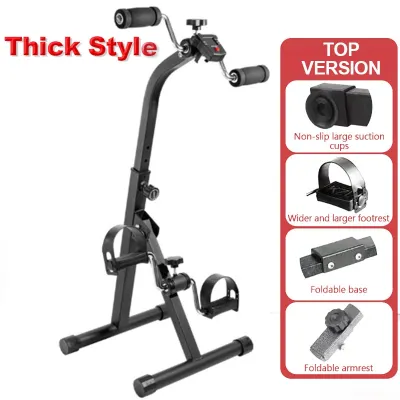
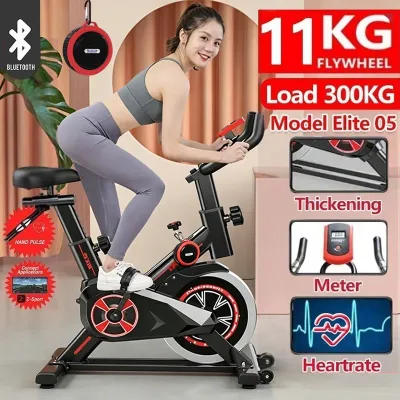
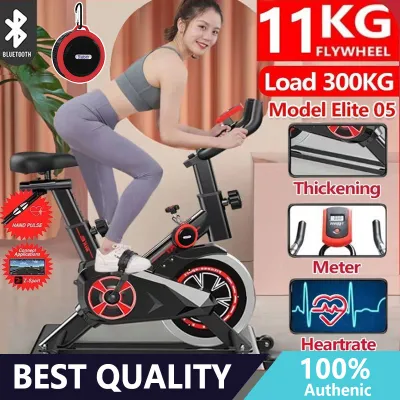
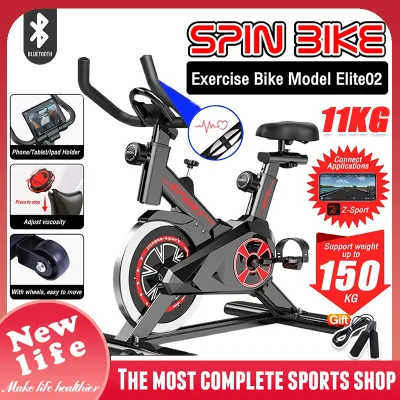
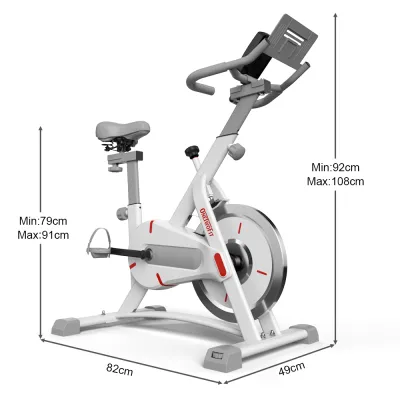
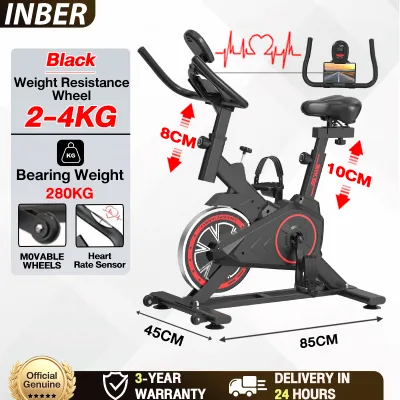
Prices are valid at publication and may change. Please refer to the product page for the latest price.
Understanding manufacturer weight capacities requires a critical eye. While a specification sheet might list a maximum user weight of 120 or 150 kilograms, this often refers to static weight capacity. During active exercise, the dynamic forces exerted on the frame, crank arms, and pedals increase significantly. To ensure long-term safety and equipment longevity, select a bike with a rated weight capacity that exceeds your actual body weight by at least 15 to 20 percent.
Base footprint dimensions and floor contact points are equally vital for stability. Heavy-duty bikes feature wide front and rear stabilizer bars to distribute weight evenly. Because residential floors in the Philippines—ranging from ceramic tiles to wood laminates—are rarely perfectly level, adjustable leveling feet are essential. High-quality rubber leveling pads allow you to compensate for uneven surfaces, preventing dangerous rocking motions while protecting your flooring from scratches and vibration damage.
Evaluating Resistance and Drive Systems for Intense Training
Stationary bikes primarily utilize either magnetic or friction resistance systems, each offering distinct advantages for durability and maintenance. Magnetic resistance systems use powerful magnets positioned near a metallic flywheel. Because there is no physical contact between the magnets and the wheel, this system experiences virtually no mechanical wear, operates in near-silence, and provides precise, repeatable resistance levels. This makes magnetic bikes highly suitable for condominium living, where noise transmission through concrete floors can disturb neighbors.

Friction resistance systems rely on felt or leather pads that physically press against the flywheel. While friction systems can provide unlimited resistance levels, the pads wear down over time and require periodic replacement. In the humid tropical climate of the Philippines, felt pads can absorb moisture from the air, which may lead to inconsistent resistance, squeaking noises, and accelerated degradation. For low-maintenance longevity, magnetic systems are generally the more reliable choice.
+------------------------+-----------------------------------+-----------------------------------+
| Feature                | Magnetic Resistance               | Friction Resistance               |
+------------------------+-----------------------------------+-----------------------------------+
| Wear and Tear          | Virtually none (contactless)      | High (pads require replacement)   |
| Noise Level            | Extremely quiet                   | Moderate (audible rubbing noise)  |
| Humidity Resistance    | High                              | Moderate (pads absorb moisture)   |
| Maintenance            | Minimal                           | Regular cleaning and lubrication  |
+------------------------+-----------------------------------+-----------------------------------+
The drive system, which connects the pedals to the flywheel, typically uses either a belt or a chain. Belt drives, often utilizing reinforced poly-V belts, deliver a smooth, quiet ride and require no lubrication. Chain drives mimic the feel of an outdoor road bicycle but require regular tensioning and oiling. In humid environments, exposed chains are highly susceptible to rust if not meticulously maintained, making belt drives the preferred option for hassle-free indoor workouts.
Flywheel mass plays a crucial role in ride quality. The flywheel stores kinetic energy, creating the inertia that mimics the natural momentum of outdoor cycling. For heavy-duty training, a heavier flywheel—typically ranging from 15 to 22 kilograms—helps maintain a smooth, consistent pedal stroke, especially at high resistance levels. However, advanced magnetic resistance systems can sometimes compensate for a lighter flywheel by using sophisticated magnetic positioning to deliver an equally smooth feel.
Adjustability, Ergonomics, and Component Durability
To prevent joint strain and ensure safe power transfer, a heavy-duty bike must offer precise adjustability to accommodate different body proportions. Look for micro-adjustment mechanisms that allow you to adjust both the seat and the handlebars along two axes: vertically (height) and horizontally (fore and aft). This four-way adjustability ensures that you can align your knees correctly over the pedal spindles, reducing stress on your patellar tendons during high-resistance workouts.
Locking pins and adjustment collars must be robust enough to withstand repetitive physical stress. Heavy-duty bikes utilize thick, spring-loaded pop-pins that thread securely into the frame, eliminating any play or wobbling in the seat post or handlebar stem. If these components feel loose or utilize thin plastic knobs, they are likely to slip or strip under heavy dynamic loads, posing a safety hazard during standing climbs.
Pedal construction and crank arm durability are critical safety touchpoints. The crankset takes the brunt of your leg power, so look for three-piece crank arms made of forged steel or heavy-duty aluminum alloy. Pedals should feature metallic bodies rather than plastic, and include adjustable toe cages with high-tensile straps to keep your feet secure. For advanced training, verify if the pedal spindles use standard 9/16-inch threads, which allow you to easily swap them out for clipless pedals compatible with cycling shoes.
Corrosion protection is a non-negotiable requirement for fitness equipment in the Philippines. Human sweat contains high concentrations of salt, which, when combined with high ambient humidity, can rapidly corrode steel frames. Ensure the bike features a multi-stage powder-coated finish that seals the metal from moisture. Additionally, look for integrated sweat guards—plastic or composite shrouds that physically shield the flywheel, resistance assembly, and drive belt from dripping sweat during intense workouts.
Building Your Shortlist and Pre-Purchase Verification
Before finalizing your purchase from a local fitness distributor or online marketplace, carefully review the warranty terms. A manufacturer’s confidence in their product is reflected in their warranty structure. True heavy-duty bikes should offer a multi-year warranty on the frame (typically three to five years) and at least one year on mechanical parts and electronics. Be sure to confirm that the warranty is rated for residential use and that the seller has a dedicated local service center to handle repairs or replacement parts.
Logistics and assembly require careful planning due to the sheer weight of heavy-duty equipment. Because these machines often weigh over 40 kilograms, shipping costs can be substantial, particularly for deliveries outside Metro Manila. Verify whether the seller offers door-to-door delivery, unboxing, and professional on-site assembly. Attempting to assemble a heavy-duty bike without the proper tools or experience can lead to component misalignment, which accelerates wear and voids your warranty.
Finally, learn to identify red flags in product listings. Be skeptical of generic, unbranded bikes that claim exceptionally high weight capacities but list a low net machine weight. A lightweight bike simply cannot support heavy dynamic loads safely. Always cross-reference the physical dimensions, shipping weight, and frame materials. If a seller cannot provide detailed specifications regarding the steel gauge, flywheel weight, or resistance mechanism, it is best to look elsewhere for your home gym investment.
Frequently Asked Questions (FAQ)
Does a heavier flywheel always guarantee a smoother ride?
Not necessarily. While a heavier flywheel naturally creates more momentum and inertia, the overall smoothness of the ride also depends on the quality of the drive system and the resistance mechanism. A bike with a lighter flywheel paired with a high-quality, precisely calibrated magnetic resistance system can deliver a smoother, more consistent pedal stroke than a cheap friction-resistance bike with a heavy, poorly balanced flywheel. The integration of the components is more important than flywheel weight alone.
How do I maintain the drive system to prevent premature wear?
To prolong the lifespan of your bike’s drive system, establish a regular maintenance routine. After every workout, use a soft, damp microfiber cloth to wipe down the frame, handlebars, and flywheel to remove corrosive sweat residue; avoid harsh chemical cleaners that can damage protective coatings. For belt-driven bikes, periodically check the belt tension and inspect for any signs of fraying. If you choose a chain-driven bike, you must regularly lubricate the chain with a dedicated bicycle chain lubricant and wipe away excess oil to prevent dust buildup.
Community discussion
Share your experience or ask a question. Comments are reviewed before publication.