
Selecting a hip thrust machine requires evaluating structural integrity, ergonomic support, and space efficiency. Rather than relying on marketing buzzwords, buyers must inspect specific engineering details like steel gauge, footplate angles, and pad density. This ensures the equipment remains stable under heavy loads and accommodates natural biomechanics during explosive movements. Whether you are setting up a commercial fitness center or upgrading a home gym, understanding these technical specifications will help you make an informed investment that supports safe, progressive strength training.
Frame Stability and Weight Capacity
Frame stability is the foundation of any heavy-duty strength equipment. When performing a hip thrust, the body generates significant horizontal and vertical forces. If the machine’s frame is too light or poorly designed, it can wobble, slide, or tip during the explosive concentric phase of the lift. To prevent this, look for frames constructed from high-tensile steel, typically 11-gauge or 12-gauge. Thicker steel provides the necessary mass and structural rigidity to handle heavy loads without flexing.
It is crucial to distinguish between user weight capacity and total load capacity. User weight capacity refers strictly to the maximum weight of the lifter, while total load capacity includes both the user’s weight and the added resistance from plates or weight stacks. Always verify that the total load rating exceeds your current lifting capacity and allows room for long-term progressive overload. For safety, choose a machine with a wide base footprint, as a broader stance distributes weight more effectively across the floor.
Products mentioned in this guide
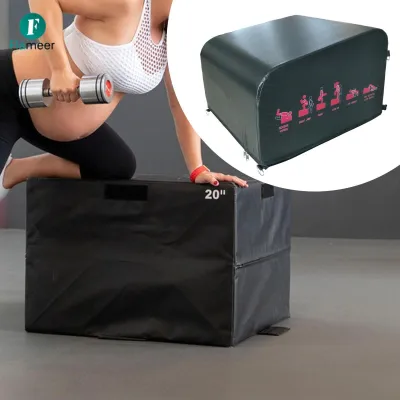
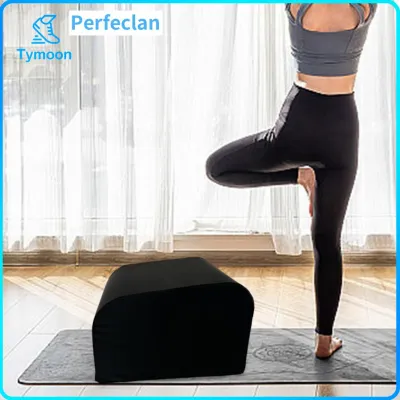
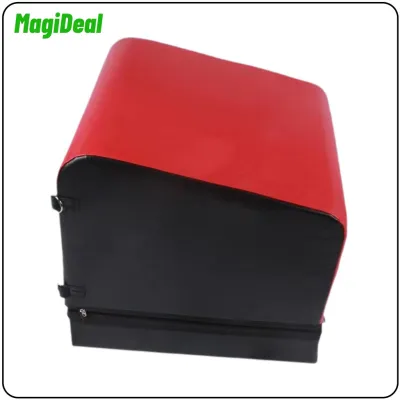
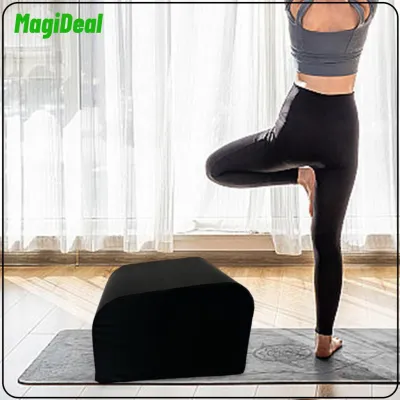
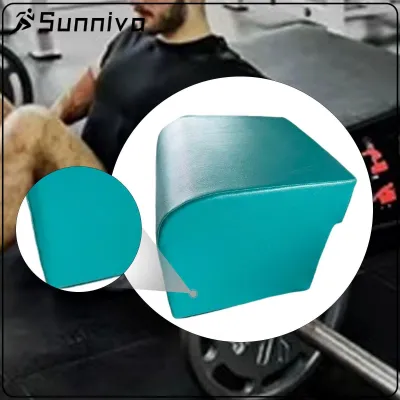
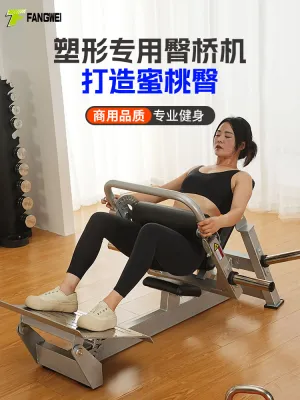
Prices are valid at publication and may change. Please refer to the product page for the latest price.
In tropical climates like the Philippines, high humidity can accelerate rust and corrosion on exposed metal. Prioritize frames finished with a durable, electrostatically applied powder coating, which protects the steel from sweat and moisture. Additionally, check for heavy-duty non-slip rubber feet on the base. These feet protect your flooring, prevent the unit from sliding during intense sets, and often feature pre-drilled holes that allow you to bolt the machine directly to the floor for maximum stability.
Pad Design and Ergonomics
The design of the back pad directly impacts both comfort and spinal safety during a hip thrust. Because the upper back acts as the pivot point throughout the movement, the pad must support the scapula without digging into the spine or restricting shoulder blade movement. Look for a pad that features high-density, dual-layered foam. Low-quality, soft foam will quickly bottom out under heavy loads, pressing your spine directly against the hard backing plate and causing bruising or discomfort.

Upholstery material is another critical factor, especially in warm, humid training environments. Sweat can make cheap vinyl slick, causing your upper back to slide out of position mid-set. Look for commercial-grade, tear-resistant vinyl with a textured surface that provides sufficient grip to keep you locked in place. Double-stitched seams are also essential to prevent the upholstery from splitting under the high pressure exerted during heavy training sessions.
Ergonomic adjustability is vital if multiple people of varying heights will use the machine. A fixed back pad may force shorter or taller lifters into awkward spinal angles, increasing the risk of lower back strain. Look for a machine with an adjustable pivoting back pad or a multi-angle adjustment system. This allows the pad to rotate naturally with your torso, maintaining constant support along the thoracic spine and ensuring proper pelvic alignment from the bottom of the movement to the peak contraction.
Footplate and Base Dimensions
The footplate is your primary point of contact and power transfer, making its dimensions and surface texture critical for safety. A footplate that is too small limits your stance options, preventing you from targeting different areas of the glutes and hamstrings. Look for an oversized footplate that allows for wide, narrow, high, or low foot placement. This versatility accommodates different femur lengths and joint mobilities, ensuring every user can find a comfortable, pain-free setup.
To prevent your feet from slipping under heavy loads, the footplate must feature a highly textured surface. Look for heavy-gauge diamond-plate steel or a high-traction grip tape coating. This is especially important when training in humid conditions where sweat can easily drip onto the platform. The angle of the footplate also matters; a slightly angled or adjustable footplate helps reduce shear stress on the knees and allows for better ankle dorsiflexion during the deepest part of the movement.
Before purchasing, carefully measure your available floor space and compare it to the machine’s footprint. Hip thrust machines can be bulky, and you must account for the extra clearance needed on both sides to load and unload weight plates safely. If you are setting up in a home gym with low ceilings, verify the maximum clearance height of the machine at the top of the movement. Look for models with extended front stabilizers or counterbalanced frames to ensure the machine remains anchored even when loading heavy plates on one side first.
Adjustability and Loading Mechanisms
Choosing the right loading mechanism depends on your existing gym equipment and training style. The most common designs are plate-loaded machines, selectorized weight stacks, and barbell-compatible benches. Plate-loaded machines are highly popular for home and garage gyms because they utilize standard Olympic weight plates you may already own. If opting for a plate-loaded model, check the length and weight capacity of the weight horns to ensure they can hold enough plates for your strength level.
For commercial settings or shared training spaces, selectorized weight stacks offer the fastest weight adjustments via a simple magnetic pin. However, these units are generally more expensive, with prices often starting from ₱50,000 and scaling upward depending on the brand and stack weight. Whichever system you choose, inspect the adjustment pins. High-quality machines use spring-loaded pop-pins or solid steel pin-and-post systems that lock securely into place, preventing accidental shifting during a set.
If you plan to incorporate advanced training techniques like accommodating resistance, look for built-in band pegs. These pegs allow you to attach resistance bands to the machine, creating a dynamic resistance profile where the weight increases as you reach the top of the thrust. Ensure the band pegs are welded directly to the frame rather than bolted on, as this provides a much safer anchor point under high tension.
Building Your Shortlist: Matching Specs to Your Needs
To build your final shortlist, align the machine’s specifications with your specific training environment, budget, and long-term fitness goals. If you are equipping a dedicated garage gym where space is less of a constraint, prioritize a heavy, wide-footprint machine with a high total load capacity. For compact home gyms or multi-purpose rooms, look for space-saving designs, such as vertically folding models or units with built-in transport wheels that allow you to roll the machine out of the way when not in use.
Warranty terms are a reliable indicator of a manufacturer’s confidence in their product’s build quality. A reputable manufacturer will typically offer a lifetime warranty on the structural frame and welds, with shorter coverage periods (usually one to three years) for wear items like upholstery, cables, and pulleys. Avoid machines that offer minimal or no warranty coverage, as this often points to lower-grade materials and construction methods that may fail under heavy use.
Use this checklist to filter your options and find the right balance between essential structural features and optional add-ons:
- Frame: 11-gauge or 12-gauge steel with a rust-resistant powder coat.
- Stability: Wide base footprint with non-slip rubber feet or floor-bolting holes.
- Pad: High-density dual-layered foam with textured, sweat-resistant vinyl.
- Footplate: Oversized, angled, and textured diamond-plate steel.
- Adjustability: Pivoting back pad and secure pop-pin locking mechanisms.
- Warranty: Comprehensive coverage on the frame and welds.
Frequently Asked Questions (FAQ)
Can I use a standard barbell on any hip thrust machine?
No, barbell compatibility depends entirely on the machine’s design. Some hip thrust machines are built as standalone benches with integrated catches designed specifically to hold a standard barbell. If you choose this style, you must verify that the inner shaft length of your barbell is wide enough to clear the machine’s upright catches without the collars colliding with the frame. Other machines feature built-in guided bars, plate-loaded pivot arms, or selectorized weight stacks, which do not require or accommodate an external barbell at all.
Is a hip thrust machine better than using a bench and barbell?
A dedicated hip thrust machine offers several advantages over a traditional flat bench and barbell setup, primarily in terms of safety, setup speed, and comfort. The machine provides a fixed, guided path of motion and a secure, pivoting back pad, which eliminates the risk of the barbell rolling or slipping off your hips. It also saves time, as you do not need to roll a heavy barbell into position or struggle with thick hip pads. However, a standard bench and barbell setup is highly versatile, costs significantly less, and takes up far less dedicated floor space, making it a practical choice for multi-purpose home gyms.
Community discussion
Share your experience or ask a question. Comments are reviewed before publication.