
Finding the right jogging belt bag is a balancing act between capacity, stability, and comfort. For daily runners, the ideal waist pack must secure essential gear without bouncing, chafing, or trapping excessive heat. In tropical climates like the Philippines, where high humidity and sudden downpours are common, material choice and moisture management become even more critical.
Selecting a bag that fits your body and your gear prevents the distraction of shifting weight during your stride. By focusing on key structural features, you can find a reliable training companion that protects your electronics and keeps your hands free.
Quick Guide to Selecting a Jogging Belt Bag
When shopping for a jogging belt bag, your primary focus should be on three core priorities: bounce prevention, secure phone fit, and moisture management. A belt that fails in any of these areas will likely end up left behind in your closet. Daily runs typically require only a few essentials, so minimizing bulk is key to maintaining a natural running form.
Products mentioned in this guide
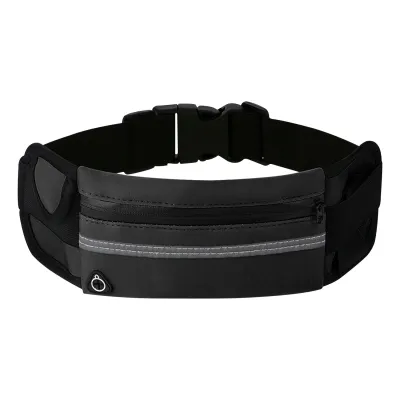
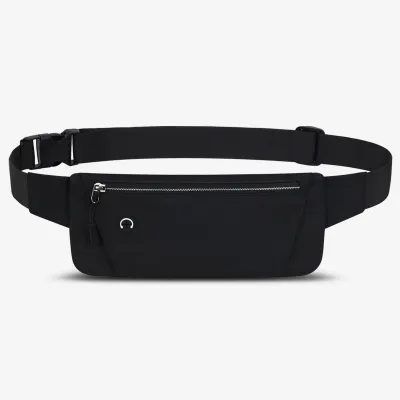
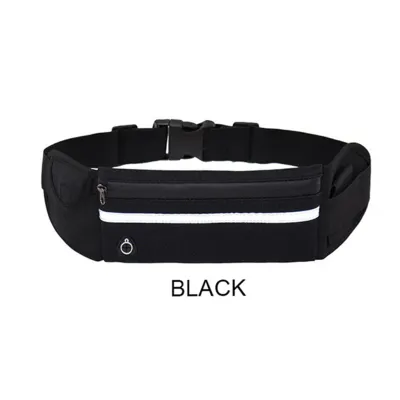
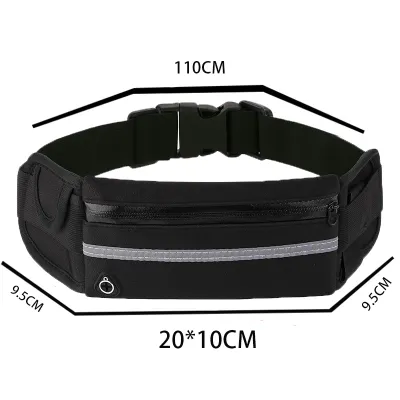
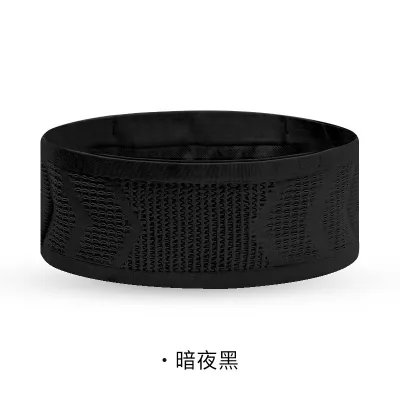
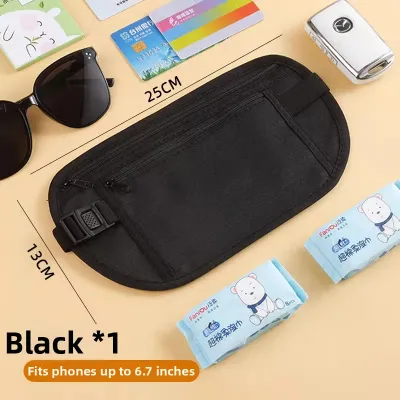
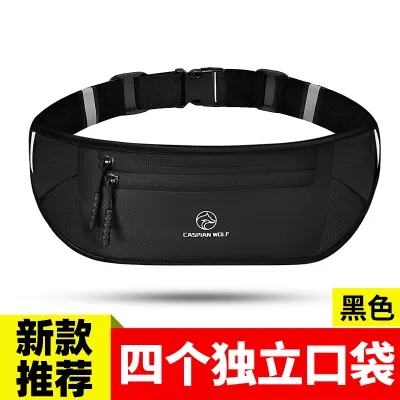
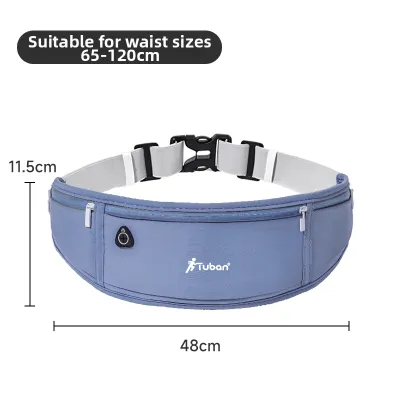
Prices are valid at publication and may change. Please refer to the product page for the latest price.
To balance your capacity needs against weight, look for a streamlined profile that expands only when filled. A bulky, over-packed belt increases vertical movement and places unnecessary strain on your lower back. Keeping the weight centered and close to your body is the most effective way to ensure a comfortable run.
Before purchasing online, use this quick checklist to verify product specifications:
- Internal Dimensions: Compare the pocket length and height against your phone's physical measurements, including its protective case.
- Strap Adjustability: Ensure the minimum and maximum waist measurements align with where you plan to wear the belt.
- Material Composition: Look for synthetic blends like nylon, Lycra, or neoprene that offer stretch and water resistance.
- Closure Type: Verify that zippers are heavy-duty and covered to prevent water entry.
Verifying Phone Fit and Storage Layout
Many runners make the mistake of checking only the diagonal screen size of their phone when choosing a jogging belt bag. However, the physical outer dimensions—especially when using a thick shockproof case—often exceed the listed pocket dimensions. You must measure the total length, width, and thickness of your encased phone and compare these to the zipper opening clearance, as a narrow opening can make retrieving your phone difficult mid-run.

Internal organization is equally important for protecting your gear. Placing loose keys, coins, or metal items in the same compartment as a smartphone can lead to scratched screens and damaged camera lenses. Look for a jogging belt bag that features dedicated internal dividers, separate zippered pockets, or external key clips to keep sharp items isolated.
Modern running setups also require smart storage for audio accessories. If you prefer wired earphones, look for a rubberized cord port that allows the cable to exit the pocket while keeping the zipper closed. For wireless earbud users, a small, easily accessible side pouch or an internal elastic loop can keep charging cases secure and prevent them from shifting during your workout.
Achieving a Bounce-Free Fit Through Strap Design
The primary annoyance of any jogging belt bag is vertical movement, commonly known as bounce. This movement is dictated by the strap material and adjustment mechanism. Elastic webbing is highly popular because it stretches with your breathing, but it must have sufficient tension to hold the weight of your gear without sagging over time.
To prevent the belt from riding up toward your waist or sliding down your hips, some designs integrate silicone grip linings or textured patterns on the inner side of the strap. These silicone elements grip your running apparel, providing friction against slick, synthetic performance fabrics that otherwise offer no traction.
The adjustment hardware also plays a critical role in maintaining a secure fit. Look for adjustable cam buckles or heavy-duty tension sliders that lock the strap firmly in place. Flimsy sliders can gradually loosen under the repetitive impact of running, requiring you to stop and readjust mid-workout.
Pay close attention to buckle placement to avoid skin irritation. A large plastic buckle positioned directly over the hip bone can cause painful bruising and chafing over longer distances. Look for designs where the buckle is offset to the side, padded with fabric, or integrated into the front of the belt where it rests against softer tissue.
Evaluating Water and Sweat Resistance
In humid tropical environments, sweat is just as much of a threat to your electronics as a sudden rain shower. When evaluating a jogging belt bag, distinguish between water-resistant fabrics and fully waterproof construction. Many bags use water-resistant materials like neoprene or treated nylon, which repel light moisture but can still saturate during prolonged exposure to heavy rain.
For reliable protection, look for bags that feature an internal thermoplastic polyurethane (TPU) coating or a water-resistant membrane laminated to the inside of the fabric. Additionally, check the zippers. Standard zippers allow water to seep through the teeth; water-resistant zippers feature a rubberized or polyurethane laminate cover that seals the opening when closed.
The back panel—the side of the bag resting directly against your body—requires special attention. A moisture-wicking back panel or a physical barrier layer is essential to prevent body heat and sweat from condensing inside the phone compartment. Without this barrier, even a waterproof outer shell can trap internal moisture, leading to fogged screens or water damage to sensitive charging ports.
Always check the manufacturer’s care labels and specifications. While some bags may claim high water resistance, they are rarely submersible. Understanding these limits helps you decide whether to add an extra layer of protection, such as placing your phone in a simple zip-top plastic bag before inserting it into the belt during heavy downpours.
Prioritizing Breathability and Skin Comfort
Running in warm weather requires gear that facilitates heat dissipation. A thick, non-breathable belt acts as an insulator, trapping sweat against your skin and leading to heat rash or chafing. To prevent this, look for a jogging belt bag with a 3D spacer mesh backing. This material features a porous, three-dimensional structure that allows air to circulate between the bag and your body, promoting rapid sweat evaporation.
Skin comfort is also determined by the construction of the edges and seams. Avoid belts with rough, heat-sealed edges or exposed stitching that can rub against your waistline. Soft-bound edges, flatlock seams, and brushed fabric linings are much gentler on the skin, especially if you prefer to wear the belt directly against your skin beneath your shirt.
The overall weight distribution and profile thickness of the bag also influence comfort. A low-profile, flat design distributes the weight of your items across a wider surface area, reducing localized pressure points. Heavy plastic adjusters, thick metal zippers, and bulky decorative hardware add unnecessary weight and increase the likelihood of friction-induced skin irritation.
Assessing Safety and Visibility Features
For runners who prefer early morning or late evening sessions to avoid the midday heat, visibility is a paramount safety concern. A jogging belt bag positioned around your waist is at an ideal height to catch the headlights of oncoming traffic. Look for belts that incorporate high-visibility reflective strips, piping, or logos.
Reflective elements should ideally be positioned on both the front and back of the belt, ensuring 360-degree visibility regardless of your running direction. Check the quality of the reflective material; micro-prismatic or high-grade glass bead retroreflective elements offer much better light return than simple silver paint, which can crack and fade after a few washes.
In addition to passive reflectivity, daytime visibility can be enhanced by choosing bright, high-contrast colors such as neon yellow, vibrant orange, or hot pink. If you frequently run on unlit roads or trails, look for integrated attachment points, such as small elastic loops or plastic clips, designed specifically for mounting secondary active safety lights or LED flashers.
Matching Belt Bag Styles to Your Running Profile
To help you choose the right style, consider how your typical running distance and gear requirements align with different belt designs.
- Minimalist Tube Belts: These are continuous bands of elastic fabric with multiple slit openings. They sit flat against the body, offer excellent bounce prevention, and are ideal for short to medium runs where you only need to carry a phone, a key, and a card. They have no bulky buckles, making them highly comfortable, but they offer limited water resistance and can be difficult to access quickly.
- Multi-Pocket Pouches: Featuring one or more distinct zippered compartments attached to an adjustable strap, these belts offer easy access and better organization. They are highly versatile for daily training runs, allowing you to separate keys from your phone. However, they can bounce more if overloaded or if the strap is not properly tensioned.
- Hydration-Compatible Belts: Designed for longer distance runs, these belts feature dedicated holsters for small water bottles or flasks, alongside storage pockets. They are essential for maintaining hydration in hot climates, but the added weight of water requires a much wider, more rigid strap system to prevent significant bouncing and shifting.
Before making a final purchase on any online marketplace, perform a quick pre-purchase verification. Check the seller’s sizing charts carefully, as running belts often use different sizing standards than standard waist sizes. Review the return policy to ensure you can exchange the belt if the fit is incorrect, and look for warranty details regarding zipper durability and elastic tension retention. When budgeting, compare local retail prices in ₱ to find a balance between durable materials and reasonable cost.
Frequently Asked Questions (FAQ)
How should you position a jogging belt bag to prevent bouncing?
For maximum stability, position the belt bag low on your hips rather than high on your natural waist. The wider structure of the pelvis naturally prevents the belt from sliding down, while the lower center of gravity reduces vertical oscillation. Tighten the strap until it is snug but comfortable, ensuring you can still breathe deeply. After the first five to ten minutes of running, your muscles warm up and the belt may settle; take a brief moment to pull the tension straps slightly tighter if you notice any new movement.
How should you clean and maintain a sweaty running belt?
To preserve the elasticity of the straps and the integrity of water-resistant coatings, hand-washing is highly recommended. Submerge the belt in cool water mixed with a mild, sports-specific detergent. Gently agitate the fabric by hand, paying close attention to the back panel where sweat accumulates. Rinse thoroughly with clean water. Avoid using fabric softeners, as they can clog breathable mesh pores and degrade elastic fibers. Always air-dry the belt flat in a shaded, well-ventilated area; never use a mechanical dryer or expose it to direct, intense sunlight, which can melt synthetic coatings and weaken the elastic.
Can a jogging belt bag hold a large smartphone and a water bottle?
While some multi-pocket and hydration-specific belts are designed to carry both, standard minimalist jogging belt bags are not suited for this combination. Attempting to force a water bottle into a pocket designed only for a phone can overstretch the fabric, damage the zippers, and cause severe bouncing due to uneven weight distribution. If you must carry water, look specifically for a belt with an integrated, angled bottle holster or soft flask sleeves that distribute the liquid weight evenly across your hips.
Community discussion
Share your experience or ask a question. Comments are reviewed before publication.