
Choosing the right kayak pedal propeller requires matching the technical specifications of the drive system to your kayak’s hull design, your typical load, and the specific water conditions you plan to navigate. Whether you are replacing a worn-out component or looking to optimize your setup for coastal waters or inland lakes, understanding specifications like thrust ratings, shaft length, and blade configuration is essential. By focusing on these key metrics, you can ensure a compatible fit that maximizes efficiency and prevents mechanical damage during your outings.
Decoding Thrust Ratings and Power Output
When evaluating a kayak pedal propeller, thrust ratings indicate the amount of force the drive system can produce to move your watercraft forward. On product specification sheets, you will often find two distinct figures: peak thrust and continuous thrust. Peak thrust represents the maximum force the system can generate for short bursts, which is useful when fighting sudden gusts or launching from a standstill. Continuous thrust, on the other hand, is the sustainable force the propeller can maintain over long periods without overheating or causing excessive wear on the drive gears. For long-distance paddling or trolling, continuous thrust is the more critical metric to monitor.
To estimate the thrust your kayak requires, you must calculate the total loaded weight of your watercraft. This includes the dry weight of the kayak hull, the weight of the pedal drive itself, your personal weight, and all onboard gear such as tackle boxes, coolers, and safety equipment. In calm, inland waters, a lower thrust rating may suffice, but navigating coastal currents, tidal flows, or windy reservoirs requires a higher thrust reserve to maintain headway. Always cross-reference your calculated weight with the manufacturer’s maximum recommended load capacity for both the kayak hull and the specific pedal drive system to ensure you do not overload the drivetrain.
Products mentioned in this guide
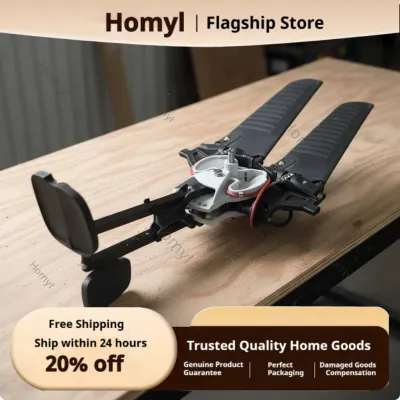
Prices are valid at publication and may change. Please refer to the product page for the latest price.
Matching Shaft Length to Hull Clearance
The shaft length of your pedal propeller system determines how deeply the blades sit in the water column. To find the correct length, you need to measure the vertical distance from the drive’s mounting bracket or the designated scupper hole down to the kayak’s actual waterline when fully loaded. If the shaft is too short, the propeller will sit too close to the surface, leading to cavitation and ventilation—where air is drawn into the blades, causing a loss of propulsion and a loud, splashing noise that can scare away fish.

Conversely, a shaft that is too long increases the draft of your kayak, making it highly susceptible to underwater strikes against rocks, reefs, or submerged logs. If you frequently navigate shallow tropical flats, mangrove channels, or rocky riverbeds, a shorter shaft or an easily retractable drive system is essential to prevent costly damage. For deep-water tracking across open bays, a longer shaft keeps the propeller fully submerged in rough chop. Always consult your user manual to verify the drive system’s adjustable depth settings, the positioning of any anti-ventilation plates, and the minimum draft requirements before heading out.
Evaluating Propeller Design and Blade Configuration
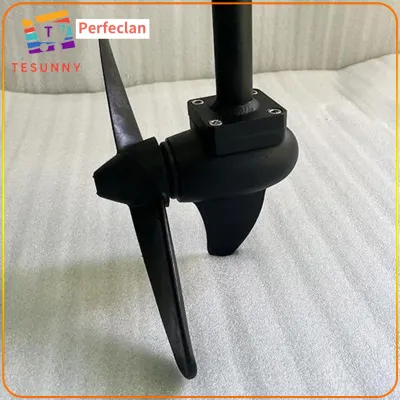
Propeller blades vary in number, shape, and pitch, with each configuration offering distinct performance trade-offs. Most kayak pedal propellers feature either a two-blade or a three-blade design. Two-blade propellers generally offer higher top-end efficiency because they create less drag in the water, making them excellent for open-water cruising. However, three-blade propellers typically provide smoother operation with less vibration, as well as better acceleration and low-end torque, which helps in maneuvering heavy fishing kayaks or maintaining control in choppy conditions.
The environment where you kayak should dictate the specific blade shape you choose. If you regularly traverse areas with heavy vegetation, seagrass, or floating debris, look for specialized weedless propeller designs. These blades feature swept-back leading edges designed to shed weeds and prevent grass from wrapping around the propeller shaft, which can bind the motor or pedal mechanism. For rocky or debris-filled waterways, impact-resistant composite materials are preferred over rigid plastics to absorb minor strikes without fracturing.
Before purchasing a replacement blade, locate the pitch and diameter specifications on the product packaging or technical manual. The diameter is the total width of the propeller circle, while the pitch represents the theoretical distance the propeller would move forward in one full rotation. These specs must align with your drive system’s intended rotational speed (RPM) and torque output. Installing a propeller with too much pitch can overload the internal gears of your pedal drive, while too little pitch will result in high pedaling effort with very little forward movement.
Verifying Mounting Compatibility and Drive Systems
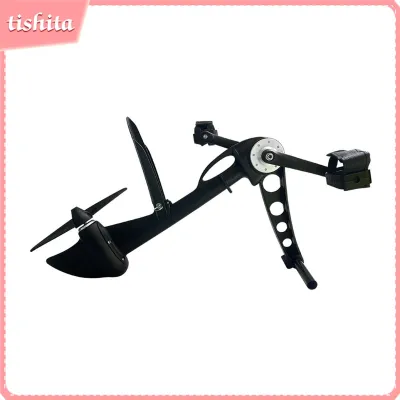
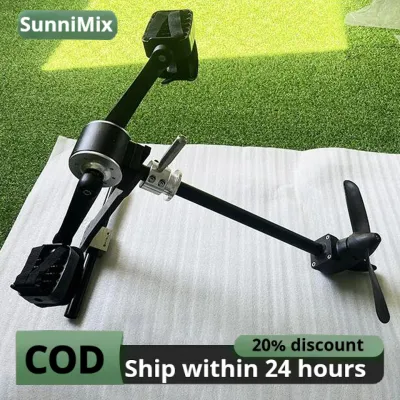
Physical compatibility is the final and most crucial step when selecting a kayak pedal propeller. Kayaks are designed around specific drive configurations; some require proprietary integrated pedal systems that drop directly into a molded center console, while others are compatible with universal transom, bow, or scupper mounts. You must identify your kayak’s specific mounting interface before looking at replacement parts, as aftermarket propellers designed for one brand rarely fit another without custom modification, which can compromise structural integrity.
When inspecting a replacement propeller, pay close attention to the physical connection points on the drive shaft. Verify the shaft diameter, the spline count (the ridges on the shaft that lock into the propeller), and the type of locking mechanism used, such as a shear pin, cotter pin, or locknut. A mismatch in spline count or shaft diameter will prevent the propeller from seating securely, leading to slippage or complete loss of propulsion on the water.
Before purchasing any aftermarket propeller or drive accessory, consult the official compatibility charts provided by your kayak or drive manufacturer. Using non-certified third-party parts can void your manufacturer’s warranty and may lead to premature wear on the internal drive gears. If compatibility is unclear, checking the manufacturer’s technical support resources or visiting a local marine supply shop can help verify the exact fit for your specific model.
Frequently Asked Questions (FAQ)
Can I upgrade my propeller to make my pedal kayak significantly faster?
Your kayak’s maximum speed is primarily limited by its hull design, length, and the gear ratio of the pedal drive system rather than the propeller alone. While changing to a propeller with a higher pitch can slightly increase top-end speed in calm conditions, it also increases the physical effort required to pedal. To avoid overloading the internal drivetrain or voiding your manufacturer’s warranty, always check the approved upgrade paths specified by the manufacturer before changing your propeller configuration.
How should I clean and store the propeller system after saltwater use?
Saltwater exposure can quickly lead to corrosion and mechanical binding if the drive system is not properly maintained. After every outing, thoroughly rinse the entire pedal drive and propeller assembly with clean fresh water to remove salt deposits, sand, and silt. Inspect the area behind the propeller blade and around the shaft seals for tangled fishing line or debris, which can cut the seals and allow water to enter the gear housing. Finally, apply a thin layer of marine-grade lubricant to the shaft and moving parts as directed by the product’s care instructions before storing the unit in a dry, shaded area.
Community discussion
Share your experience or ask a question. Comments are reviewed before publication.