
Selecting a kick scooter for adult riders requires prioritizing structural integrity, proper ergonomics, and terrain-appropriate wheel specifications. Unlike models designed for children, an adult-use scooter must withstand higher dynamic forces, accommodate larger statures, and navigate unpredictable urban surfaces safely. To make an informed choice, you must evaluate weight capacity, frame materials, deck dimensions, handlebar adjustability, wheel types, and braking systems against your specific commuting or recreational needs.
In tropical environments like the Philippines, where high humidity, sudden downpours, and uneven pavements are common, these specifications become even more critical. A well-chosen scooter serves as an efficient tool for first- and last-mile transits, seamlessly bridging the gap between your home, public transportation hubs, and the office. Understanding how these design elements impact your ride quality and safety is the first step toward finding the right model.
Why Adult Kick Scooters Differ from Children's Models
Adult kick scooters are engineered as legitimate personal mobility devices rather than recreational toys. The primary difference lies in the physics of rider weight and height. An adult rider exerts significantly more downward force and lateral stress on the scooter frame, especially when kicking, steering, or traversing curbs. To handle this load, adult models utilize thicker structural walls, reinforced welding, and heavy-duty folding mechanisms that prevent structural failure under stress.
Products mentioned in this guide
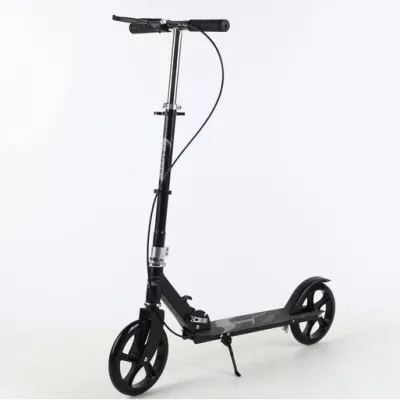
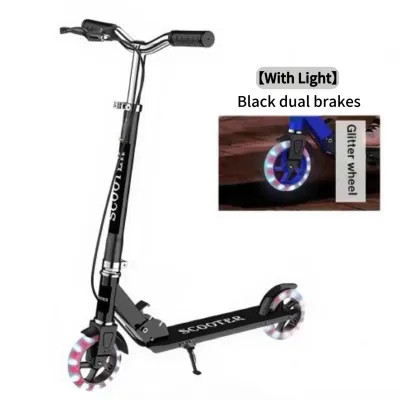
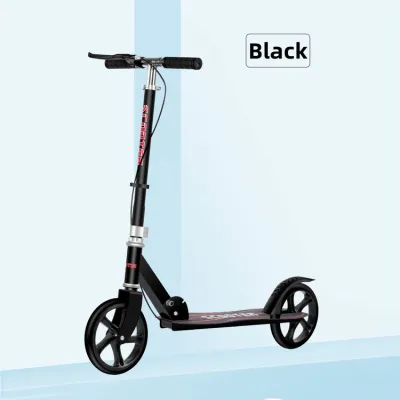
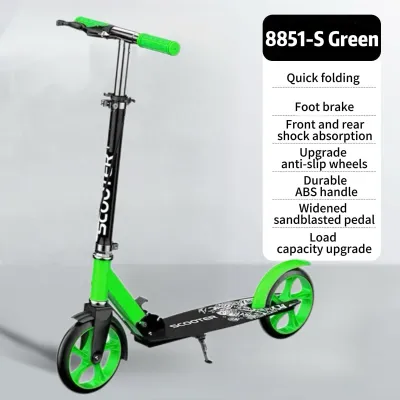
Prices are valid at publication and may change. Please refer to the product page for the latest price.
Using an undersized or under-specced children’s scooter presents serious safety risks for an adult. Children’s models typically feature narrow decks, thin-walled plastic or low-grade aluminum frames, and low weight thresholds. When an adult rides a toy-grade scooter, the frame can flex excessively, the steering column can bend or snap, and the small wheels can easily catch on minor pavement cracks, leading to sudden forward falls. Furthermore, the short handlebars force taller riders into a hunched posture, which severely compromises balance and steering control.
To ensure a safe and comfortable ride, you should view the selection process as a diagnostic checklist. Your chosen scooter must align with your body measurements and the specific demands of your daily route. By focusing on adult-specific engineering, you can secure a vehicle that offers stable handling, reliable braking, and long-term durability on challenging urban roads.
Weight Capacity and Frame Durability
Before looking at aesthetics or extra features, you must verify the manufacturer’s stated maximum weight capacity. High-quality adult kick scooters typically specify a weight limit ranging from 100 kilograms (220 pounds) to 120 kilograms (264 pounds) or more. Choosing a scooter with a weight capacity that comfortably exceeds your actual body weight plus any gear you carry, such as a heavy work backpack, ensures the frame remains rigid and safe during operation.

Frame material plays a decisive role in the scooter’s overall weight, durability, and resistance to environmental wear. Most premium adult scooters utilize aircraft-grade aluminum alloys, such as 6061-T6 aluminum. This material offers an exceptional strength-to-weight ratio, keeping the scooter light enough to carry while providing excellent structural rigidity. Aluminum is also highly resistant to rust, which is a vital consideration in humid, coastal, or rain-prone tropical climates. Steel frames, while highly robust and budget-friendly, are significantly heavier and prone to rapid corrosion if the protective paint chips or scratches.
Additionally, you must inspect the structural joints and folding latches, as these are the primary stress points on any folding scooter. Look for models featuring reinforced steering column collars, heavy-duty locking pins, and adjustable tension clamps. A loose or poorly designed folding mechanism will introduce “play” or wobbling in the handlebar stem, which degrades steering precision and accelerates mechanical wear over time.
Ergonomics: Deck Size and Handlebar Height
Proper ergonomics are essential to prevent physical fatigue and maintain precise control over your scooter. The physical relationship between your feet, hips, and hands determines how efficiently you can push off the ground and how stable you feel at higher speeds.
Handlebar Height and Adjustability
Your scooter’s handlebars should ideally reach your hip or waist level when standing on the deck. This height allows you to maintain an upright posture with a slight bend in your elbows, preventing lower back strain and shoulder fatigue. Look for adjustable T-bars with secure locking notches or heavy-duty quick-release clamps. Fixed-height handlebars can work well if they naturally match your height, but adjustable columns offer the flexibility to fine-tune the fit or share the scooter with other family members.
Deck Size and Usability
An adult deck must be wide and long enough to accommodate adult shoe sizes comfortably. A deck width of at least 12 to 15 centimeters and a usable length of 35 centimeters or more allows you to place both feet on the platform when coasting. A larger deck also makes it much easier to switch your pushing foot during long rides, which helps distribute muscle fatigue evenly between both legs.
Ground Clearance and Deck Height
Deck height—the distance from the top of the deck to the ground—directly affects your riding comfort. A lower deck requires less bending of your standing leg when you push off, resulting in a much more relaxed and less tiring ride. However, extremely low decks run the risk of scraping on speed bumps, driveway ramps, or uneven sidewalk tiles. If your route includes rough pavement or transition curbs, look for a moderate ground clearance of around 5 to 7 centimeters to balance pushing comfort with obstacle clearance.
Handlebar Width and Grip Quality
Wide handlebars, typically measuring between 40 and 50 centimeters, provide greater leverage and more stable steering control, especially when navigating crowded spaces. The grips should be made of high-density rubber or ergonomic foam that dampens road vibrations. Lock-on grips are preferable, as they prevent the rubber from twisting or slipping off the handlebar ends during hot, humid, or rainy rides.
Wheels, Brakes, and Ride Quality
The components that interface with the road dictate how smoothly your scooter rolls, how easily you can stop, and how much road vibration is transmitted to your body.
Wheel Diameter and Material
Adult kick scooters generally feature large wheels, with diameters ranging from 200 millimeters to 230 millimeters. Large wheels roll over cracks, drainage grates, and small stones with ease, maintaining momentum much better than smaller wheels. When evaluating wheel materials, you will primarily choose between solid polyurethane (PU) and pneumatic (air-filled) tires:
- Solid Polyurethane (PU) Wheels: These are highly durable, puncture-proof, and offer very low rolling resistance on smooth concrete. However, they transmit significant road vibration and can become slippery on wet metal covers, painted road lines, or smooth tiled surfaces during rainy weather.
- Pneumatic (Air-Filled) Tires: These tires provide natural shock absorption and superior grip on wet or uneven surfaces. They are ideal for rough asphalt and gravel paths, though they require regular pressure checks and are susceptible to punctures.
Braking Systems
Reliable stopping power is non-negotiable for adult riders navigating urban traffic. While children’s scooters rely almost exclusively on a rear fender foot brake, adult models should feature more robust braking systems:
- Rear Fender Foot Brakes: Simple and low-maintenance, but they require you to shift your weight backward and can cause flat spots on PU wheels if applied too aggressively. They also lose significant stopping power when wet.
- Hand-Operated Disc Brakes: Located on either the front or rear wheel, these brakes provide powerful, progressive stopping control similar to a bicycle. They are highly effective in wet weather and allow you to stop quickly in emergencies.
- Drum Brakes: Enclosed within the wheel hub, drum brakes are highly protected from dirt, water, and physical damage, making them incredibly reliable and virtually maintenance-free for daily commuters.
Suspension Systems
Suspension systems help isolate your hands and feet from harsh road vibrations. Front suspension, usually integrated into the steering column, reduces hand numbness and wrist fatigue. Rear suspension, located under the deck, cushions your standing leg against sharp impacts from potholes or curb drops. While dual suspension offers the smoothest ride, it adds weight and mechanical complexity to the scooter, so you should weigh this trade-off against the actual smoothness of your daily route.
Portability and Folding Mechanisms
For many adult riders, a kick scooter is a tool for multi-modal commuting. This means you must be able to fold, carry, and store the scooter quickly and easily when transitioning to public transit, entering office buildings, or storing it at home.
Evaluate the folding mechanism carefully before purchasing. Look for intuitive designs that allow you to fold the scooter in a single, smooth motion, such as a foot-pedal release or a single-pull lever. The mechanism must lock securely in both the open and folded positions. Avoid overly complex latches that require tools or excessive physical strength to operate, especially if you need to fold the scooter quickly on a crowded train platform.
Weight is another critical factor for portability. A practical commuter scooter should weigh between 4.5 and 7 kilograms. While lighter scooters are easier to carry up pedestrian overpasses or hold on a packed bus, they may sacrifice features like dual suspension or large pneumatic tires. If you choose a heavier model, look for convenient portability features such as an integrated carrying strap, a trolley mode that lets you roll the folded scooter on its front wheel, or a sturdy kickstand for easy parking.
Matching Features to Your Riding Style
To get the most value out of your investment, you should prioritize features based on how and where you plan to ride. Different environments and usage patterns demand different scooter configurations.
The Daily Commuter
If your primary goal is navigating a daily multi-modal commute through busy urban centers, prioritize portability, quick folding, and low maintenance. Opt for a lightweight aluminum frame (under 6 kilograms), solid PU wheels to eliminate the risk of flat tires, and a reliable hand-operated drum or disc brake. This setup ensures you can quickly fold the scooter, carry it onto public transit, and ride safely in stop-and-go traffic without worrying about tire maintenance.
The Long-Distance Rider
If you plan to ride long distances for fitness or recreation, prioritize comfort and ride quality over absolute portability. Look for a model with dual suspension, large pneumatic tires, and a wide, long deck that allows comfortable foot placement and easy foot-swapping. While this configuration will be heavier and bulkier to carry, the dramatic reduction in body fatigue and the superior grip on varied terrain make it well worth the extra weight.
The Casual or Weekend Rider
For casual rides around local parks or quiet neighborhoods, a balanced, budget-friendly model is often the best choice. Look for a mid-range aluminum scooter with a reliable rear foot brake, front suspension, and adjustable handlebars. This provides a comfortable, safe ride without the added cost and weight of premium braking systems or dual suspension.
Pre-Purchase Checklist
Before finalizing your purchase, use this quick checklist to verify that the scooter meets your requirements:
- Verify Weight Capacity: Ensure the maximum limit is at least 100 kilograms or matches your carrying needs.
- Measure Handlebar Range: Confirm the maximum handlebar height reaches your hip or waist level.
- Assess Your Route: Choose solid PU wheels for smooth, dry paths, or pneumatic tires and suspension for rough, wet, or uneven roads.
- Test Portability: Check the folded dimensions and weight to ensure you can comfortably carry and store the scooter in your daily environment.
- Inspect the Folding Latch: Ensure the folding mechanism locks tightly with zero wobble or play in the steering column.
Frequently Asked Questions (FAQ)
Can an adult safely ride a heavy-duty kids' scooter?
No, adults should avoid riding children’s scooters, even if the model claims a high weight limit. Children’s scooters feature decks that are too short and narrow for adult feet, and their low, narrow handlebars force a hunched riding posture. This poor ergonomics severely compromises your balance, limits your steering leverage, and increases the risk of tipping forward over minor road obstacles.
Are pneumatic tires better than solid tires for adult riders?
It depends entirely on your riding environment and maintenance preferences. Pneumatic tires are superior for rough, uneven, or wet roads because they provide natural shock absorption and excellent wet-weather grip. However, they require regular air pressure checks and can get flat tires. Solid polyurethane tires are completely maintenance-free and roll faster on smooth concrete, but they transmit more road vibration and can slip on wet surfaces.
Do I need a suspension system on my kick scooter?
A suspension system is highly recommended if your daily route includes cracked asphalt, paving stones, brick pathways, or frequent transition ramps. Front or dual suspension significantly reduces hand, wrist, and leg fatigue by absorbing road vibrations. However, if you ride exclusively on smooth, well-maintained concrete bike paths or indoor surfaces, you can choose a non-suspension model to save on weight, cost, and mechanical maintenance.
Community discussion
Share your experience or ask a question. Comments are reviewed before publication.