
Finding the perfect golf club is already a significant challenge, but for left-handed golfers, the search often feels like a quest for a needle in a haystack. When you are looking for a high-quality left handed fairway wood, you quickly realize that the options on the rack do not match the extensive, diverse displays designed for right-handed players. This guide will help you understand how to navigate these inventory constraints, evaluate crucial technical specifications, and ultimately select a club that elevates your game.
In the Philippines, where high humidity and lush tropical grasses like Bermuda and Carabao grass dominate the fairways, having the right fairway wood is essential. Moisture on the clubface can dramatically alter spin rates, while thick, dense turf requires a clubhead design that glides smoothly without twisting. For left-handed players, finding a club that offers both the correct physical specifications and the necessary performance characteristics in these demanding local conditions requires a strategic approach.
Choosing a Left Handed Fairway Wood: Navigating the Limited Market
Injection molds and casting dies for modern clubheads are incredibly expensive to design and manufacture. Because left-handed golfers represent only a small fraction of the global golfing population—typically estimated at around 10 percent—manufacturers face a stark economic reality. Producing a mirrored set of tooling for every single loft, head shape, and adjustability configuration is often financially unviable for brands. Consequently, manufacturers prioritize high-volume right-handed designs to recoup their research and development costs.
Products mentioned in this guide
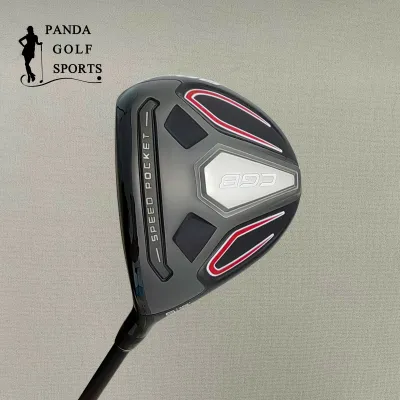
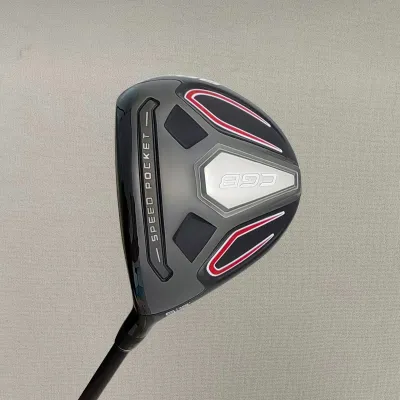

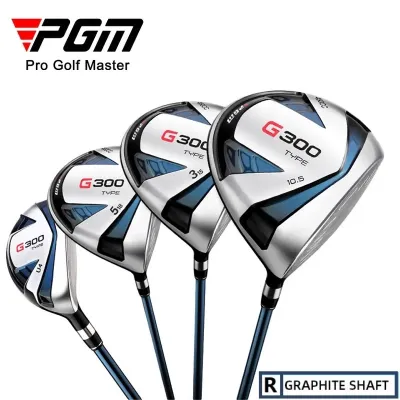
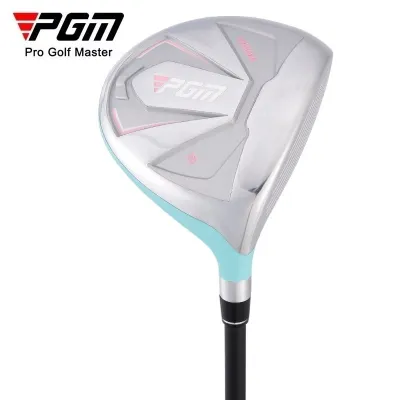
Prices are valid at publication and may change. Please refer to the product page for the latest price.
This economic calculation directly impacts release cycles and product availability. When a major golf brand announces a highly anticipated new lineup, the right-handed models hit the shelves immediately in every conceivable configuration. Meanwhile, the left-handed counterparts are frequently delayed by several weeks or months, or they are released in a highly restricted selection of lofts and shaft options. For instance, while a right-handed player might choose between three different head shapes and five different lofts, a left-handed golfer might only have access to a single standard head shape in a basic 3-wood or 5-wood configuration.
Given these constraints, chasing the absolute newest flagship release is often a frustrating and inefficient strategy for left-handed players. Instead, you should focus on core performance metrics and consider proven previous-generation models. Many of the technological advancements in fairway wood design—such as ultra-thin face cups, carbon composite crowns, and high-density sole weighting—have matured to the point where a model from one or two seasons ago performs nearly identically to the latest release. By expanding your search to include these previous-generation clubs, you open up a much wider pool of available left-handed inventory, often at a significantly lower price point.
Key Specifications to Evaluate When Options Are Limited
Loft Selection and Distance Gapping
Fairway woods serve a dual purpose in a golfer’s bag: they provide distance off the tee on tight par-4s and offer a high-launching, long-distance option for reaching par-5s in two shots from the fairway. Standard fairway wood lineups typically include a 3-wood (usually 15 degrees of loft), a 5-wood (around 18 degrees), and a 7-wood (around 21 degrees). Some manufacturers even offer 9-woods or specialized “strong” 3-woods (13.5 degrees) for niche player profiles.

For left-handed golfers, however, this clean progression is rarely available off the rack. Manufacturers frequently skip higher-lofted options like 7-woods and 9-woods in their left-handed production runs, leaving a significant gap between a player’s 5-wood and their longest iron or hybrid. This gap can be highly problematic, especially on tropical courses in the Philippines where soft, damp fairways limit post-landing roll, making high-launching, soft-landing shots essential for holding greens.
To manage this distance gapping effectively, left-handed players must get creative. One highly successful strategy is to utilize adjustable hosels. By purchasing an adjustable 5-wood and lofting it up by 1.5 or 2 degrees, you can easily replicate the flight characteristics and distance of a traditional 7-wood. Alternatively, you can look to high-lofted hybrids (such as a 3-hybrid or 4-hybrid) to fill the yardage gap. Hybrids are often more readily available in left-handed configurations than niche fairway woods and offer excellent turf interaction out of thick, tropical rough.
Shaft Flex and Aftermarket Upgrades
The shaft is often referred to as the engine of the golf club, and selecting the correct flex is vital for controlling accuracy, launch angle, and spin. Shaft flexes are generally categorized as Regular (R), Stiff (S), and Extra Stiff (X), with lighter Senior (A) and Ladies (L) options also available. Your optimum flex is determined by your swing speed, transition tempo, and release point. A shaft that is too flexible can lead to an inconsistent clubface angle at impact and ballooning shots, while a shaft that is too stiff can result in a low, weak ball flight that tends to slice.
Unfortunately, left-handed golfers frequently encounter a “shaft bottleneck.” Even if a manufacturer produces a left-handed clubhead in your desired loft, they may only package it with a limited selection of stock shafts. For example, you might find the perfect left-handed 3-wood head, but it is only available in store with a regular-flex shaft, even though your high swing speed demands a stiff or extra-stiff profile.
Instead of compromising on a sub-optimal setup, you should view the purchase as a two-part process: buying the clubhead and planning for an aftermarket shaft upgrade. Purchasing a left-handed clubhead with whatever stock shaft is available, and then working with a local builder to swap in a high-quality aftermarket shaft, is a highly effective way to get a perfectly dialed-in club. This approach ensures you do not sacrifice performance simply because of stock inventory limitations. It also allows you to select a shaft grip that can handle the intense humidity of the local climate, ensuring a secure hold even during wet rainy-season rounds.
Clubhead Size and Forgiveness Trade-offs
Clubhead designs generally fall into two categories: oversized, high-forgiveness models and compact, tour-preferred profiles. Larger clubheads feature a higher Moment of Inertia (MOI), meaning the clubhead resists twisting on off-center hits. This design is incredibly beneficial for amateur golfers, as it preserves ball speed and maintains direction even when you strike the ball closer to the heel or toe. Furthermore, the wider sole of an oversized fairway wood helps prevent the club from digging too deeply into soft, damp turf.
Conversely, smaller, compact clubheads are designed for highly skilled players who prioritize workability—the ability to intentionally curve the ball left or right—and precise turf interaction. While these compact heads offer excellent performance from tight lies, they provide very little forgiveness on mishits. For the vast majority of amateur left-handed players, prioritizing forgiveness is the most logical path, particularly since limited access to extensive fitting sessions makes a highly forgiving club a safer, more reliable investment.
When testing opportunities are scarce, you should prioritize a clubhead profile that inspires confidence at address. Looking down at a club that appears stable and easy to launch can have a powerful psychological impact on your swing. A clean, reassuring crown design is especially important for left-handed players, who must often purchase clubs online without the benefit of a comprehensive, launch-monitor-backed trial session.
Using Adjustability and Custom Fitting to Bridge the Gap
Modern golf technology has provided left-handed players with a powerful tool to overcome limited inventory: adjustability. Most premium fairway woods now feature adjustable hosel sleeves that allow you to alter both the loft and the lie angle of the club. By simply turning a wrench, you can adjust a club’s loft by up to two degrees in either direction. This means a single left-handed clubhead can be configured to play as a strong 3-wood, a standard 3-wood, or a high-launching 4-wood.
In addition to adjustable hosels, many high-end fairway woods incorporate movable sole weights. By shifting heavy weights toward the heel or the toe, you can influence the club’s center of gravity to promote a specific ball flight. For example, placing more weight in the heel helps the clubface close faster through impact, creating a draw bias that counteracts a frustrating slice. For a left-handed golfer who cannot find a specialized draw-biased model in stock, these adjustable weights are an invaluable feature that allows for precise, personalized tuning.
When adjusting your hosel or sole weights, always use the torque wrench provided by the manufacturer and follow their specific tightening instructions. Over-tightening can strip the screw or crack the shaft sleeve, while under-tightening can cause the clubhead to fly off during a swing, posing a major safety hazard. If you are unsure of the correct settings, consult the manufacturer’s manual or a qualified local club builder.
While off-the-rack options may be limited, a professional custom fitting remains the gold standard for optimizing your equipment. You do not need to let a lack of physical left-handed inventory at a local shop deter you from seeking a fitting. Professional fitters are highly skilled at utilizing right-handed demo clubs to determine your optimal shaft weight, flex, length, and profile. Once these key shaft parameters are established, the fitter can order the correct left-handed clubhead directly from the manufacturer and assemble it with your custom shaft.
Furthermore, custom fitting studios in major metropolitan areas in the Philippines have access to advanced launch monitors that measure critical data points such as club path, attack angle, ball speed, and spin rate. This data-driven approach removes the guesswork from your purchase. Even if you have to wait a few weeks for the manufacturer to ship a left-handed head, the peace of mind that comes from knowing your fairway wood has been built specifically for your unique swing mechanics is well worth the wait.
Where and How to Source Left-Handed Fairway Woods
When it comes to purchasing your left-handed fairway wood, you will likely need to balance the convenience of online shopping with the tactile benefits of local brick-and-mortar retail. Local golf pro shops and specialty retailers offer the invaluable opportunity to physically hold the club, feel its weight, and potentially hit a few balls in a simulator. Supporting local businesses also means you establish a relationship with local professionals and club builders who can assist you with future maintenance, grip replacements, and repairs.
However, because physical stores in the Philippines must manage limited floor space, they naturally stock products that appeal to the largest demographic, which often results in a very sparse selection of left-handed clubs. To save time and avoid disappointment, always call local pro shops ahead of time. Ask specifically if they have left-handed demo clubs or shafts available for testing. Many shops are happy to check their backroom inventory or let you know when a manufacturer’s demo day—where a wider range of left-handed clubs is typically available—is scheduled to take place.
If local options are exhausted, online retailers and specialty golf e-commerce platforms offer an incredibly vast inventory of left-handed fairway woods. Online shopping allows you to easily filter by hand orientation, loft, brand, and price point, making it simple to locate hard-to-find models. The primary drawback, of course, is the inability to test the club before buying. To mitigate this risk, always carefully review the seller’s return policies and trial periods. Look for retailers that offer satisfaction guarantees or reasonable return windows, allowing you to return the club for a refund or store credit if it does not perform as expected on the driving range.
For many left-handed golfers, the used club market is an excellent source of high-quality fairway woods at a fraction of their original retail price. When buying from secondary marketplaces or third-party sellers, however, you must exercise caution. Always use a comprehensive checklist to verify the club’s condition and authenticity:
- Visual Orientation Check: Double-check all listing photos to ensure the club is indeed left-handed. It is surprisingly common for sellers to mistakenly list a right-handed club under the left-handed category, or to use generic stock photos that do not represent the actual item.
- Authenticity Markers: Inspect the clubhead for serial numbers, which are typically laser-etched onto the hosel or sole. Compare these numbers with official manufacturer images to verify font style and placement, as counterfeit clubs are highly prevalent in the secondary market.
- Component Inspection: Examine the shaft for any deep scratches, paint chips, or signs of delamination, which can compromise structural integrity. Check that the grip is in usable condition and not dried out or slipping, keeping in mind that a worn grip can easily be replaced locally for around ₱400 to ₱1,000.
- Hosel and Screw Integrity: For adjustable woods, ensure the adjustment screw turns smoothly and is not stripped. A stripped screw can make it impossible to adjust the loft or secure the clubhead safely to the shaft.
Frequently Asked Questions (FAQ)
Can a left-handed golfer use a right-handed fairway wood?
No, a left-handed golfer cannot effectively, safely, or legally use a right-handed fairway wood. Golf clubs are engineered with precise asymmetry; the clubface angle, sole curvature, hosel offset, and internal weight distribution are completely mirrored for left-handed swings. Attempting to swing a right-handed club from the left side means you would be striking the ball with the back of the clubhead, which lacks the necessary face thickness, grooves, and internal reinforcement to launch the ball. Doing so can easily damage the club, cause severe hand or wrist discomfort due to improper impact vibrations, and violates the official Rules of Golf.
Are left-handed fairway woods more expensive than right-handed ones?
From a manufacturer’s retail perspective, left-handed fairway woods carry the exact same Manufacturer’s Suggested Retail Price (MSRP) as their right-handed counterparts. You will not pay a premium for a brand-new left-handed club at an authorized retailer. However, market dynamics can create price discrepancies in other ways. Because left-handed inventory is highly limited, retail stores rarely have excess stock of these clubs, meaning they are seldom included in end-of-season clearance sales or deep promotional discounts. Additionally, on the secondary used market, high demand for clean, modern left-handed clubs combined with extremely tight supply can drive up used prices, making pre-owned left-handed clubs slightly more expensive or harder to negotiate down than highly abundant right-handed models.
Community discussion
Share your experience or ask a question. Comments are reviewed before publication.