
Choosing the right monofin requires balancing your physical strength, skill level, and specific water discipline with three critical factors: blade stiffness, blade size, and foot pocket fit. A mismatched monofin can lead to rapid fatigue, muscle cramps, or joint strain, especially in demanding environments like the deep waters of the Philippines. By matching the blade’s resistance to your leg power and ensuring a secure, comfortable foot pocket, you can maximize your underwater efficiency and enjoy a safer dive.
Before purchasing or using any specialized diving equipment, always check the manufacturer’s safety guidelines and sizing charts. Water sports like freediving carry inherent risks, and proper training is essential before attempting deep or breath-hold dives with a monofin. Equipment should never replace training, physical conditioning, or sound safety judgment.
Decoding Monofin Blade Stiffness
Monofin blades generally come in three primary stiffness ratings: soft, medium, and hard. This rating determines how much the blade resists bending as you kick, directly impacting your energy transfer and oxygen consumption. A softer blade bends easily, requiring less muscular effort but producing less peak thrust per kick. Conversely, a harder blade resists bending, demanding significant leg and core strength to cycle but delivering massive propulsion in return.
Products mentioned in this guide
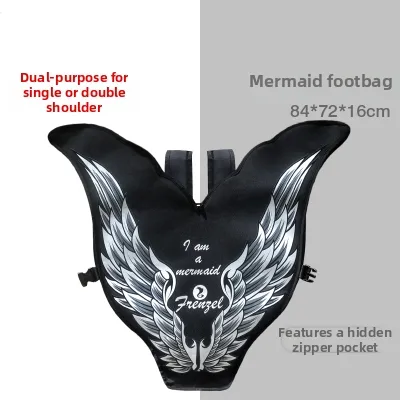
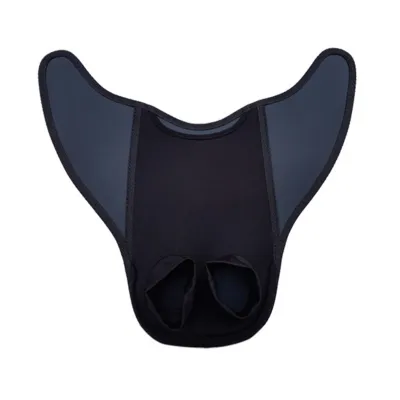
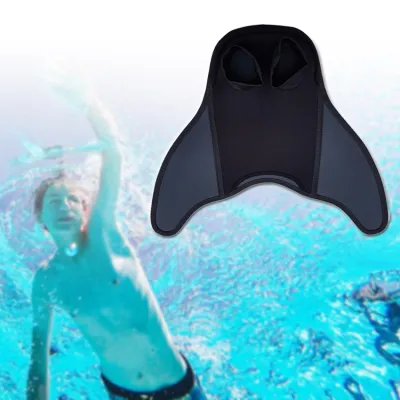
![Swimming Flippers Mermaid Tail Monofin Flippers Diving Swim Fins Training Accessories for Kid Adults [COD][Ready Stock]](https://img.lazcdn.com/g/p/c72c48d9a77d4e48e5bacbdf49076533.jpg_400x400q80.jpg_.webp)
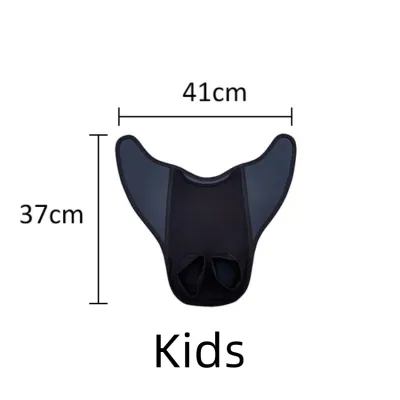
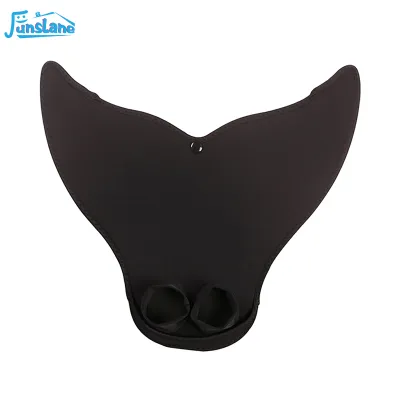
Prices are valid at publication and may change. Please refer to the product page for the latest price.
Using a blade that is too stiff for your current physical conditioning is a common mistake. If your core and leg muscles are not sufficiently trained, a stiff blade will disrupt your dolphin kick technique, leading to rapid oxygen depletion and joint strain in your knees and ankles. The high resistance forces your body to bend at the knees rather than initiating the movement from the hips, which ruins your hydrodynamic profile.
To select the correct stiffness, evaluate your training frequency and fitness level. If you dive occasionally or are new to the dolphin kick, a soft blade is highly recommended to build technique and flexibility. Intermediate divers who train regularly in local pools or open water can transition to a medium blade. Hard blades should be reserved for elite competitive freedivers and athletes with exceptional power-to-weight ratios and highly refined kick mechanics.
Choosing the Right Blade Size and Length
The physical dimensions of a monofin blade dictate how it interacts with the water and how much effort is required to move it. Long, wide blades provide the maximum surface area, generating massive thrust over long distances. However, this increased surface area also demands a higher oxygen cost, making long blades the standard choice for deep-line freediving where straight-line efficiency is paramount.

Shorter or wider blades offer a different set of advantages, primarily centered around maneuverability and ease of use. If you train in confined spaces, teach classes, or participate in pool-based disciplines, a shorter blade allows you to turn quickly without colliding with walls or other swimmers. These compact designs reduce the physical leverage acting against your joints, making them much easier to manage over extended training sessions.
Your body weight and height are critical factors when determining the ideal blade surface area. Taller or heavier divers naturally require a larger blade surface to achieve efficient propulsion, as they have more body mass to move through the water. Smaller or lighter individuals will find large blades incredibly taxing, often leading to lower back discomfort and knee strain due to the excessive torque.
Another structural feature to verify is the blade angle, which typically ranges from 20 to 30 degrees relative to the foot pocket. This angle is designed to align the blade with your shins when your ankles are fully extended. By compensating for natural human ankle flexibility limitations, an angled blade reduces joint strain and ensures that both the upward and downward phases of your kick cycle contribute to forward propulsion.
Securing the Ideal Foot Pocket Fit
A monofin’s foot pocket is the primary interface through which your leg power is transferred to the blade. To find the right size, you must measure both the length and width of your feet while standing on a flat surface. Because manufacturers use different sizing molds, always cross-reference your measurements with the specific brand’s size chart rather than relying solely on your standard shoe size.
Achieving a snug, secure fit is essential for safety and performance, but it must not restrict your circulation. A foot pocket that is too tight compresses the blood vessels in your feet, which rapidly leads to painful muscle cramps, numbness, and cold toes in the water. On the other hand, a loose pocket allows your feet to slide, causing painful friction blisters, significant energy loss during the kick, and a loss of precise control over the blade.
When selecting a foot pocket size, consider whether you will wear neoprene socks or dive barefoot. In tropical waters like those in the Philippines, many divers prefer barefoot use or thin 1.5mm socks for abrasion protection. If you plan to wear socks, you must account for this extra thickness by sizing up accordingly. Always check the manufacturer’s instructions to see if their sizing charts assume barefoot use or factor in sock thickness.
The materials used in foot pocket construction also affect your overall experience. Standard rubber pockets are highly flexible, comfortable for long sessions, and forgiving for recreational users. Thermoplastic or custom-molded silicone pockets are stiffer and heavier, offering superior power transmission and durability at the cost of a less forgiving fit. If you experience pain or persistent hot spots during a dry fitting, do not ignore these signs, as they will intensify underwater.
Matching Monofin Specifications to Your Profile
To make a practical purchasing decision, you should prioritize specifications that align with your current skill level and goals.
Beginner and Recreational Divers If you are new to monofinning or enjoy casual pool sessions, prioritize comfort and technique over raw power. Opt for a soft blade with a shorter or moderate length, paired with comfortable, standard rubber foot pockets. This combination allows you to focus on developing a fluid dolphin kick and building ankle flexibility without the risk of early fatigue or joint strain.
Intermediate and Advanced Divers For those focusing on depth freediving, long-distance training, or competitive sports, look for medium-to-hard stiffness blades. These should be paired with specialized thermoplastic or custom-molded foot pockets to ensure zero energy loss during high-intensity kicks. High-grade fiberglass or carbon fiber blades are common in this category, providing excellent spring and responsiveness.
Casual and Entry-Level Considerations If you are purchasing your first monofin, avoid paying a premium for highly specialized features like extreme carbon fiber layups, complex hydrodynamic water channels, or custom-angle foot pockets. These advanced engineering details offer marginal performance gains that are only noticeable to elite athletes. For recreational use, a high-quality polymer or basic fiberglass blade will deliver outstanding durability and performance at a fraction of the cost, typically ranging within more accessible price bands in local dive shops.
Frequently Asked Questions (FAQ)
Can I use the same monofin for freediving and mermaid swimming?
Yes, you can use the same monofin for both activities, but you will encounter performance trade-offs. Freediving monofins are engineered for maximum straight-line efficiency, depth, and distance, featuring long, stiff blades that are difficult to turn in tight spaces. Mermaid swimming monofins typically utilize shorter, highly flexible blades designed for pool maneuverability, rapid turns, and aesthetic movements, making them less efficient for deep open-water diving.
How do I know if my monofin foot pocket is too tight?
Your foot pocket is too tight if you experience physical symptoms such as numbness, tingling, cold toes, or sharp pain within a few minutes of putting it on. Visible red marks, deep indentations, or immediate chafing on your heels or instep also indicate an unsafe fit. If you experience these signs during a dry trial, stop using the fin and size up, adjust your neoprene sock thickness, or choose a foot pocket made of a softer, more flexible material.
Community discussion
Share your experience or ask a question. Comments are reviewed before publication.