
Integrating a high-quality muscle roller wheel into your yoga accessories set is one of the most effective ways to elevate your recovery routine and deepen your physical practice. While traditional yoga props like blocks and straps excel at modifying poses and extending your reach, they are not designed to release deep, stubborn muscular knots. A dedicated rolling tool bridges this gap by offering targeted myofascial release, helping you maintain tissue elasticity and joint mobility. By understanding how different materials, textures, and designs interact with your body, you can select the perfect tool to complement your practice.
Choosing the right muscle roller wheel requires a careful evaluation of its structural design, material density, and ergonomic features. This tool acts as a bridge between passive stretching and active tissue recovery, making it an essential addition to any home or studio wellness kit. Whether you are preparing your muscles for a vigorous flow or soothing them after a long, restorative session, the right roller ensures your body remains resilient and injury-free.
The Role of a Muscle Roller Wheel in a Yoga Accessories Set
Within a comprehensive yoga accessories collection, a muscle roller wheel serves a highly specialized function that standard mats, blocks, and straps cannot replicate. While a yoga mat provides traction and blocks offer structural support, these tools primarily facilitate static or dynamic stretching along the natural lines of muscle fibers. They are highly effective for lengthening tissue, but they struggle to address localized, cross-directional “knots” or fascial adhesions. These adhesions occur when muscle fibers and the surrounding fascial sheath stick together, restricting movement and causing localized discomfort.
Products mentioned in this guide
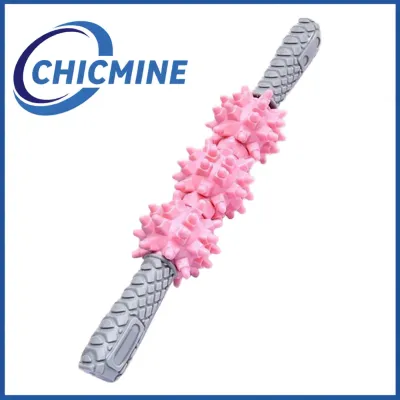
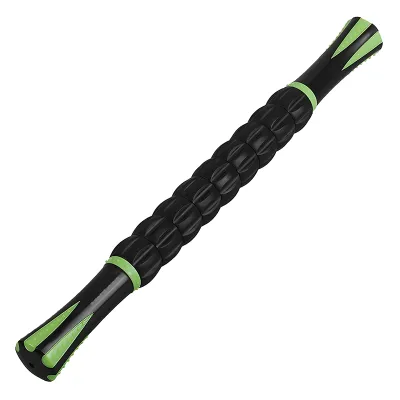
Prices are valid at publication and may change. Please refer to the product page for the latest price.
A handheld roller wheel targets these precise areas of tension through concentrated, manual pressure. Unlike a traditional full-length foam roller, which requires you to balance your entire body weight on the floor to apply pressure, a handheld wheel gives you complete control over the intensity and angle of the massage. You can easily sit on your mat and roll out your calves, quadriceps, or neck using your arm strength to regulate the depth of the release. This makes the tool exceptionally precise, allowing you to isolate small muscle groups without straining other parts of your body in awkward balancing positions.
This precision makes the roller wheel an invaluable companion for both pre-practice warm-ups and post-practice recovery. Using the wheel before a session increases local blood circulation, warms up the fascial layers, and improves your overall range of motion, allowing you to transition into deeper asanas with greater ease. After your practice, employing the wheel helps flush out metabolic waste, reduces post-exercise muscle soreness, and accelerates the recovery process. For anyone building a home or studio yoga kit, this tool completes the wellness cycle by addressing active recovery alongside structural alignment.
Key Specifications to Evaluate When Choosing a Muscle Roller Wheel
Selecting a durable and effective muscle roller wheel requires looking closely at its engineering and material composition. Because this tool is subjected to repetitive manual pressure and regular exposure to sweat, its structural integrity directly impacts both its performance and lifespan.

Material and Core Density
The core of a roller wheel is its structural backbone, and it is typically constructed from heavy-duty ABS (Acrylonitrile Butadiene Styrene) plastic or PVC. ABS is highly recommended for its exceptional rigidity, ensuring that the wheel will not flex, warp, or crack under heavy manual pressure. A flexing core absorbs the force you apply, reducing the effectiveness of the massage and causing the tool to degrade prematurely.
Surrounding this rigid core is the outer cushioning layer, which is generally made from either EVA (Ethylene-Vinyl Acetate) foam or TPE (Thermoplastic Elastomer).
- EVA Foam: This material is highly durable, offering a slightly yielding but firm surface that maintains its shape over years of use. High-density EVA provides a firm, deep-tissue massage that is excellent for breaking up stubborn adhesions.
- TPE: This is a softer, more rubber-like material that is highly slip-resistant. TPE offers a gentler touch against the skin and provides excellent grip, preventing the roller from sliding unexpectedly during use.
Surface Texture and Nodules
The texture of the outer foam layer dictates how deeply the pressure penetrates your muscle tissue. Surfaces generally fall into two categories:
- Smooth Surfaces: A smooth roller wheel distributes pressure evenly across a wider surface area. This design is ideal for gentle, superficial blood flow stimulation, sensitive muscle groups, and individuals who are new to myofascial release.
- Textured Surfaces and Nodules: Textured wheels feature multi-dimensional grids, ridges, or pointed nodules. These shapes are engineered to mimic manual therapy techniques. High, narrow ridges simulate the firm pressure of a massage therapist's fingers, while smaller, pointed nodules mimic concentrated thumb or knuckle pressure. These textured elements penetrate deeper into the fascial layers to release chronic tension, though they require a higher pain tolerance and careful control.
Ergonomics and Handle Design
Because a handheld roller wheel relies on manual leverage, the design of the handles is critical to preventing fatigue and joint strain in your hands, wrists, and forearms. Look for handles with a comfortable, non-slip grip, such as those wrapped in high-density foam or textured rubber. This is especially important in warm, humid climates where sweat can make plastic handles slippery and difficult to hold.
Additionally, verify the quality of the internal axle and bearings. The wheel should rotate smoothly around the steel axle without sticking or wobbling. High-quality ball bearings ensure a fluid rolling motion, allowing you to apply consistent pressure without sudden, jarring movements that could pinch your skin or strain your wrists.
Size and Portability
The physical dimensions of the roller wheel affect both its muscle coverage and how easily it fits into your daily routine.
- Standard/Longer Wheels (40 to 50 cm): These models allow you to cover broad muscle groups, such as the quadriceps, hamstrings, and latissimus dorsi, with fewer passes. They are highly efficient for home use but can be bulky to carry.
- Compact Wheels (25 to 35 cm): Compact versions are highly portable and easily slide into a standard yoga bag alongside your blocks and straps. While they require more precise positioning and multiple passes to cover larger muscle groups, their convenience makes them the ideal choice for yogis who regularly commute to public studios or travel.
Best Roller Wheel Types for Different Yoga Practices
Not all muscle roller wheels are suited for every style of yoga. Matching the structural design of the roller to your specific practice ensures that your recovery tool supports, rather than hinders, your physical progression.
Deep Tissue Rollers for Vigorous Yoga Styles
Practitioners of highly active, physically demanding styles such as Ashtanga, Power Vinyasa, or Hot Yoga subject their muscles to intense, repetitive contractions. This level of exertion often leads to significant lactic acid buildup, tight fascia, and deep muscular fatigue, particularly in the lower body.
For these practices, a firm, high-density ABS-core roller wheel with pronounced, deep-molded nodules is highly recommended. The rigid core and aggressive texture provide the deep, penetrating pressure required to reach the deep layers of the glutes, hamstrings, and calves.
- Limitation: These wheels can be highly painful and overly aggressive for beginners, individuals with low pain thresholds, or highly sensitive areas like the inner thighs and neck.
Soft-Core Rollers for Restorative and Yin Yoga
Yin and Restorative yoga focus on long, passive holds, joint hydration, and activating the parasympathetic nervous system. The goal of these practices is relaxation, gentle opening, and stress reduction rather than intense muscular engagement.
A soft-to-medium density EVA or TPE roller wheel with a smooth or mildly textured surface is the perfect complement to these gentle styles. These rollers gently stimulate lymphatic drainage and blood circulation without triggering a protective muscle-guarding response or causing sharp pain.
- Limitation: They lack the structural firmness and localized pressure required to break up deep, chronic knots or dense scar tissue in larger muscle groups.
Compact Rollers for Studio Commutes and Travel
For yogis who frequently travel or commute to local studios, carrying heavy or bulky equipment is impractical. In tropical urban environments, keeping your gear lightweight and portable is essential for comfortable transit.
Lightweight, compact, or modular roller wheels featuring slim profiles and shorter handles are ideal for on-the-go recovery. These designs fit easily into a backpack or tote bag without adding unnecessary bulk.
- Limitation: The smaller surface area means you must perform more targeted, repetitive strokes to cover broad muscle groups, which can extend the time required for your recovery routine.
Yoga Practice and Roller Wheel Compatibility
| Roller Wheel Type | Ideal Material & Texture | Best Yoga Style Match | Key Limitations |
|---|---|---|---|
| Deep Tissue Roller | Rigid ABS core, high-density EVA with deep nodules | Ashtanga, Power Vinyasa, Hot Yoga | Can be painful for beginners; unsuitable for highly sensitive or inflamed areas |
| Soft-Core Roller | Medium-density EVA or TPE, smooth or mild ridges | Yin, Restorative, Hatha Yoga | Insufficient pressure for deep, stubborn knots or dense muscle groups |
| Compact / Travel Roller | Lightweight plastic core, thin TPE grip, short axle | Studio commutes, travel, on-the-go practice | Requires more passes and precise targeting due to limited surface area |
Safety Guidelines for Using a Roller Wheel in Yoga Recovery
While a muscle roller wheel is an exceptional tool for self-myofascial release, improper use can lead to tissue bruising, joint strain, or nerve irritation. Prioritizing correct technique and respecting your body’s physiological limits is essential for a safe recovery practice. Always check the manufacturer’s instruction manual and safety guidelines before using a new muscle roller wheel.
Anatomical Boundaries
When using a roller wheel, you must restrict its application to the fleshy bellies of your muscles. Avoid rolling directly over bones (such as the shinbone, kneecap, or spine), joints (including the knees and elbows), the lumbar spine (lower back), and the front or sides of the neck.
Rolling over bone can cause painful bruising, while applying direct pressure to joints can strain delicate ligaments. The lower back lacks the protective rib cage of the upper back, making the kidneys and lumbar vertebrae highly vulnerable to mechanical pressure. Similarly, the front and sides of the neck contain major arteries and nerves that must never be compressed.
Pressure and Pain Management
It is vital to distinguish between productive therapeutic discomfort and harmful pain during myofascial release:
- Good Pain: This feels like a dull, aching, or localized pressure that gradually dissipates as the muscle relaxes and releases its tension. You should be able to maintain deep, steady diaphragmatic breathing throughout the process.
- Bad Pain: This is characterized by sharp, shooting, electric, radiating, or throbbing sensations. If you experience this type of pain, stop rolling immediately. It indicates that you are compressing a nerve, irritating a tendon, or damaging blood vessels.
Integration Timing
To maximize the benefits of your roller wheel, tailor your rolling technique to match the timing of your yoga session:
- Pre-Practice Warm-Up: Use light, rapid rolling strokes (approximately 1 to 2 seconds per pass) for 30 to 60 seconds per muscle group. This rapid, superficial movement stimulates local blood flow, increases tissue temperature, and prepares the nervous system for movement.
- Post-Practice Recovery: Transition to slow, deliberate passes (taking 5 to 10 seconds to travel the length of the muscle). When you encounter a highly tender spot or trigger point, pause and apply static, sustained pressure for 30 to 90 seconds while taking slow, deep breaths to encourage the muscle fibers to release.
When to Seek Professional Advice
Self-massage tools are designed for general maintenance and minor muscular tension. If you experience persistent muscle pain that lasts for more than a few days, worsens over time, or is accompanied by localized swelling, redness, heat, or numbness, do not attempt to roll it out. These symptoms may indicate an acute muscle strain, ligament sprain, or an underlying circulatory or neurological issue. Consult a physical therapist or medical professional for a proper diagnosis and treatment plan.
Frequently Asked Questions (FAQ)
Can a muscle roller wheel completely replace a standard foam roller?
A muscle roller wheel and a standard foam roller are complementary tools rather than direct substitutes. A muscle roller wheel offers superior precision and manual leverage, allowing you to target specific, hard-to-reach areas like the calves, shins, and forearms with highly controlled, user-directed pressure. It does not require you to support your body weight on the floor, making it highly accessible. Conversely, a standard foam roller relies on your body weight and is better suited for broad, passive rolling of large muscle groups, such as the upper back, and for performing chest-opening or spinal alignment exercises. Utilizing both tools within your yoga accessories set provides a comprehensive and versatile recovery system.
How do I clean and maintain my roller wheel after a sweaty yoga session?
In warm, humid climates, sweat and moisture can quickly accumulate on your yoga gear, leading to bacterial growth, unpleasant odors, and the degradation of foam materials. To maintain hygiene and preserve the lifespan of your roller wheel, wipe it down after every session with a soft, damp cloth lightly moistened with a mild, non-abrasive soap solution, such as a few drops of dish soap or baby shampoo mixed with warm water. Avoid soaking the wheel entirely, submerging the axle, or using harsh chemical disinfectants, bleach, or alcohol-based sprays, as these can dry out and crack EVA foam or TPE surfaces. Always allow the roller wheel to air dry completely in a well-ventilated, shaded indoor area before storing it in a closed yoga bag.
Community discussion
Share your experience or ask a question. Comments are reviewed before publication.