
Choosing the right plastic bangka boat requires balancing durability, stability, and your primary water activities. Unlike traditional wooden vessels, modern plastic models offer exceptional resistance to impact and marine organisms, making them highly practical for navigating shallow reefs and rocky shorelines. To make the best choice, you must evaluate how the boat’s hull design, weight capacity, and outrigger configuration align with your specific plans, whether you are heading out for a solo fishing trip or taking a group on an island-hopping adventure.
Quick Guide: Matching the Boat to Your Water Activity
Selecting a plastic bangka boat starts with identifying your primary purpose on the water. Coastal fishing demands a layout optimized for utility, featuring open deck space, secure gear storage, and high initial stability so you can stand and cast safely. Conversely, island hopping prioritizes passenger comfort, requiring dedicated seating, protection from the sun, and a hull shape that delivers a smooth ride over choppy waves.
The configuration of the hull and the outriggers, locally known as katig, must directly support these activities. A wider beam and flat-bottom design excel at keeping the boat steady when stationary during fishing sessions. For island hopping, a slightly tapered hull with streamlined outriggers helps maintain speed and efficiency when moving between distant beaches. If you plan to use the boat for both activities, prioritize the features of the task you perform most frequently, as a single setup rarely serves both extremes perfectly.
Products mentioned in this guide
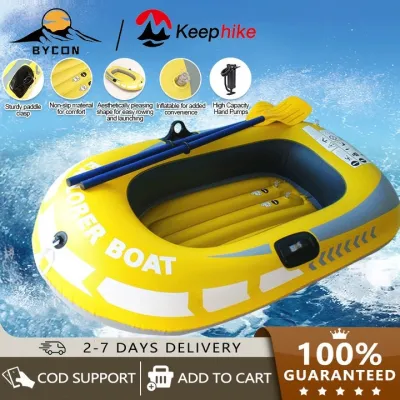
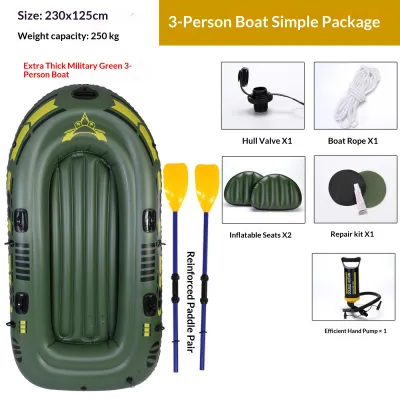
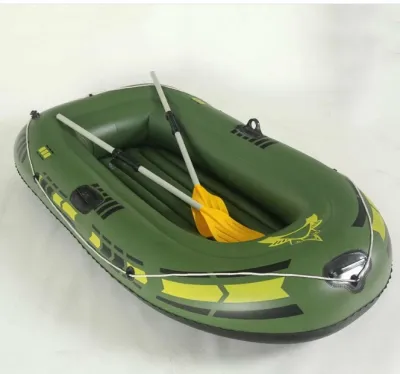
Prices are valid at publication and may change. Please refer to the product page for the latest price.
Coastal Fishing vs. Island Hopping: Defining Your Core Needs
To narrow down your options, you must define the specific features your chosen activity demands. For dedicated fishing trips, look for a boat that maximizes functional workspace. An open deck layout allows you to move freely without tripping over gear, while integrated rod holders and dedicated spaces for live wells or bait buckets keep your equipment organized. Non-slip deck surfaces are also essential, ensuring secure footing when handling wet lines or pulling in a catch.

Island-hopping trips, on the other hand, focus heavily on passenger experience. Comfortable, molded seating is a priority, along with dry storage compartments to protect electronics, towels, and extra clothing from sea spray. You should also consider how easily a canopy or bimini top can be installed to provide shade during long hours under the tropical sun.
Choosing between these two profiles involves clear trade-offs. A boat optimized strictly for fishing might feature a minimalist interior that feels sparse and uncomfortable for family outings. Conversely, a passenger-focused island hopper may have fixed benches that restrict your movement and limit where you can mount fishing accessories.
To resolve this, create a simple decision matrix before shopping. List your absolute must-have features based on your typical trip duration and the average size of your group. If most of your journeys last all day with several passengers, prioritize seating and storage; if you mostly venture out alone or with one partner at dawn, focus entirely on fishing utility.
Hull Design and Stability Features to Inspect
The physical shape of the plastic hull dictates how the boat behaves in different water conditions. Flat-bottom hulls are highly stable when the boat is stationary or moving slowly, making them excellent for shallow coastal waters and calm bays. However, they tend to ride rough in choppy seas, pounding against the waves rather than cutting through them. V-shaped or rounded hulls are designed to slice through chop, offering a much smoother and faster ride, though they may feel slightly more tippy when you are standing still.
Another critical element is the chine design, which is the angle where the bottom of the hull meets the sides. Hard chines feature a sharp, distinct angle that provides excellent initial stability and helps the boat track straight. Soft chines are rounded, allowing the boat to roll more naturally with the waves, which reduces the jarring motion felt by passengers in rougher water.
When inspecting a plastic bangka boat, perform a thorough visual check of the entire hull. Look for uniform molding across the entire surface, ensuring there are no thin spots or warping. Pay close attention to reinforced stress points along the keel and bow, and verify that the boat has adequate drainage scuppers to let water escape from the deck automatically.
Keep in mind the difference between initial and secondary stability. Initial stability is how steady the boat feels when it is flat on calm water, which is crucial for boarding and casting. Secondary stability is the boat’s resistance to capsizing when it is tilted by waves or sharp turns. A well-designed plastic hull balances both, ensuring you feel secure both at anchor and while underway.
Evaluating Plastic Thickness and Construction Quality
Assessing the durability of a plastic bangka boat requires looking closely at the material and construction methods used. High-density polyethylene is the industry standard for marine-grade plastic boats due to its high impact resistance and flexibility. When evaluating a boat, ask the seller for documented hull thickness specifications rather than relying on visual estimates alone.
Look for structural reinforcements such as molded-in ribs or double-walled hull sections. These design elements add rigidity to the plastic, preventing the hull from flexing or bending when encountering waves at speed. A quality plastic boat should feel solid to the touch, with minimal deflection when you press firmly against the sides.
Because tropical sun exposure can degrade plastics over time, verify that the material includes UV inhibitors. These chemical additives are blended into the plastic during manufacturing to prevent fading, brittleness, and cracking caused by prolonged exposure to sunlight. Check if the manufacturer offers a warranty that specifically covers UV damage or impact cracking, as this is a strong indicator of material quality.
Finally, inspect how the hardware and fittings are attached to the plastic hull. Cleats, seats, and outrigger mounts should never be screwed directly into thin plastic. Instead, look for heavy-duty bolts backed by large metal or composite backing plates on the inside of the hull to distribute the load and prevent the hardware from tearing out under tension.
Sizing, Weight Capacity, and Passenger Limits
Selecting the correct size of your plastic bangka boat is vital for safety and performance. The overall length of the boat influences how straight it tracks and how efficiently it glides through the water, with longer boats generally being faster and easier to steer. The beam, or width, of the boat directly impacts the amount of interior space available and provides the lateral stability needed to prevent tipping.
Before purchasing, calculate your typical payload requirements. Add up the weight of all potential passengers, heavy coolers, fishing gear, fuel tanks, and the outboard motor itself. Compare this total weight against the manufacturer’s certified maximum weight capacity to ensure you will not overload the vessel.
You must also consider the freeboard, which is the height of the boat’s sides above the waterline when fully loaded. A boat with low freeboard is highly susceptible to taking on water or swamping when encountering sudden waves or wake from passing vessels. Ensuring your boat has adequate freeboard is one of the most effective ways to maintain safety on open water.
Always leave a generous safety margin below the absolute maximum weight limit. If you plan to operate in rougher coastal waters or areas with strong currents, aim to keep your total payload well below the maximum capacity. This buffer ensures the boat retains its buoyancy, responsiveness, and stability when conditions unexpectedly deteriorate.
Outrigger (Katig) and Motor Compatibility Checks
The outriggers are the defining feature of a bangka boat, providing the essential lateral stability needed to keep the narrow hull upright. Inspect the connection points where the outrigger support beams attach to the plastic hull. These areas experience immense leverage and stress, so they must feature robust, through-bolted brackets or heavily reinforced lashing points that will not work loose over time.
The outriggers themselves must be properly balanced and buoyant. Whether made of traditional bamboo or modern fiberglass, they should sit at the correct height to provide support without digging too deeply into the water, which creates unnecessary drag and reduces fuel efficiency.
The transom, or rear mount where the motor attaches, requires careful evaluation. Because plastic is flexible, the transom must be reinforced with heavy-duty aluminum or composite backing plates to handle the weight, torque, and constant vibration of an outboard motor. Check for any signs of flexing or weak seams around the transom area.
Always adhere strictly to the manufacturer’s maximum recommended horsepower limit. Installing an engine that is too powerful can overstress the plastic hull, damage the transom, or cause the boat to become unstable at high speeds. Matching the motor size to the boat’s design specifications ensures safe, efficient, and reliable operation.
Frequently Asked Questions (FAQ)
Is a plastic bangka boat safe for rough seas?
Safety in rough water depends heavily on the boat’s specific hull design, the proper setup of the outriggers, and the skill of the operator. While high-density plastic is highly durable and impact-resistant, small open boats are not designed to handle heavy swells or severe storms. Always check local weather forecasts and maritime safety advisories before heading out, and return to shore if wave heights begin to exceed your boat’s capabilities.
How do I maintain the plastic hull to prevent fading or cracking?
To keep your plastic hull in top condition, rinse the entire boat thoroughly with fresh water after every saltwater excursion to remove salt crystals and grime. Store the boat in a shaded area or under a breathable UV-resistant cover when it is not in use to protect it from intense sunlight. Additionally, apply a marine-grade UV protectant spray recommended by the manufacturer, and avoid using harsh chemical solvents or abrasive scrubbers that could damage the plastic surface.
Community discussion
Share your experience or ask a question. Comments are reviewed before publication.