
To choose the right pool noodle, you must match its physical properties—specifically foam density, core structure, and dimensions—to your body weight and intended water activity. Whether you are using it for targeted swimming drills, high-resistance water aerobics, or casual lounging in a backyard pool, the right noodle provides the exact level of buoyancy and flexibility you need.
However, before taking any foam noodle into the water, it is vital to establish a fundamental safety boundary: pool noodles are designed solely as recreational playthings or training aids. They are not certified personal flotation devices (PFDs) or life-saving equipment. They cannot replace swimming proficiency, active adult supervision for children, or professional water safety training. If you or your child cannot swim confidently, always wear a certified life jacket rather than relying on a flexible foam tube.
Selecting the perfect noodle pool accessory involves evaluating how the foam behaves under pressure and how well it resists the harsh environmental conditions of local swimming pools. In tropical climates, factors like intense sunlight, high humidity, and heavy chlorine exposure can rapidly degrade low-quality foam, turning a useful swim aid into a crumbling mess. By understanding the differences in foam construction, you can select a durable option that supports your fitness goals or recreational activities season after season.
Products mentioned in this guide
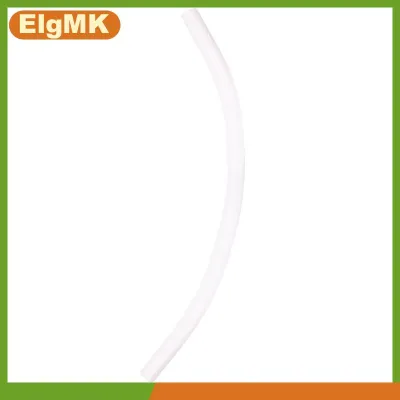
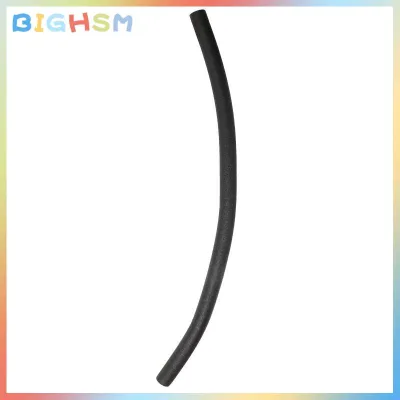
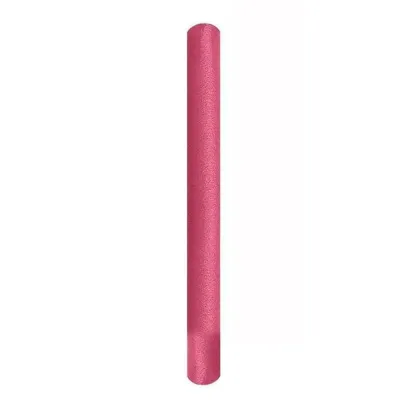
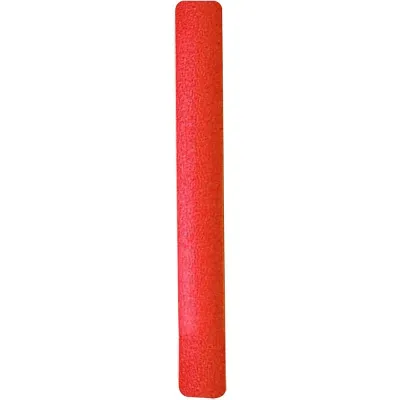
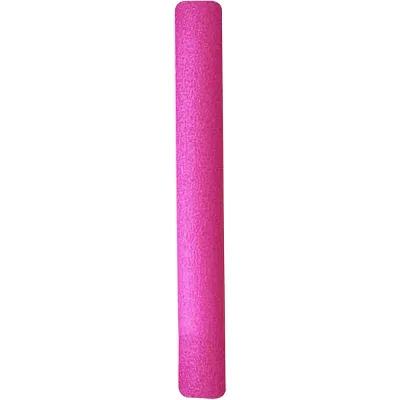
![Pomely [COD&Local] Floating Pool Noodle Foam Tube Kid Float Swim Rods Solid Kindergarten Gymnastics Sponge Stick](https://img.lazcdn.com/g/p/5fc14c675ae182ed1469f01c1bb2a36c.jpg_400x400q80.jpg_.webp)
Prices are valid at publication and may change. Please refer to the product page for the latest price.
Define Your Primary Water Activity and Support Needs
Before browsing online marketplaces or sports retail shelves, clearly define how you plan to use your pool noodle. Different water activities require vastly different levels of structural support, flexibility, and resistance. If you try to use a highly flexible, low-density recreational noodle for a vigorous water aerobics class, you will likely find it frustratingly inadequate. Conversely, a stiff, high-density solid noodle might be too cumbersome for a child playing casual pool games.
For swimming practice and training drills, your primary need is targeted support for specific parts of the body. Beginners and intermediate swimmers often use noodles to isolate their leg kicks or arm strokes. For instance, placing a noodle under the armpits and across the chest allows a swimmer to keep their head comfortably above water while focusing entirely on perfecting their flutter kick. This requires a noodle with moderate firmness—rigid enough to hold its shape under the weight of your upper body, yet flexible enough to contour comfortably around your chest without chafing.
Water aerobics and aquatic fitness classes demand a completely different set of physical properties. In these workouts, the pool noodle serves as a resistance tool rather than a passive floating aid. When you push a noodle underwater during leg presses, core twists, or arm sweeps, the water’s natural buoyancy resists your movement, creating a low-impact strength workout. For this purpose, you need maximum stiffness and high resistance to bending. A flimsy noodle will simply fold in half when pushed against the water, eliminating the resistance and rendering the exercise ineffective.
Recreational play and casual lounging prioritize comfort, lightweight handling, and high flexibility. If your main goal is to float lazily in a resort pool or play water games with family, you want a noodle that is soft to the touch and easy to bend. These noodles do not need to support your entire body weight rigidly; instead, they should easily wrap around your back or under your knees to keep you semi-submerged and cool in the tropical heat.
If you participate in a mix of these activities, it is highly recommended to prioritize your most frequent use case. Trying to find a single noodle that perfectly handles high-intensity water aerobics and casual, soft lounging is nearly impossible due to the conflicting physical requirements of stiffness and flexibility. If your budget and storage space allow, purchasing separate, specialized noodles for fitness and recreation is the most practical approach to ensure safety and comfort in the water.
Match Foam Density and Buoyancy to Your Body Weight
The buoyancy of a pool noodle is directly determined by its foam density and overall volume. Understanding how different foam densities interact with your body weight is crucial for selecting a noodle that keeps you at the desired flotation level without requiring constant physical effort to stay balanced.

High-density foam is characterized by tightly packed, microscopic air pockets within the material. This dense structure makes the noodle feel firm, heavy, and highly resistant to squeezing. Because there is more material packed into the same space, high-density noodles displace water highly efficiently, providing superior upward buoyant force. This makes them the ideal choice for adults, larger individuals, or anyone engaging in heavy resistance training. A high-density noodle will easily support an adult’s torso without sinking or bending excessively under pressure.
In contrast, low-density foam features larger, more loosely packed air pockets. This results in a very soft, squishy texture that is highly flexible and lightweight. While these noodles are incredibly comfortable to hold and easy for children to maneuver, they offer significantly less buoyancy. Under the weight of an adult, a low-density noodle will compress and submerge easily, failing to provide adequate flotation support. These are best reserved for children’s play or light, passive floating where complete body support is not required.
When shopping, establish a reliable framework for checking manufacturer weight limits and buoyancy ratings. While pool noodles rarely feature precise weight-capacity stamps like certified life jackets do, reputable manufacturers often provide guidelines in their product descriptions. Look for terms such as “heavy-duty,” “extra-buoyant,” or specific user-age recommendations on product labels. If you are purchasing from an online store, read the specifications carefully to check the physical weight of the noodle itself; a heavier shipping weight for a single noodle usually indicates a higher-density foam with greater buoyancy.
It is also important to consider the physical trade-offs between maximum flotation support and ease of use. While a highly buoyant, high-density solid noodle is excellent for keeping you afloat, it requires significant physical strength to submerge during underwater exercises. If a noodle’s buoyancy is too high for your current fitness level, attempting to hold it underwater can cause it to slip out from under your feet or hands, popping up rapidly to the surface. This sudden release can cause you to lose your balance or even sustain minor injuries. Always choose a density that matches your physical strength and the specific exercises you plan to perform.
Choose the Right Dimensions and Core Structure
The physical dimensions and internal structure of a pool noodle dictate how it fits your body and how easily you can control it in the water. Selecting the wrong length, diameter, or core design can lead to physical fatigue, poor posture during swim drills, or premature product failure.
Length options typically range from 120 to 160 centimeters. Choosing the right length depends on your body size and the level of coverage you require. A longer noodle, measuring around 150 to 160 centimeters, is ideal for full-body support. It provides enough length to wrap completely around an adult’s back and under both arms, or to support both the head and knees simultaneously during horizontal floating exercises. Shorter noodles, measuring under 120 centimeters, offer superior maneuverability. They are excellent for children who would otherwise be overwhelmed by a long, unwieldy tube, and they are highly practical for targeted kickboard drills in crowded public lanes where a long noodle would constantly collide with other swimmers.
The diameter of the noodle directly influences both your grip comfort and the surface area available for flotation. Standard diameters generally range from 6 to 10 centimeters. Children and adults with smaller hands often find it difficult to maintain a secure grip on a thick, 10-centimeter noodle during an extended swimming session, leading to hand cramps and forearm fatigue. For these users, a thinner diameter of 6 to 7 centimeters is much more comfortable and manageable. However, keep in mind that a wider diameter provides exponentially more buoyancy because it displaces a larger volume of water. For adult fitness and heavy-duty flotation, a thicker diameter is almost always necessary to prevent the noodle from sinking under load.
The internal design of the noodle is another critical factor, dividing products into hollow-core and solid-core categories. Hollow-core noodles feature a circular hole running through the center of the tube. This design makes the noodle incredibly lightweight, highly flexible, and easy to bend into tight curves or U-shapes. They are also very easy to cut with a standard utility knife, making them popular for DIY pool games or custom-sized swim aids. However, the hollow center means there is less actual foam material, which reduces the overall buoyancy and makes the noodle more prone to kinking, creasing, and tearing under heavy stress.
Solid-core noodles, on the other hand, are packed with solid foam from the outer surface to the very center. This solid construction makes them significantly more durable, rigid, and buoyant than their hollow counterparts. While they are heavier to carry and much harder to bend into tight shapes, they resist collapsing under adult body weight and maintain their structural integrity over years of intense pool use. For serious water aerobics, adult swim training, or long-term durability, solid-core designs are consistently the superior choice.
Evaluate Material Quality and Pool Durability
The chemical composition and manufacturing quality of a pool noodle determine how well it survives the harsh environment of a swimming pool. Chlorine, saltwater, high temperatures, and intense ultraviolet (UV) radiation from the sun are all highly destructive to low-quality foam materials.
When evaluating materials, closed-cell foam is the absolute industry standard for water resistance and hygiene. Closed-cell foam is manufactured in a way that seals each individual air pocket, preventing water from entering the material. This is in stark contrast to open-cell foam, which behaves like a household sponge, absorbing water rapidly. An open-cell noodle will quickly become waterlogged, heavy, and lose its buoyancy. Furthermore, the trapped moisture inside open-cell foam creates a perfect breeding ground for mold, mildew, and bacteria, leading to unpleasant odors and potential skin irritation. Always verify that the product description explicitly states “closed-cell foam” or “extruded polyethylene.”
In tropical regions like the Philippines, where the sun’s rays are exceptionally strong, UV degradation is a major threat to pool gear. To ensure your noodle survives more than a few pool sessions, perform visual and tactile checks before purchasing. Look for noodles that feature a smooth, shiny, skin-like outer layer. This outer skin acts as a protective barrier, shielding the delicate inner foam from UV rays and chemical attack. When inspecting a noodle in person, press your fingernail firmly into the surface; high-quality foam should spring back immediately without leaving a permanent dent, crumbling, or releasing a powdery residue. Avoid noodles that feel dry, chalky, or show visible flaking, as these will quickly disintegrate in chlorinated water, leaving tiny foam debris that can clog your pool’s filtration pump.
Safety should always be a primary consideration, especially since pool noodles come into direct, prolonged contact with bare skin. Many budget-friendly foam products contain harmful chemical additives, such as heavy metals or industrial plasticizers (phthalates), to make the plastic more flexible. Because children often bite, chew on, or hug these noodles during play, it is vital to verify safety claims. Look for product specifications that certify the material is non-toxic, BPA-free, and phthalate-free. Checking for these safety standards on the manufacturer’s packaging or official online store description ensures a safer swimming environment for your entire family.
Build Your Shortlist and Pre-Purchase Checklist
To avoid buyer’s remorse and ensure you get a pool noodle that perfectly matches your needs, it is helpful to follow a structured filtering process before making your final purchase. By systematically evaluating your options, you can narrow down the vast selection available on online marketplaces and in local sporting goods stores.
Start your filtering process by matching the user to the correct core structure and density. If the noodle is for an adult’s water fitness class, immediately filter out low-density, hollow-core options, focusing exclusively on high-density, solid-core models. Next, select the dimensions based on the user’s physical size; choose a comfortable grip diameter (6 to 7 cm for children or smaller hands, 8 to 10 cm for maximum adult buoyancy) and a length that matches the required level of body support. Finally, filter your remaining options by material quality, ensuring you only select closed-cell foam with a UV-resistant outer skin.
When purchasing online, exercise caution and perform essential pre-purchase checks. Many online sellers use generic, highly stylized stock images that make thin, low-quality noodles appear thick and robust. Do not rely on these photos to judge size or quality. Instead, scroll down to the product details section and verify the exact physical measurements—specifically the length, diameter, and weight. If a listing lacks these basic specifications, contact the seller directly or look for an alternative product with transparent labeling.
Additionally, take the time to thoroughly review user feedback on the product page. Look specifically for comments regarding long-term durability, buoyancy retention, and initial chemical odors. While a slight plastic smell is normal for newly manufactured closed-cell foam, a strong, persistent chemical odor that does not fade after a few days of outdoor airing can indicate the use of low-grade, potentially toxic materials. Pay close attention to reviews from buyers who have used the noodle in outdoor pools under direct sunlight, as their experiences will give you the most accurate picture of how well the foam resists flaking and fading over time.
Frequently Asked Questions (FAQ)
Can adults use standard pool noodles for water aerobics?
Standard pool noodles, which are typically hollow-core and made from low-density foam, are generally unsuitable for adult water aerobics. These lightweight noodles do not provide enough buoyancy to support an adult’s body weight during intense exercises, and they lack the structural stiffness required to create effective underwater resistance. For a proper water workout, adults should look for high-density, solid-core noodles specifically designed for fitness. Always check the product packaging or online specifications to verify that the noodle is rated for adult use and heavy resistance training.
How do I clean and store a pool noodle to prevent mold?
To maximize the lifespan of your pool noodle and prevent the growth of mold or mildew, proper post-swim care is essential. After every use, thoroughly rinse the noodle with clean, fresh water to remove chlorine, salt, and pool chemicals that can slowly degrade the foam. Allow the noodle to air-dry completely in a well-ventilated area, keeping it out of direct sunlight during the drying process to prevent UV damage. Once dry, store the noodle horizontally in a cool, dry place away from extreme heat sources. Avoid leaving noodles compressed under heavy objects, as this can permanently deform the foam and reduce its buoyancy.
Community discussion
Share your experience or ask a question. Comments are reviewed before publication.