
Choosing a portable rowing machine for a compact condominium in the Philippines requires balancing your fitness goals with the realities of high-density urban living. Unlike spacious commercial gyms, a typical studio or one-bedroom unit in Metro Manila demands multi-functional layouts where every square meter counts. To find a machine that delivers a rigorous full-body workout without obstructing your daily living space, you must evaluate its active footprint, storage configuration, noise output, and portability.
A successful purchase hinges on selecting a model that integrates seamlessly into your home environment. This means looking beyond basic aesthetic appeal and focusing on verifiable physical dimensions, structural mechanisms, and mechanical specifications. By matching these technical details to your specific living conditions, you can maintain an active lifestyle without sacrificing the comfort and order of your home.
Measure Your Condo Space for Use and Storage
Before browsing online marketplaces or visiting local fitness showrooms, you must obtain precise measurements of your designated workout area. A rowing machine requires a significantly larger operational area than other cardio equipment like stationary bikes. This operational space, known as the active footprint, must accommodate the full length of the slide rail as well as the physical clearance needed for your body to lean back at the end of each stroke.
Products mentioned in this guide
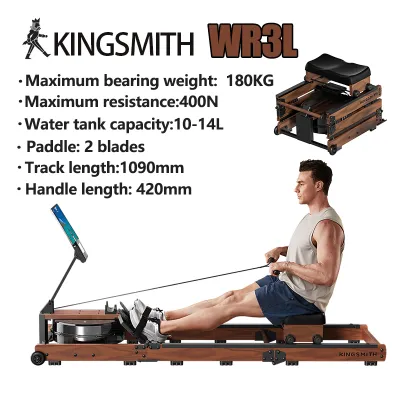
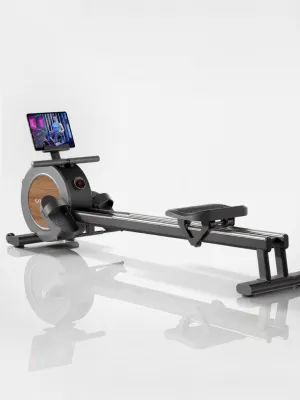
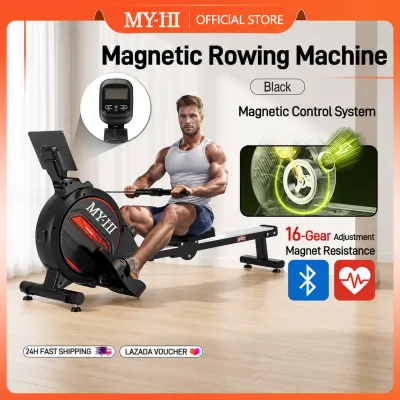
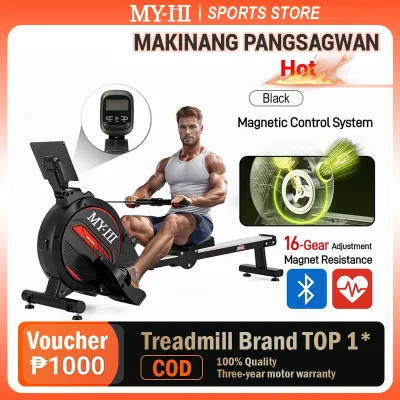
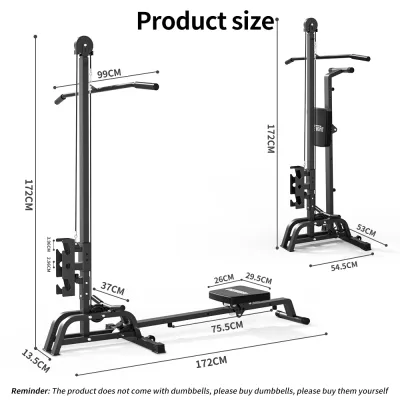
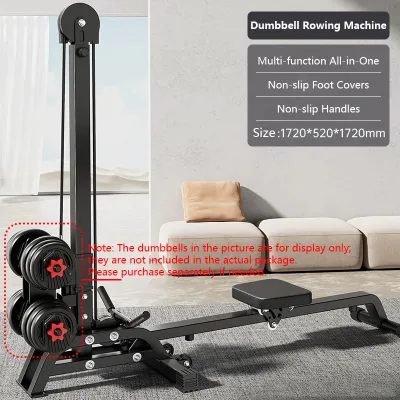
Prices are valid at publication and may change. Please refer to the product page for the latest price.
To determine your active footprint requirements, measure a clear rectangular space on your floor. As a general rule, you will need a continuous length of at least 2.2 to 2.5 meters and a width of approximately 1 meter. This width ensures you have enough elbow room to execute proper rowing form without hitting nearby furniture or walls.
Next, evaluate your storage footprint, which is the space the machine occupies when folded or stood upright. If you plan to store the machine vertically, measure your ceiling height carefully. Many modern condominiums in the Philippines feature dropped ceilings or low clearances due to overhead air conditioning ducts, often resulting in a floor-to-ceiling height of 2.4 meters or less. Ensure the vertical height of the stored machine is at least 15 to 20 centimeters lower than your ceiling to allow safe lifting and lowering.
Finally, map out the transit path from your building’s entrance to your unit. Measure the door width of the service elevator, the clearance of tight hallway corners, and your main entryway. A portable rowing machine that cannot navigate a narrow hallway turn or fit inside a standard residential elevator will present major delivery and installation challenges.
Identify True Space-Saving Design Features
Portability in fitness equipment is defined by how easily a machine transitions from an active workout tool to a hidden household item. Manufacturers use several structural designs to achieve this, and understanding these mechanisms will help you choose the best fit for your daily routine.

The most common space-saving designs are folding frames and upright standing frames. Folding rowers typically feature a hinge in the middle of the slide rail, allowing the rear half to fold upward. While this reduces the overall length, it often increases the machine’s width or height, creating a bulky shape that may not fit into tight closets. Upright standing models, on the other hand, do not fold but are designed to store vertically on their front stabilizer feet. If you opt for an upright model, verify if the manufacturer includes a safety strap or wall-anchoring kit to secure the machine, preventing accidental tipping during seismic activity or if bumped by pets.
Maneuverability is another critical factor for condo dwellers who must move their equipment after every workout. Look for built-in transport wheels integrated into the front stabilizer bar. These wheels should ideally be made of non-marking polyurethane or soft rubber to protect delicate flooring materials like vinyl planks, laminate, or polished engineered wood from scratches.
Additionally, check the total weight of the machine. A rowing machine weighing over 35 kilograms can be difficult for a single person to lift and roll across a room, even with wheels. For maximum portability, consider modular or detachable frame designs. These models allow you to quickly separate the slide rail from the heavy flywheel housing using a quick-release pin, making it easy to store the components separately under a bed or inside a wardrobe.
Match Resistance Types to Apartment Living
The heart of any rowing machine is its resistance system, which directly dictates the noise level, maintenance requirements, and overall physical size of the equipment. In a shared-wall condominium environment, selecting the wrong resistance type can lead to noise complaints from neighbors or disrupt other members of your household.
Magnetic resistance is widely considered the most practical option for high-rise apartment living. These machines use a series of magnets positioned near a metal flywheel to create resistance. Because there is no physical contact between the magnets and the flywheel, the operation is virtually silent. This allows you to complete high-intensity workouts early in the morning or late at night without transmitting vibrations or loud noises through thin condo walls. Furthermore, magnetic rowers tend to have compact, streamlined frames that fit easily into smaller rooms.
Water resistance rowers utilize a paddle rotating inside a water-filled tank to generate resistance, offering a highly realistic rowing feel and a soothing, natural swooshing sound. Many water rowers are constructed from premium hardwoods, allowing them to double as attractive furniture pieces when stored upright. However, they present unique challenges for small spaces. The water tank adds significant weight, making the machine harder to move. Additionally, the tropical humidity in the Philippines can encourage algae growth inside the tank, requiring you to perform regular maintenance by adding water purification tablets and periodically replacing the water.
Air resistance rowers use a fan flywheel that draws in air to create resistance. While they are the standard for competitive training, they are generally unsuitable for small condos. The fan blades produce a loud, high-pitched wind noise that increases in volume the harder you pull. In an enclosed apartment, this noise can be highly disruptive to television viewing, conversations, and neighbors. Air rowers also tend to have the largest physical footprints, making them difficult to store in tight spaces.
Hydraulic piston rowers represent the smallest and most budget-friendly category. They rely on fluid-filled cylinders attached to the rowing arms to provide resistance. While they are exceptionally compact and can easily slide under most beds without disassembly, they do not replicate a natural rowing motion. The cylinders can also become extremely hot during workouts, requiring careful handling, and they may suffer from fluid leaks over time if subjected to heavy use.
Verify Ergonomics and Weight Capacity
When prioritizing portability and space-saving designs, you must ensure that structural integrity and user safety are not compromised. A machine that is too light or poorly constructed can flex, slide, or tip over during use, leading to potential injury.
Begin by verifying the manufacturer’s certified maximum user weight capacity. To ensure long-term durability and safety, select a machine with a weight limit that exceeds your actual body weight by a margin of at least 15 to 20 percent. This safety buffer is necessary because the dynamic forces generated during a vigorous rowing stroke place significantly more stress on the frame and slide rail than your static body weight.
Next, check the slide rail length against your personal physical measurements. A common drawback of ultra-compact rowers is a shortened slide rail, which can prevent taller users from achieving a full leg extension. To verify compatibility, measure your inseam length and compare it to the manufacturer’s specifications. If the rail is too short, your seat will strike the rear stopper before your legs are fully straight, which disrupts proper rowing mechanics and can lead to knee or lower back strain.
Finally, examine the stability features of the frame. Look for wide stabilizer bars equipped with adjustable leveling feet. These leveling feet allow you to compensate for slightly uneven flooring, which is common in tiled or concrete-slab condominiums. The footplates should be wide, slip-resistant, and equipped with heavy-duty adjustable straps to keep your feet securely anchored, preventing the machine from shifting or sliding across smooth floors during high-tempo workouts.
Build Your Final Specification Checklist
To make an informed purchasing decision, compile a side-by-side comparison of your shortlisted models using a structured verification framework. This systematic approach ensures you do not overlook critical physical or operational details before committing to a purchase.
First, create a checklist of physical dimensions, comparing the active footprint against your measured workout space, and the folded dimensions against your designated storage area. Note the total weight of each machine and confirm the presence of non-marking transport wheels.
Second, verify the power requirements of each model. Some advanced magnetic rowers require a continuous connection to a standard electrical outlet to power their digital consoles and motorized resistance adjusters. In a compact condo, this can create a tripping hazard and limit where you can set up the machine. Opting for self-powered models or consoles that run on standard batteries will keep your workout space clean and free of trailing cables.
Lastly, review the warranty terms and the availability of local after-sales support in the Philippines. The country’s warm, humid climate can accelerate the wear of rubber drive belts, bungee cords, and electronic components. Choosing a brand with an authorized local distributor or service center ensures you can easily source replacement parts and professional maintenance support, protecting your investment for years to come.

Community discussion
Share your experience or ask a question. Comments are reviewed before publication.