
To maintain optimal spin, control, and accuracy on the golf course, a quick absorbent towel must balance rapid moisture-wicking material, a dual-textured surface for scrubbing and polishing, a manageable size that fits your carrying style, and a secure attachment system. In tropical climates where high humidity and sudden afternoon downpours are common, keeping your clubs and golf balls dry and free of mud is essential for consistent ball striking. A damp club face or a mud-caked groove can severely compromise your shot, causing unpredictable flyers or loss of spin on crucial approach shots. Selecting the right towel is not just about aesthetics; it is a functional decision that directly impacts your performance on every hole.
Evaluating Material and Absorbency for Wet Conditions
When playing in humid environments, the material of your golf towel dictates how quickly it can dry after a sudden downpour or a thorough club washing. Traditional cotton towels are known for their initial softness and high water retention, but they tend to hold onto moisture for extended periods. In high-humidity settings, a saturated cotton towel becomes heavy, sags on your bag, and struggles to dry during a four-hour round. This persistent dampness can transfer moisture back onto your hands or club grips, which compromises your hold on the club.
Microfiber blends, typically composed of polyester and polyamide, offer a highly efficient alternative for on-course maintenance. These synthetic fibers are split to create microscopic channels that pull water away from surfaces through capillary action, allowing the towel to absorb several times its weight in water. Because the fibers are incredibly fine, they also release moisture much faster than cotton when exposed to air. This rapid evaporation rate ensures that even if you experience a heavy tropical shower on the back nine, your towel can dry out relatively quickly while hanging from your bag.
Products mentioned in this guide
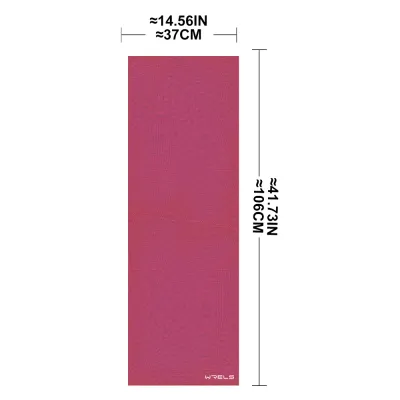
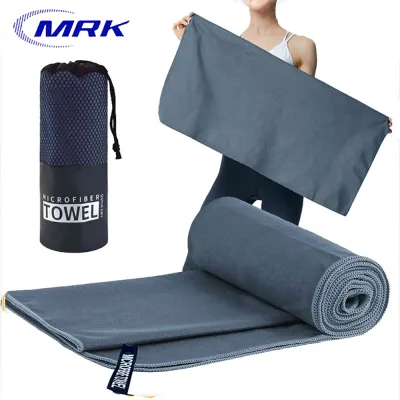
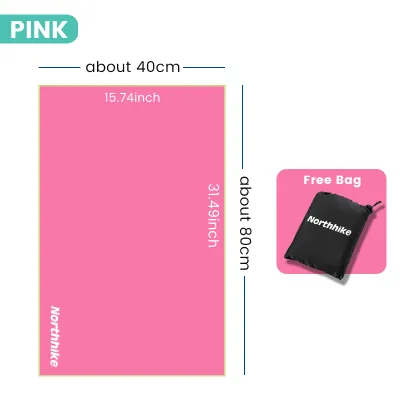
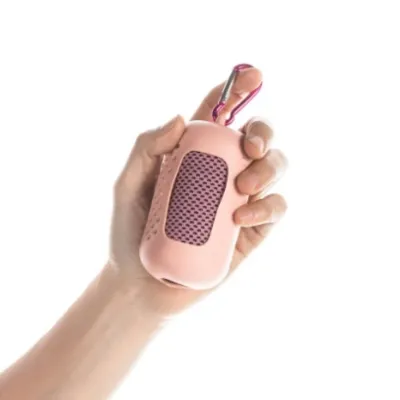
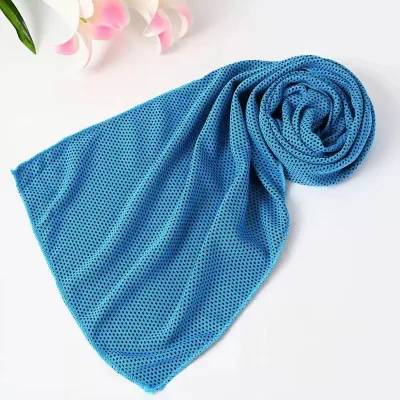
Prices are valid at publication and may change. Please refer to the product page for the latest price.
Weight and thickness are critical trade-offs to evaluate when choosing your towel. A thick, plush towel might feel luxurious, but once it absorbs water, the added weight can make your golf bag significantly heavier, especially if you prefer to walk the course. Lightweight microfiber options provide excellent absorbency without the physical bulk, keeping your bag balanced and easy to carry. Look for product specifications that detail the fabric weight, often measured in grams per square meter (GSM), to find a balance between plush cleaning power and lightweight portability.
Another common challenge in warm, damp climates is the rapid development of musty odors and mildew. When a wet towel is folded and stored in an enclosed pocket of a golf bag after a round, bacteria thrive in the trapped moisture. To combat this, many modern quick absorbent towels feature specialized structural weaves that promote airflow, or they are treated with antimicrobial agents during manufacturing. Checking product labels for quick-dry certifications or odor-resistant properties can save you from dealing with a sour-smelling bag during your next weekend game.
Choosing the Right Texture for Dirt Removal and Polishing
The texture of your golf towel determines how effectively it can clear debris from different parts of your equipment. For cleaning club faces and deep grooves, a flat, smooth fabric is rarely sufficient. Mud, clay, and grass clippings easily lodge themselves into the scoring lines of your irons and wedges, requiring a textured surface to dislodge them. A waffle-weave pattern is highly effective for this task, as the recessed squares act like tiny scrapers that lift dirt out of the grooves without scratching the metal.

Conversely, cleaning a golf ball or wiping down a delicate driver crown requires a gentler touch. A rough, debris-filled texture can drag abrasive sand particles across polished club heads, leading to fine scratches and swirl marks over time. For these tasks, a plush, deep-pile microfiber or a smooth chamois-style surface is ideal. These softer textures gently lift dust, moisture, and grass stains from the ball’s cover, ensuring a clean surface for putting without damaging the outer finish of your premium clubs.
To enjoy both benefits, many golfers opt for dual-sided or multi-textured designs. These towels feature a heavy-duty waffle weave on one side for scrubbing irons and wedges, and a softer, smoother microfiber on the reverse side for wiping golf balls, glasses, or hands. Some advanced designs even incorporate a wet-and-dry system, where an inner pocket remains wet for scrubbing while the outer shell stays dry for polishing. This separation ensures you always have the correct texture and moisture level available for any cleaning task on the course.
Selecting the Ideal Size for Coverage and Bag Storage
Finding the right towel size is a matter of balancing cleaning surface area with the practical limits of your golf bag. Standard golf towels typically measure around 40 by 50 centimeters, providing ample space for general cleaning throughout an eighteen-hole round. Oversized caddie towels, which can measure up to 50 by 100 centimeters, are favored by players who need to clean multiple clubs simultaneously or want to keep one end of the towel wet while keeping the other end completely dry. However, these larger towels can easily drape onto the ground or get caught in the wheels of a push cart if not hung carefully.
The folded footprint of the towel is another key consideration, especially if you prefer a clean, uncluttered bag setup. A towel that is too bulky will struggle to fit into side pockets or designated towel compartments when not in use. If you use a compact stand bag or a lightweight carry bag, a smaller, highly compressible microfiber towel is often the most practical choice. It can be stuffed into a small pocket without bulging or adding unnecessary volume to your gear.
For many players, using multiple smaller towels is more efficient than relying on a single large one. You can dedicate one small, wet microfiber towel specifically for cleaning muddy club heads and golf balls, and hang a separate, dry towel near your bag handle solely for drying your hands and face. This division of labor prevents you from accidentally wiping mud or grass onto your hands right before a crucial shot, keeping your grip dry and secure throughout the day.
Comparing Attachment Methods for Easy On-Course Access
A golf towel is only useful if it remains securely attached to your bag or cart and is easily accessible when you need it. Traditional attachment methods include built-in metal grommets, carabiner clips, and snap-button loops. These classic systems are highly reliable, ensuring that your towel will not fall off when walking through rough terrain or driving over bumpy cart paths. Carabiners allow you to clip the towel directly to the accessory ring of your golf bag, keeping it suspended at a convenient height.
Magnetic attachment systems have gained significant popularity for their convenience, particularly for golfers who ride in motorized carts. These towels feature a strong, integrated magnet that allows you to stick the towel directly to the metal frame of the cart, the club head of an iron, or even your wedge face while you are on the green. This eliminates the need to bend down to pick up your towel or walk back to your bag just to clean your ball before putting. When evaluating magnetic options, it is important to check the holding strength of the magnet to ensure it will not shake loose during transit.
Regardless of the attachment method you choose, you must verify that the hardware is made of non-scratch materials. Metal carabiners or exposed magnetic housings can rub against graphite club shafts or the painted finishes of your golf bag, leading to unsightly wear and tear. Look for towels that use rubber-coated clips, plastic carabiners, or fabric-shrouded magnets to protect your expensive equipment from accidental scratches while moving around the course.
Maintaining Absorbency and Extending Towel Lifespan
To keep your quick absorbent towel performing at its best, proper maintenance is essential. The most critical rule of caring for microfiber golf towels is to avoid using fabric softeners or dryer sheets during the laundry cycle. Fabric softeners work by coating fibers with a thin layer of synthetic chemicals to make them feel softer, but this coating clogs the microscopic channels in microfiber, drastically reducing its ability to wick moisture and absorb water. Instead, wash your towels with a mild, liquid detergent and skip the softener entirely.
Your washing routine should focus on removing the specific contaminants encountered on a golf course, such as embedded soil, grass stains, and oily sunscreen residue. Washing the towel in warm water helps loosen these particles from the tight weave of the microfiber. If the towel has accumulated heavy mud, rinse it thoroughly under running water immediately after your round before throwing it into the washing machine. Air drying is highly recommended for microfiber, as excessive heat in a clothes dryer can melt the synthetic fibers, causing them to lose their soft texture and absorbent qualities.
Over time, even the highest-quality towels will begin to degrade from constant exposure to UV rays, friction, and repeated washing. You can identify when your towel needs replacement by looking for visual and tactile signs of wear. If the fabric feels stiff, scratchy, or thin, or if water beads up on the surface instead of being instantly absorbed, the fibers have likely broken down or become permanently clogged. Replacing your towel when these signs appear ensures that you always have a reliable tool to keep your equipment clean and dry.
Frequently Asked Questions (FAQ)
Can I use a regular bath towel instead of a specialized golf towel?
While a regular cotton bath towel can wipe away dirt, it is generally too bulky and heavy for practical use on the golf course. Standard bath towels lack specialized attachment points, meaning you must either drape them over your clubs—where they can easily fall off—or stuff them into a pocket, taking up valuable storage space. Additionally, household cotton towels dry much slower than microfiber golf towels, meaning they will remain damp and heavy throughout a humid round, potentially transferring moisture to your grips.
How often should I wash my golf towel during a multi-day tournament?
It is highly recommended to rinse or wash your golf towel after every single round during a multi-day tournament. Playing consecutive rounds allows dirt, sand, and grass oils to build up on the fabric, which can then transfer back onto your club faces and golf balls during subsequent play. To ensure you always have a clean, dry towel ready, consider carrying a backup towel in your bag so you can rotate them while one is being washed and air-dried overnight.
Community discussion
Share your experience or ask a question. Comments are reviewed before publication.