
To find the ideal quick-dry microfiber towel for golf in the Philippines, you must prioritize a high polyamide content for absorption, a waffle-weave texture for dirt clearance, and a lightweight density that dries rapidly despite intense tropical humidity. Playing 18 holes in local conditions means battling constant moisture, whether from sudden afternoon downpours, heavy morning dew, or persistent sweat. A standard cotton towel quickly becomes a heavy, soggy, and mildew-prone liability on your bag. By selecting a specialized microfiber towel designed to release moisture quickly and attach securely to your gear, you ensure your clubs, grips, and hands remain dry and clean for every single swing.
Identifying the Right Features for High-Humidity Rounds
Playing golf in the Philippines presents unique environmental challenges that directly affect your gear’s performance. The country’s tropical climate is characterized by high ambient humidity, which frequently exceeds 80 percent. In such saturated air, the rate of natural evaporation slows down dramatically. When you use a traditional cotton towel to wipe away sweat or clean your clubs, the moisture remains trapped within the thick fibers. Instead of drying out over the course of a few holes, a cotton towel stays damp, heavy, and increasingly ineffective as your round progresses.
A high-quality quick-dry microfiber towel solves this issue through advanced capillary action. Microfiber is engineered by splitting synthetic fibers into extremely fine strands that are a fraction of the width of a human hair. These split fibers create a vast network of microscopic channels that pull moisture away from surfaces and distribute it across a much larger surface area. This structural design allows the towel to dry significantly faster than natural fibers, even when the surrounding air is thick with humidity.
Products mentioned in this guide
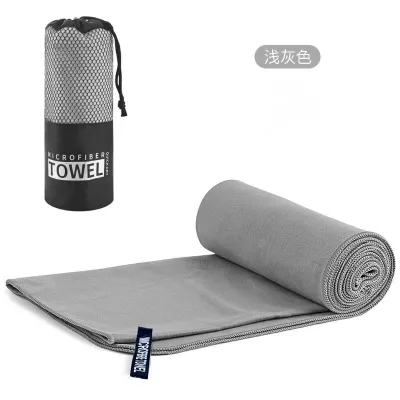
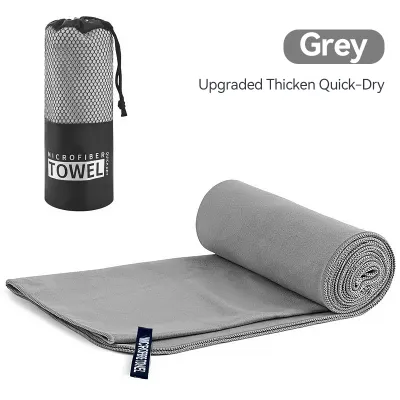
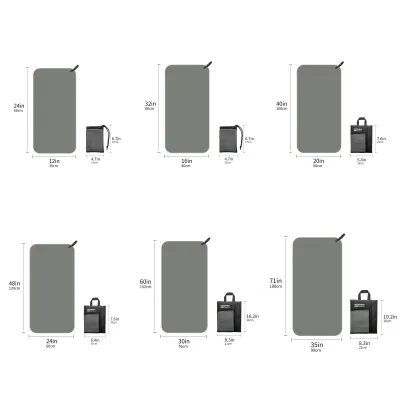
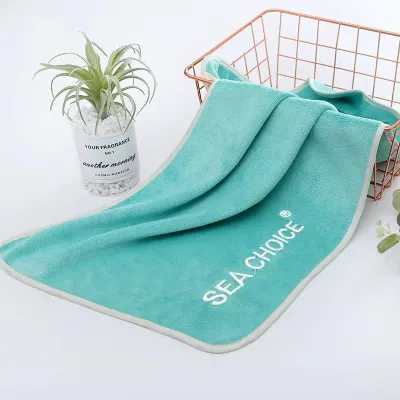
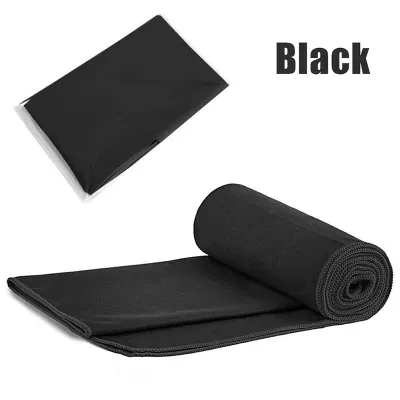
Prices are valid at publication and may change. Please refer to the product page for the latest price.
Furthermore, golf requires managing multiple types of moisture. You need a clean, dry surface to wipe sweat from your forehead, hands, and club grips to maintain a secure hold during your swing. Simultaneously, you must clear away wet grass, mud, and sand from the club face and grooves after every shot. A single towel must handle all these tasks without becoming a soggy mess.
Finally, the combination of heat, moisture, and organic matter like grass clippings creates a perfect breeding ground for bacteria and mildew. If a towel retains moisture for too long between holes or while sitting in your golf bag after a game, it will quickly develop a persistent, sour odor. Choosing a towel with rapid moisture-release properties is essential to keeping your gear hygienic and pleasant to use round after round.
Evaluating Microfiber Blends and Weave Textures
When shopping for a quick-dry microfiber towel, the first technical specifications to examine are the material blend and the weave texture. Most microfiber products are made from a blend of two synthetic polymers: polyester and polyamide. Polyester is inherently hydrophobic, meaning it repels water and dries incredibly fast, providing the structural backbone of the towel. Polyamide, on the other hand, is hydrophilic, meaning it loves water; it provides the towel’s absorbing power and soft texture.

For golf applications in humid climates, look for a blend ratio of 80% polyester and 20% polyamide, or 70% polyester and 30% polyamide. An 80/20 blend is highly recommended because it strikes an optimal balance. It offers sufficient water absorption to handle heavy sweat and wet clubs while retaining the high polyester content necessary to shed water quickly in humid air. A towel with too much polyamide may absorb massive amounts of water but will hold onto that moisture for too long on a humid day.
The physical weave of the fabric is just as critical as the chemical blend. You will primarily encounter two types of weaves: waffle weaves and terry loops.
- Waffle Weave: This texture features a distinct grid pattern of recessed squares and raised ridges. The recessed squares act like tiny shovels, scooping up mud, sand, and grass from club grooves without trapping the debris permanently in the fabric. When you shake or rinse a waffle-weave towel, the dirt releases easily. Additionally, the open grid structure allows air to flow freely through the fabric, which dramatically accelerates evaporation.
- Terry Loop: This consists of thousands of tiny, uncut loops of thread, similar to a standard bath towel. While terry loops are incredibly soft and offer maximum surface area for absorbing liquids—making them excellent for wiping your face or hands—they tend to trap dirt, sand, and grass deep within their fibers. Once clogged with mud, a terry towel is difficult to clean on the course and takes much longer to dry.
To evaluate the towel’s thickness and weight, look at the GSM (grams per square meter) rating. For a tropical golf towel, a medium density of 250 to 350 GSM is ideal. This range provides enough substance to absorb moisture throughout an 18-hole round without becoming overly bulky or slow to dry. Avoid heavy, plush towels exceeding 400 GSM, as they will trap moisture and remain damp in humid conditions.
Selecting the Ideal Size and Bag Attachment
The physical dimensions of your golf towel and how it attaches to your bag are crucial for convenience and on-course performance. A towel that is too large can drag on the ground, absorbing dirt and morning dew, while a towel that is too small will quickly become saturated and useless.
Standard golf towels typically measure around 16 inches by 21 inches (approximately 40 centimeters by 50 centimeters). This compact size is highly practical for players who walk the course or use a push cart, as it hangs neatly on the side of the bag without interfering with the wheels or dragging on the grass. For players who prefer more surface area, oversized “caddie towels” measuring roughly 20 inches by 40 inches are popular. These larger towels allow you to keep one end wet for scrubbing dirty club heads while keeping the other end dry for your hands and face.
How you secure the towel to your golf bag determines how easily you can access it during a round. There are several common attachment mechanisms to consider:
- Metal Grommets and Carabiner Clips: These are the most traditional and secure options. A heavy-duty carabiner allows you to clip the towel directly to the accessory ring of your golf bag. This ensures the towel remains firmly attached even when driving a golf cart over bumpy fairways. When choosing this style, verify that the grommet and carabiner are made from rust-resistant materials like aluminum, stainless steel, or high-grade plastic to withstand the humid, salty air often found near coastal courses.
- Magnetic Mounts: This modern alternative offers unmatched convenience. These towels feature a powerful magnet sewn into the fabric or attached via a clip, allowing you to stick the towel directly to the metal struts of a golf cart or to the club head of an iron. This makes it incredibly easy to pick up the towel, walk to the green to clean your ball, and snap it back into place. However, you must verify that the magnet is strong enough to hold the weight of a damp towel during sudden movements.
- Center Slits: Also known as caddie slits, these are simple vertical openings in the middle of larger towels. This design allows you to drape the towel over the head of a driver or putter sitting in your bag. It keeps the towel balanced and easily accessible from any side of the bag without requiring any hardware.
Comparing Options Using a Pre-Purchase Checklist
To ensure you select a high-performing quick-dry microfiber towel that will last for seasons, use a structured pre-purchase checklist when browsing local pro shops or online marketplaces. This systematic approach helps you filter out low-quality options that may fail under demanding tropical conditions.
First, verify the manufacturer’s material claims. Look closely at the product label or online specifications for the exact polyester and polyamide blend. If a product is simply labeled as “100% microfiber” without specifying the blend, it is often a lower-grade polyester-only fabric that lacks the absorption capacity needed for golf. Aim for a verified 80/20 or 70/30 blend.
Second, inspect the edge stitching and binding. The edges of a golf towel are subject to constant friction as they rub against your bag, clubs, and cart. Look for tight, overlocked stitching or a soft fabric binding along the entire perimeter. Avoid towels with rough, heat-sealed edges; these melted plastic edges can feel scratchy against your skin and, more importantly, can leave fine scratches on delicate graphite shafts or custom club finishes.
Third, assess the towel’s weight and bulk when fully saturated. If you are shopping in a physical store, you can feel the dry weight of the towel. It should feel light and airy. If purchasing online, check the product weight in the specifications. A lightweight towel ensures that even when it absorbs water during a sudden tropical downpour, it will not add excessive, exhausting weight to your golf bag.
Fourth, consider the color and aesthetic design. While bright white or pastel towels look sharp when brand new, they will quickly show dark mud, grass stains, and iron rust from local courses. Opting for darker colors like charcoal grey, navy blue, or deep forest green helps maintain a clean, professional appearance throughout the round.
Finally, check the placement of any brand tags or labels. Ensure that any hard plastic tags or rubberized logos are positioned away from the main cleaning surfaces of the towel to prevent accidental scratching of your club faces or alignment marks. When budgeting around ₱300 to ₱1,200 for a quality towel, verifying these details ensures you get the best value for your investment.
Washing and Storing to Preserve Quick-Dry Properties
Proper maintenance is essential to preserve the unique capillary structure of microfiber. If washed incorrectly, synthetic fibers can lose their moisture-wicking and fast-drying capabilities, turning a high-performance golf towel into an ordinary, non-absorbent piece of cloth.
The most critical rule of microfiber care is to never use fabric softeners or liquid silicone-based softeners. Fabric softeners work by depositing a thin, waxy layer over fabric fibers to make them feel softer. While this works for cotton, it completely coats and clogs the microscopic channels in microfiber, preventing them from absorbing water or wicking sweat. If you accidentally use fabric softener, you will need to wash the towel multiple times with a strip-washing agent to restore its absorbency.
Similarly, avoid using chlorine bleach. Bleach is a harsh chemical that breaks down the synthetic polymers in polyester and polyamide, causing the fibers to weaken, shed, and lose their structural integrity. Instead, use a mild liquid detergent. Avoid powder detergents, as un-dissolved powder particles can become trapped within the tight weave of the microfiber, reducing its overall effectiveness.
When washing your golf towel, use cold or warm water. High temperatures can melt or warp the synthetic microfibers, ruining the waffle texture and shrinking the fabric.
For drying, the tropical climate of the Philippines offers an excellent natural solution. Air-drying your microfiber towel in a well-ventilated, shaded outdoor area is the best way to preserve the fibers. Avoid hanging it in direct, harsh midday sunlight for extended periods, as extreme UV exposure can degrade the synthetic materials over time. If you must use a mechanical dryer, select a low-heat or air-fluff cycle. High dryer heat will fuse the microfibers together, permanently destroying their quick-dry properties.
After your round, never leave a damp towel crumpled up inside your golf bag, car trunk, or locker. The high humidity and heat will rapidly trigger mold and mildew growth. Hang the towel up immediately in an open space to dry completely before storing it away.
Frequently Asked Questions (FAQ)
Can I use a standard bath microfiber towel for golf?
While a standard bath microfiber towel will absorb water, it is not designed for the rugged environment of a golf course. Bath towels typically feature a plush, high-GSM terry loop weave designed for clean skin, which easily traps mud, sand, and grass clippings from your clubs. They also lack the specialized attachment hardware, such as carabiners or magnetic mounts, and the durable edge binding required to hang securely from a golf bag without fraying or falling off.
How often should I wash my golf towel during the rainy season?
During the rainy season, you should wash your golf towel after every single round. The combination of wet soil, grass clippings, rain, and high humidity creates an ideal environment for bacteria and mildew to thrive. If you play frequently, it is highly recommended to keep a rotation of two or three towels. This ensures you always have a completely clean, dry, and odor-free towel ready for your next tee time while the others are being washed and air-dried.
Community discussion
Share your experience or ask a question. Comments are reviewed before publication.