
Finding a reliable scooter under ₱5,000 in the Philippines requires shifting your focus from high-tech features to mechanical simplicity. Within this budget, you will not find dependable electric motors or complex dual-suspension systems that can survive daily use. Instead, the most reliable options are manual kick scooters built with sturdy metal frames, robust folding joints, and wear-resistant wheels. By prioritizing structural integrity over flashy add-ons, you can secure a safe, durable ride for daily commuting, recreation, or exercise.
Setting Realistic Expectations for a ₱5,000 Scooter Budget
To make an informed purchase, you must first understand what a ₱5,000 budget can realistically buy. In this price tier, scooters generally fall into three distinct categories: children’s kick scooters, basic adult commuter scooters, and entry-level stunt scooters. Each category serves a specific purpose, and attempting to use a scooter outside its intended design can lead to rapid wear or structural failure.
Children’s models in this price range often feature three-wheel configurations for stability or lightweight two-wheel designs. They are built for lower weight capacities and casual play on smooth surfaces.
Products mentioned in this guide
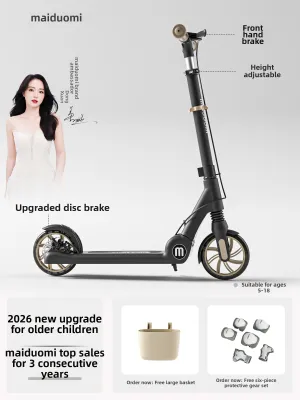
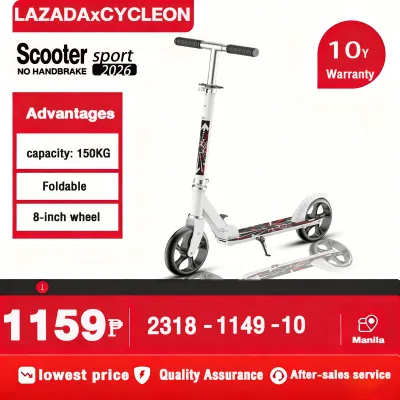
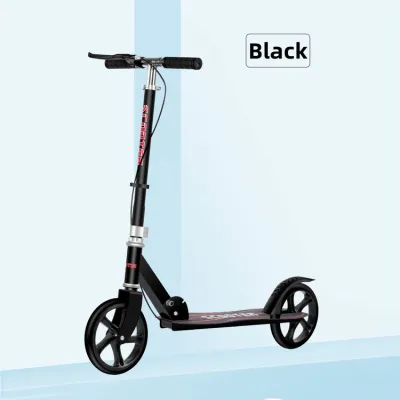
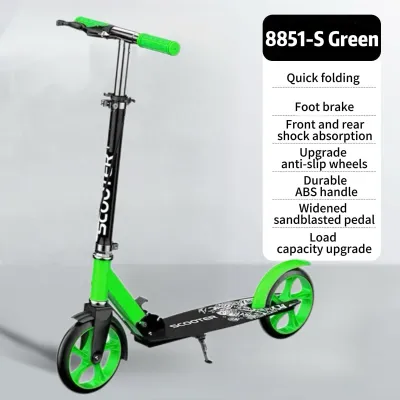
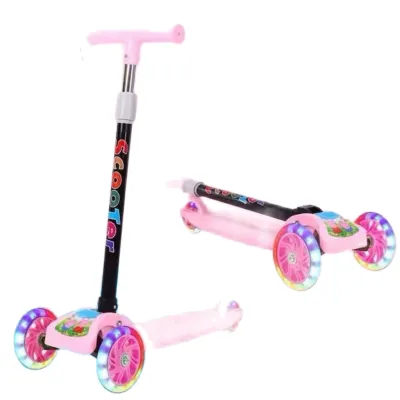
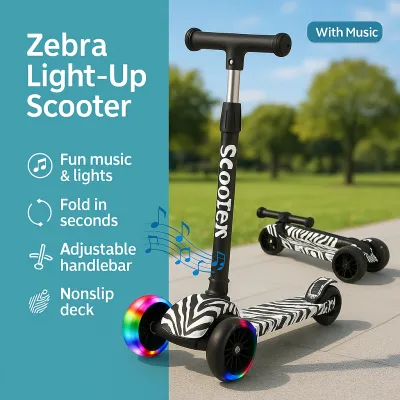
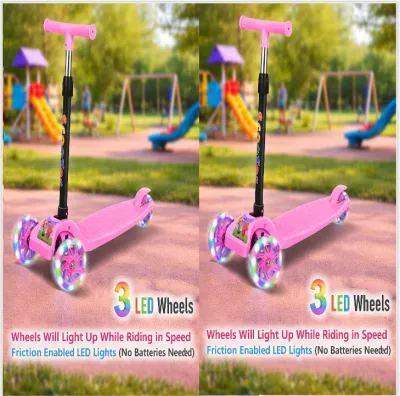
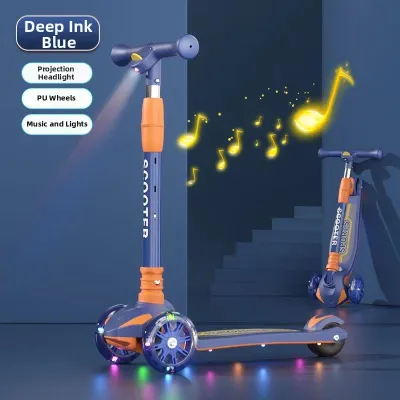
Prices are valid at publication and may change. Please refer to the product page for the latest price.
Adult commuter scooters under ₱5,000 focus on utility, featuring larger wheels to handle uneven pavements and adjustable handlebars to accommodate taller riders. These models prioritize portability and comfort over speed or trick performance.
Entry-level stunt scooters, on the other hand, feature one-piece handlebars and reinforced decks without folding mechanisms. They are designed to withstand the impact of basic jumps and tricks, though they lack the premium, ultra-lightweight alloys found in professional-grade models.
In terms of materials, expect standard aluminum alloys or steel frames. Aluminum offers a lightweight feel that is easy to carry up stairs or onto public transport, while steel provides high durability at the cost of extra weight.
Wheels at this price point are almost exclusively solid polyurethane (PU) or hard plastic. Solid PU wheels are highly durable and require zero maintenance, but they do not absorb shocks as well as air-filled pneumatic tires.
It is crucial to accept that advanced features like complex dual-suspension systems, large pneumatic tires, or electric motors are generally outside this budget constraint. Any scooter under ₱5,000 claiming to offer these features often compromises on basic material quality, which can compromise safety.
Core Features to Prioritize When Shopping on a Budget
When financial compromises are necessary, you must focus your budget on features that directly impact safety and durability. The frame and deck construction should be your primary concern. Look for a deck with a clear, manufacturer-specified weight limit that comfortably exceeds your actual weight. A thicker deck plate with visible reinforcement ribs underneath generally indicates better structural integrity than a thin, completely flat sheet of metal.

Wheel size and material play a critical role in how the scooter handles typical local riding surfaces. In many parts of the Philippines, sidewalks and roads feature cracked concrete, loose gravel, and sudden asphalt transitions.
For adult commuters, larger wheels—typically 180mm to 200mm in diameter—are highly recommended. Larger wheels roll over small cracks and debris much more easily than small wheels, reducing the risk of sudden stops that can throw you forward. Ensure the wheels are made of high-rebound polyurethane rather than cheap, brittle plastic, which can crack easily under load.
Braking systems require careful evaluation based on the rider’s age and skill level. The most common system in this price range is the rear fender brake, which operates when you press your heel down on the rear mudguard. This system is simple, reliable, and virtually maintenance-free.
Some budget models also feature hand-operated brakes connected to the rear wheel via a cable. While hand brakes offer a more familiar control method for bicycle riders, they require regular adjustment and can fail if the cable stretches or rusts in humid tropical climates.
Adjustability is another key feature to prioritize, especially if the scooter will be shared among family members. Look for a telescoping handlebar with secure locking pins and a heavy-duty quick-release clamp. This allows you to adjust the height to match different riders, ensuring proper posture and better control during operation.
Evaluating Build Quality and Safety Without Brand Names
Many budget-friendly scooters available in local shops or online marketplaces are unbranded or come from lesser-known manufacturers. To ensure you are buying a safe product, you must perform a hands-on inspection or carefully analyze detailed product photos.
Start by inspecting the folding mechanism and locking pins, as these are the most common points of failure on budget scooters. A reliable folding mechanism should lock securely into place with a solid, audible click. Once locked, try to wiggle the handlebars forward and backward; there should be minimal to no wobble at the joint. Excessive play or loose-fitting pins will quickly worsen under the vibration of riding, leading to a compromised frame.
Next, check the grip tape or deck surface. The deck must have a rough, sandpaper-like grip tape covering the majority of the standing area to prevent your feet from slipping, especially during sudden downpours or high-humidity days. If the scooter uses a textured plastic or rubber deck instead of grip tape, verify that the molded pattern is deep enough to provide traction when wet. Slipping off the deck while riding can result in severe falls.
The handlebar grips should also be examined closely. They must be tightly fitted to the metal bar so they do not twist or slide off during steering. Ensure the grips feature solid end plugs or flared ends. These plugs prevent the metal tubing of the handlebar from exposed contact, which can cause serious injury if you fall onto the side of the scooter.
Finally, look for basic safety certifications or clear manufacturer weight limit labels on the product packaging or online listing. While budget models may not carry premium racing certifications, they should at least display standard consumer safety markings indicating they have undergone basic load testing.
Hidden Costs to Check Before Finalizing Your Purchase
A scooter’s sticker price is rarely the final cost of getting on the road. To keep your total expenditure strictly under the ₱5,000 limit, you must account for several hidden costs before finalizing your purchase.
First, factor in shipping fees, which can be surprisingly high for bulky, heavy items when ordering from online marketplaces. If you live outside major metropolitan areas, shipping a large box containing a steel or aluminum scooter can add several hundred pesos to your total bill.
Second, you must budget for essential safety gear. A scooter cannot replace personal protective equipment, and riding without a helmet is a significant safety risk. Set aside a portion of your ₱5,000 budget for a properly fitted multi-impact helmet, and consider adding knee and elbow pads, especially for children or beginners. If you do not already own this gear, buying a ₱4,500 scooter and ₱500 helmet is infinitely safer than spending the entire ₱5,000 on the scooter alone.
Third, consider the cost of basic assembly tools and immediate replacement parts. While most budget scooters include basic Allen keys in the box, they are often made of soft metal that strips easily. Investing in a set of sturdy household tools will make initial assembly and routine maintenance much easier. Additionally, budget components like wheel bearings or grip tape may wear out quickly under daily use in humid, dusty environments. Knowing you have a small financial buffer for a replacement set of bearings can save you from unexpected expenses later.
Always verify the final checkout total on your screen, including local taxes, delivery fees, and any applicable platform vouchers, to ensure the entire transaction fits comfortably within your financial limit.
Red Flags to Avoid When Buying Scooters Online
Online marketplaces offer a vast selection of budget scooters, but they also require a high degree of consumer vigilance. One of the most common red flags is the use of highly polished stock photos that do not match the actual product specifications. Sellers may use images of premium, expensive scooters to advertise a cheap, unbranded alternative. Look for listings that include real-life photos from previous buyers in the review section to verify the actual appearance, dimensions, and included accessories.
Carefully read through negative reviews, focusing specifically on comments mentioning structural failures, missing parts, or poor seller communication. If multiple buyers report that the folding mechanism broke within the first week or that the frame bent under normal use, treat this as a definitive warning sign.
Avoid listings with vague or incomplete descriptions. A reliable seller will clearly state the weight capacity, frame materials, wheel size, and exact physical dimensions of the scooter. If a listing uses generic terms like “heavy-duty metal” without specifying whether it is steel or aluminum, or if it fails to list a maximum weight limit, it is best to look elsewhere.
Finally, check the seller’s overall rating, store history, and return policies. Choose established sellers with high positive feedback scores and a history of resolving customer complaints. Ensure the platform offers a clear return or refund policy in case the scooter arrives damaged, incomplete, or significantly different from the advertised description.
Frequently Asked Questions (FAQ)
Can I upgrade the wheels on a budget scooter later?
Yes, upgrading the wheels on a budget scooter is generally possible and is a cost-effective way to improve ride quality. Most budget kick scooters use standard wheel sizes, such as 100mm, 110mm, 125mm, or 200mm, which are widely available as aftermarket replacements. Before purchasing new wheels, verify the axle diameter and the width of the wheel hub to ensure compatibility with your scooter’s fork and frame. It is also essential to check the physical clearance inside the front fork and rear brake assembly; installing a wheel with a larger diameter than the original may cause it to rub against the frame or brake fender, rendering the scooter unusable.
What is the typical weight limit for scooters under ₱5,000?
The weight limit for scooters in this price range varies significantly depending on the intended user category. For children’s scooters under ₱5,000, the maximum weight limit typically ranges from 20 kg to 50 kg. For adult commuter scooters and entry-level stunt scooters in this budget tier, the weight limit generally ranges from 80 kg to 100 kg. However, because material quality and wall thickness can vary widely among budget manufacturers, you should never rely on general category assumptions. Always locate and verify the specific manufacturer’s weight limit label printed on the scooter frame, deck, or user manual before riding.
Are foldable scooters in this price range safe for daily commuting?
Foldable scooters under ₱5,000 can be safe for daily commuting, provided they are used within their design limits and maintained properly. The folding joints and locking pins on budget models are subjected to constant stress and vibration from uneven roads, which can lead to gradual wear and loosening over time. To ensure safety, you must perform a quick inspection before every single ride. Check that the locking lever is fully tensioned, the safety pins are completely engaged, and there is no excessive play in the steering column. If you notice any cracks in the metal around the hinge or if the locking mechanism fails to stay secure, stop riding immediately and address the issue.
Community discussion
Share your experience or ask a question. Comments are reviewed before publication.