
Finding a running beltbag that stays secure, comfortable, and functional throughout a workout is a common challenge for active women. A poorly fitting beltbag can bounce constantly, ride up toward the waist, or cause painful skin chafing within the first few kilometers. For women, selecting the right gear requires looking beyond basic aesthetics to evaluate how a bag interacts with female anatomy, running apparel, and essential gear.
To ensure a distraction-free run, you must prioritize stability, storage layout, and material quality. Whether you are training for a marathon, hitting local trail paths, or enjoying a quick jog around your neighborhood, the right beltbag should feel almost invisible once secured. By focusing on key design elements, you can find a waist pack that supports your stride and keeps your valuables safe.
Achieving a Bounce-Free and Secure Fit
Preventing a beltbag from bouncing requires understanding the mechanics of how it anchors to your body. Running involves continuous vertical movement, which naturally causes loose gear to shift and slide. To counteract this, manufacturers use different stabilization systems, primarily categorized into tubular elastic bands and adjustable webbing straps.
Products mentioned in this guide
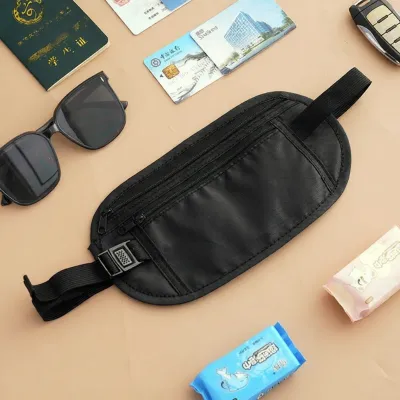
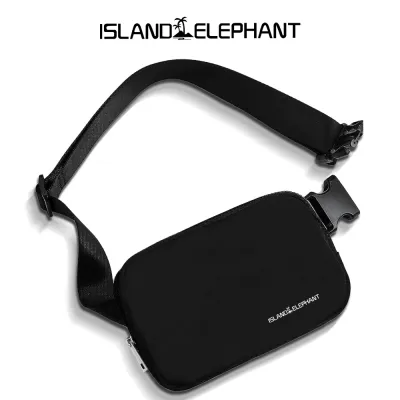
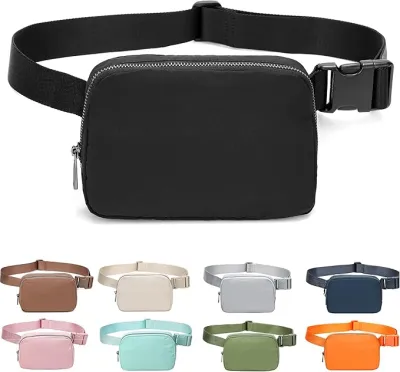
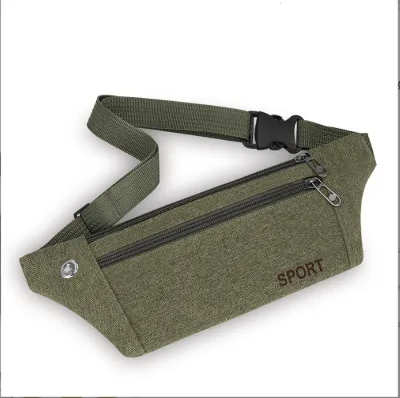
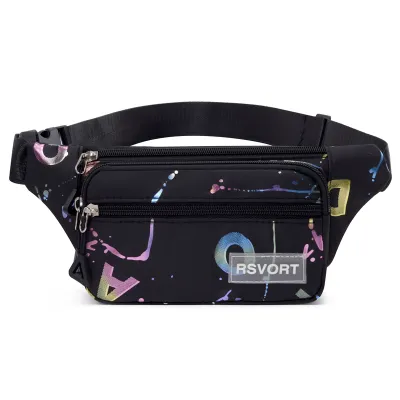
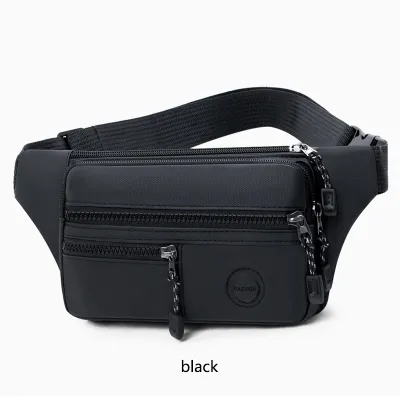
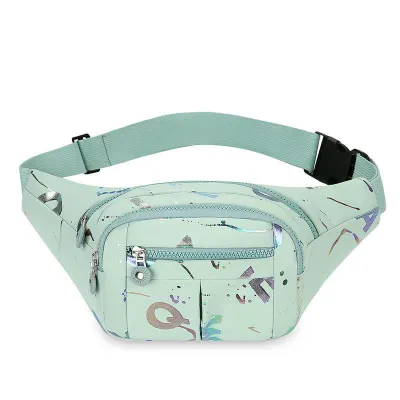
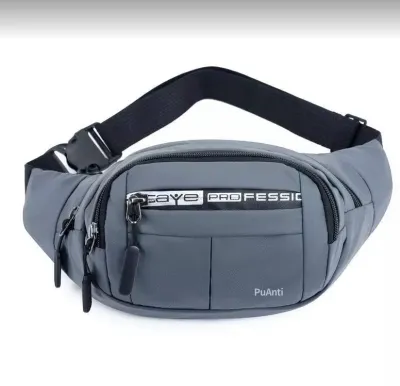
Prices are valid at publication and may change. Please refer to the product page for the latest price.
Tubular elastic designs are continuous loops of stretchy fabric that you step into and pull up to your waist. Because they distribute tension evenly around your entire torso, they offer excellent stability and a low-profile fit. However, because they lack adjustment buckles, you must select the exact correct size to ensure they are tight enough to stay secure without constricting your breathing.
Adjustable webbing straps use a traditional belt-and-buckle system. These allow you to customize the tightness on the fly, making them highly versatile when transitioning between different clothing layers. The trade-off is that the weight can concentrate on a narrower strip of fabric, which may require tighter fastening to prevent shifting.
To keep the bag from riding up toward the narrowest part of your waist, look for interior anti-slip features. Many high-performance running belts feature silicone grip linings or textured inner backings. These elements grip the fabric of your running shorts or leggings, anchoring the bag firmly over your hips even during high-intensity sprints.
Buckle design and placement also play a major role in overall comfort. A large, heavy plastic buckle positioned directly at the front can press painfully into your abdomen when you lean forward or run uphill. Look for flat, low-profile tensioners or side-release buckles that sit comfortably away from your hip bones and stomach.
Finally, consider how the belt accommodates the natural hip-to-waist ratio of women’s anatomy. Straight, non-contoured belts often slide upward because they cannot adapt to the curve of the hips. Contoured designs that flare slightly outward or feature multi-directional stretch fabrics conform much better to your body shape, ensuring the bag remains seated where it belongs.
Verifying Phone Compatibility and Storage Layout
Modern smartphones are larger and heavier than ever, making phone storage a primary consideration when choosing a running beltbag. A heavy phone that is loose inside a pocket will swing and bounce, causing discomfort and potentially throwing off your running gait. You must verify that the bag can securely hold your specific device before making a purchase.

Never rely solely on generic product descriptions that claim to fit “all standard smartphones.” Instead, measure the exact length, width, and thickness of your phone, making sure to include the protective case. Compare these measurements directly against the manufacturer’s specified compartment dimensions to ensure a comfortable fit that does not strain the zipper.
To protect your phone from damage, look for a beltbag with dedicated, separate compartments. Storing keys, coins, or trail cards in the same pocket as your phone can easily scratch the screen or camera lens. A dedicated phone sleeve keeps your device isolated and secure, while secondary pockets house your smaller essentials.
Internal organization is equally important for maintaining balance during a run. Look for pockets equipped with internal mesh dividers, key clips, or elastic slots. These features prevent items like energy gels, credit cards, and loose change from shifting around, which helps maintain a stable center of gravity.
For runners in warm, humid climates or those prone to heavy sweating, moisture protection is vital. Standard nylon or mesh pockets can allow perspiration to seep through, risking water damage to your electronics. Look for beltbags featuring water-resistant thermoplastic polyurethane (TPU) linings, sweat-proof barriers, and sealed zippers to keep your gear dry.
Evaluating Strap Adjustability and Skin Comfort
Chafing is one of the most frustrating issues a runner can face, often turning an enjoyable workout into a painful experience. When a beltbag rubs against your skin or clothing thousands of times during a single run, even minor friction can cause severe irritation. Assessing the strap construction and materials is essential for long-term comfort.
Start by checking the adjustment range of the straps. A versatile beltbag should adjust easily to fit snugly over different outfits, whether you are wearing a thin tank top on a hot day or layering up with a windbreaker. The adjustment mechanism should hold its position firmly under tension so you do not have to constantly retighten the belt mid-run.
Examine the edges of the beltbag for seamless, flatlock, or bonded construction. Rough, unfinished seams or exposed elastic edges act like sandpaper against bare skin or delicate fabrics. Smooth, rounded edges significantly reduce friction, allowing the belt to move naturally with your body.
Breathability is another critical factor for skin comfort, especially during long summer runs. Look for backing materials made of moisture-wicking fabric or breathable open-cell mesh. These materials facilitate airflow, helping to dissipate heat and sweat away from your skin, which keeps you cooler and reduces the moisture that contributes to chafing.
If you are evaluating a beltbag in a physical store, perform a quick dynamic fit test. Put your phone and keys inside the bag, secure it around your waist, and perform a few high knees, jumping jacks, or a short jog in place. This test will quickly reveal if the straps dig into your sides, if the buckle pinches, or if the bag shifts out of position.
Matching Features to Your Specific Running Scenarios
Not all running beltbags are designed for the same type of workout. To get the most utility out of your gear, you should match the bag’s features and capacity to your typical running environment, distance, and time of day.
For short, fast workouts or track sessions, prioritize minimalist, ultra-lightweight designs. Tubular belts or slim, single-pocket waist packs are ideal for these scenarios. They hold only the bare essentials—such as a phone and a single key—and sit completely flat against your body to minimize wind resistance and bulk.
If you are training for long-distance road runs or exploring rugged trails, you will need a bag with expanded storage capacity. Look for models that feature multiple compartments, dedicated slots for energy gels, and elastic loops or holsters designed to carry soft hydration flasks. Having easy access to nutrition and water is crucial for maintaining performance over long hours.
For those who prefer running during the early morning or late evening, safety features are paramount. Look for beltbags that incorporate highly reflective strips, logos, or piping. These reflective elements catch the headlights of passing vehicles, significantly improving your visibility in low-light conditions.
In hot and humid tropical environments, sweat management becomes your top priority. Focus on beltbags made from quick-dry fabrics and lightweight mesh backings. Avoiding heavy, padded belts will prevent excess heat retention around your midsection, making your runs much more comfortable.
Pre-Purchase Verification and Fit Checklist
Before finalizing your purchase, taking a few systematic steps can help you avoid sizing errors and ensure the beltbag meets your expectations. This is especially important when shopping online, where you cannot physically try on the product.
First, use a soft measuring tape to measure your waist and hips. Decide beforehand where you prefer to wear your beltbag—some runners prefer it high on the natural waist, while others prefer it low on the hips. Compare your measurements directly with the brand’s specific sizing chart, as sizing standards vary widely between manufacturers.
Next, research user feedback on online marketplaces and e-commerce platforms. Instead of just looking at the overall star rating, filter the reviews using specific search terms like “bounce,” “chafe,” “ride up,” or “phone fit.” This real-world feedback from other runners can provide valuable insights into how the bag performs over time.
Always verify the return and exchange policies of the online retailer before checking out. Because body shapes and personal comfort preferences are highly subjective, having the option to exchange the bag for a different size or style provides peace of mind.
Finally, check the empty weight of the beltbag listed in the product specifications. A lightweight empty bag ensures you are not adding unnecessary bulk to your run. Whether you are budgeting for a basic model or investing in a premium option, verifying these details beforehand ensures you select a reliable companion for your running journey.
Community discussion
Share your experience or ask a question. Comments are reviewed before publication.