
Running in the Philippines often requires adapting to unique schedules and environmental conditions. To avoid the intense heat of the tropical sun, many runners take to the streets before dawn or after dusk. However, navigating roads with uneven pavements, open drainage systems, and mixed traffic in low-light conditions presents distinct safety challenges. A reliable running light is an essential piece of gear that serves a dual purpose: it illuminates the path ahead to prevent trips and falls, and it alerts motorists, motorcyclists, and tricycle drivers to your presence. Choosing the right light requires a careful balance of brightness, battery life, comfort, and weather resistance.
While high-quality lighting equipment significantly enhances your visibility, it is important to remember that gear is a supportive tool rather than a guarantee of safety. No light can replace defensive running habits, active situational awareness, and split-second decision-making. Before heading out into the dark, runners must assess their route, understand their personal physical limits, and be prepared to adjust their pace or stop entirely if environmental conditions become too hazardous. By matching your specific running environment with the appropriate light specifications, you can establish a safer, more comfortable routine for your early morning or evening runs.
Key Factors for Evaluating Running Light Specifications
When comparing different running lights on an online marketplace or at a local specialty store, the technical specifications can initially seem overwhelming. The most prominent figure you will encounter is the lumen rating, which measures the total amount of visible light emitted by the source. For running on well-lit urban sidewalks, a light output of 50 to 150 lumens is generally sufficient to make you visible to others. However, if your route includes unlit neighborhood streets, provincial roads, or dark trail paths, you will likely need a light capable of producing 200 to 400 lumens or more to clearly see obstacles on the ground.
Products mentioned in this guide
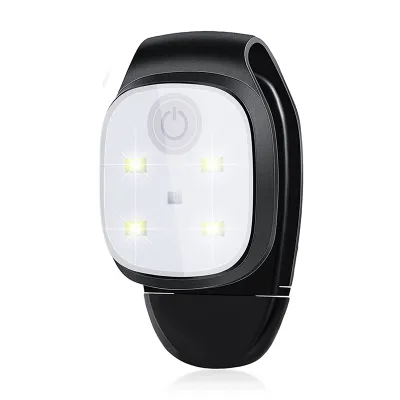
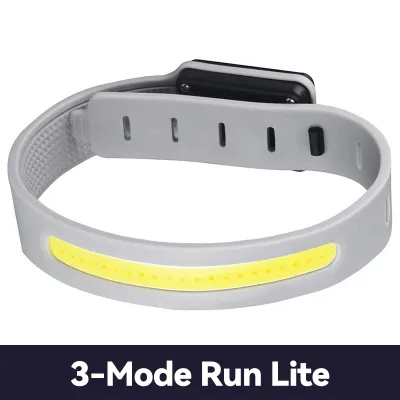
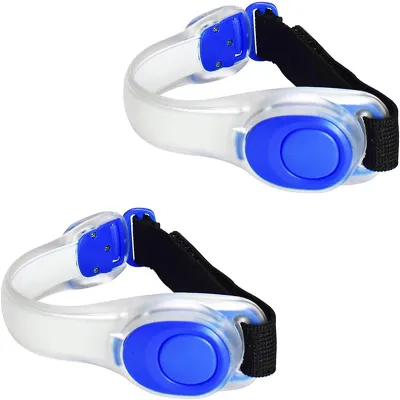
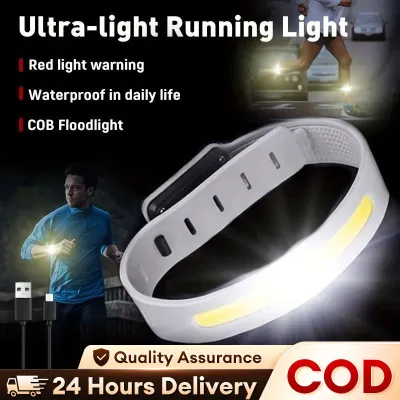
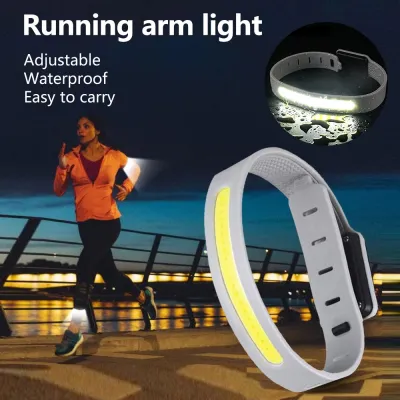
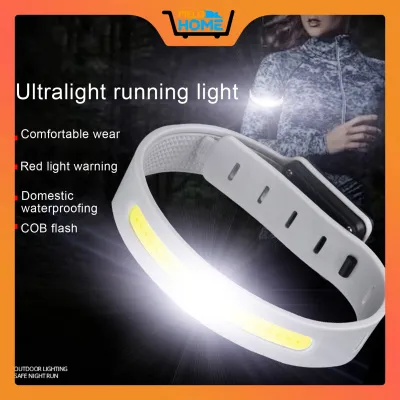
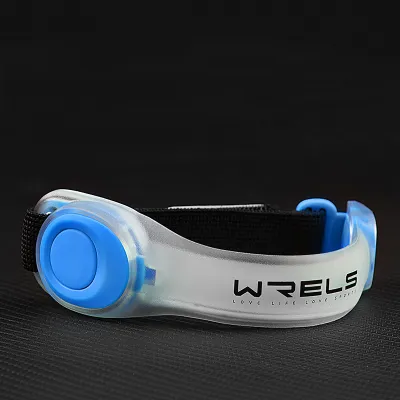
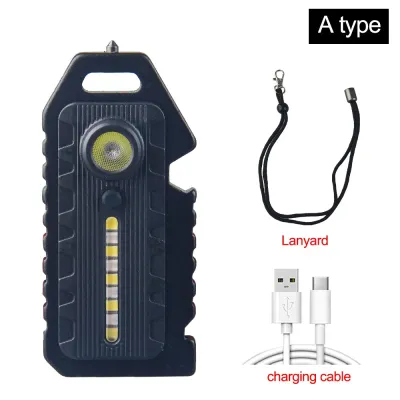
Prices are valid at publication and may change. Please refer to the product page for the latest price.
Equally important as the total light output is the beam pattern, which dictates how that light is distributed across your field of view. A flood beam provides a wide, dispersed wash of light that illuminates your immediate surroundings and peripheral vision, making it easier to spot side-street traffic or low-hanging branches. Conversely, a spot beam projects a narrow, concentrated cylinder of light far into the distance, which is crucial for high-speed running or navigating unfamiliar, dark paths where you need early warning of upcoming hazards. Many versatile running lights offer a hybrid or dual-beam setting, allowing you to utilize both patterns simultaneously or switch between them depending on the immediate terrain.
Battery performance is another critical specification that requires careful verification against your typical running duration. Most modern running lights utilize rechargeable lithium-ion or lithium-polymer batteries, which offer a high power-to-weight ratio and can be recharged hundreds of times. When reviewing manufacturer-stated runtimes, always look for a detailed breakdown of how long the battery lasts on each specific brightness setting. A light that claims a 20-hour runtime may only achieve that duration on its lowest, non-illuminating flash setting, while depleting its battery in under two hours when operated continuously on its maximum brightness mode. Additionally, keep in mind that high tropical temperatures and humidity can gradually affect battery efficiency over time, so it is wise to choose a light with a stated runtime that comfortably exceeds your planned workout duration.
Finally, the physical comfort of the light depends heavily on its weight distribution and overall balance. A light that is entirely front-heavy can bounce excessively with every stride, leading to forehead pressure, skin chafing, or the constant need to adjust the straps mid-run. To prevent this discomfort, look for models that distribute the weight more evenly, such as headlamps with a rear-mounted battery pack or chest-mounted lights that sit securely against your torso. The total weight of the device, including the battery, should ideally remain low enough that it does not cause neck strain or alter your natural running posture.
Choosing the Right Wearable Style for Your Route
The physical design and mounting style of your running light should align closely with the specific terrain and traffic conditions of your regular routes. Headlamps are the most traditional and widely available option, offering the distinct advantage of directional lighting. Because the light source is mounted on your forehead, the beam automatically follows your line of sight, allowing you to illuminate side streets, look down at your watch, or scan the roadside simply by turning your head. This makes headlamps highly effective for technical trail running, navigating uneven rural roads, or traversing areas with unpredictable obstacles. However, some runners find that wearing a band around the head in hot, humid weather increases sweat buildup and can feel restrictive during intense efforts.

Chest lights have grown in popularity as an alternative for road runners who prefer to keep their heads free of straps and extra weight. Mounted via a harness that wraps around the shoulders and torso, a chest light positions the primary beam lower on the body. This lower angle of illumination casts longer, more pronounced shadows over road imperfections, making potholes, cracked pavement, and raised tree roots much easier to identify from a distance. Because the light remains fixed to your torso, the beam stays incredibly stable and does not bounce with your head movements, reducing eye strain over long distances. The main trade-off is that the light only points where your chest is facing, meaning you cannot quickly illuminate a side path without turning your entire body.
For runners who primarily use well-lit urban paths or wish to supplement their primary light source, clip-on, armband, or waist lights offer a lightweight and highly versatile solution. These compact devices can be attached to your existing running shorts, hydration belt, shirt collar, or shoes to provide localized illumination or active visibility. While they rarely produce enough lumens to serve as your sole light source on completely dark roads, they are exceptionally effective at making you visible to oncoming and overtaking traffic. Utilizing a red flashing clip-on light on your back, combined with a white light on your front, creates a clear visual signal that helps drivers gauge your position and speed from a safe distance.
Weather Resistance and Durability Checks
Running in a tropical climate like the Philippines exposes your gear to harsh environmental elements, including intense humidity, heavy sweat, and sudden, torrential downpours. To ensure your running light does not fail mid-run due to water intrusion, you must verify its Ingress Protection (IP) rating. This rating, typically printed on the product packaging or user manual, consists of the letters “IP” followed by two numbers or an “X” and a number. The first digit represents dust resistance, while the second digit indicates water resistance. For running gear, the water resistance rating is the most critical factor to examine.
A rating of IPX4 indicates that the device can withstand splashing water from any direction, making it suitable for light rain and sweat. However, for runners who frequently train during the monsoon season or experience heavy perspiration, an IPX4 rating may not provide sufficient long-term protection. Upgrading to a device with an IPX6 rating ensures the housing can resist powerful water jets, allowing the light to function reliably even during sudden tropical storms. Devices rated at IPX7 offer even greater protection, as they are designed to withstand temporary submersion in water up to one meter deep. Before purchasing, always inspect the physical seals of the device, paying close attention to the rubber gasket that covers the USB charging port to ensure it fits tightly and securely.
Beyond water resistance, the durability of the materials used in the straps and housing will determine the lifespan of your running light. Sweat contains salt and acidity that can rapidly degrade low-quality elastic bands, causing them to lose their stretch, slip down your forehead, or develop unpleasant odors. Look for high-quality, breathable elastic straps that feature silicone grippers on the interior to prevent slipping, or consider models with adjustable, washable bands that can be easily cleaned. Additionally, check the manufacturer’s care instructions regarding storage and maintenance; storing a damp light in a sealed, unventilated bag can lead to mold growth and corrosion of the internal electrical contacts, ultimately shortening the life of your investment.
Building Your Shortlist: Matching Specs to Running Conditions
To build a practical shortlist of potential running lights, you should evaluate the specific infrastructure and lighting conditions of your typical running routes. If your runs take you along unlit rural roads, provincial highways, or dark trail systems, your primary focus must be on high-power illumination and extended battery life. For these conditions, look for a headlamp or chest light that offers at least 250 to 400 lumens, a strong spot beam pattern to light up the path far ahead, and a robust rechargeable battery. Because these routes offer no ambient street lighting, a sudden light failure can leave you stranded in complete darkness; therefore, always carry a lightweight backup light or ensure your device has a low-power reserve mode that provides enough light to walk home safely.
If you primarily run on well-lit urban sidewalks, park paths, or within secure residential subdivisions, your lighting needs shift from “seeing” to “being seen.” In these environments, a highly bright spot beam is unnecessary and can actually blind oncoming pedestrians or drivers. Instead, prioritize a lightweight light with a wide flood beam, adjustable brightness settings, and prominent flashing or strobe modes. Look for models that feature integrated red rear safety lights or reflective elements on the straps to maximize your visibility to vehicles approaching from behind. A budget-friendly clip-on light or a lightweight headlamp operating on a lower lumen setting (around 50 to 100 lumens) is often the most comfortable and practical choice for these urban settings.
For runners who commute or navigate mixed-terrain routes that transition between brightly lit commercial areas and dark, unlit side streets, versatility is the most important factor. Your ideal running light should feature easily accessible buttons that allow you to adjust brightness levels on the fly, switching from a low-power flood beam in well-lit areas to a high-power spot beam when entering darker zones. A dual-beam model that allows you to customize the light output helps conserve battery life while ensuring you always have the appropriate level of illumination. When planning your purchase, consider investing between ₱1,000 and ₱3,000 in a durable, high-quality light that matches your specific route profile, as this range typically offers the best balance of reliable weatherproofing, comfortable ergonomics, and versatile lighting modes.
Frequently Asked Questions (FAQ)
How should I clean and store my running light after use?
To maintain the water resistance and longevity of your running light, it is essential to clean it properly after every sweaty run. Start by ensuring the rubber charging port cover is tightly sealed, then gently wipe down the exterior housing and straps with a soft, damp cloth to remove salt, sweat, and dirt residue. If the elastic strap is completely detachable, you can wash it by hand using mild soap and cool water, then allow it to air dry completely in a well-ventilated area away from direct sunlight. Never submerge the electronic housing in water unless it is explicitly rated for full immersion, and avoid using harsh chemical solvents or detergents. Store the completely dry device in a cool, dry place, and if you plan to store it for an extended period without use, follow the manufacturer’s guidelines to keep the battery partially charged to preserve its overall health.
Is a dedicated running light necessary if I already own a camping headlamp?
While a standard camping headlamp can certainly be used for occasional runs, a dedicated running light offers significant ergonomic advantages for active movement. Camping headlamps are typically designed for slower-paced activities like walking or setting up camp, meaning they often feature heavier front-loaded designs that bounce uncomfortably when subjected to the impact of running. Running-specific lights, on the other hand, are engineered with bounce-reduction features, such as wider, silicone-lined straps, balanced weight distribution, and lower-profile housings that sit flush against the body. Furthermore, running lights often feature beam patterns optimized for fast-paced movement, providing a wider flood of light to illuminate your immediate footing and peripheral path, whereas camping headlamps may focus more on a tight, static spot beam. If you run regularly, upgrading to a running-specific model will greatly improve your comfort and reduce distraction.
Community discussion
Share your experience or ask a question. Comments are reviewed before publication.