
An adult-grade saranggola (the local term for kite) is distinguished not just by its physical dimensions, but by its engineering, materials, and aerodynamic performance. While children’s kites are designed for light breezes and simple play, finding a dedicated saranggola for adult flyers requires looking at structural durability, wind resistance, and flight control.
Choosing the right adult kite involves matching structural components—such as rigid frames, durable ripstop fabrics, and high-tensile lines—to your physical capabilities, experience level, and local geography. Whether you are flying along the windy shores of La Union or in wide-open provincial fields, understanding these technical differences ensures a safe, rewarding, and physically engaging experience.
Signs You Need to Upgrade from a Beginner or Kids' Kite
Structural Failures Standard, low-cost kites often rely on thin plastic sheets and fragile wooden dowels. In moderate or strong coastal winds, these components quickly reach their limits. You will notice frequent snapping of spars, tearing of the sail fabric, or broken plastic connectors. If a single gust of wind consistently damages your equipment, it is a clear sign that you need a frame and sail designed for higher mechanical stress.
Products mentioned in this guide
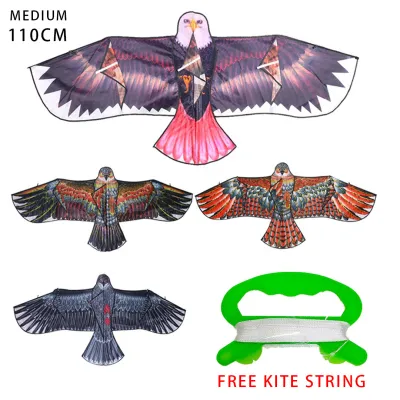
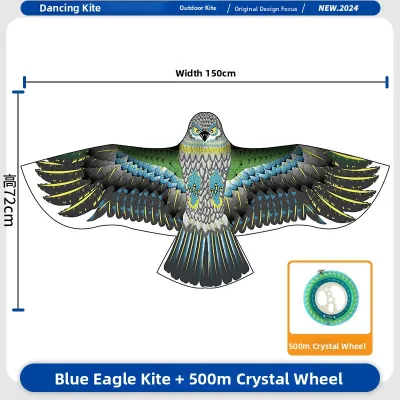
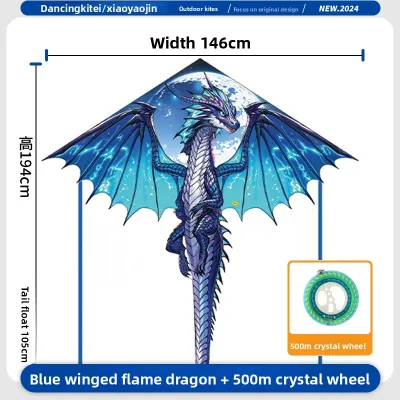
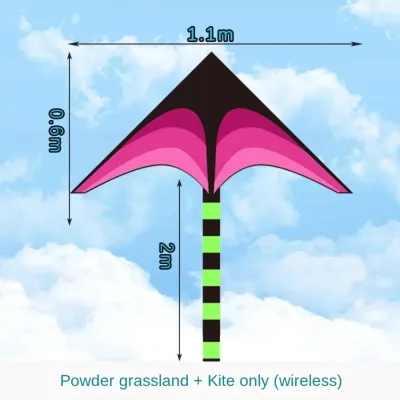
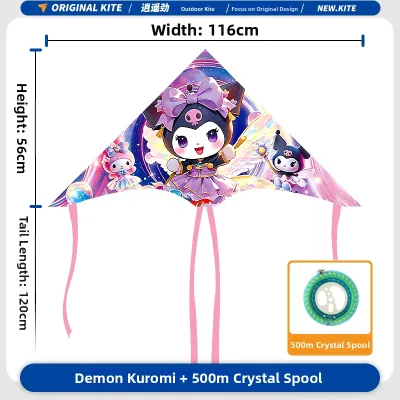
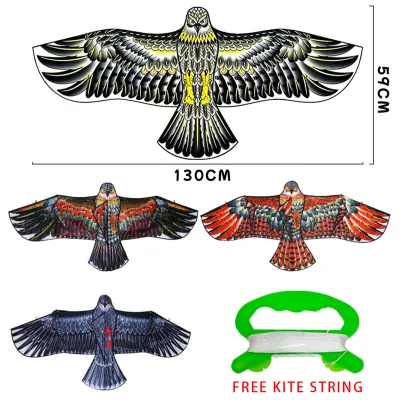
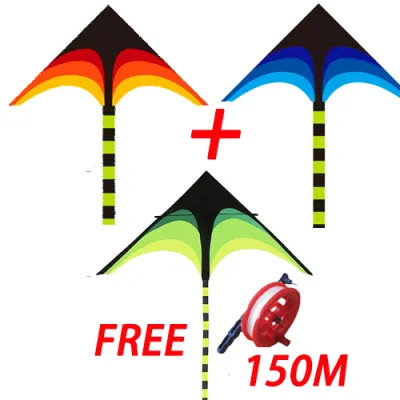
Prices are valid at publication and may change. Please refer to the product page for the latest price.
Performance Frustration Beginner kites are designed to float passively in gentle breezes. When subjected to stronger winds, they tend to spin uncontrollably, dive toward the ground, or collapse entirely. For an adult flyer, this lack of stability removes the satisfaction of controlled flight. If you find yourself fighting a kite that refuses to hold its position or fails to generate a steady, tactile tension in your hands, you have outgrown its aerodynamic capabilities.
Skill Progression Once you master the basics of keeping a single-line kite aloft, you may crave a more interactive experience. Upgrading allows you to transition from static flying to active maneuvering. Stunt kites and power foils utilize dual-line or quad-line configurations, enabling you to perform loops, dives, and precise patterns. These designs require structural integrity that simple kids’ kites cannot provide.
Environmental Mismatch The geography of the Philippines presents unique wind conditions. During the Amihan (northeast monsoon) season, coastal areas and open plains experience strong, gusty winds. Lightweight paper or thin plastic kites are easily destroyed in these conditions. Upgrading to a resilient, adult-grade model ensures your gear can withstand local weather patterns without warping or shredding mid-air.
Core Features of a Saranggola for Adult Flyers
Frame and Spine Materials
The frame, consisting of the spine and spars, acts as the skeleton of the kite. While basic models use fragile bamboo slivers or hollow plastic tubes, adult-grade kites utilize advanced composites. Solid fiberglass, pultruded carbon fiber, and wrapped graphite are the standard choices. Fiberglass offers excellent flexibility and high impact resistance, making it ideal for beginners who might crash their kites on hard ground.

Carbon fiber and graphite provide a superior strength-to-weight ratio, ensuring the kite remains rigid and responsive even in high-velocity winds. This rigidity prevents the frame from bending out of shape, which would otherwise distort the kite’s aerodynamics. While basic plastic kites cost less than ₱200, adult-grade composite models typically range from ₱1,500 to over ₱5,000 depending on the materials used. When shopping, check the manufacturer’s technical specifications for exact spar diameters and flex ratings rather than relying on visual guesses, as high-quality composites are engineered to meet specific wind tolerances.
Sail Fabric and Wind Tolerance
The sail is the engine of your kite, converting wind energy into lift and pull. Cheap kites use thin polythene sheets or paper that stretch and tear under tension. Adult-grade models employ high-density fabrics such as ripstop nylon, polyester, or specialized Icarex. These materials feature a crosshatch pattern of thick reinforcement threads that prevent small punctures from spreading into catastrophic tears.
For kites flown regularly under the intense tropical sun of the Philippines, UV-resistant coatings are essential to prevent the fabric from degrading and becoming brittle over time. Look for reinforced stitching along high-stress areas, such as the trailing edge, and heavy-duty Dacron reinforcement along the leading edge. Always verify the manufacturer’s specified wind range on the product label to ensure the sail fabric is rated for the wind conditions of your chosen flying site.
Line Strength and Hardware
The connection between the flyer and the kite must be incredibly secure. Standard cotton strings or thin, unrated nylon lines are highly susceptible to snapping under the tension generated by a large adult kite. Furthermore, these materials can cause severe friction burns if they slip through your hands. Adult kites require high-tensile, low-stretch lines made from braided polyester, Dyneema, or Kevlar.
Before flying, verify that the line’s breaking strength matches or exceeds the maximum pull capacity of your kite. Hardware is equally critical; look for robust stainless steel swivels to prevent line twisting, heavy-duty metal bridle rings, and ergonomic winding reels or padded wrist straps. These components allow you to manage high-tension lines safely without losing control or injuring your hands.
Matching the Kite to Your Skill Level and Flying Environment
Casual vs. Active Flying Selecting a kite is not a one-size-fits-all decision; it requires analyzing how and where you intend to fly. If your goal is a relaxing afternoon at a local park, a large single-line kite is the ideal choice. Designs like Deltas, Parasails, or traditional Japanese Rokkakus are stable, easy to launch, and can hover at high altitudes with minimal intervention. If you prefer a physical workout and active engagement, look into dual-line stunt kites or quad-line power foils. These require continuous physical input, allowing you to steer, execute tricks, or feel the immense drag of a traction kite.
Local Environments The space available to you dictates the size and type of kite you can safely operate. Expansive beaches, such as those in Zambales or Boracay, or wide provincial fields provide clean, unobstructed wind and ample space for long lines and massive wingspans. Conversely, urban parks in Metro Manila often have turbulent wind caused by nearby buildings and trees. For these constrained spaces, smaller, highly maneuverable kites that can fly in tight pockets of air are far more practical.
Wind Conditions Wind behavior varies significantly across the Philippine archipelago. If you live in an area with consistently light breezes, you need a specialized light-wind kite. These models feature ultra-lightweight carbon frames and oversized sails to maximize lift. If you fly in high-wind coastal zones, you need a kite with a smaller surface area, heavier frame reinforcement, and built-in spillage vents or mesh panels to let excess wind pass through safely.
Portability Large adult kites can have wingspans exceeding two meters. Consider the logistics of transporting your gear. If you rely on public transportation, motorcycles, or compact vehicles, look for multi-piece frames that disassemble into a compact carry bag. Frameless foil kites are highly portable, as they can be folded tightly into a small pouch, making them excellent travel companions for outdoor adventures.
Safety Boundaries for High-Pull and Large Kites
Physical Assessment Flying an adult-grade kite involves significant physical forces that must be managed responsibly. Large foil, delta, or power kites can generate hundreds of Newtons of pull. Before launching, make an honest assessment of your physical strength, body weight, and grip. A sudden gust of wind can easily pull an unprepared flyer off balance or drag them across the ground. Never tether a high-pull kite to your body without a quick-release safety harness, and ensure you have stable footing on dry, non-slip ground.
Protective Gear High-tension lines can act like blades under load. Always wear heavy-duty, padded leather gloves when handling lines on large or active kites. This protection prevents severe friction burns, cuts, and blisters during rapid line pay-out or sudden gusts.
Hazard Avoidance Never fly near high-voltage power lines, electrical substations, roads, railways, or airports. Keep a massive safety buffer—at least twice the length of your flying line—away from trees, buildings, and crowded public spaces. Avoid flying over people or pets, as a falling kite or a high-velocity line can cause serious injuries.
Stopping Conditions Always check the manufacturer’s instructions and wind limits before launching. If the wind increases beyond the recommended range, or if you feel the physical pull becoming difficult to control, ground the kite immediately. If you lose control of a high-pull kite, prioritize safety: release the lines if necessary to avoid being dragged into danger, and never attempt to catch a falling high-tension line with bare hands.
Frequently Asked Questions (FAQ)
Can adults just fly larger versions of standard diamond kites?
While adults can physically fly large diamond kites, simply scaling up a basic, cheap design is structurally risky. True adult-grade kites are engineered with advanced internal bridling, reinforced spars, and high-tensile sail fabrics to manage the exponentially increased aerodynamic load. A basic scaled-up kite lacks these reinforcements, leading to frame warping, sail tearing, or line breakage under moderate wind conditions.
How do I know if the wind is too strong for my kite?
Watch for clear physical warning signs. If your kite is constantly looping, diving uncontrollably, or vibrating violently, the wind is likely exceeding its design limits. Other indicators include your flying line humming loudly under extreme tension, the frame bending excessively, or the kite pulling you forward off your feet. Always check the specific wind speed range printed on the kite’s packaging or manufacturer tag before launching.
Community discussion
Share your experience or ask a question. Comments are reviewed before publication.