
Selecting the right scuba low pressure hose is a critical decision for any diver, directly affecting both gear performance and underwater safety. To ensure complete compatibility with your regulator and buoyancy compensator device (BCD) setup, you must match the hose’s thread type, length, material, and pressure rating to your specific equipment configuration. In tropical diving environments like the Philippines, where high humidity, intense sunlight, and saltwater exposure accelerate gear wear, understanding these technical specifications helps you make an informed choice that keeps your dives comfortable and trouble-free.
Thread Type and Connection Compatibility
The foundation of a safe scuba setup is a secure, leak-free connection between your regulator’s first stage and your low-pressure accessories. Most modern regulator first stages feature low-pressure (LP) ports with a standard 3/8-inch UNF thread. This standard size accommodates the majority of primary second stages, octopus regulators, and BCD inflator hoses. However, some older or highly specialized regulator models may use 1/2-inch LP ports, which require a dedicated hose or a compatible adapter. It is essential to verify your regulator’s port specifications by consulting the manufacturer’s manual before purchasing a replacement hose.
At the other end of the hose, the connection must match your BCD’s power inflator mechanism. The standard quick-disconnect (QD) fitting is a standard interface, allowing you to easily snap the hose onto the inflator post. However, some integrated backup regulator/inflator combinations use proprietary high-flow fittings that require a larger, specialized QD coupling. While adapters are commercially available to convert standard QD fittings to proprietary sizes, they introduce additional O-rings and threaded connections. Each extra connection point represents a potential failure spot underwater, so sourcing a hose with the correct native fittings is the recommended approach to minimize potential failure points.
Products mentioned in this guide
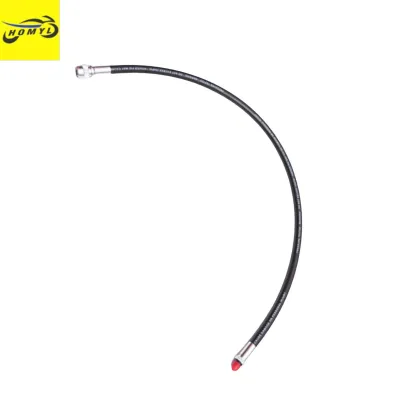
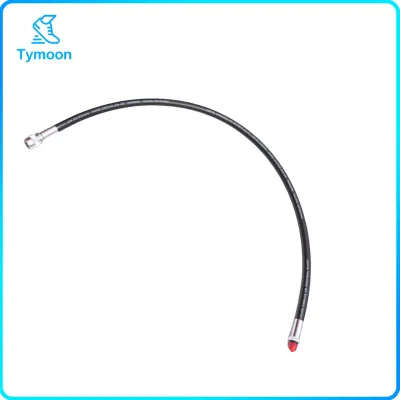
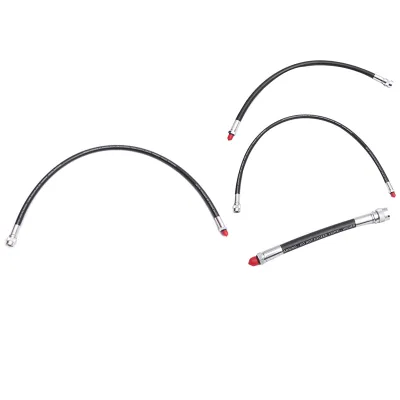
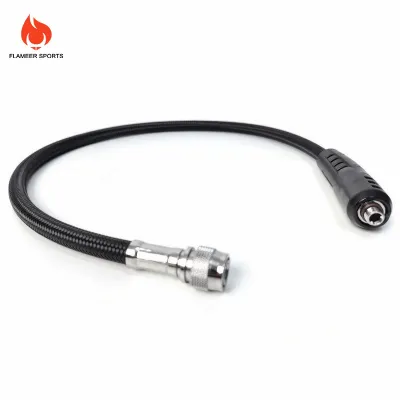
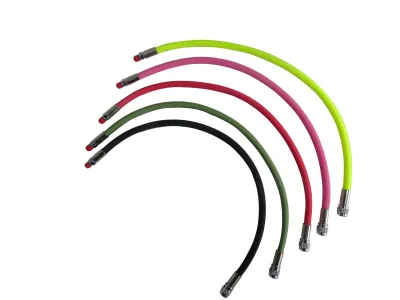
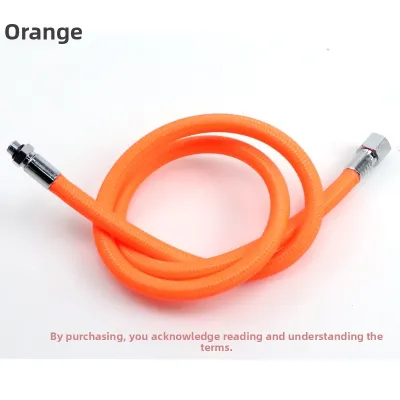
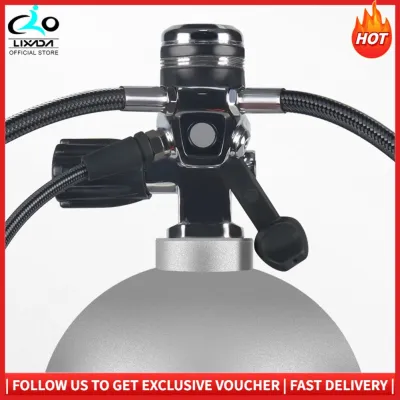
Prices are valid at publication and may change. Please refer to the product page for the latest price.
Hose Length and Routing for Dive Comfort
Selecting the correct hose length is a balance between streamlined routing and physical comfort. A hose that is too short can pull on your mouth or restrict your head movement, while a hose that is too long creates unnecessary loops that can snag on coral, wrecks, or other gear. For a standard recreational jacket-style BCD, a low-pressure inflator hose typically ranges from 22 to 27 inches (approximately 56 to 69 cm). This length provides enough slack to route the hose under your left arm and connect it to the inflator assembly without pulling, even when the BCD is fully inflated.

If you use a backplate and wing setup or a technical diving configuration, your hose routing requirements will differ. Technical divers often route their hoses differently, sometimes utilizing longer hoses for primary regulators or specific inflator configurations. Your physical torso size also plays a major role; taller divers or those with broader shoulders generally require slightly longer hoses to maintain the same clean routing lines. When measuring for a new hose, put on your exposure suit and fully assemble your gear to observe how the hose behaves when pressurized, ensuring it lies flat against your body and allows a full range of motion.
Pressure Ratings and Material Durability
Every low-pressure hose is designed to operate within a specific intermediate pressure (IP) range, which is the pressure delivered from the regulator’s first stage to the second stage or BCD inflator. This intermediate pressure typically ranges between 130 and 150 psi (approximately 9 to 10 bar). You must verify that any replacement hose is rated to handle your regulator’s specific IP output with a generous safety margin. Never use a hose that lacks clear manufacturer markings indicating its pressure limits and compliance with international diving standards.
Material choice is another critical factor, especially in tropical climates like the Philippines, where intense UV exposure, high humidity, and warm saltwater can accelerate material degradation. Traditional rubber hoses are heavy, durable, and offer high resistance to kinking, but they can become stiff over time and are prone to cracking when exposed to direct sunlight for extended periods. Braided nylon hoses have become highly popular because they are lighter, more flexible, and offer strong abrasion resistance. However, braided hoses require careful inspection, as internal degradation can sometimes occur without showing obvious external signs, and they can trap fine sand particles between the braids if not rinsed thoroughly.
Pre-Dive Inspection and Maintenance Checklist
Establishing a consistent pre-dive inspection routine is an effective way to prevent low-pressure hose failures before you enter the water. Before every dive day, conduct a thorough visual inspection of the entire length of the hose. Look closely for any signs of cracking, bulging, or fraying in the outer jacket. Pay special attention to the metal crimps and fittings at both ends; any signs of corrosion, bubbling, or separation between the hose material and the metal sleeve indicate that the hose must be replaced immediately.
Once your gear is fully assembled and pressurized, perform a simple leak test. Listen closely for any hissing sounds and submerge the regulator first stage and hose connections in a rinse tank, looking for a continuous stream of bubbles. To maximize the lifespan of your hoses, always rinse them thoroughly with clean, fresh water after every dive to remove salt crystals and sand. Dry your gear in a shaded, well-ventilated area away from direct sunlight, and store the hoses loosely coiled without any sharp bends or heavy equipment resting on top of them.
Frequently Asked Questions (FAQ)
Can I use a high-pressure hose for my BCD inflator?
No, you cannot use a high-pressure hose for a BCD inflator, as the fittings and thread sizes are physically incompatible to prevent dangerous cross-connections. High-pressure (HP) hoses are designed to connect the first stage directly to a pressure gauge or transmitter, operating at cylinder pressures up to 4,350 psi (300 bar). Low-pressure (LP) ports and hoses operate at much lower intermediate pressures. Attempting to force or adapt a high-pressure connection to a low-pressure accessory would cause catastrophic damage to the BCD inflator and pose a severe safety hazard to the diver.
How often should I replace my scuba low-pressure hose?
There is no universal expiration date for a scuba low-pressure hose, as its lifespan depends heavily on usage, storage conditions, and maintenance. However, many manufacturers and service technicians recommend replacing hoses every five years, or sooner if they show any visible signs of wear such as stiffness, cracking, bulging, or outer braid fraying. Having your hoses inspected by a qualified technician during your annual regulator servicing is a reliable way to ensure they remain safe for diving.
Community discussion
Share your experience or ask a question. Comments are reviewed before publication.