
To choose a bike roller that fits a small condo, you must balance the active riding footprint, storage constraints, and shared-building considerations like noise and vibration transfer. Unlike bulky stationary trainers, a bike roller offers a highly realistic road feel, but its long frame requires careful spatial planning. By measuring your available floor area, evaluating folding frame designs, and planning for sound dampening, you can maintain an effective indoor cycling routine without cluttering your living space or disturbing your neighbors.
Assessing Your Available Floor and Storage Space
Before browsing online marketplaces or local bike shops, grab a tape measure to define your physical boundaries. The active riding footprint of a bike roller is significantly larger than the unit itself. You need to account for the length of your bicycle, the width of your handlebars, and at least half a meter of clearance on at least one side to safely mount and dismount.
Consider the layout of your condo. If you plan to ride in the living room but store the roller in a bedroom closet, trace the physical path between these spaces. Measure your doorway widths, tight hallway turns, and even elevator dimensions if you live in a high-rise and plan to transport your gear. A roller that is too long or awkward to carry through a narrow corridor will quickly become a chore to use.
Products mentioned in this guide
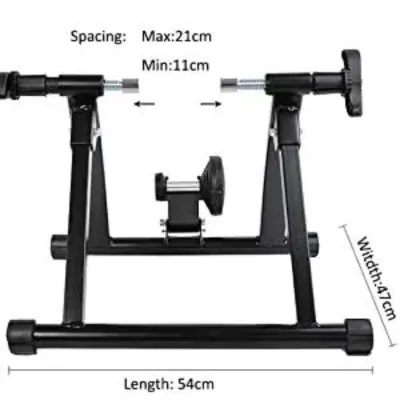
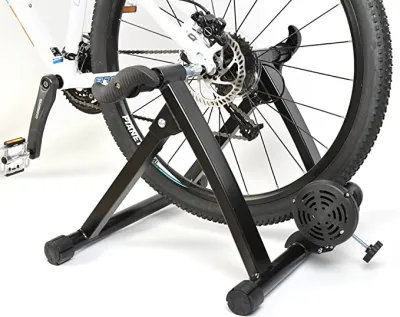
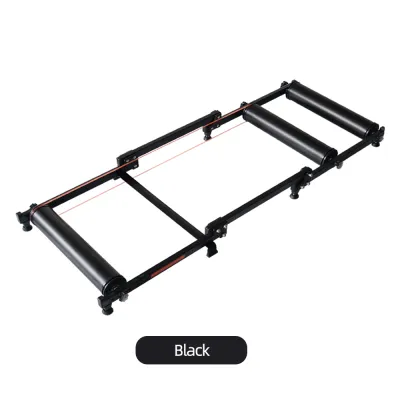
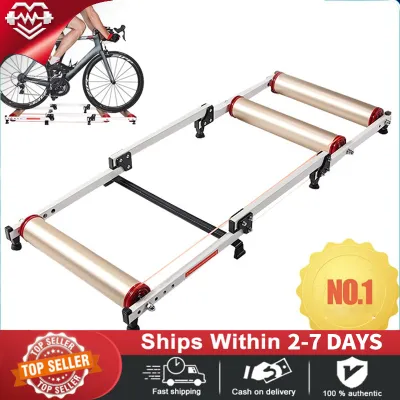
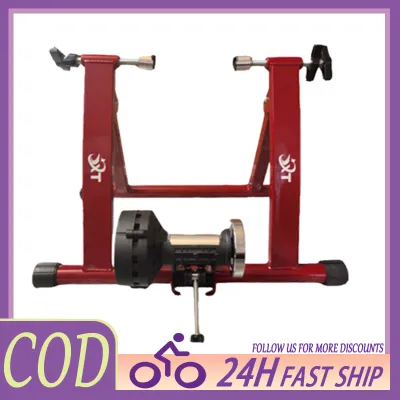
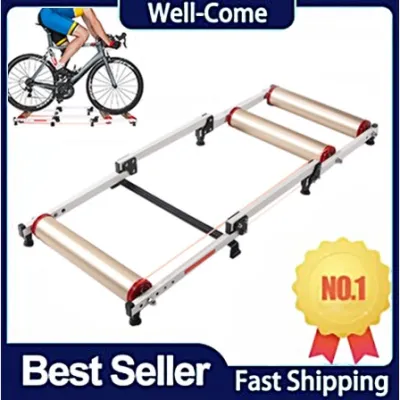
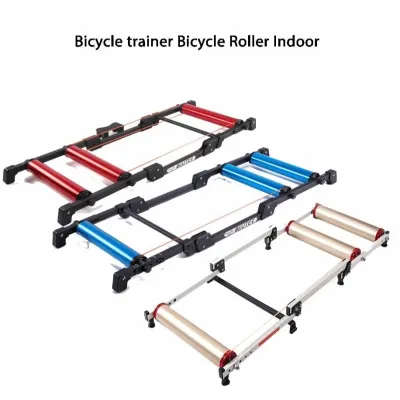
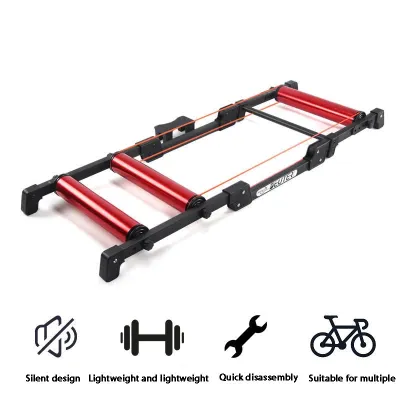
Prices are valid at publication and may change. Please refer to the product page for the latest price.
Next, identify your dedicated storage zones. Whether you plan to slide the unit under a bed, tuck it behind a sofa, or place it inside a utility closet, measure the maximum allowable depth, width, and height of that specific spot. Keep in mind that tropical humidity in the Philippines can affect enclosed spaces, so ensure your chosen storage area has adequate ventilation to prevent moisture buildup on metal components.
Comparing Bike Roller Designs for Compact Living
Standard three-drum rollers feature a single, rigid frame. While they offer excellent structural rigidity and a highly stable ride, their fixed length makes them difficult to store in a compact studio or one-bedroom unit. For condo living, folding or collapsible models are generally more practical because they fold in half or thirds, drastically reducing their storage footprint.

However, folding designs involve trade-offs. The hinges that allow the frame to collapse can introduce slight flex under heavy loads or during high-cadence efforts. You will need to decide if the space saved outweighs the absolute rigidity of a solid frame.
Consider the footprint of any accessories you plan to use. If you are a beginner or prefer extra stability, you might use a front-wheel fork stand. Other add-ons, such as external resistance units or climbing blocks to simulate gradients, will expand the active footprint and require additional storage space. Ensure your measurements account for these extras.
Finally, evaluate the frame material and drum length relative to your bicycle. The roller must accommodate your bike’s specific wheelbase. Check the manufacturer’s specifications to ensure the front drum can be adjusted to sit directly under or slightly forward of your front hub. Excess frame overhang beyond your bike’s wheels is wasted space in a tight room, so look for a frame that matches your bike’s dimensions as closely as possible.
Evaluating Daily Setup and Storage Transitions
Transitioning your roller from storage to active use should be quick and painless. Analyze the folding mechanisms and hinge types of candidate models. Some rollers use simple quick-release clamps, while others require tools or screw knobs. Look for units that lock securely in both the open and collapsed positions to prevent accidental unfolding during transport.
Weight is another critical factor for daily usability. A heavy steel-framed roller might feel incredibly stable, but lifting and repositioning a 10-kilogram unit every day can become exhausting. Lightweight aluminum or high-strength composite frames are much easier to maneuver around tight condo corners, though they may require more care to avoid denting.
If you plan to store the roller vertically to save floor space, check the manufacturer’s guidelines first. Storing a roller upright can place unusual stress on the frame joints or cause the drum bearings to sit at an angle they were not designed to sustain. If vertical storage is permitted, ensure you have a secure method to prevent the unit from tipping over, especially in high-traffic areas of your home.
Addressing Vibration and Noise in Multi-Story Buildings
In a multi-story condo building, structural noise and vibration can easily travel through concrete floors to the unit below. The primary source of noise on a bike roller is the contact between your tires and the spinning drums. Precision-machined aluminum or high-quality plastic drums with smooth surfaces generate significantly less tire hum and high-frequency vibration than rougher, budget-friendly alternatives.
To further mitigate sound transfer, plan to use a high-density foam or rubber isolation mat. This mat must fit entirely within your measured active footprint. The mat absorbs low-frequency vibrations before they can penetrate the floorboards, keeping your workouts quiet enough for early morning or late-night sessions.
Before committing to a purchase, review your condo association guidelines or lease agreement. Some buildings have strict rules regarding indoor sports equipment, noise levels, or workout hours. Taking the time to verify these rules beforehand can save you from neighbor disputes or potential fines.
Building Your Shortlist: Space-Matching Checklist
To finalize your decision, compile a checklist that matches your condo’s physical limits with the specifications of potential rollers. Verify the exact active and folded dimensions provided by the manufacturer against your home measurements. Do not rely on visual estimates from online product photos.
Confirm that the roller’s weight capacity and structural limits align with your body weight and training style. If you plan to perform high-intensity intervals or out-of-saddle sprints, you will need a sturdier frame than someone using the roller for low-intensity recovery rides.
Lastly, cross-reference the warranty terms. Some manufacturers may limit warranty coverage if the unit is subjected to frequent folding and unfolding, or if it is stored in non-standard positions. Choosing a model with a warranty that explicitly supports daily transitions ensures your investment remains protected.
Frequently Asked Questions (FAQ)
Can I store a bike roller vertically against a wall?
Yes, but you must verify that the manufacturer explicitly approves vertical storage for that specific model. Some frames are engineered to distribute weight evenly only when flat, and storing them upright can strain the hinges or cause bearing grease to migrate. If vertical storage is approved, always use a dedicated wall anchor, strap, or specialized hook. This prevents the roller from tipping over due to accidental bumps, earthquakes, or vibrations in your condo.
Do folding bike rollers compromise riding stability?
High-quality folding rollers are designed to offer stability comparable to fixed-frame models, but they do require more attention. The hinges and locking joints can develop slight play over time with frequent use. To maintain a stable riding platform, you must regularly inspect and tighten all folding joints and hardware. Keep in mind that lighter folding frames may exhibit more flex during high-cadence efforts or when riding out of the saddle, so it is best to stay seated and maintain a smooth, consistent stroke.
Community discussion
Share your experience or ask a question. Comments are reviewed before publication.