
Finding the right fitness equipment for a high-rise condominium in Metro Manila requires balancing personal fitness goals with strict spatial limits. A treadmill is an excellent investment for staying active when tropical rains or intense afternoon heat make outdoor running impractical. However, bringing a bulky commercial-grade machine into a compact studio or one-bedroom unit can quickly turn your living space into an obstacle course. Choosing a space-saving treadmill that actually fits involves analyzing how the machine stores, operates, and integrates into your daily condo life.
To make the right choice, you must look beyond flashy marketing terms and evaluate physical measurements, storage designs, and structural constraints. The ideal machine fits your running stride, respects your floor plan, and operates quietly enough to keep your neighbors and property management office happy. By focusing on critical dimensions, folding mechanisms, and local building rules, you can establish a highly functional home gym setup without sacrificing your living comfort.
Assess Your Condo's Available Space and Clearances
Before browsing online listings or visiting a fitness showroom, you must precisely measure your designated workout zone. A common error is measuring only the static footprint of the treadmill deck and forgetting that operating the machine requires ample breathing room. For safety, you should maintain a clear buffer of at least 1.5 to 2 meters behind the treadmill and about 0.5 meters on both sides. This buffer ensures you can safely mount and dismount the machine and provides a critical escape zone in case of an accidental trip or emergency stop.
Products mentioned in this guide
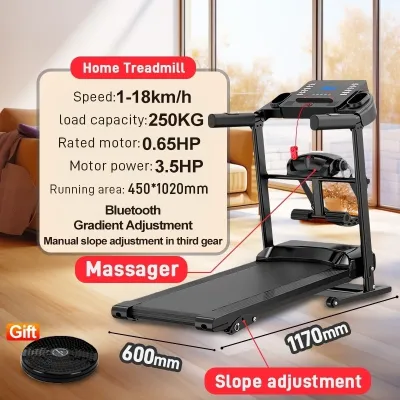
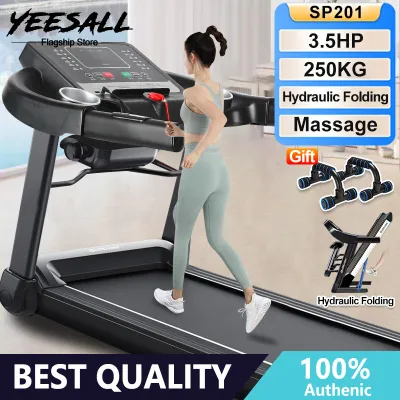
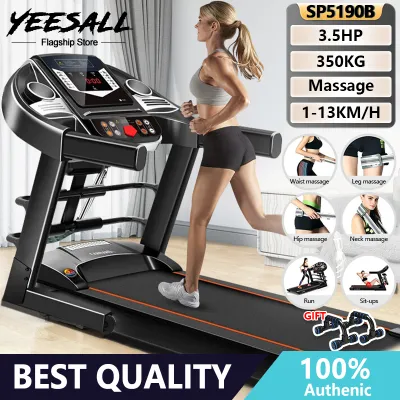
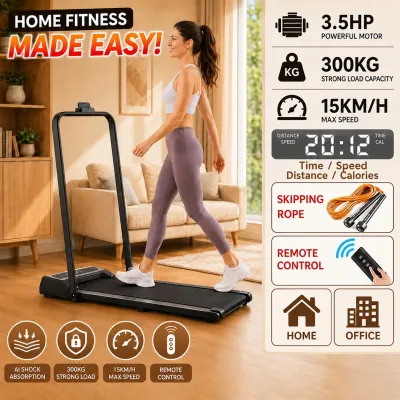
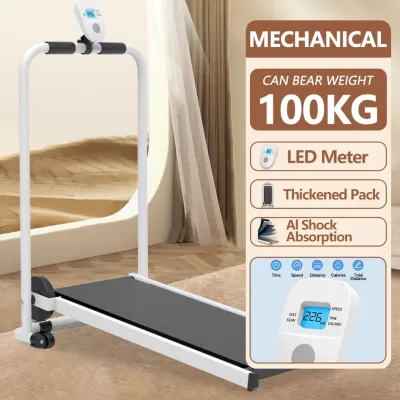
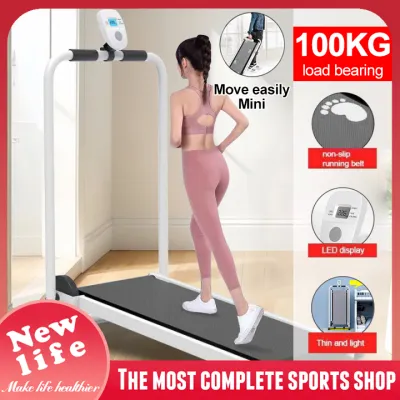
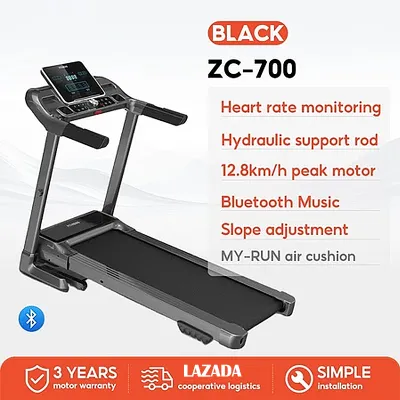
Prices are valid at publication and may change. Please refer to the product page for the latest price.
Ceiling height is another crucial factor that condo dwellers frequently overlook, particularly in units with dropped ceilings or low clearances. When you run, your body rises several inches off the deck, and many treadmills feature an incline function that raises the running surface even higher. To calculate your minimum ceiling requirement, add your height, the treadmill’s step-up deck height, the maximum incline height, and an extra 15 to 20 centimeters of vertical clearance for head bounce. Neglecting this calculation can result in painful head strikes against light fixtures, ceiling fans, or concrete beams during high-intensity workouts.
The logistical journey from the delivery truck to your unit door is the final spatial hurdle you must plan for. You need to measure the width and height of all doorways, narrow hallways, elevator doors, and tight corners along the delivery route. Many heavy-duty or semi-commercial treadmills are shipped in massive, non-flexible boxes that cannot negotiate tight condominium corridors or small passenger elevators. Confirming these dimensions beforehand ensures your new fitness equipment can actually reach your living room rather than being turned away at the lobby.
Evaluate Folded Dimensions and Storage Mechanisms
Space-saving treadmills employ diverse engineering strategies to reduce their footprint when not in use, and understanding these mechanisms helps you choose the right fit for your layout. The most common design is the vertical folding treadmill, where the running deck pivots upward toward the console, reducing the floor space required by roughly half. Horizontal folding units, often marketed as “flat-fold” machines, allow the console and handrails to collapse flat against the deck, enabling you to slide the unit under a bed or behind a sofa. Fixed compact treadmills do not fold at all but feature a permanently small, minimalist frame designed to sit permanently in a corner.

When comparing models, you should always request the exact manufacturer-specified folded dimensions—length, width, and height—rather than relying on vague product descriptions. A machine labeled “ultra-compact” might still stand too tall to fit under your specific bed frame or take up too much vertical space in a utility closet. Knowing the precise measurements allows you to map out the storage configuration in your unit before making a purchase.
The ease of transitioning the treadmill from storage to active use determines how often you will actually exercise. Look for models equipped with hydraulic assist mechanisms, such as soft-drop systems, which bear the weight of the deck during folding and unfolding to prevent sudden drops and physical strain. Transport wheels are equally essential; check if the wheels are multi-directional or if they only roll in a straight line, as maneuvering a heavy piece of steel around tight condo corners requires agile mobility.
Finally, pay close attention to the hidden elements that can add unexpected bulk or create safety hazards when the treadmill is stored. A protruding power cord, a fixed safety key holder, or a wide console bracket can easily snag on curtains, scratch your walls, or prevent the machine from folding completely flat. Checking how these accessories integrate into the folded structure will save you from frustrating storage surprises and protect your condo’s interior finish.
Balance Deck Size and Weight Capacity with Your Needs
While saving space is a priority, you must not compromise on basic running ergonomics, as an undersized treadmill can lead to unnatural strides and potential injuries. The length and width of the running belt must match your height, stride length, and planned exercise intensity. For walking or light jogging, a belt length of 120 centimeters is generally sufficient for average-height users. However, if you are taller or plan to run at higher speeds, you will need a deck length of at least 140 centimeters to prevent your feet from accidentally stepping off the back of the moving belt.
The treadmill’s weight capacity is a direct indicator of its structural integrity and motor durability. It is highly recommended to choose a machine with a weight capacity that offers a buffer of at least 15 to 20 kilograms above your actual body weight. This buffer prevents the motor from operating at its absolute limit, which reduces operational noise, minimizes heat buildup, and significantly extends the lifespan of the internal electronics. Operating a treadmill too close to its maximum weight limit often results in belt slippage, jerky movements, and premature motor failure.
Understanding motor specifications is crucial when evaluating compact models, which often feature smaller motors to save space. Treadmill motors are rated in Continuous Horsepower (CHP) and Peak Horsepower (PHP); you should always base your decision on the CHP rating, which represents the motor’s sustained output during continuous use. For walking, a motor with 1.5 to 2.0 CHP is usually adequate, while jogging and running demand 2.5 CHP or higher to maintain consistent speeds without straining. Avoid relying on PHP ratings, as they only indicate short bursts of power that the motor cannot sustain during a standard workout session.
The design of the console and handrails also plays a major role in both your workout safety and the machine’s overall footprint. Some compact treadmills feature streamlined, narrow handrails that can restrict your natural arm swing or make you feel cramped during high-speed runs. Ensure the handrails are positioned wide enough to accommodate your natural posture while remaining sturdy enough to support you if you lose your balance. A minimalist console design can provide all your essential workout metrics without adding unnecessary width to the machine’s frame.
Check Building Rules and Floor Protection Requirements
Living in a shared condominium community means your workouts can directly impact your neighbors, making sound and vibration management a top priority. Before purchasing any heavy fitness equipment, you should consult your condominium’s property management office (PMO) or homeowner association rules. Many buildings have specific guidelines regarding the weight of appliances allowed in units, designated quiet hours, or outright bans on certain types of motorized exercise machinery to maintain peace.
The repetitive impact of running on a treadmill generates low-frequency vibrations that travel easily through concrete floors and shared walls, often sounding like a loud thumping to the neighbors downstairs. To mitigate this noise, you should invest in a high-density, shock-absorbing equipment mat designed specifically for heavy gym machinery. A quality mat not only dampens noise and absorbs structural vibrations but also protects your condo’s hardwood, laminate, or tile flooring from scratches, indentations, and grease stains.
Strategic placement of the treadmill within your unit can also dramatically reduce the transmission of noise to adjacent homes. Avoid placing the machine directly against shared walls, especially those bordering a neighbor’s bedroom or living room, as the drywall can act as an amplifier for mechanical hums. Instead, position the treadmill over structural beams or near load-bearing columns where the floor is naturally stiffer and less prone to flexing, and try to schedule your workouts during standard daytime hours when ambient noise levels are higher.
Avoid Common Space-Matching Mistakes
One of the most frequent errors among condo owners is focusing solely on the folded dimensions and ignoring the “in-use” footprint of the treadmill. A machine that tucks away neatly under your bed might block access to your balcony, prevent your wardrobe doors from opening, or obstruct a major walkway when unfolded for a workout. Always map out the fully extended footprint on your floor using painter’s tape to ensure you can move freely around your home even when the treadmill is deployed.
Another common pitfall is purchasing a motorized walking pad under the impression that you can use it for high-intensity running. Walking pads are specifically engineered for low-speed walking, typically topping out around 6 kilometers per hour, and they lack the robust handrails, shock absorption, and deck length required for running. Attempting to run on a machine designed strictly for walking is highly unsafe, as the short deck increases your risk of falling, and the low-power motor can easily overheat under high-speed friction.
Finally, remember to account for the physical placement of your power outlet and the routing of the power cord. Treadmills require a dedicated, grounded outlet and should not be run through thin extension cords or multi-plug adapters, which pose a severe electrical fire hazard. Ensure the treadmill can be positioned close enough to a wall outlet so that the cord lies flat and does not stretch across walkways, creating a dangerous tripping hazard in your limited living space.
Frequently Asked Questions (FAQ)
Can I keep and use a treadmill on a condo balcony?
No, keeping an indoor treadmill on a condo balcony is highly discouraged due to environmental risks. The high humidity, salt air, direct sunlight, and potential rain exposure typical of the Philippine climate will quickly rust the metal frame, degrade the rubber running belt, and short-circuit the sensitive electronic console. Furthermore, placing heavy equipment on a balcony can exceed the structural weight limits of the cantilevered slab; always consult your building’s engineering department and review the manufacturer’s warranty, as outdoor placement almost always voids coverage.
Do folding treadmills require assembly every time I use them?
Standard vertical folding treadmills do not require assembly before each workout, as the frame, console, and deck remain permanently connected. You simply release the safety lock, lower the deck using the hydraulic assist, and plug the machine in to begin your session. However, some ultra-flat walking pads or horizontal-folding models may require you to fold down, detach, or screw in the handrails every time you store them. If you plan to exercise daily, check the setup process beforehand, as repetitive manual assembly can quickly become a barrier to your workout routine.
Community discussion
Share your experience or ask a question. Comments are reviewed before publication.