
Finding the right swimming goggles case for your child requires balancing physical protection, ease of use, and moisture management. To keep their swim gear safe from scratches and mold, look for a case with a semi-rigid outer shell (like EVA foam), dedicated ventilation holes or mesh panels to handle tropical humidity, a secure yet simple zipper or snap closure that small hands can operate, and a compact size that fits easily into a school bag.
Children’s swim gear goes through heavy daily wear, especially during hot summer months or after-school swim clinics. A proper case ensures that their anti-fog lenses remain clear and their silicone straps do not snap prematurely under pressure.
Why Your Child Needs a Dedicated Goggles Case
Tossing a pair of swimming goggles directly into a school backpack or a canvas tote bag is a quick route to damaged gear. In a crowded bag, goggles face constant friction from heavy textbooks, water bottles, and lunchboxes. Without a protective barrier, the delicate anti-fog coating on the inner lenses can easily scratch, rendering the goggles blurry and frustrating for your child to use during their swim lessons.
Products mentioned in this guide
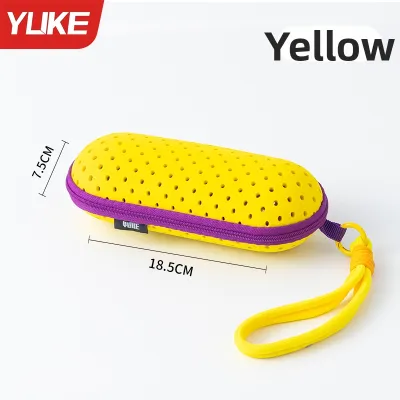
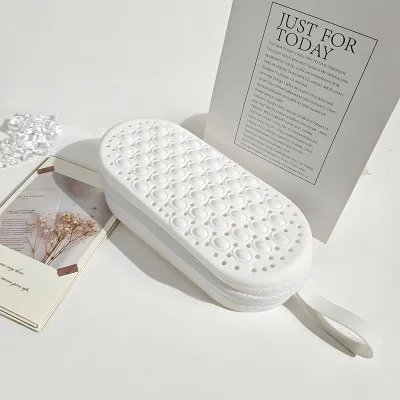
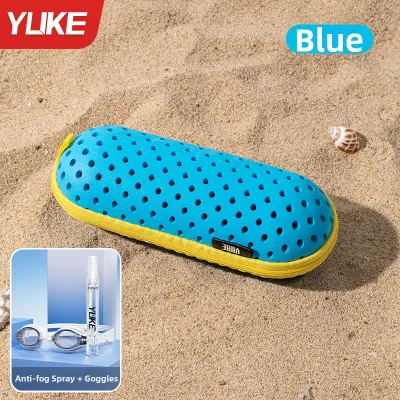
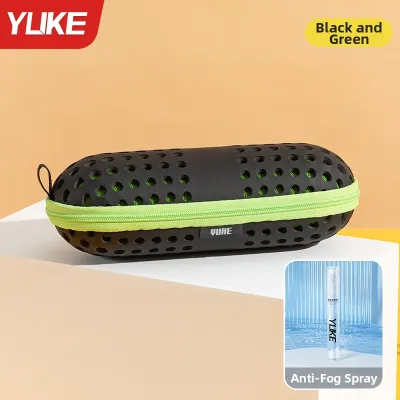
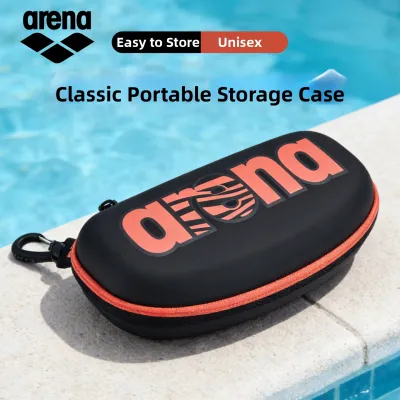
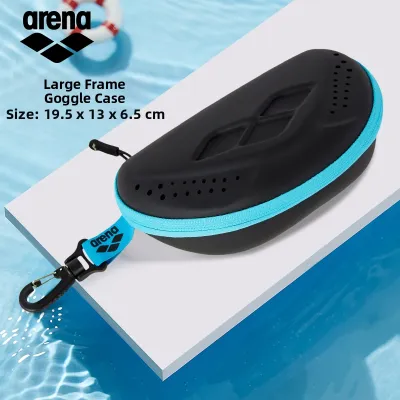
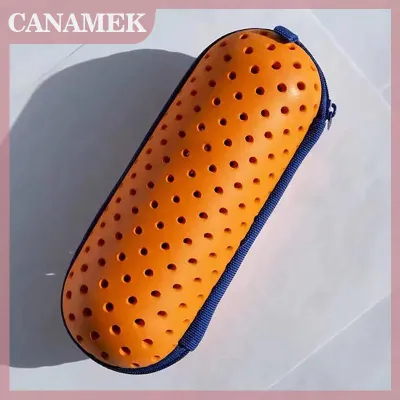
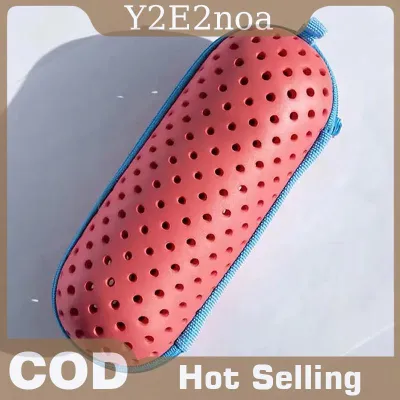
Prices are valid at publication and may change. Please refer to the product page for the latest price.
Beyond physical scratches, loose goggles are highly susceptible to tangled or snapped silicone straps. When a strap gets caught on a binder ring or a stray keychain, pulling it loose can tear the soft silicone material. Additionally, the humid climate of the Philippines creates a perfect breeding ground for mold and mildew if wet goggles are left pressed against damp towels or cotton clothes inside a dark backpack compartment.
A dedicated swimming goggles case solves these issues by establishing a safe, designated home for their eyewear. When children have a specific container for their goggles, it helps them build lifelong habits of organization and responsibility for their sports equipment. They learn that their sports gear requires care, which ultimately saves you from frequent, costly replacements of damaged swim goggles.
4 Essential Features to Look for in a Goggles Case
Choosing the right case involves evaluating how your child handles their gear, where they swim, and how they travel to the pool. By focusing on four core design dimensions, you can select a case that offers the ideal balance of protection, hygiene, and convenience.

Size, Shape, and Compartments
Before purchasing a case, verify its internal dimensions against the specific style of goggles your child uses. Children’s goggles vary widely in size, from low-profile competitive racing goggles to larger, wide-view swim masks that cover a significant portion of the face. A case designed for standard racing goggles will not comfortably fit a bulky recreation mask, potentially crushing the frame or bending the soft silicone skirt if forced shut.
Look for a case that features integrated mesh pockets or separate internal compartments. These small dividers are incredibly useful for storing extra swim accessories like silicone earplugs, nose clips, or spare strap adjustment clips. Keeping these small items isolated prevents them from shifting during transit and rubbing against the delicate inner lenses of the goggles.
Consider the external footprint of the case relative to your child’s daily carrying method. If they carry a small backpack for preschool or primary school, a massive, oversized hard case will take up too much valuable space. Aim for a streamlined, contoured shape that slips easily into side pockets or tight spaces without adding unnecessary bulk to their daily load.
Material and Impact Protection
The material of the case determines how well it shields the goggles from external pressure. Hard shell cases, typically constructed from molded ethylene-vinyl acetate (EVA) foam or rigid polycarbonate plastics, offer superior crush protection. If your child tends to drop their bag, sit on their backpack, or pile heavy gear on top of their swim kit, a rigid shell is highly recommended to absorb the impact and maintain its shape.
Conversely, soft-sided cases made from woven nylon or polyester offer lightweight flexibility. These pouches are excellent for older children who are already careful with their belongings and prefer a case that can compress flat when empty. Soft fabrics are also easier to squeeze into tightly packed duffel bags, though they provide minimal defense against heavy crushing forces.
Regardless of the structural material, check for a water-resistant or water-repellent exterior coating. A water-resistant outer layer prevents water from outdoor splashes or wet towels from seeping into the case from the outside. It also makes the exterior easy to wipe clean after a long day at an outdoor pool or beach.
Ventilation and Moisture Control
In tropical environments with high humidity, moisture control is arguably the most critical feature of any swim gear storage. Fully sealed, airtight plastic cases might keep external water out, but they trap residual pool water and sweat inside. When damp goggles are sealed in a warm, dark, airtight container, it creates an ideal environment for bacteria, mold, and unpleasant odors to develop overnight.
To prevent this hygiene issue, prioritize cases equipped with built-in ventilation features. Look for designs that incorporate metal or plastic grommet drainage holes, breathable mesh side panels, or perforated fabrics that allow air to circulate freely. This airflow helps evaporate surface moisture, keeping the interior dry and reducing the risk of mold growth on the goggle seals.
A successful design balances external splash protection with internal breathability. For instance, a case with a water-resistant EVA shell on the top and bottom combined with a breathable mesh strip along the zipper line offers the best of both worlds. This configuration protects the goggles from external wetness while still allowing damp air to escape from the inside.
Closure Mechanisms and Security
The closure mechanism must be secure enough to keep the goggles from falling out, yet simple enough for your child’s specific developmental stage. Zippers are the most common closure type, providing excellent security. When evaluating zippered cases, look for smooth-gliding, plastic or rust-resistant nylon zippers with large, textured pull tabs that small or wet fingers can easily grip.
Alternative closures include snap buttons, hook-and-loop (Velcro) fasteners, and drawstrings. While Velcro and drawstrings are incredibly easy for very young children to operate independently, they offer less security during transit and can easily fly open if the case is dropped. Additionally, coarse Velcro can catch on delicate mesh swimsuits or snag the soft silicone straps of the goggles, causing premature wear.
Always inspect the interior path of the closure mechanism to ensure there are no sharp metal teeth or rough edges exposed. A poorly designed zipper track that rubs against the silicone head strap or the soft eye gaskets can slowly tear the material over time. Opt for designs where the zipper is lined with a protective fabric guard on the inside.
Recommended Goggles Case Designs for Different Needs
Different swimming routines and handling habits call for different storage solutions. Matching the case design to your child’s specific swim environment ensures their gear remains protected without causing unnecessary frustration.
Hard Shell Cases for Maximum Crush Protection
Hard shell cases are the gold standard for children who participate in school swim teams or carry crowded backpacks. If your child’s routine involves packing their swim gear alongside heavy schoolbooks, laptops, or sports equipment, a rigid EVA foam case is the most reliable choice.
These cases excel at preserving the precise shape of high-performance racing goggles or expensive prescription swim goggles. Because the rigid walls do not deflect under pressure, the lenses are completely isolated from external squeezing. This protection is vital for maintaining the alignment of the frame and preventing leaks during their next swim session.
The primary trade-off of a hard shell case is its rigid bulk, which cannot be compressed when empty. Furthermore, because they are structurally solid, they often feature limited ventilation compared to fabric pouches. If you choose a hard shell design, make sure to select one with dedicated drainage grommets and remind your child to open the case fully once they return home.
Breathable Mesh Pouches for Quick Drying
For casual recreational swimming, weekend beach trips, or daily summer swim clinics, a lightweight mesh pouch is often the most practical option. These pouches are constructed primarily from open-weave polyester or nylon mesh, allowing maximum airflow from all angles.
The main advantage of a mesh design is its exceptional drying capability. If your child packs their goggles while they are still dripping wet, the mesh fabric allows water to drain out instantly and air to dry the silicone components. This rapid evaporation prevents the sour, musty smells that commonly plague wet swim gear left in closed bags.
However, mesh pouches offer virtually no impact protection. If a heavy object is dropped onto a mesh pouch, the goggles inside will bear the full weight, risking cracked lenses or bent frames. Mesh cases are best suited for older kids who carry their swim gear in a dedicated, lightly packed bag, or as a secondary organizer inside a larger ventilated swim duffel.
Multi-Compartment Swim Organizers
For competitive young swimmers or families who manage multiple swim lessons a week, a multi-compartment swim organizer offers a comprehensive storage solution. These larger cases or specialized gear bags feature separate, dedicated pockets for goggles, swim caps, nose clips, earplugs, and even small toiletries like anti-chlorine shampoo.
The primary benefit of a multi-compartment organizer is its ability to keep wet and dry items completely separated. Your child can store their wet goggles in a ventilated mesh pocket on the outside, while keeping dry clothes, towels, or electronics safe in a waterproof main compartment. This level of organization prevents dampness from spreading throughout the entire bag.
The drawback to these organizers is their larger physical size and higher price point compared to simple single-pair cases. They can be overly complex and bulky for a beginner swimmer who only needs to transport a single pair of recreational goggles to a weekly lesson.
How to Clean and Maintain the Goggles Case
Even the best swimming goggles case will eventually accumulate chlorine residue, salt, sand, and moisture. Regular maintenance is essential to keep the case hygienic, prevent mold growth, and ensure the closure mechanisms continue to function smoothly over time.
After every pool or beach session, instruct your child to rinse both their goggles and the inside of the case with clean, cool tap water. This simple step removes residual chlorine, pool chemicals, or abrasive salt water that can slowly degrade the synthetic fabrics, plastics, and water-resistant coatings of the case. If your child has been swimming at a sandy beach, pay special attention to flushing out any sand particles trapped along the zipper teeth or inside the corners of the case.
Once rinsed, the case must be dried properly. Never leave a wet case zipped shut inside a dark, unventilated swim bag. Instead, open the case fully and place it in a shaded, well-ventilated indoor area to air-dry. Avoid placing the case in direct, intense tropical sunlight for extended periods, as prolonged UV exposure can warp plastic shells, fade fabric colors, and cause synthetic materials to become brittle.
If the case develops dirt buildup or a musty odor, wash it by hand using warm water and a small amount of mild dish soap or gentle laundry detergent. Use a soft-bristled brush, such as an old toothbrush, to gently scrub the interior corners, mesh panels, and zipper tracks. Avoid using harsh chemical cleaners, bleach, or abrasive scrubbing pads, as these can strip away water-repellent coatings and damage the structural materials.
Finally, periodically inspect the closure mechanisms for debris. If a zipper begins to stick, check for trapped hair, lint, or sand grains. Clearing these obstructions immediately prevents the zipper from splitting or breaking under force, ensuring the case remains secure and easy for your child to use throughout the swim season.
Frequently Asked Questions (FAQ)
Can I use a regular sunglasses case for swimming goggles?
While it may seem convenient to repurpose an old sunglasses case, it is generally not recommended for swimming goggles. Sunglasses cases are typically designed for dry environments and lack the ventilation holes or mesh panels required to let moisture escape. Storing damp swim goggles in a sealed sunglasses case will trap humidity, leading to rapid mold growth and unpleasant odors. Additionally, sunglasses cases are often too narrow to accommodate the wide, flexible silicone straps and curved eye gaskets of swim goggles without crushing them out of shape.
How do I remove a moldy smell from a goggles case?
To eliminate a persistent moldy or musty smell, wash the case thoroughly by hand using warm water and a mild, non-bleach dish soap. Use a soft brush to scrub the interior seams and mesh sections where mold spores tend to hide. After washing, rinse the case completely with clean water and submerge or wipe it with a highly diluted mixture of white vinegar and water, which acts as a natural deodorizer. Allow the case to air-dry completely in a well-ventilated, shaded area before using it again. Avoid using chlorine bleach, as it can degrade the fabrics and irritate your child’s sensitive skin.
Should I pack the goggles wet or dry in the case?
Whenever possible, shake off excess water and gently pat the exterior of the goggles dry with a towel before placing them in the case. While highly breathable mesh cases can temporarily accommodate wet goggles, leaving wet gear sealed in any case for long periods is not ideal. As soon as your child returns home from the pool, remove the goggles from the case and allow both items to air-dry separately in a shaded, well-ventilated space. This practice prevents moisture from degrading the anti-fog coating on the lenses and protects the case from developing mold.
Community discussion
Share your experience or ask a question. Comments are reviewed before publication.